









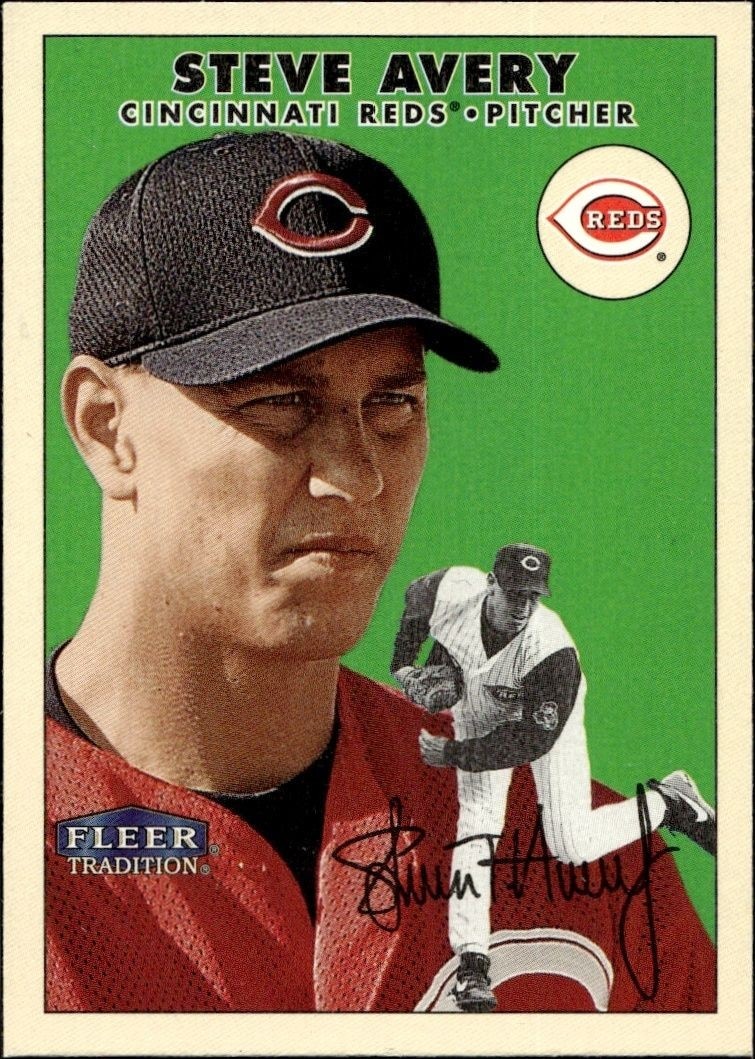
The 1992 Upper Deck Steve Avery #475 baseball card represents a specific low-numbered entry from the Atlanta Braves roster during the early 1990s.
1992 • Upper Deck • Low Number
Major League Baseball • Atlanta Braves
Near Mint
475
New
Shipping Calculated at Checkout
Arrives in 4-6 daysEstimated delivery October 23, 2026 - October 25, 2026
30-day Returns| Condition | Value | Source | Trend | Price Details |
|---|---|---|---|---|
$1.27As of 10/5/2026 | Guide Estimate | |||
Raw / Ungraded
PriceCharting Price Guide · Guide Estimate evidence · captured Oct 5, 2026
History is building. At least two days of matching observations are needed to show a trend.
Each point is the last stored observation that day for this printing, condition, grader, autograph status and source. Gaps mean no observation; guide estimates and asking prices are not completed sales.The 1992 Upper Deck Steve Avery #475 baseball card occupies a unique space in vintage collecting circles as a low-numbered issue from one of the most iconic sets in sports card history. Released during a pivotal era for the Atlanta Braves, this card features pitcher Steve Avery, who was a key component of the team's dominant rotation in the early 1990s. The low number designation, specifically card 475, appeals to collectors who prioritize numerical sequence in their set-building strategies, often seeking out these earlier entries for their historical placement within the base set. Upper Deck revolutionized the trading card market in 1992 with its innovative plastic packaging and high-quality production values, setting a new standard for the industry. For enthusiasts of the Atlanta Braves, this card serves as a tangible link to the franchise's successful run during that decade. Collectors often target low-numbered cards from this era to complete specific sets or to assemble focused collections around notable players like Steve Avery. The appeal of the 1992 Upper Deck Steve Avery #475 lies not just in the player's performance but in its status as a foundational piece of modern baseball card collecting. Whether you are a long-time hobbyist or new to the sport, this card offers a connection to a memorable period in Major League Baseball history.
1 day ago
We'll pre-fill the product details from this catalog entry, so your listing lands on this exact page. Just add photos of your copy, pick its condition, and set your price.
The catalog profile below summarizes the card identity, featured subject, and notable collectible traits.
The core identity of the card within the set.
The subject, team, league, and sport context tied to this card.
Production details and format-specific attributes.
Material
Card Stock
Language
English
Compare prices, grades, photos, and shipping from approved sellers.
New
Near Mint
See how many public collections currently include this card.
0 collectors have this card
This 1992 Upper Deck Steve Avery card trades at a modest entry-level price point, reflecting its status as a standard base card within a widely distributed set. While Avery holds significance as a key figure in the Braves' historic 1990s run, this specific iteration lacks the scarcity or premium attributes that typically drive substantial value appreciation. It represents an accessible acquisition for collectors focusing on team history rather than high-end investment pieces.
The card is identified as a standard base issue within the Upper Deck Low Number series, meaning it does not possess serial numbering, short-print status, or parallel variations that would artificially constrain supply. Without unique scarcity mechanics, the available pool of this specific card remains relatively deep compared to its limited-edition counterparts. This lack of exclusive attributes keeps the item in the general circulation tier of the hobby.
As a non-rookie card from a mass-produced set, this item lacks the rookie-card premium mechanics that typically fuel long-term growth for players of Avery's caliber. The primary demand driver is nostalgia for the Braves' championship era, but the absence of special attributes limits its potential for significant market outperformance. It serves better as a portfolio filler for specific team completists rather than a standalone growth asset.
