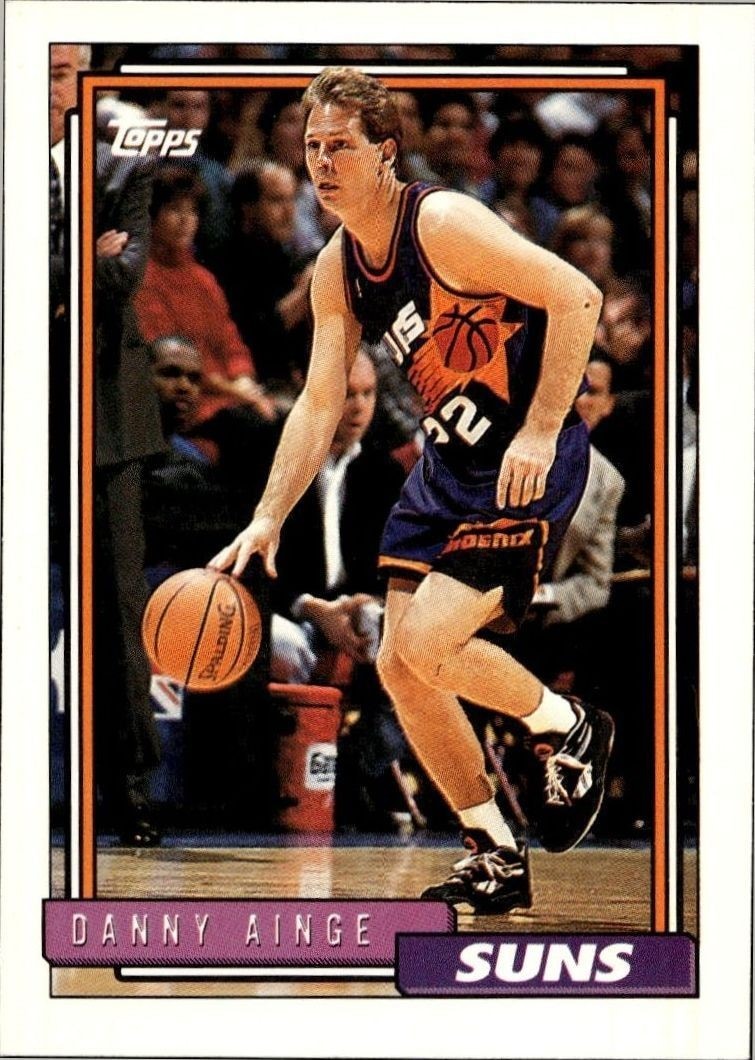



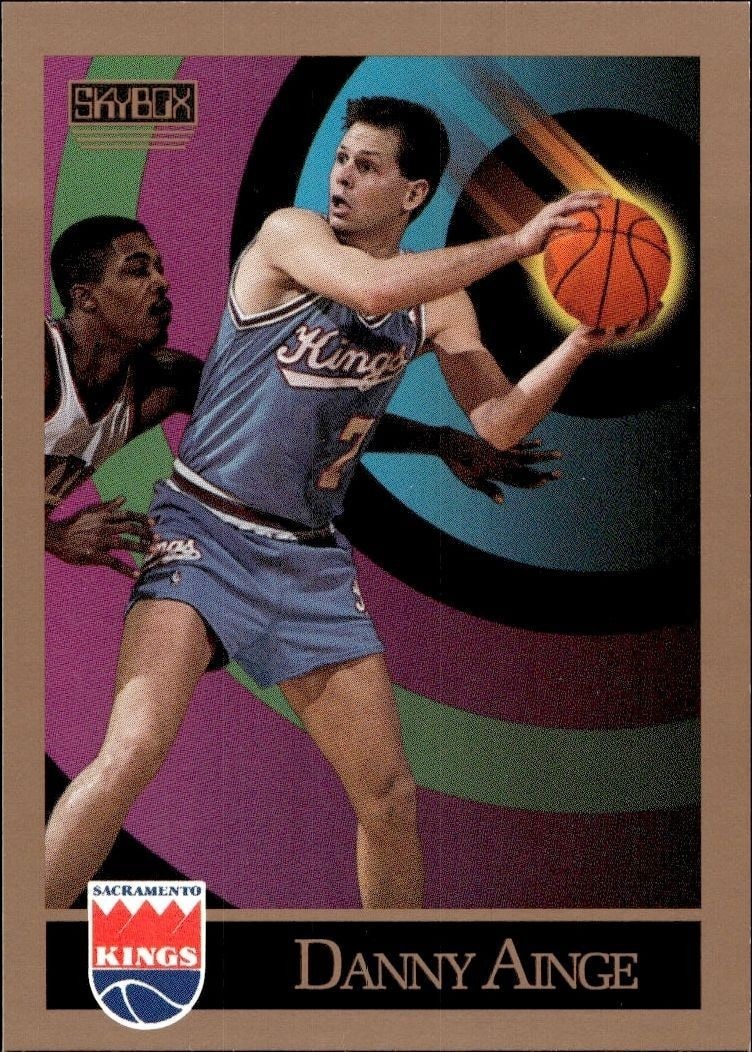
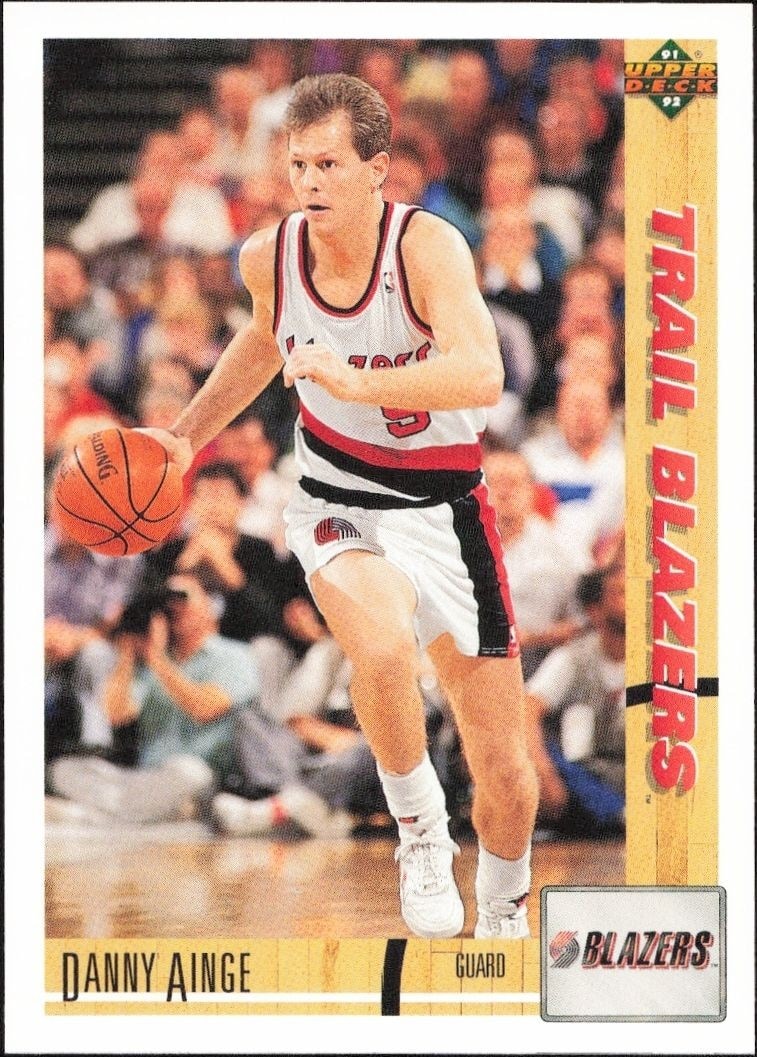
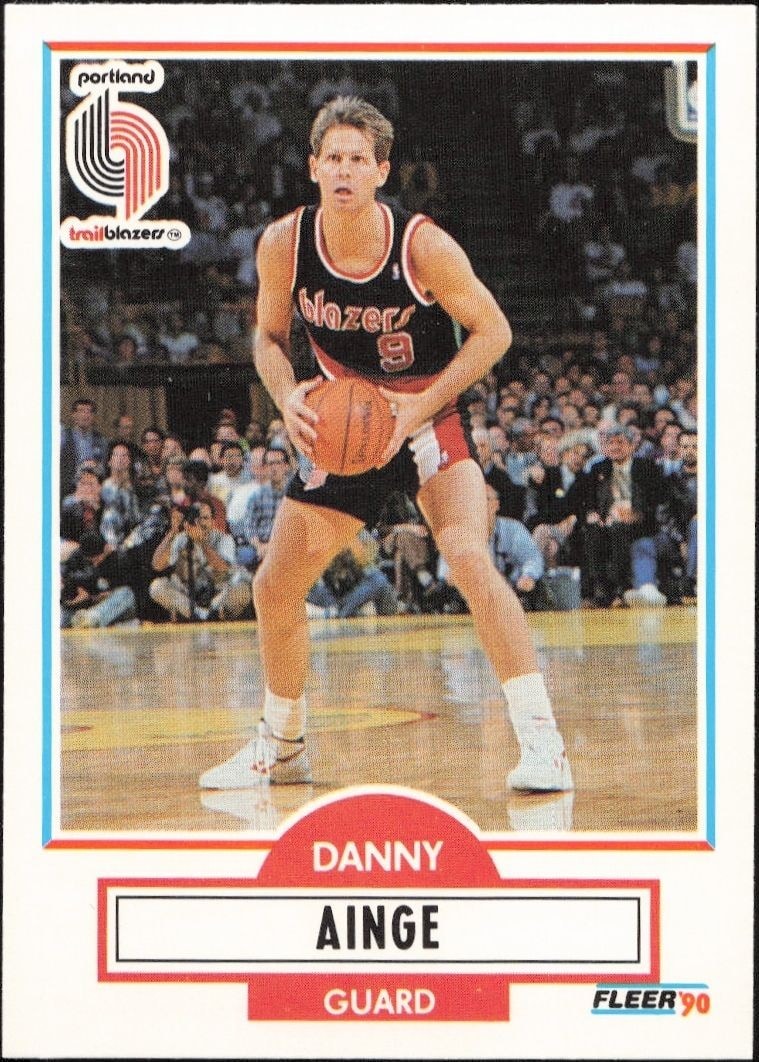
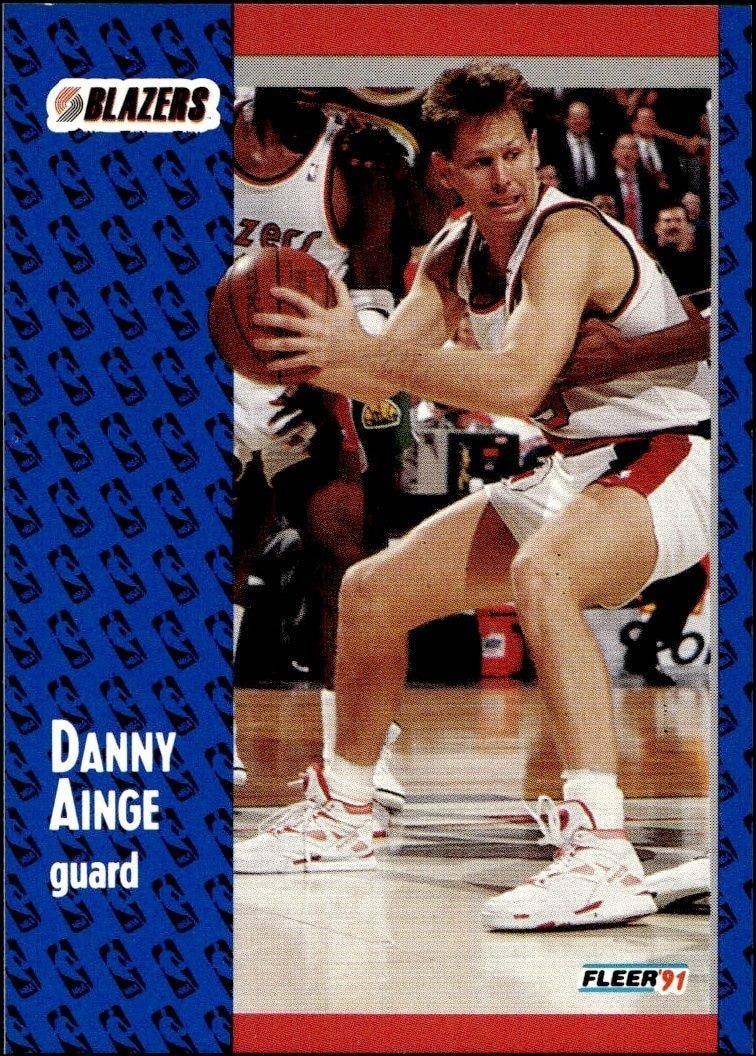
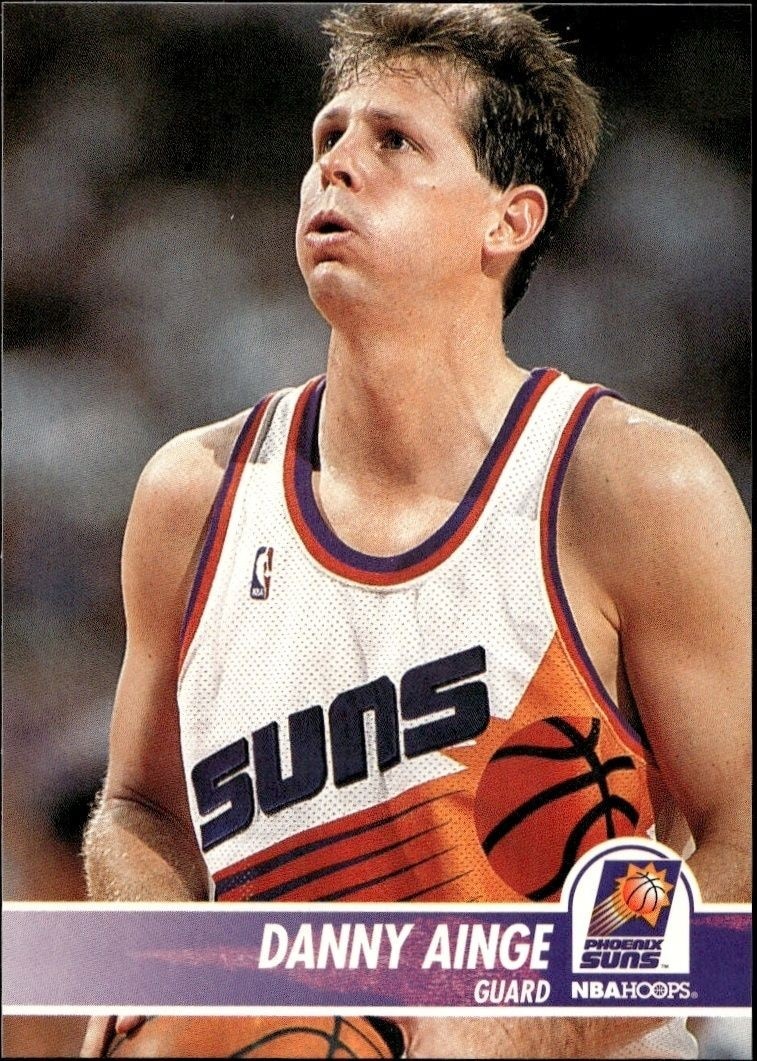
Explore the 1993-94 Fleer Danny Ainge #162 basketball card, capturing the veteran Phoenix Suns guard during his tenure with the franchise.
1993-94 • Fleer
National Basketball Association • Phoenix Suns
Near Mint
162
New
Shipping Calculated at Checkout
Arrives in 5-7 daysEstimated delivery October 23, 2026 - October 25, 2026
Seller returns October 19, 2026.30-day Returns| Condition | Value | Source | Trend | Price Details |
|---|---|---|---|---|
$1.12As of 9/18/2026 | Guide Estimate | |||
Raw / Ungraded
PriceCharting Price Guide · Guide Estimate evidence · captured Sep 19, 2026
History is building. At least two days of matching observations are needed to show a trend.
Each point is the last stored observation that day for this printing, condition, grader, autograph status and source. Gaps mean no observation; guide estimates and asking prices are not completed sales.The 1993-94 Fleer Danny Ainge #162 basketball card captures the veteran Phoenix Suns guard during a pivotal era of his career. Issued by Fleer, this release is part of a significant vintage NBA series that remains a staple for collectors focusing on 1990s basketball history. Danny Ainge was a foundational figure for the Suns, known for his playmaking and leadership, making this card a meaningful addition for fans of the team and the league's golden age. Collectors often seek out Fleer products from the early 90s due to their distinct design evolution and place in trading card history. This card, numbered 162, represents the standard base set distribution for that year. For those building comprehensive collections of Fleer basketball releases, this card fills a crucial slot in the sequence. It serves as a tangible link to the NBA landscape of the mid-1990s, featuring one of the league's most recognizable point guards. Whether you are a dedicated Suns collector or a broader NBA historian, adding this card to your portfolio offers a chance to own a piece of Danny Ainge's professional journey. The card stands as a catalog-worthy item for anyone interested in the evolution of basketball card design and the players who defined the sport during that decade. By focusing on established brands like Fleer, collectors can trust in the historical context and recognition of the product within the hobby.
18 hours ago
We'll pre-fill the product details from this catalog entry, so your listing lands on this exact page. Just add photos of your copy, pick its condition, and set your price.
The catalog profile below summarizes the card identity, featured subject, and notable collectible traits.
The subject, team, league, and sport context tied to this card.
Production details and format-specific attributes.
Material
Card Stock
Language
English
Compare prices, grades, photos, and shipping from approved sellers.
New
Near Mint
See how many public collections currently include this card.
0 collectors have this card
This base 1993-94 Fleer card of Danny Ainge represents the entry-level tier for his NBA collectibles, reflecting his status as a solid but non-marquee franchise player during the Suns tenure. While it lacks the premium pricing associated with his Celtics championship era or rookie year, it holds consistent, modest value due to the enduring popularity of Fleer's design from this specific season. The current market positioning suggests it is an accessible acquisition for collectors filling out team sets rather than a high-value investment piece.
As a standard base card with no noted parallels, serial numbering, or short-print designations, this item benefits from an unlimited supply relative to its specialized counterparts. The scarcity is defined solely by the natural attrition of base cards over three decades, rather than any intentional production limits or unique physical attributes. Consequently, it does not possess the restricted supply mechanics that typically drive rarity premiums in the secondary market.
Investment potential is limited by the card's generic nature within a highly produced set, lacking the rookie-card premium or unique identifier that would attract speculative capital. Demand is likely driven by nostalgic collectors seeking complete base sets from the mid-90s rather than investors targeting appreciation. Long-term value stability relies on the general health of the basketball card market rather than specific attributes of this individual card.