


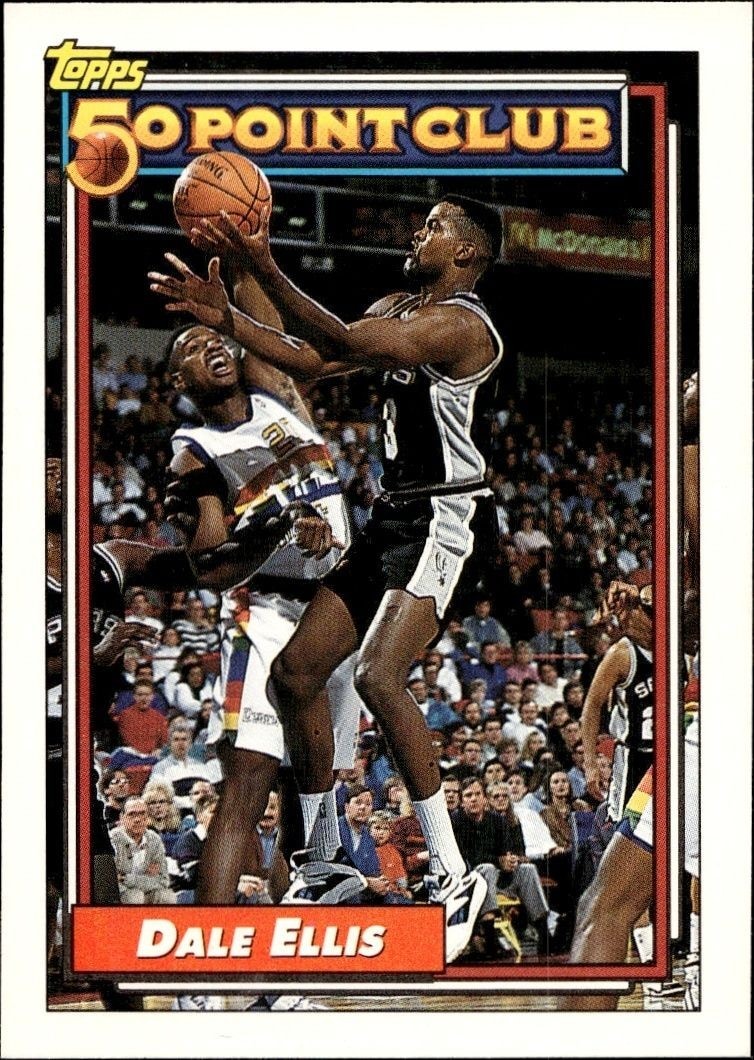
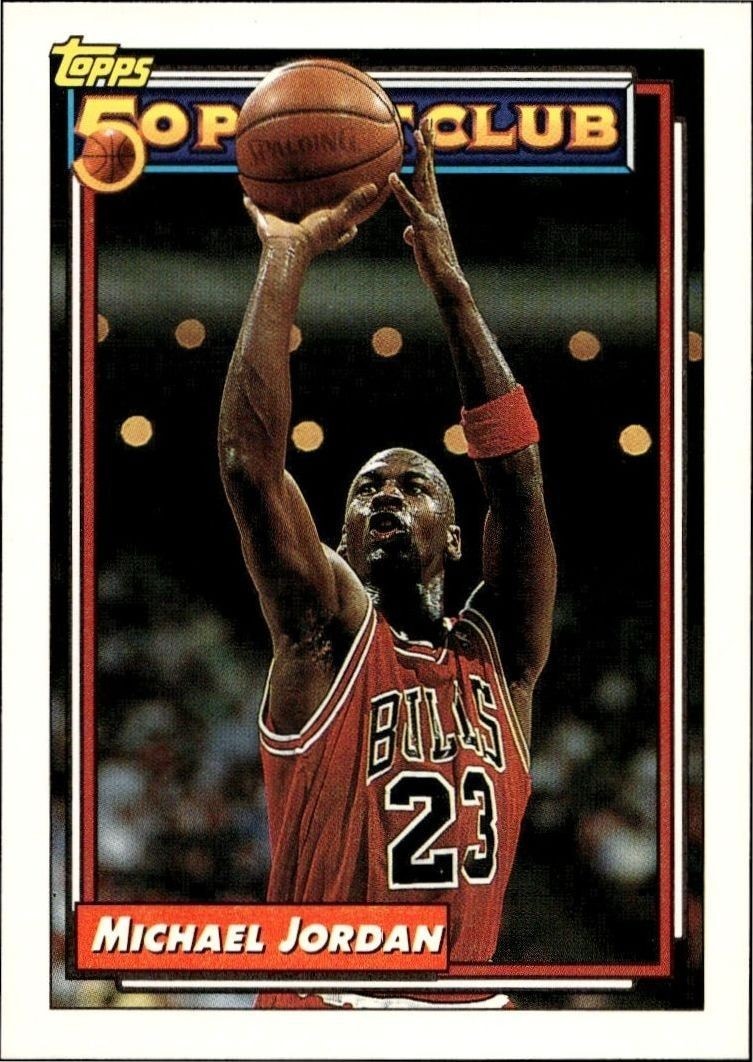


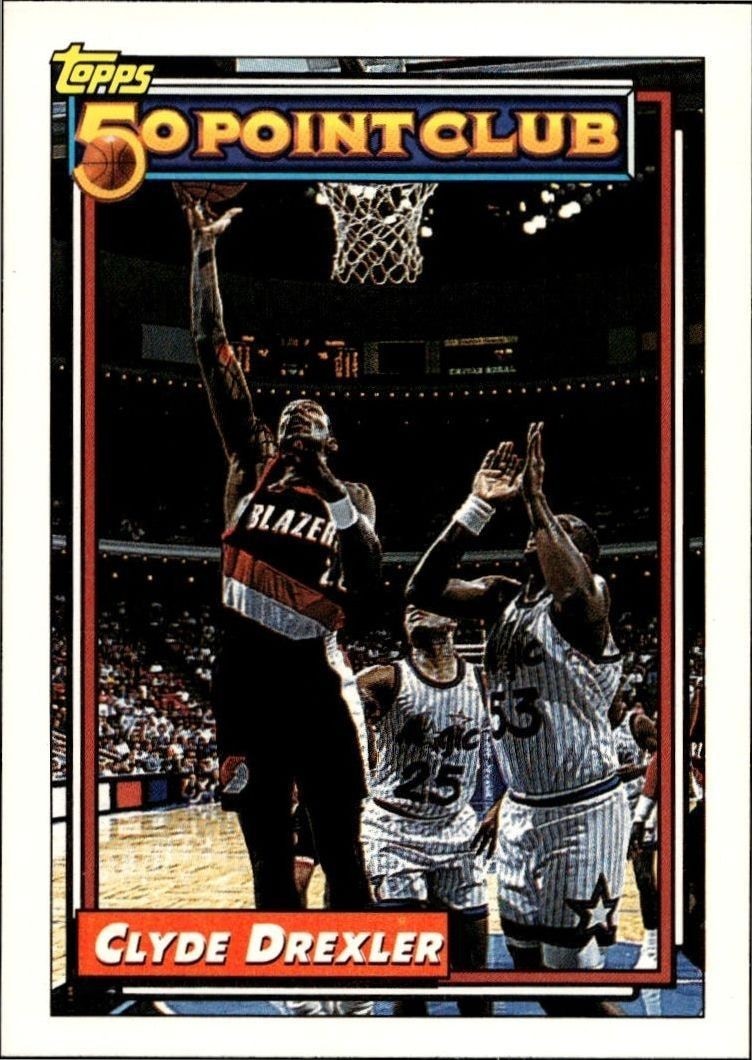



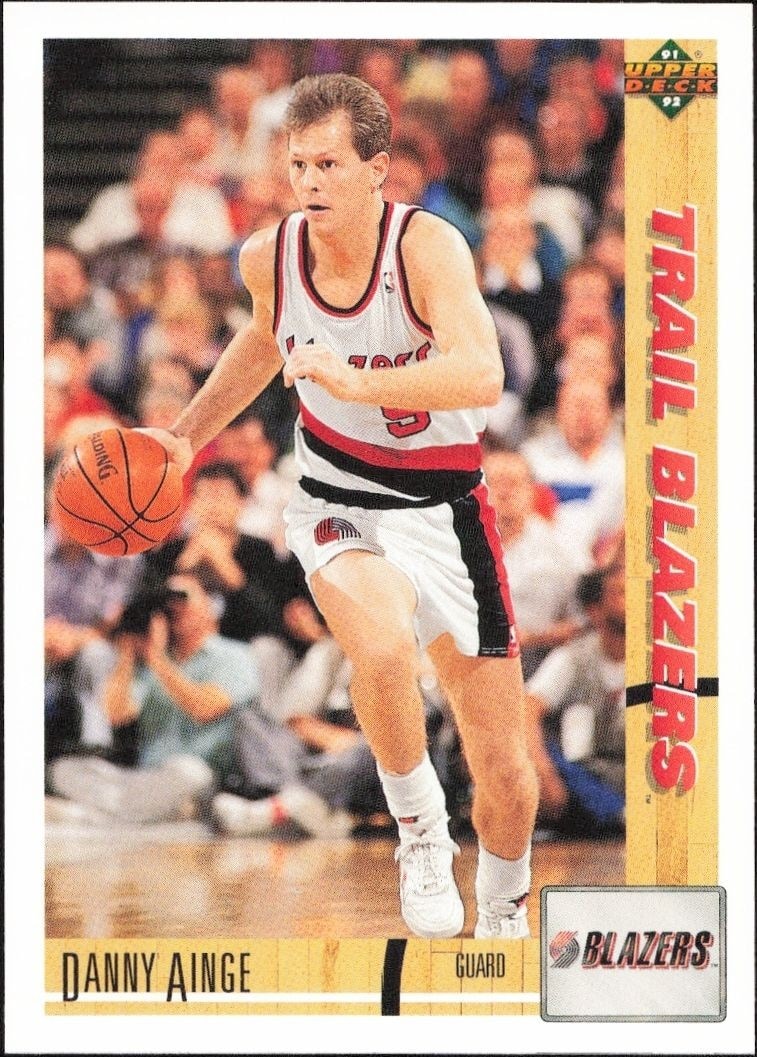
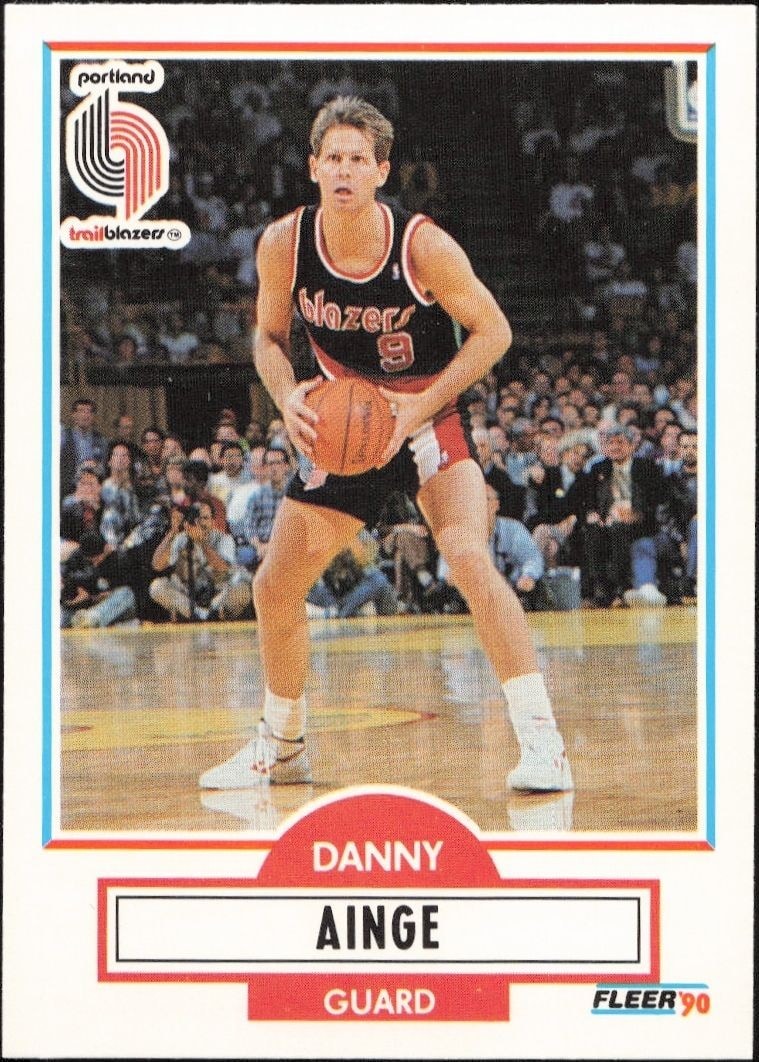


The 1992-93 Topps Danny Ainge #360 basketball card features the Phoenix Suns guard in a classic early-90s trading card design.
1992-93 • Topps
National Basketball Association • Phoenix Suns
Near Mint
360
New
Shipping Calculated at Checkout
Arrives in 5-7 daysEstimated delivery October 23, 2026 - October 25, 2026
Seller returns October 19, 2026.30-day Returns| Condition | Value | Source | Trend | Price Details |
|---|---|---|---|---|
$1.26 | Asking Prices | +26% | ||
Raw / Ungraded
eBay Active Listings · Asking Prices evidence · captured Oct 9, 2026
The 1992-93 Topps Danny Ainge #360 basketball card captures the Phoenix Suns guard during a pivotal period in his career. Released by the Topps brand, this card is a staple for collectors who appreciate the distinct visual style of early 1990s sports trading cards. The design reflects the era's aesthetic, offering a straightforward yet effective presentation of the athlete in his team uniform. Danny Ainge was a key figure for the Phoenix Suns, known for his playmaking and leadership on the court. This card, numbered 360 in the base set, serves as a tangible piece of NBA history. For fans of the Phoenix Suns or those who follow Danny Ainge's career, this card represents a specific moment in the team's roster during the 1992-93 season. The card's layout and typography are characteristic of the Topps brand's approach during this time, providing a nostalgic look back at a golden age of basketball collectibles. Collecting cards from this era allows enthusiasts to explore the history of the NBA through the lens of one of the most respected manufacturers. Danny Ainge's inclusion in this set highlights his status as a significant player in the league at that time. Whether you are looking to complete a set of Phoenix Suns cards or focus on specific players from the early 90s, this card is a valuable addition to any collection. By focusing on the identity and context of the card, collectors can appreciate the historical significance of the 1992-93 Topps Danny Ainge #360 basketball card. It stands as a reminder of the dynamic nature of the NBA and the enduring appeal of trading cards as a medium for preserving sports history.
11 hours ago
We'll pre-fill the product details from this catalog entry, so your listing lands on this exact page. Just add photos of your copy, pick its condition, and set your price.
The catalog profile below summarizes the card identity, featured subject, and notable collectible traits.
The subject, team, league, and sport context tied to this card.
Production details and format-specific attributes.
Material
Card Stock
Language
English
Compare prices, grades, photos, and shipping from approved sellers.
New
Near Mint
See how many public collections currently include this card.
0 collectors have this card
This 1992-93 Topps card of Danny Ainge sits at the lower end of the market value spectrum, reflecting its status as a standard base card rather than a premium parallel or insert. While Ainge is a significant figure in NBA history, the lack of special attributes means this specific issue commands only a modest premium over raw market averages for common era cards. The current listing activity suggests a stable but low-demand tier for this particular variation.
The card lacks any special scarcity attributes such as serial numbering, short printing, or parallel finishes, placing it firmly within the standard base set distribution. This mechanical simplicity means the supply is determined by the original print run rather than limited edition constraints, resulting in widespread availability among collectors. Without unique identifiers or limited production runs, the card relies on general player recognition rather than scarcity-driven value.
As a non-rookie card from the early 1990s, this issue lacks the rookie-card premium mechanics that typically drive significant appreciation in basketball collectibles. The standard Topps brand positioning and absence of special attributes limit its appeal to niche collectors focusing on specific set completeness rather than broad investment growth. Long-term value is likely tied to general nostalgia for the era rather than specific scarcity drivers or graded population trends.
