


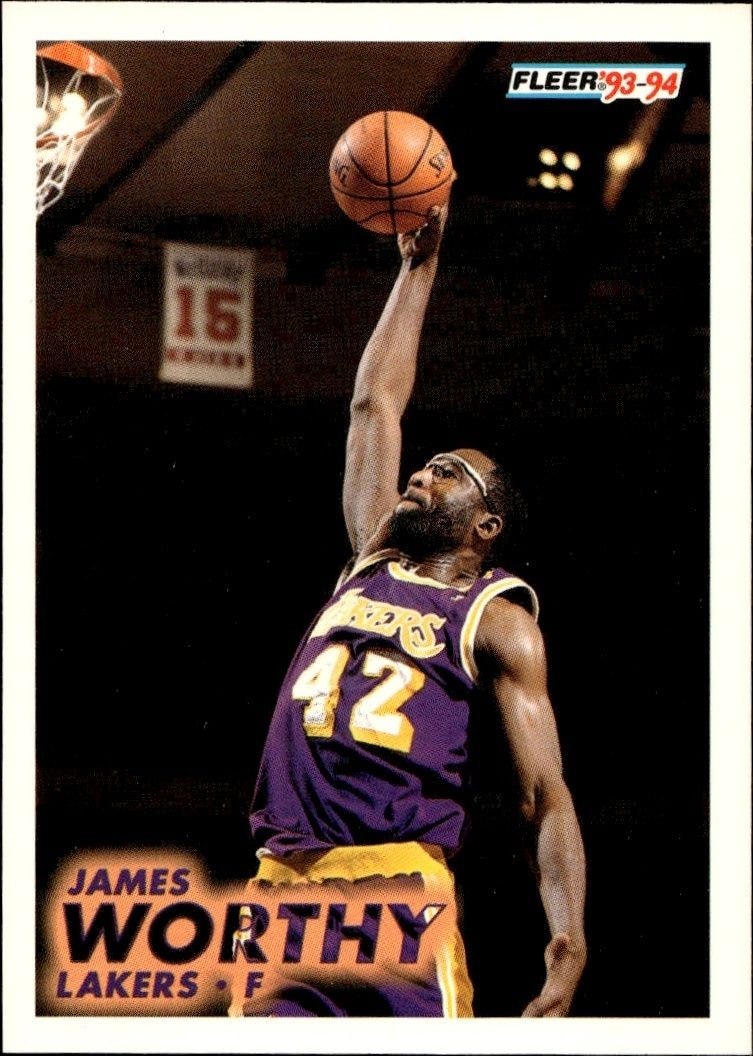
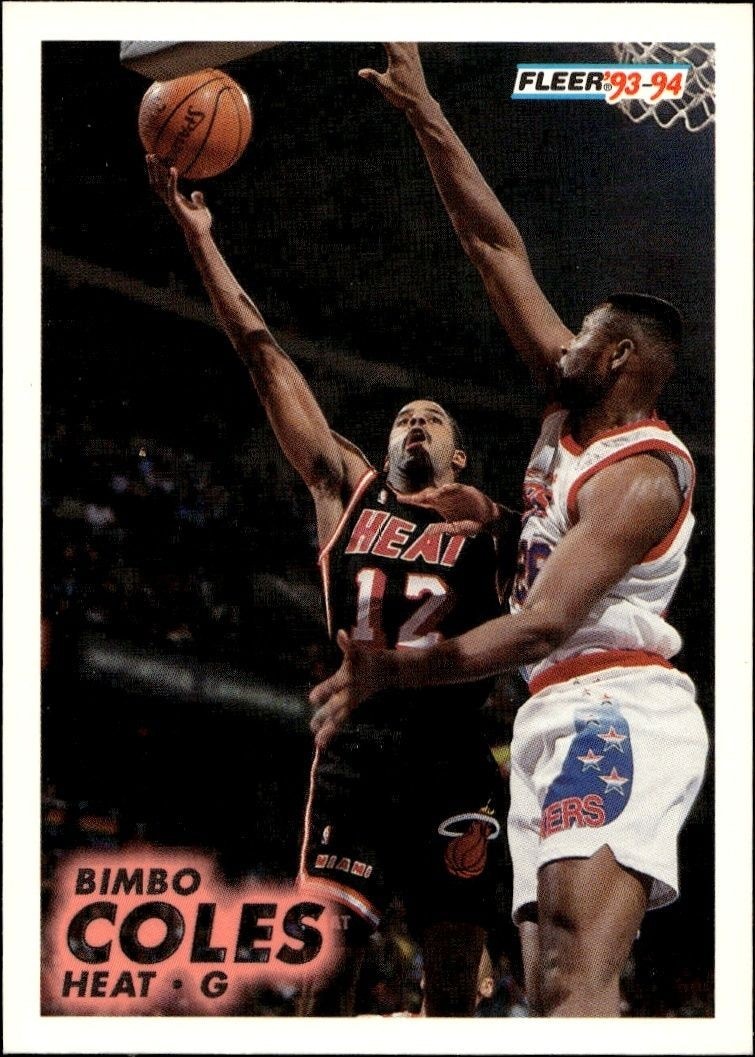
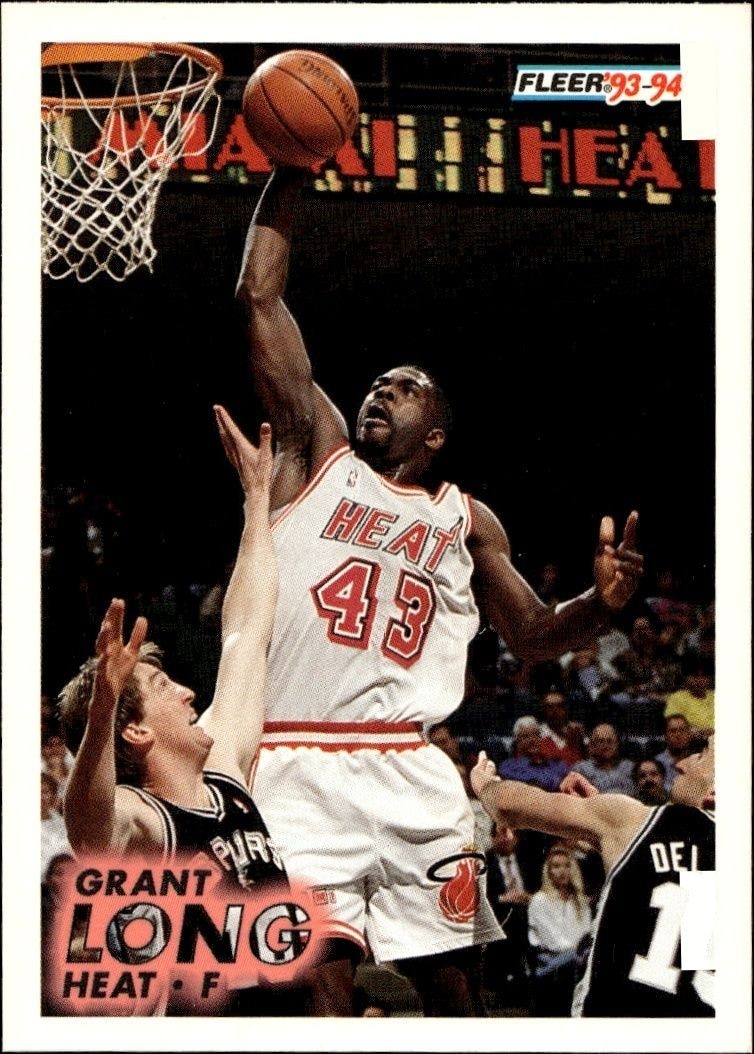
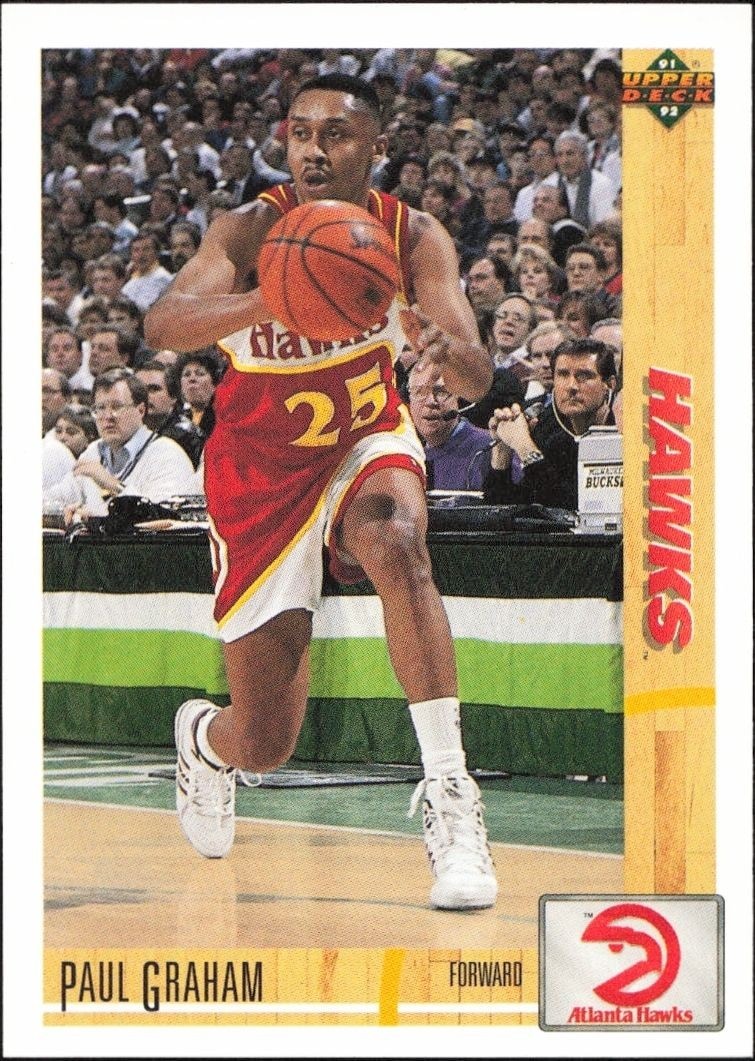
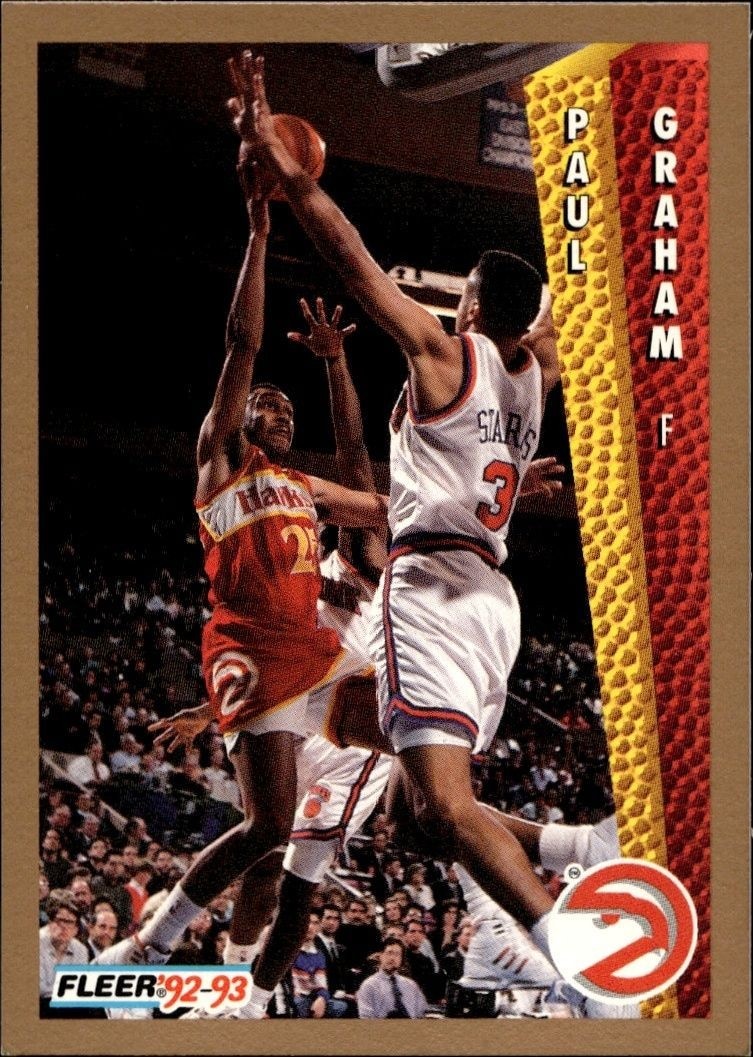
The 1993-94 Fleer Paul Graham #4 basketball card captures the Atlanta Hawks guard during his early NBA career within one of the era's premier sports card sets.
1993-94 • Fleer
National Basketball Association • Atlanta Hawks
Near Mint
4
New
Shipping Calculated at Checkout
Arrives in 4-6 daysEstimated delivery November 2, 2026 - November 4, 2026
30-day Returns| Condition | Value | Source | Trend | Price Details |
|---|---|---|---|---|
$1.59 | Guide Estimate | 0% | ||
Raw / Ungraded
PriceCharting Price Guide · Guide Estimate evidence · captured Oct 26, 2026
The 1993-94 Fleer Paul Graham #4 basketball card stands as a definitive entry from one of the most recognizable brands in sports collectibles. Released during a pivotal era for the NBA, this product highlights Paul Graham’s role with the Atlanta Hawks, offering collectors a tangible piece of 1990s basketball history. Fleer was known for its bold, clean design and high-quality printing, making their cards highly sought after by enthusiasts who value both aesthetic appeal and historical significance. Paul Graham, a versatile guard, brought energy and scoring ability to the Hawks during his tenure. This card, numbered #4 in the base set, provides a straightforward yet effective portrait of the player in his Hawks uniform, reflecting the visual style that defined Fleer releases in the mid-1990s. For collectors focusing on the Atlanta Hawks or the NBA’s 1990s landscape, this card serves as a foundational piece for building a comprehensive collection. The enduring popularity of Fleer cards stems from their consistent quality and the nostalgic value they hold for fans who grew up collecting during this golden age of basketball. Whether you are a dedicated Hawks supporter, a completist of the 1993-94 Fleer set, or an investor in vintage sports memorabilia, the Paul Graham #4 card offers a compelling addition to your portfolio. Its straightforward design and clear player identification make it accessible to new collectors while remaining a respected item among seasoned hobbyists. The card’s placement in the early number sequence of the set adds to its appeal, as low-numbered cards often carry additional interest for set builders. As the market for vintage basketball cards continues to grow, items from this era are increasingly recognized for their historical importance and collectible potential.
10/20/26
We'll pre-fill the product details from this catalog entry, so your listing lands on this exact page. Just add photos of your copy, pick its condition, and set your price.
The catalog profile below summarizes the card identity, featured subject, and notable collectible traits.
The subject, team, league, and sport context tied to this card.
Production details and format-specific attributes.
Material
Card Stock
Language
English
Compare prices, grades, photos, and shipping from approved sellers.
New
Near Mint
See how many public collections currently include this card.
0 collectors have this card
This 1993-94 Fleer Paul Graham card sits at the lower end of the market spectrum, reflecting Graham's status as a role player rather than a franchise cornerstone for the Atlanta Hawks. The current pricing indicates a baseline collectible value that is accessible to budget-conscious collectors, lacking the premium associated with star-tier athletes or highly sought-after rookie issues from this era. Its position in the broader set is defined by its accessibility rather than scarcity or historical significance.
As a standard base card within the 1993-94 Fleer basketball set, this item does not carry any special scarcity mechanics such as serial numbering, short-print status, or parallel variations. The supply is determined solely by the original print run of the base set, meaning it is widely available in the secondary market. Without unique attributes to constrain supply, its rarity is effectively that of a common mass-produced insert.
The investment potential for this specific card is limited due to its position as a non-rookie, base card for a player with modest Hall of Fame consideration. Collector demand is likely driven by those seeking to complete a basic team set or a general NBA collection from the early 1990s, rather than speculative growth. While it serves as a functional component for completists, it lacks the unique attributes or player trajectory typically required for significant appreciation.