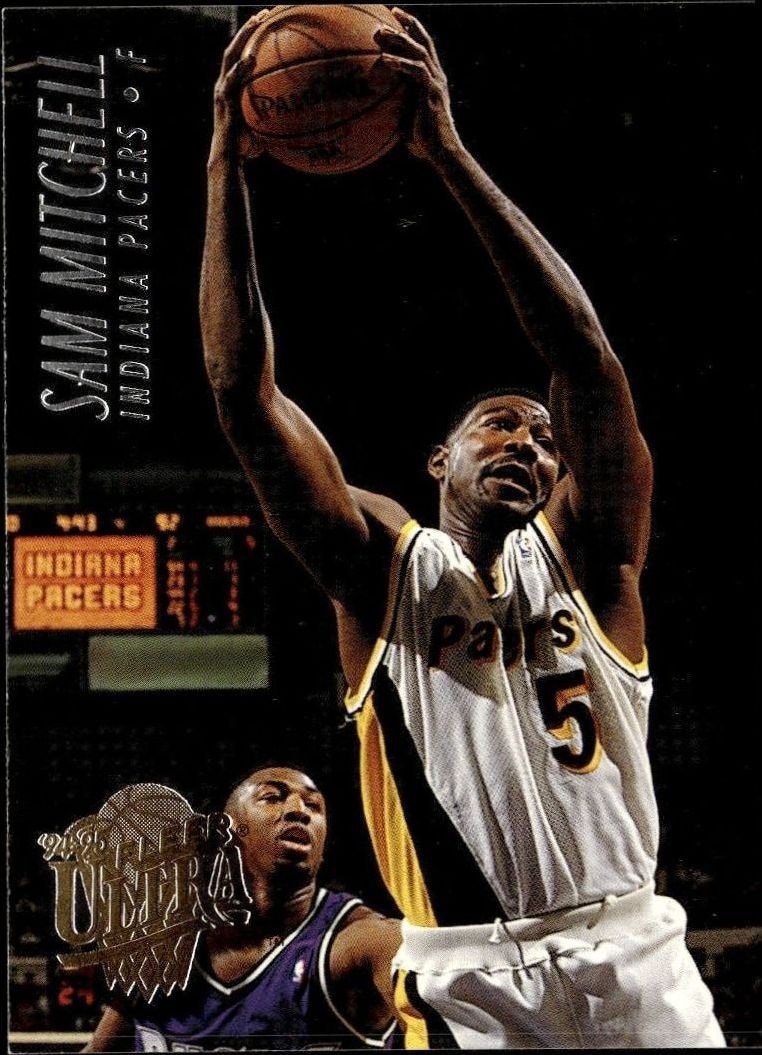

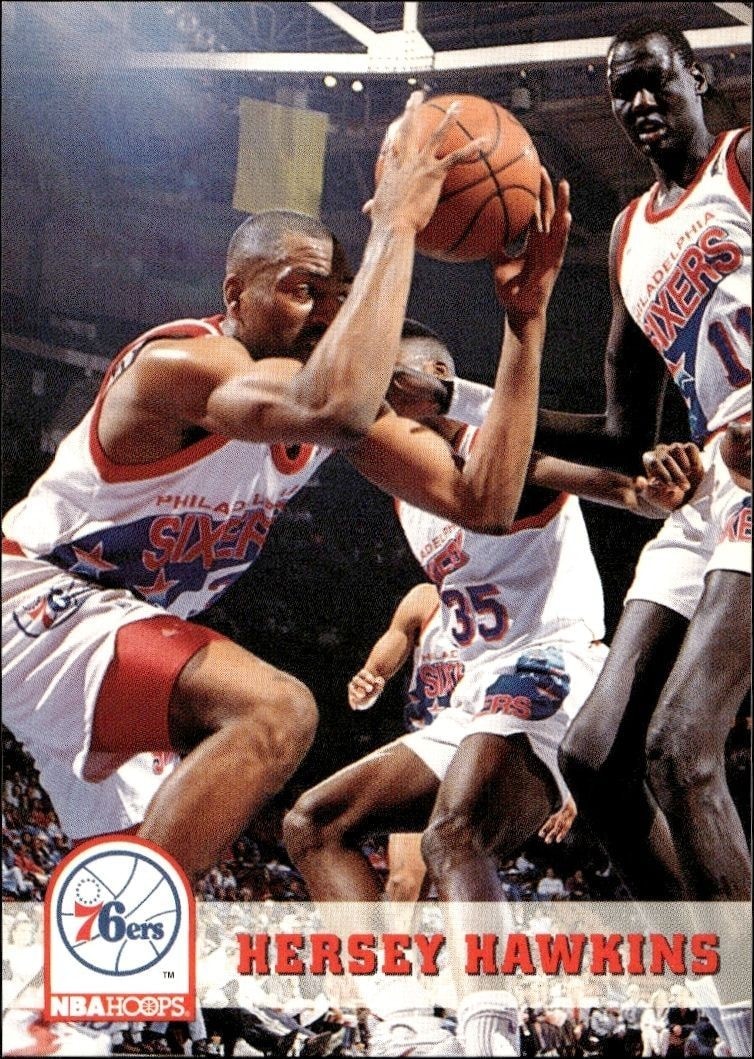


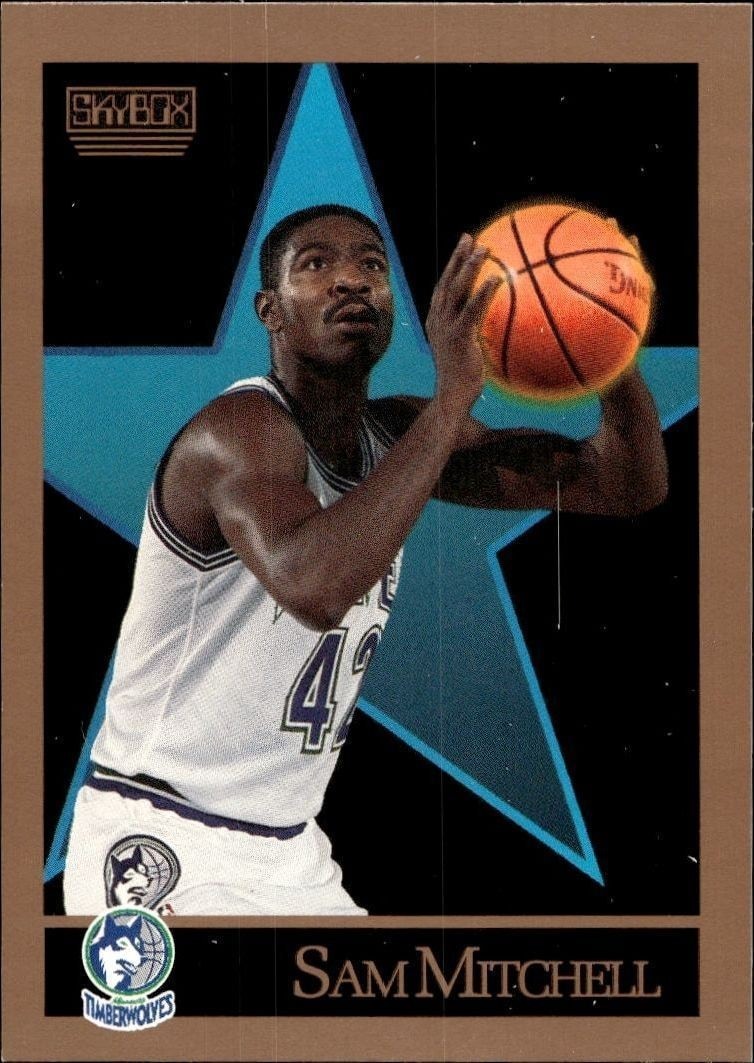
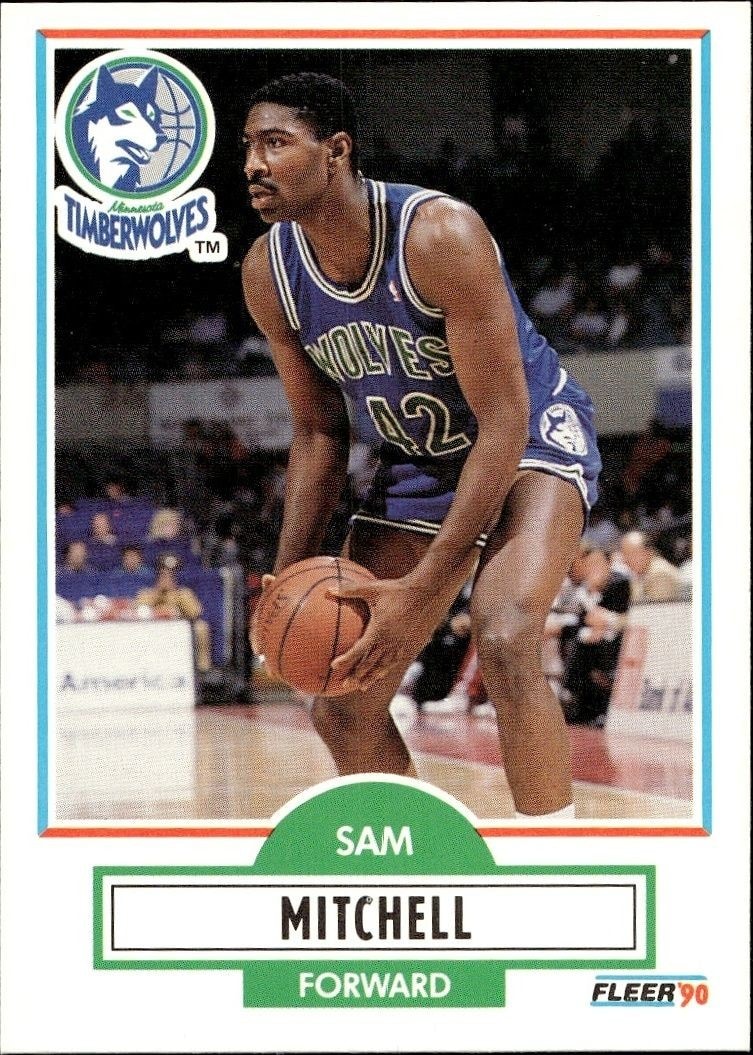
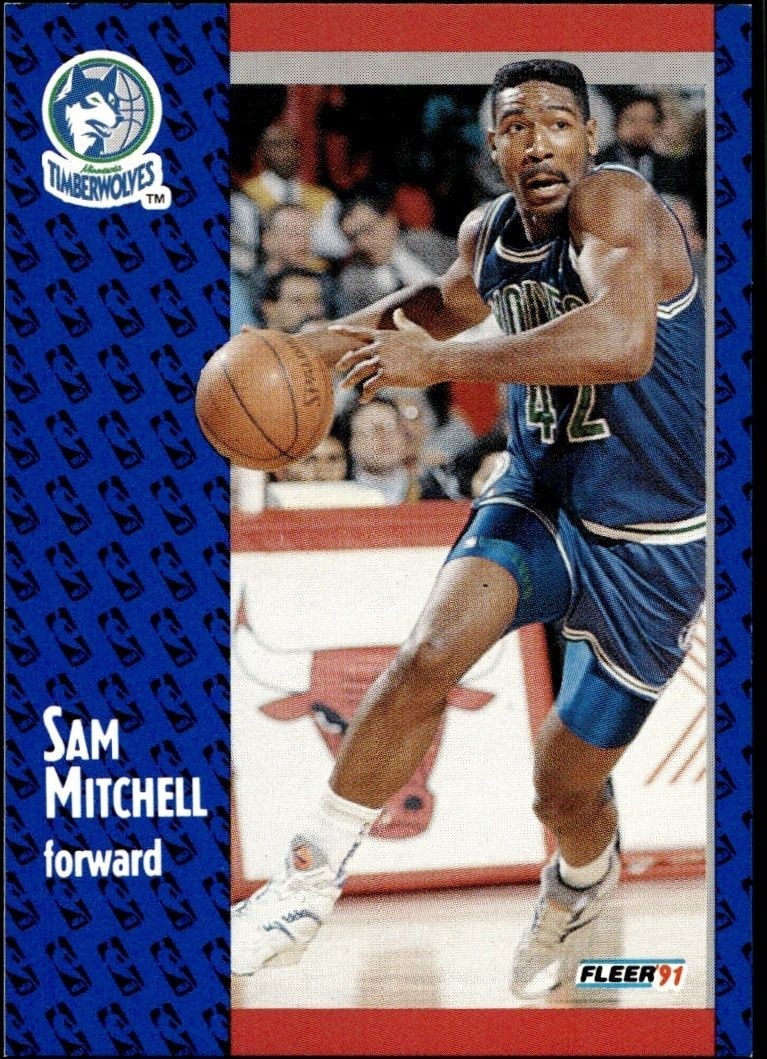
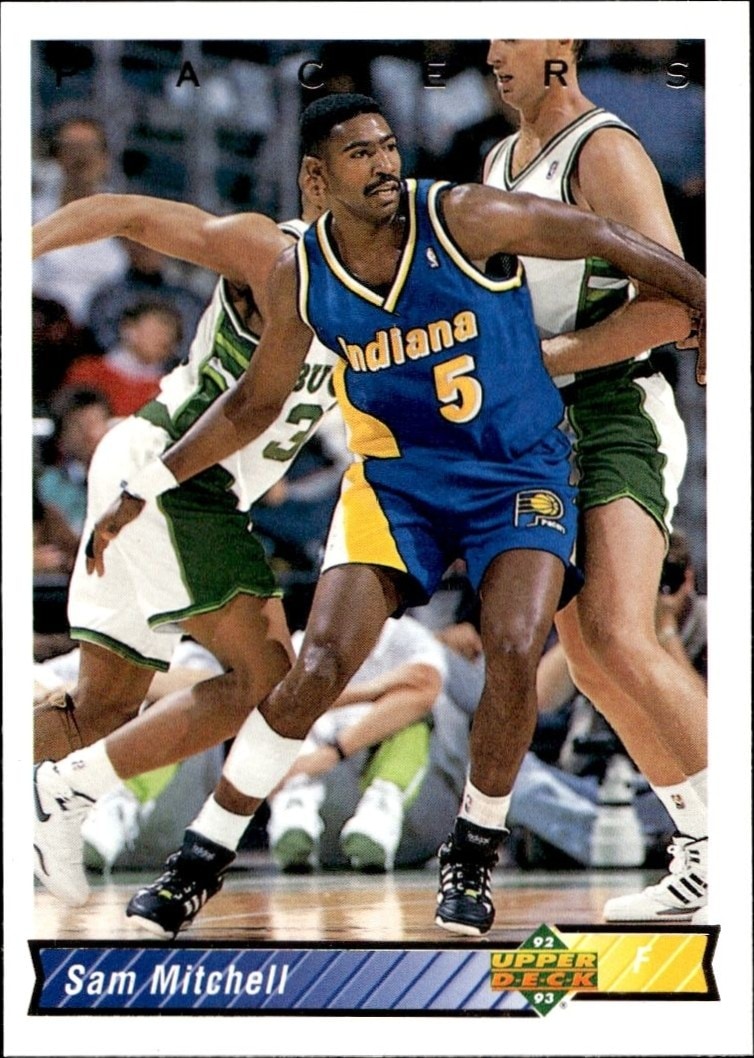
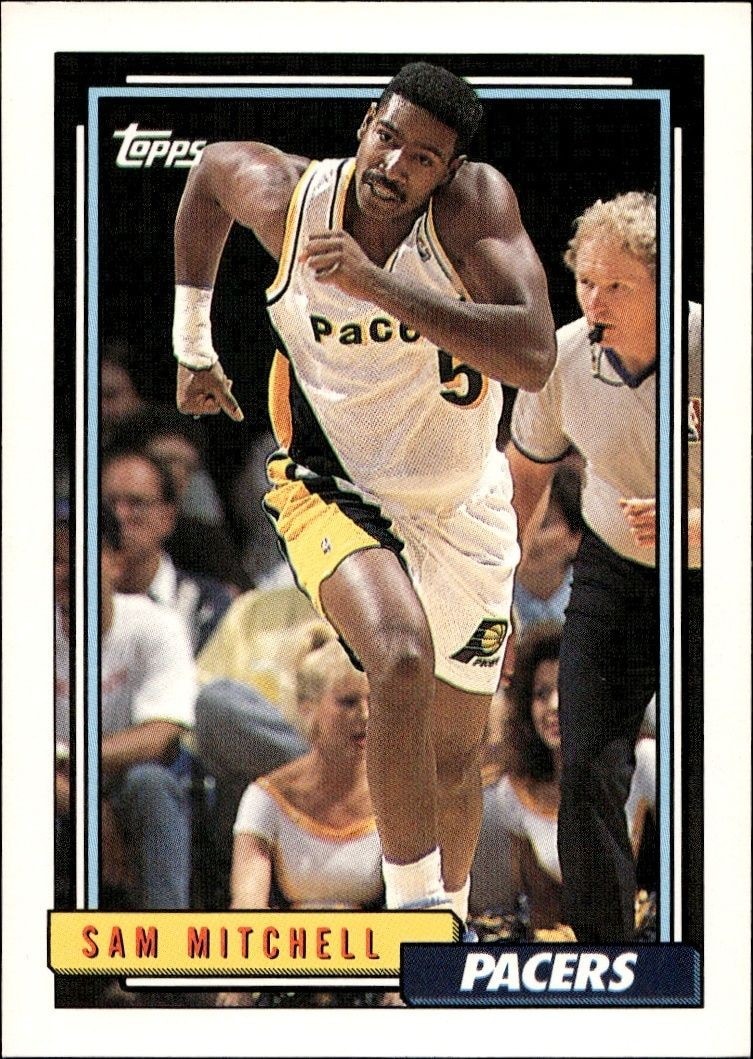
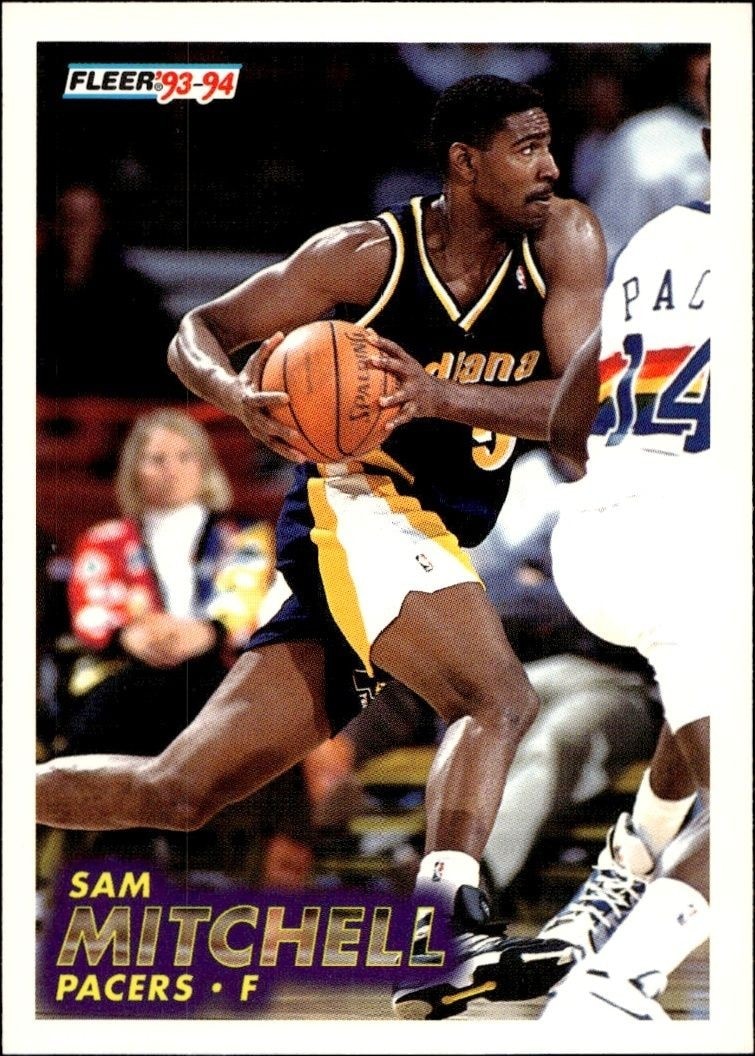
The 1993-94 Skybox NBA Hoops Series 1 #88 features Sam Mitchell of the Indiana Pacers. This vintage basketball card is a staple for collectors of the era.
1993-94 • Skybox • NBA Hoops Series 1
National Basketball Association • Indiana Pacers
Near Mint
88
New
Shipping Calculated at Checkout
Arrives in 5-7 daysEstimated delivery October 23, 2026 - October 25, 2026
Seller returns October 19, 2026.30-day Returns| Condition | Value | Source | Trend | Price Details |
|---|---|---|---|---|
$0.30As of 10/1/2026 | Guide Estimate | |||
Raw / Ungraded
PriceCharting Price Guide · Guide Estimate evidence · captured Oct 1, 2026
History is building. At least two days of matching observations are needed to show a trend.
Each point is the last stored observation that day for this printing, condition, grader, autograph status and source. Gaps mean no observation; guide estimates and asking prices are not completed sales.The 1993-94 Skybox NBA Hoops Series 1 #88 features Sam Mitchell during his tenure with the Indiana Pacers. Released during a pivotal time for basketball trading cards, this product represents the distinct visual identity that Skybox brought to the sport in the mid-1990s. Collectors often seek out cards from this set to complete their vintage basketball collections or to build a focused portfolio of Pacers history. Sam Mitchell's appearance on card number 88 provides a tangible connection to the roster of the 1993-94 NBA season. For enthusiasts of the Indiana Pacers, this card serves as a documented piece of the team's lineage during that specific campaign. The card's design and production values reflect the manufacturing standards of Skybox at the time, making it a recognizable item for those who appreciate the evolution of sports card aesthetics. Whether you are looking to fill a gap in a 1993-94 Skybox NBA Hoops Series 1 checklist or simply appreciate the heritage of the Indiana Pacers, this card offers significant collector appeal. The intersection of a specific player, team, and set makes it a valuable component for serious hobbyists. As you explore your options, consider how this piece fits into your broader strategy for collecting vintage basketball memorabilia. The enduring popularity of the Skybox brand ensures that cards like this remain relevant and sought after by new and seasoned collectors alike.
1 day ago
We'll pre-fill the product details from this catalog entry, so your listing lands on this exact page. Just add photos of your copy, pick its condition, and set your price.
The catalog profile below summarizes the card identity, featured subject, and notable collectible traits.
The core identity of the card within the set.
The subject, team, league, and sport context tied to this card.
Production details and format-specific attributes.
Material
Card Stock
Language
English
Compare prices, grades, photos, and shipping from approved sellers.
New
Near Mint
See how many public collections currently include this card.
0 collectors have this card
Sam Mitchell’s 1993-94 Skybox NBA Hoops base card sits at the very bottom of the value hierarchy, reflecting his role as a rotation player rather than a franchise cornerstone. While the card is accessible and abundant, it does not command any significant premium over other base issues from this era, trading in line with the general market for common player cards from the mid-90s. Its value is driven primarily by low entry costs for completists rather than speculative demand for the athlete himself.
This item is a standard base card within the NBA Hoops Series 1 set, meaning it lacks the scarcity mechanisms of parallels, short prints, or serial-numbered inserts that typically drive rarity. As a common card, it was produced in the highest volume relative to its peers in the set, resulting in a substantial supply that prevents it from achieving exclusive status among collectors. The absence of any special foil, holographic, or limited edition attributes keeps it firmly in the common tier.
Given the lack of rookie card status or special manufacturing features, this card offers minimal upside for investment-focused collectors. The primary demand driver is likely for individuals completing base set collections rather than those seeking appreciating assets. Collectors should view this as a low-cost acquisition for set-building purposes rather than a vehicle for significant financial growth.