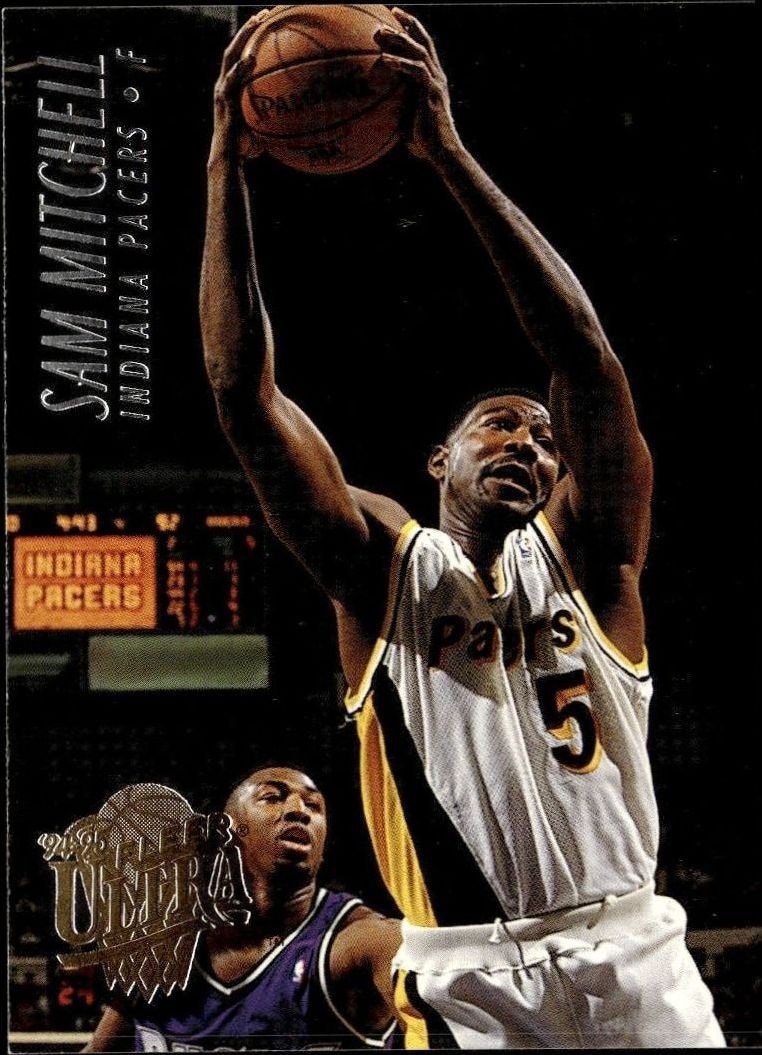

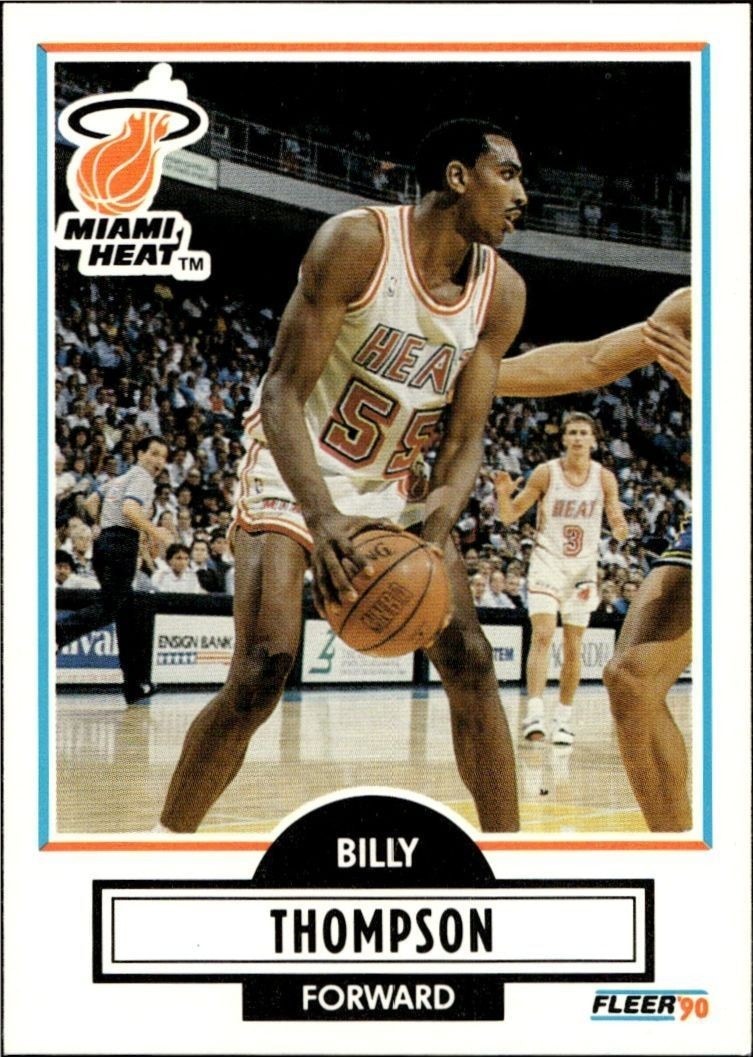


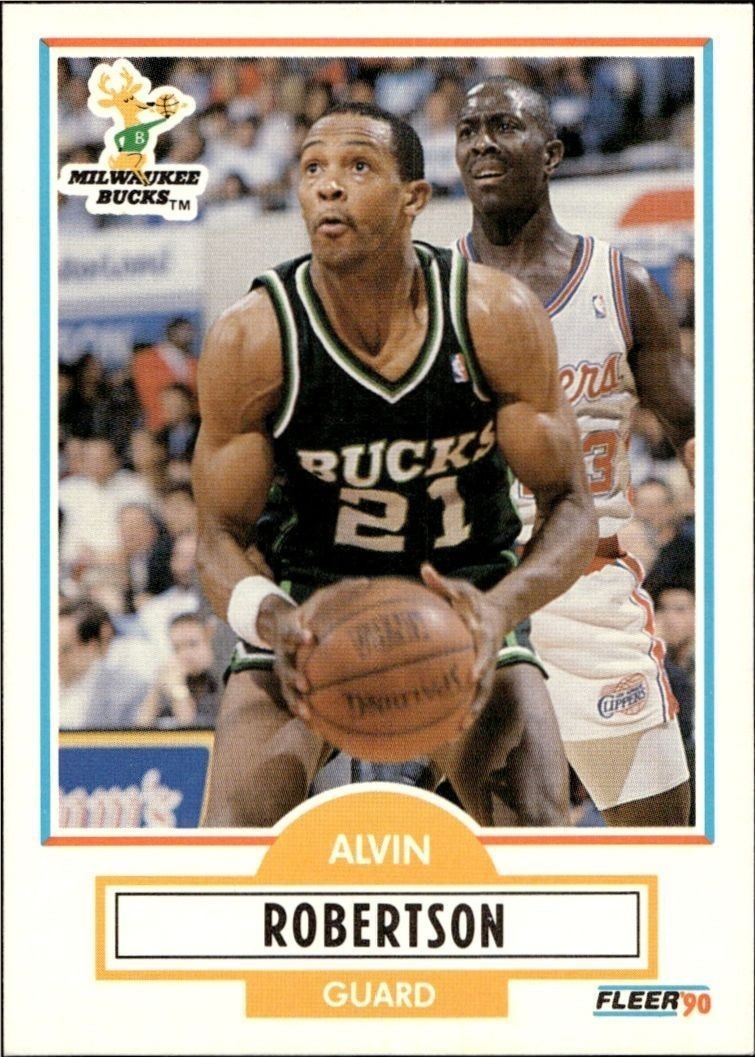


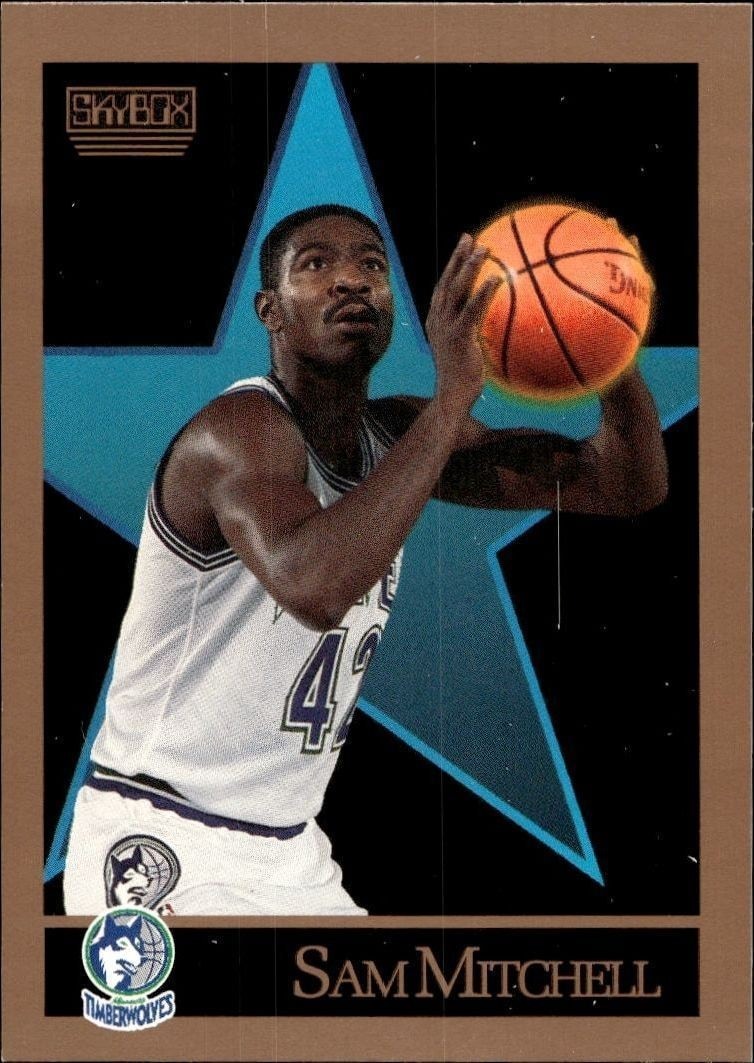
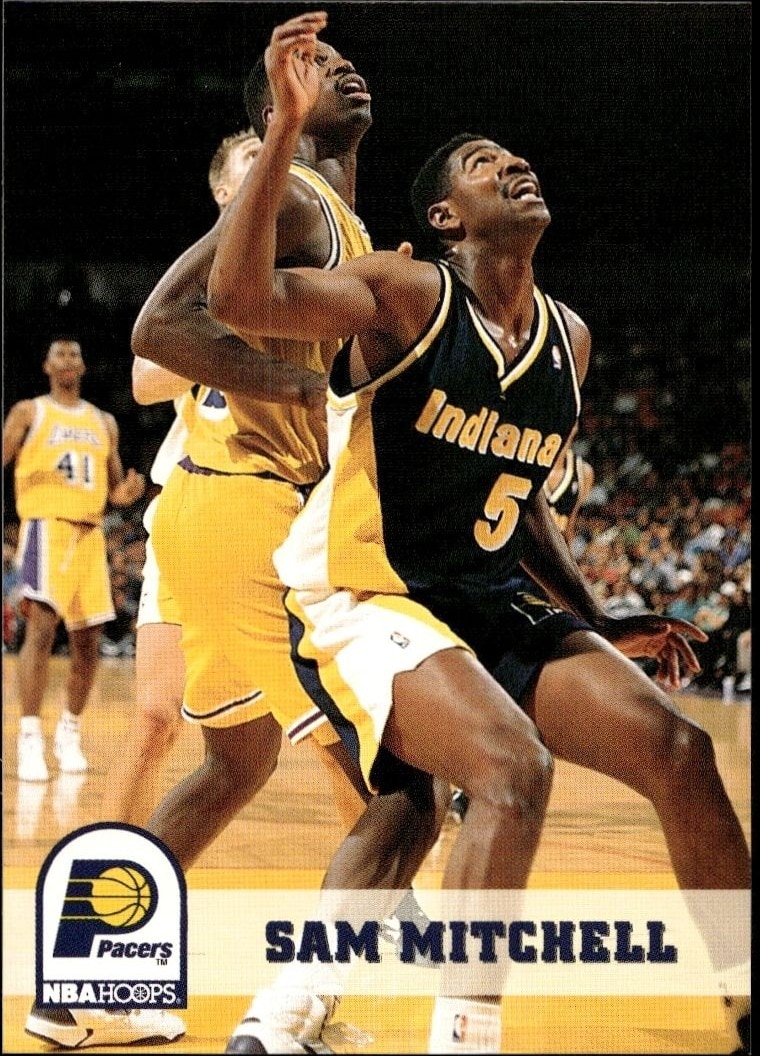
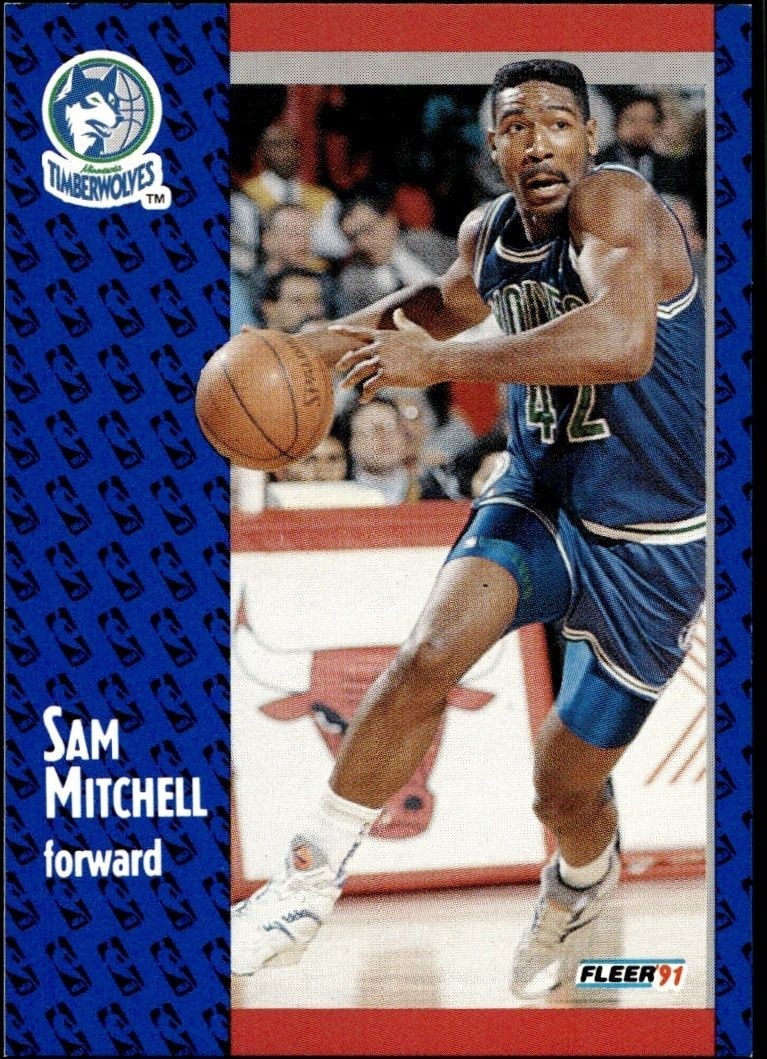
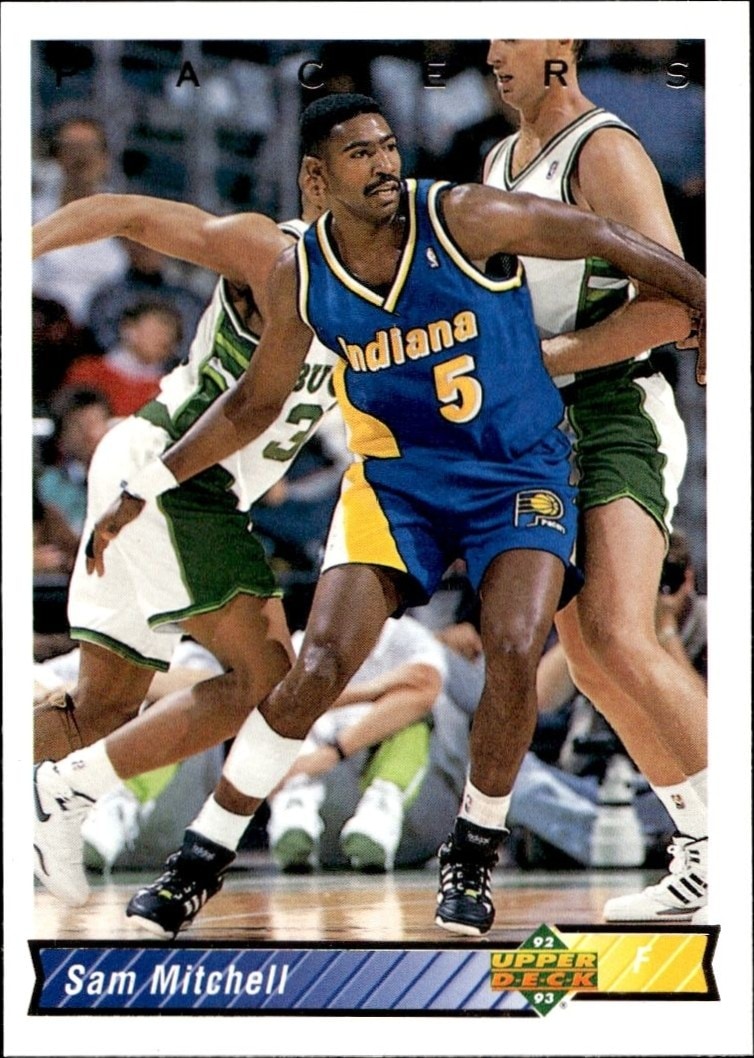
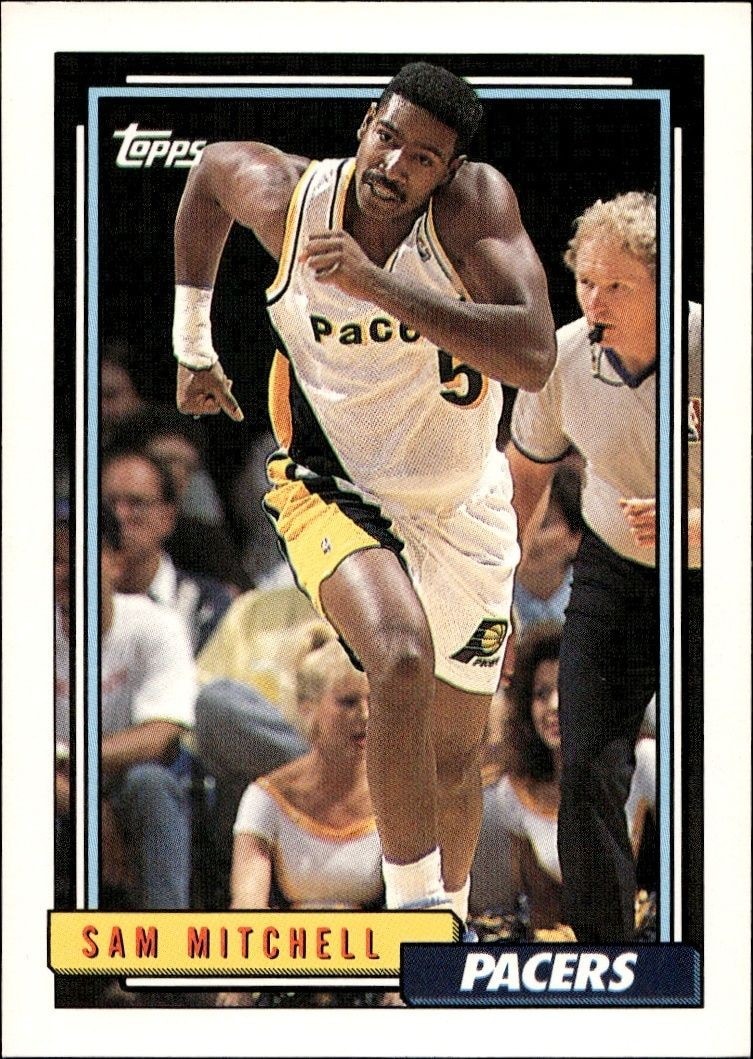
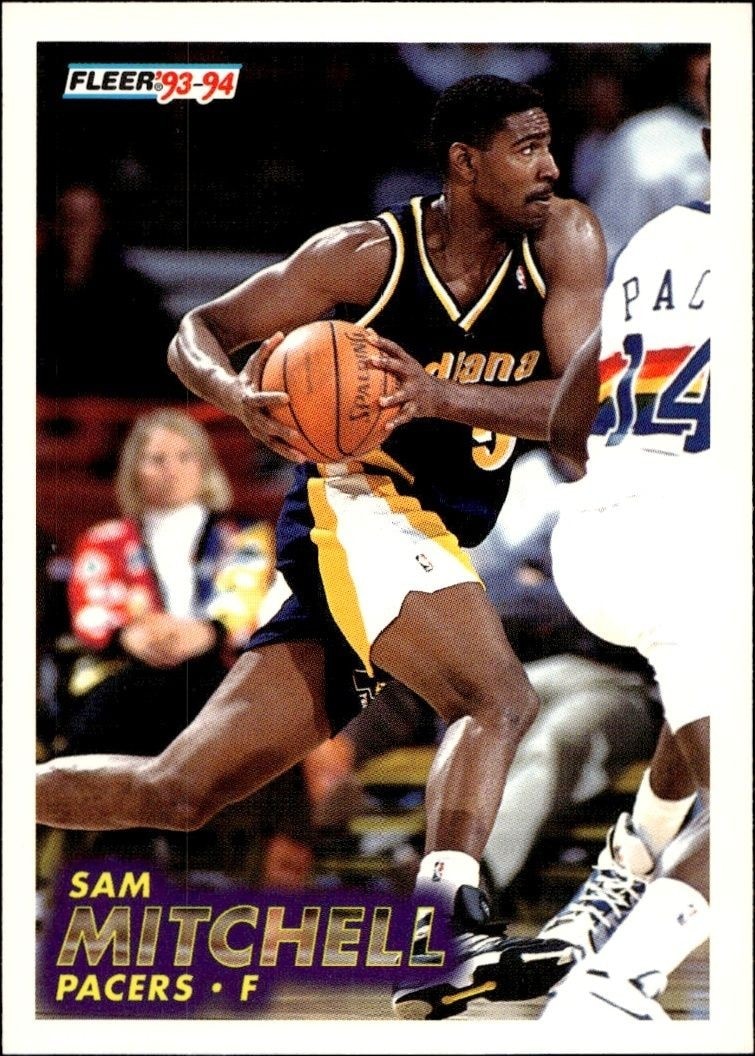
The 1990-91 Fleer #114 sports trading card featuring Sam Mitchell of the Minnesota Timberwolves. A key piece of 1990s basketball history for NBA collectors.
1990-91 • Fleer
National Basketball Association • Minnesota Timberwolves
Near Mint
114
New
Shipping Calculated at Checkout
Arrives in 5-7 daysEstimated delivery October 23, 2026 - October 25, 2026
Seller returns October 19, 2026.30-day Returns| Condition | Value | Source | Trend | Price Details |
|---|---|---|---|---|
$1.00 | Guide Estimate | 0% | ||
$8.23 | Guide Estimate | -1.8% | ||
$10.95 | Guide Estimate | 0% | ||
$32.13 | Guide Estimate | -1.7% | ||
$45.00 | Guide Estimate | 0% | ||
$21.00 | Guide Estimate | 0% | ||
$34.99 | Guide Estimate | 0% | ||
$21.00 | Guide Estimate | 0% | ||
Raw / Ungraded
PriceCharting Price Guide · Guide Estimate evidence · captured Oct 8, 2026
The 1990-91 Fleer Sam Mitchell #114 basketball card stands as a definitive piece of early 1990s NBA memorabilia. Released by Fleer during a transformative era for the Minnesota Timberwolves, this card captures Sam Mitchell in his second season with the franchise. As the Timberwolves established themselves in the league, cards from this release became essential for collectors tracking the team's history and player development during those formative years. This approach made the cards highly accessible and popular among casual fans and serious collectors alike. The #114 designation places Sam Mitchell within the base set, offering a straightforward yet valuable addition to any collection focused on the Minnesota Timberwolves or the broader NBA landscape of the early 90s. For investors and hobbyists, cards from this Fleer release hold significant nostalgic value. The early 1990s marked a period of growth for basketball popularity, and Fleer was a primary publisher during this expansion. Collecting cards from this era often involves seeking out complete sets or focusing on key players from notable teams. The 1990-91 Fleer Sam Mitchell #114 basketball card represents a tangible connection to that vibrant period in sports history. Its enduring appeal lies in its simplicity and its role as a historical record of a player who contributed significantly to the Timberwolves' early identity. Whether you are building a team-specific collection or exploring the breadth of NBA trading card history, this card offers a solid foundation for understanding the era's collecting culture. It remains a sought-after item for those who appreciate the classic aesthetics and historical significance of 1990s basketball trading cards.
18 hours ago
We'll pre-fill the product details from this catalog entry, so your listing lands on this exact page. Just add photos of your copy, pick its condition, and set your price.
The catalog profile below summarizes the card identity, featured subject, and notable collectible traits.
The subject, team, league, and sport context tied to this card.
Production details and format-specific attributes.
Material
Card Stock
Language
English
Compare prices, grades, photos, and shipping from approved sellers.
New
Near Mint
See how many public collections currently include this card.
0 collectors have this card
This card sits at the lower end of the price spectrum, reflecting the typical market tier for a role player from the early expansion era of the Minnesota Timberwolves. Its value is anchored by its status as a standard base card from a foundational Fleer set, lacking the premium drivers associated with star players or rare parallels. The current pricing suggests it trades in a volume-oriented segment where accessibility outweighs scarcity.
The item is identified as a standard base card with no special attributes such as serial numbering, short-print designation, or parallel treatment noted. This indicates it was produced in the highest volume within the 1990-91 Fleer set, meaning supply is abundant relative to the collector base. Without unique scarcity mechanics, the card relies entirely on its base set inclusion for its physical distinctiveness.
As a non-rookie card for a player who was part of the Timberwolves' inaugural roster, the investment potential is limited by the lack of rookie-card premium mechanics. Collector demand is likely driven by nostalgia for the franchise's early history rather than significant on-court accolades. The market position suggests stability for entry-level collecting rather than appreciating asset growth.