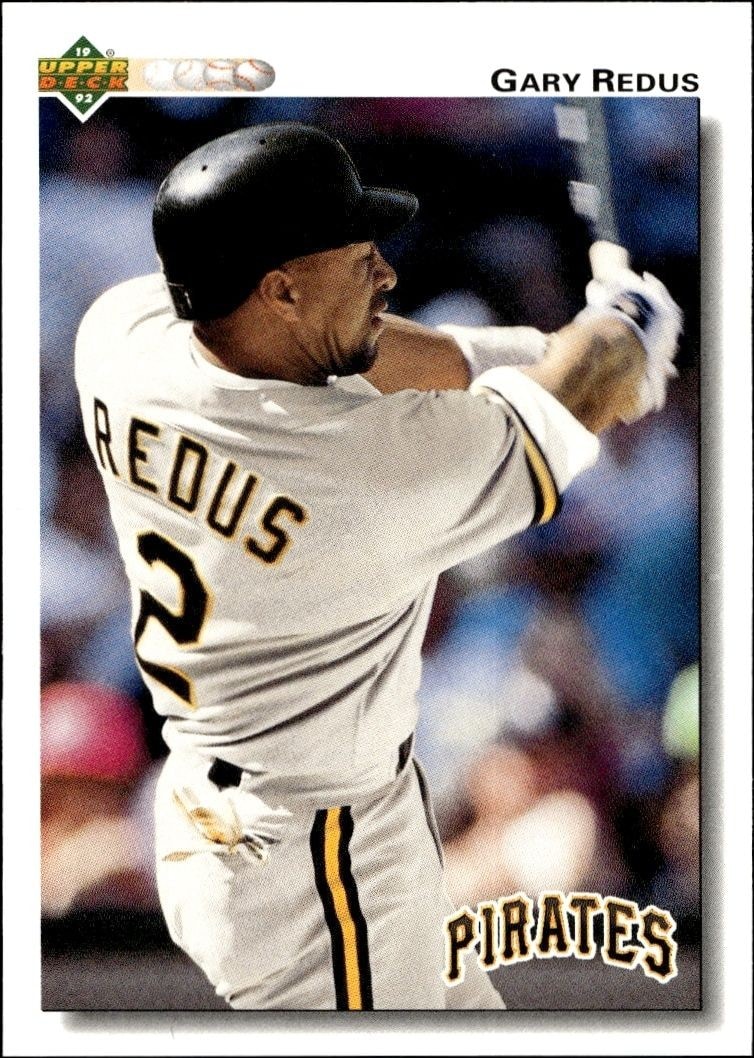




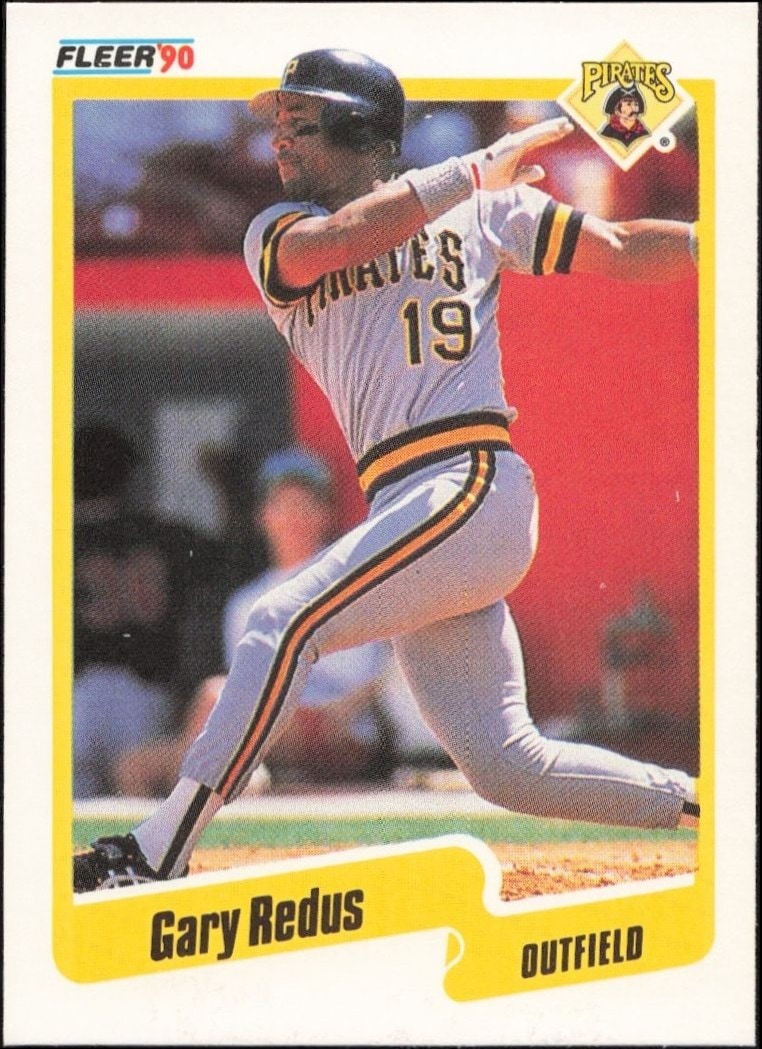

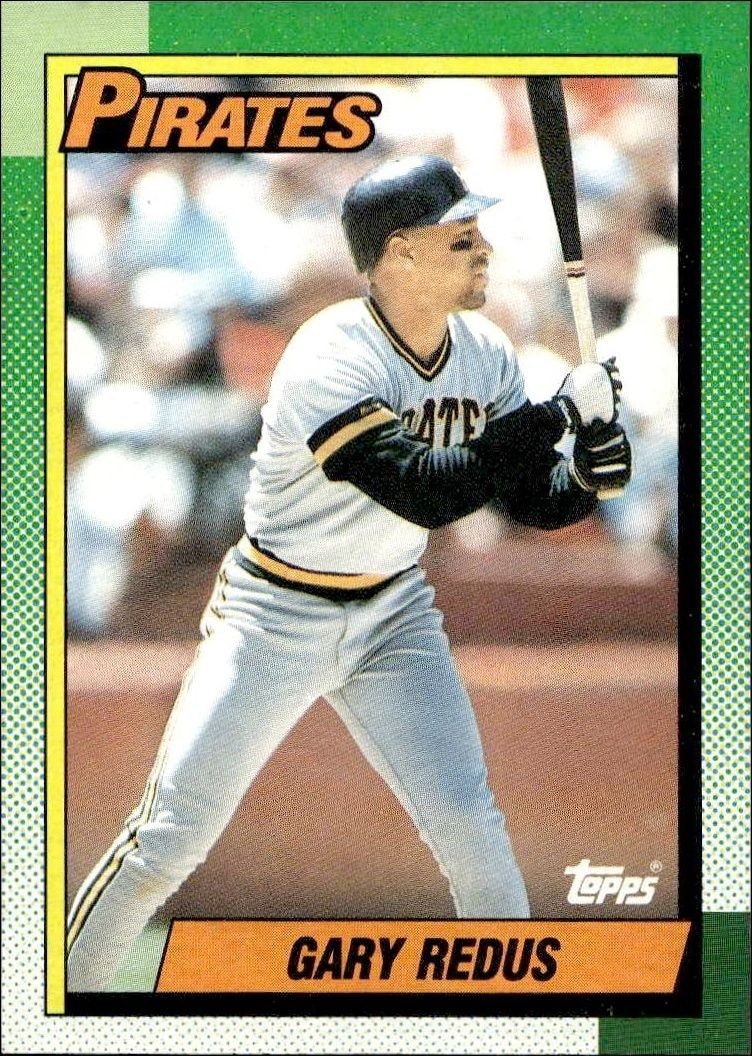
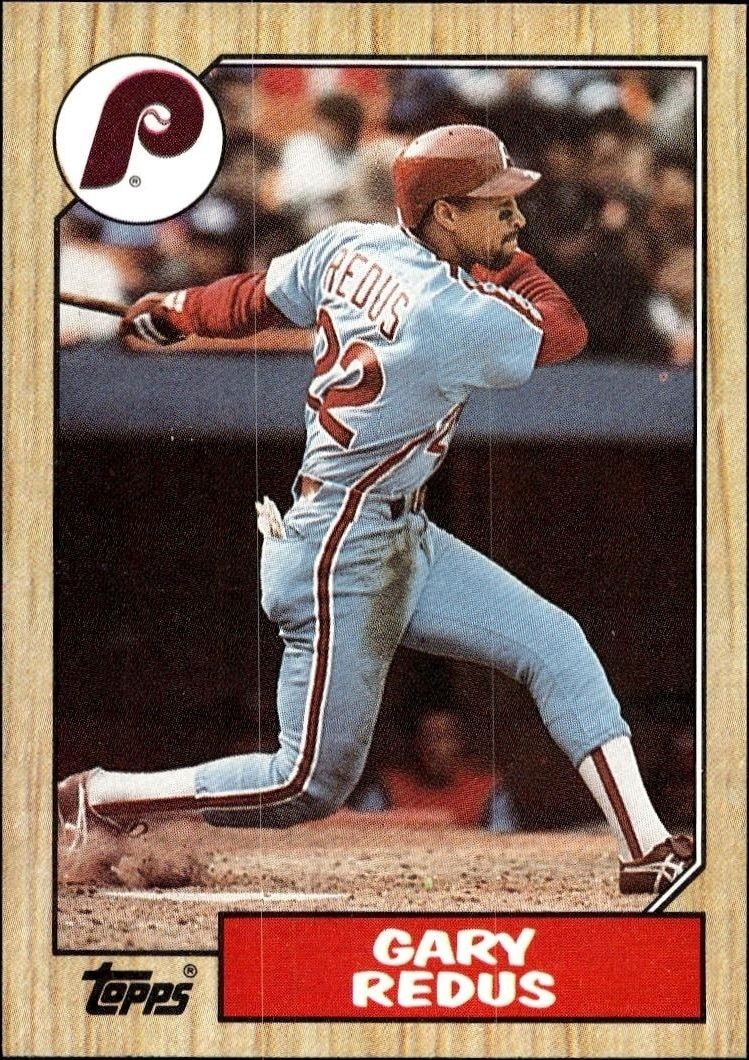
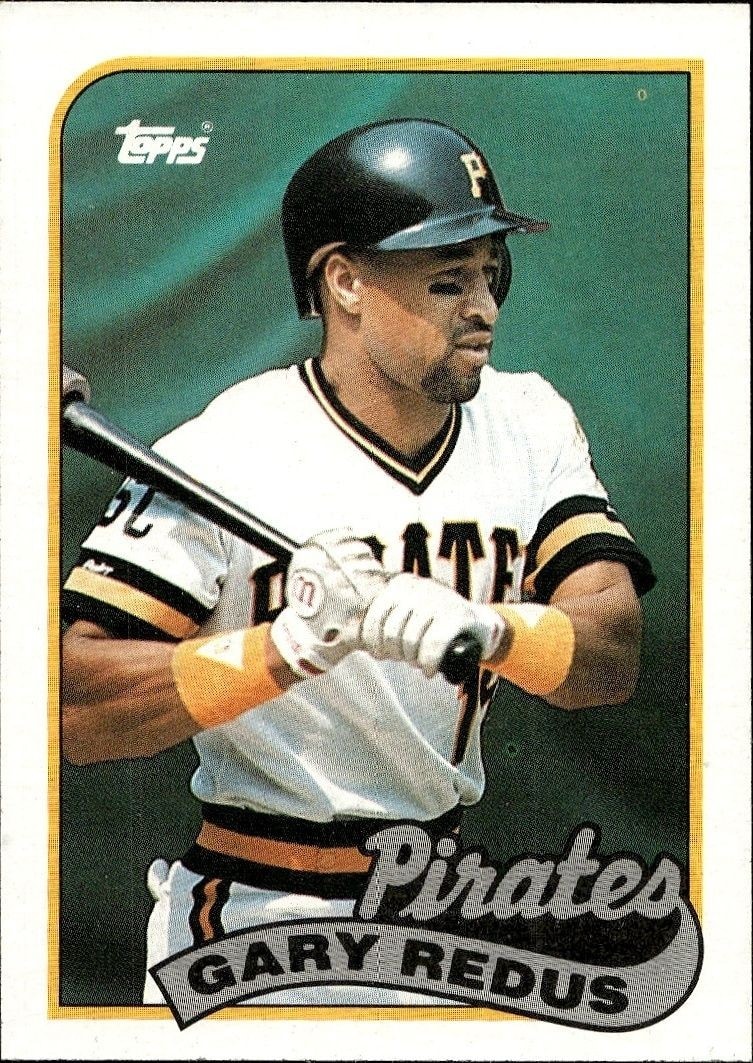

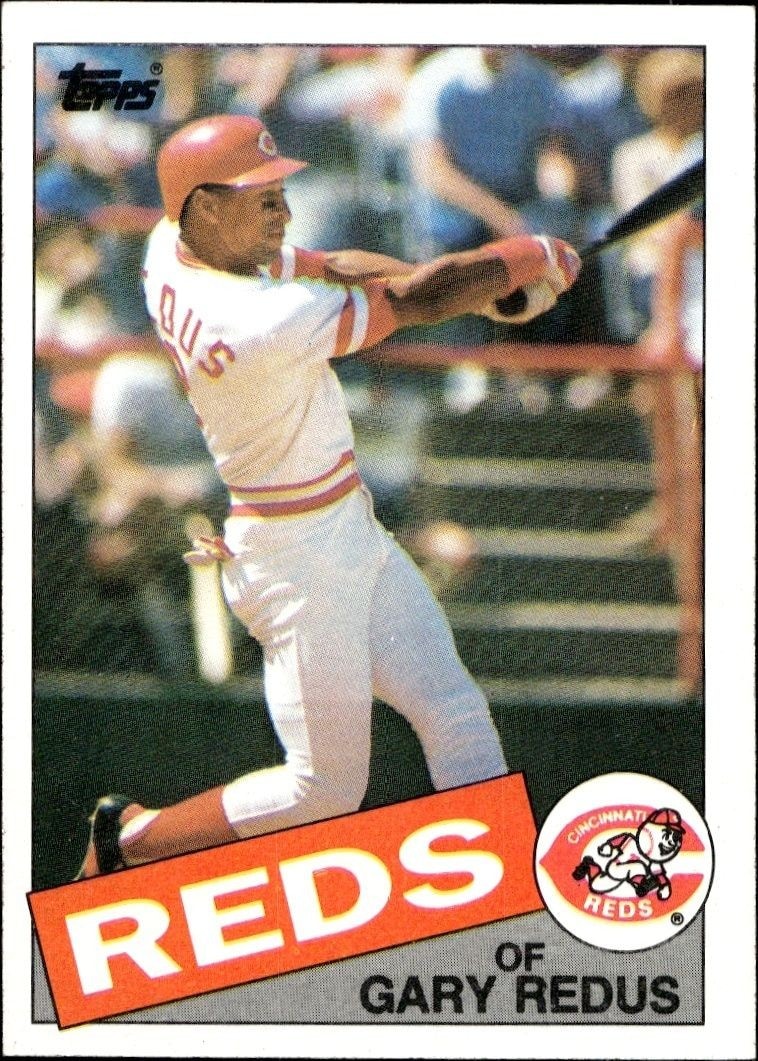

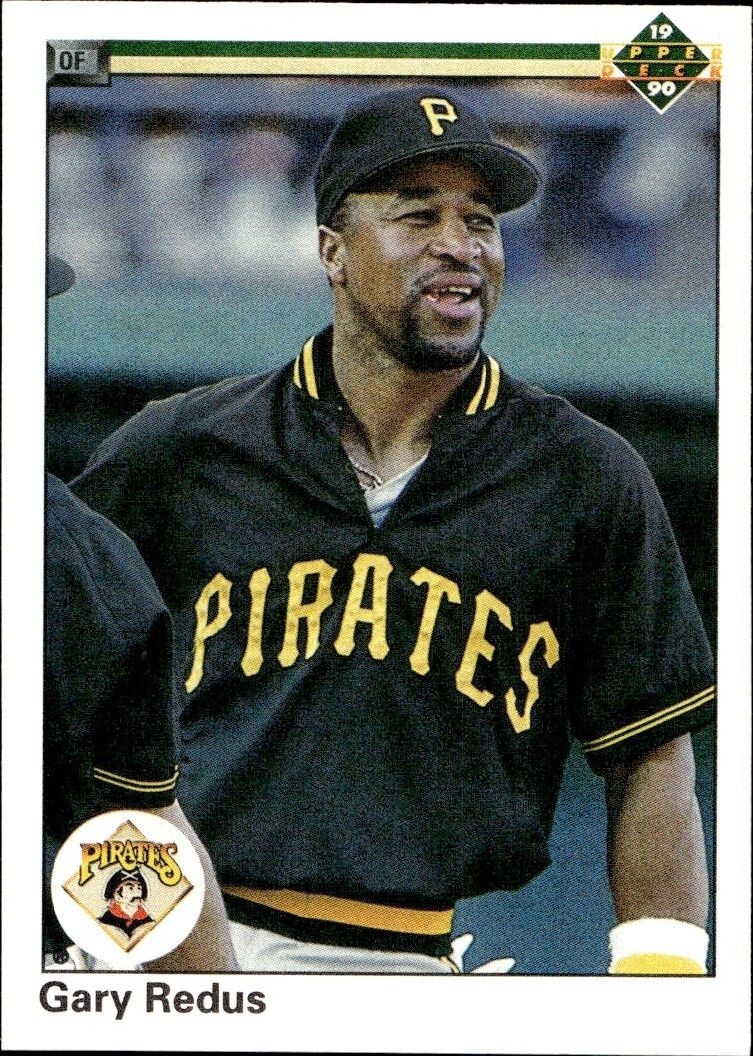
The 1994 Topps Gary Redus #108 baseball card captures a snapshot of the Texas Rangers player from the mid-90s era of sports card collecting.
1994 • Topps
Major League Baseball • Texas Rangers
Near Mint
108
New
Shipping Calculated at Checkout
Arrives in 4-6 daysEstimated delivery October 30, 2026 - November 1, 2026
30-day Returns| Condition | Value | Source | Trend | Price Details |
|---|---|---|---|---|
$1.37 | Guide Estimate | -0.7% | ||
$8.50 | Guide Estimate | 0% | ||
$9.00 | Guide Estimate | 0% | ||
Raw / Ungraded
PriceCharting Price Guide · Guide Estimate evidence · captured Oct 22, 2026
The 1994 Topps Gary Redus #108 baseball card stands as a definitive piece of mid-90s sports memorabilia, representing a time when Topps dominated the trading card market. This card, numbered 108 in the base set, features Gary Redus during his tenure with the Texas Rangers, offering collectors a tangible link to that specific season. The design reflects the iconic aesthetic of the 1994 Topps release, characterized by its clean layout and straightforward presentation of the player's image and statistics. For enthusiasts of vintage baseball cards, this product serves as an essential component for those looking to complete the 1994 Topps base set. The card's straightforward design allows the focus to remain on Gary Redus and his role as a Texas Ranger, making it a recognizable item for fans of the team or the player. As a standard issue from one of the most recognizable brands in the hobby, it holds a steady place in collections focused on 1990s baseball. Collecting 1994 Topps cards often appeals to those who appreciate the history of the sport and the evolution of card design. The 1994 Topps Gary Redus #108 baseball card provides a reliable entry point into this era, offering a clear and classic representation of the player and team. Whether building a comprehensive set of 1994 Topps cards or seeking a specific player card from the Texas Rangers roster, this card is a relevant addition to any serious collection. Its status as a base card from a major manufacturer ensures it remains a standard reference point for 1990s baseball card enthusiasts.
5 days ago
We'll pre-fill the product details from this catalog entry, so your listing lands on this exact page. Just add photos of your copy, pick its condition, and set your price.
The catalog profile below summarizes the card identity, featured subject, and notable collectible traits.
The subject, team, league, and sport context tied to this card.
Production details and format-specific attributes.
Material
Card Stock
Language
English
Compare prices, grades, photos, and shipping from approved sellers.
New
Near Mint
See how many public collections currently include this card.
0 collectors have this card
This 1994 Topps card of Gary Redus sits at the entry-level tier of the market, reflecting its status as a common base card rather than a premium insert or parallel. While the current active listings are minimal, the pricing indicates a lack of significant collector demand compared to his more notable rookie cards from the late 1970s. Condition sensitivity is likely low for this specific issue, as it is a widely distributed mass-market product from the mid-90s.
The card possesses no special scarcity attributes, such as serial numbering, short-print designations, or unique parallels, meaning it was produced in high volumes typical of standard base sets. Consequently, the supply is effectively unlimited relative to collector interest, as there are no mechanical constraints limiting its availability. This lack of differentiation makes it indistinguishable from thousands of identical copies in circulation.
As a non-rookie card from a standard set, this item lacks the primary demand drivers that typically fuel value appreciation in baseball collecting. Collectors generally focus on rookie cards or high-grade variations for investment purposes, leaving common base cards from the 1990s with limited upside potential. The market positioning suggests this card serves better as a filler for a complete set rather than a standalone asset.