



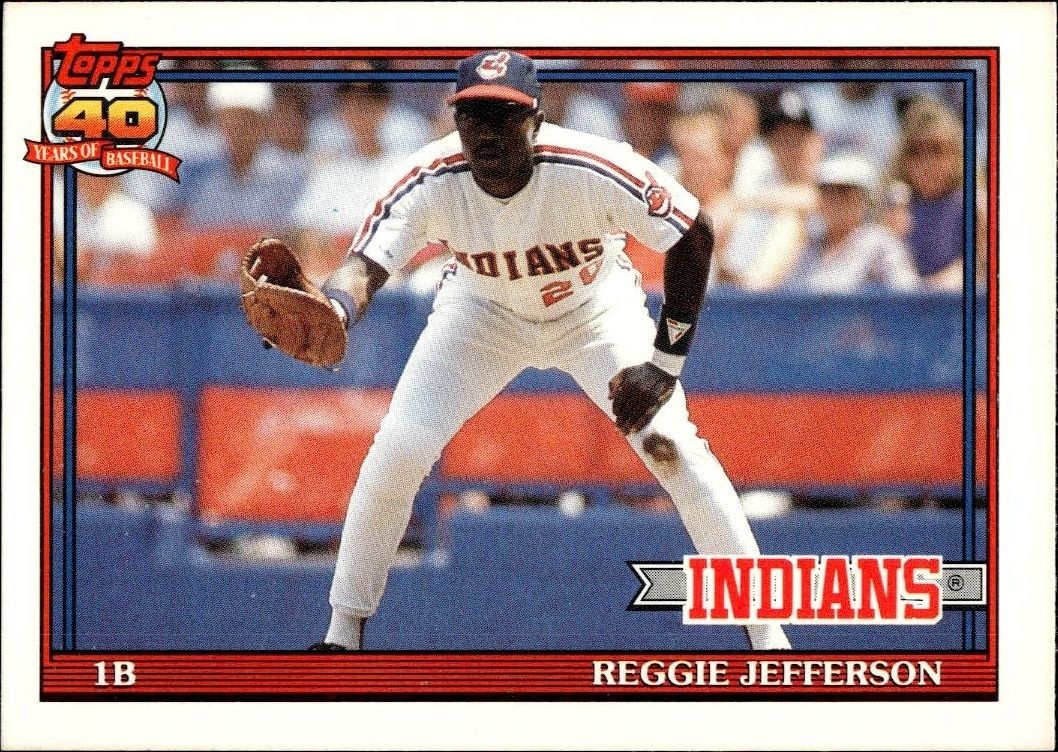

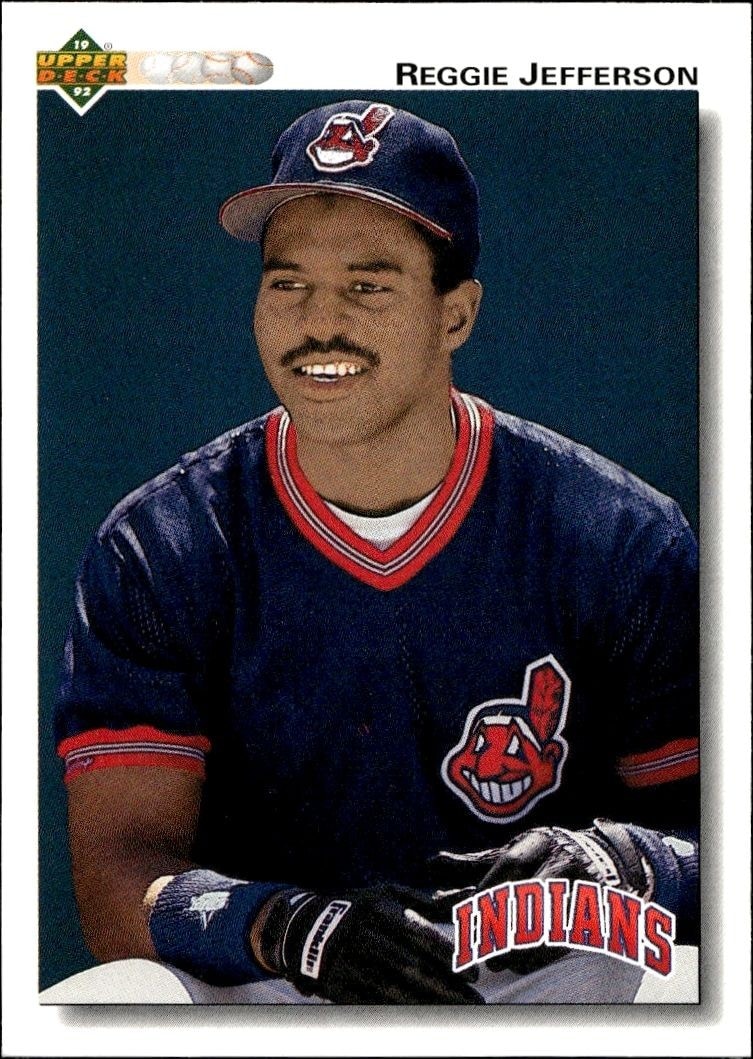
This 1994 Topps Reggie Jefferson #121 Gold parallel offers a premium finish on a classic Cleveland Indians baseball card, appealing to collectors of high-end variations.
1994 • Topps • Gold
Major League Baseball • Cleveland Indians
Near Mint
121
New
Shipping Calculated at Checkout
Arrives in 5-7 daysEstimated delivery November 12, 2026 - November 14, 2026
30-day Returns| Condition | Value | Source | Trend | Price Details |
|---|---|---|---|---|
$1.30 | Asking Prices | 0% | ||
Raw / Ungraded
eBay Active Listings · Asking Prices evidence · captured Nov 6, 2026
The 1994 Topps Reggie Jefferson #121 Gold parallel represents a distinct variation within the iconic Topps baseball card lineup. This card features Reggie Jefferson, who played for the Cleveland Indians, presented in a Gold foil treatment that elevates it beyond the standard base set. Released in 1994, this product captures the design aesthetics of mid-90s sports card manufacturing, where foil variations became increasingly popular among hobbyists seeking to complete specialized subsets or add visual flair to their collections. For collectors focusing on Cleveland Indians history or the broader 1994 Topps set, this Gold variant provides a unique collecting avenue. The Gold parallel is not just a color change; it signifies a different production track within the Topps ecosystem, often sought after by those who appreciate the tactile and visual differences of foil finishes. Whether you are building a comprehensive set of Jefferson cards or curating a collection of premium Topps parallels, this card serves as a noteworthy component. The enduring appeal of 1994 Topps cards lies in their nostalgic value and the vibrant design language of the era. Collectors often hunt for these higher-parallel finishes to distinguish their holdings from the more common base cards. The Gold variation adds a layer of prestige to the standard card layout, making it a desirable item for display or investment in vintage sports memorabilia. Exploring the diverse world of baseball trading cards often leads enthusiasts to these specific parallel releases, which offer a tangible connection to the sport's past.
5 days ago
We'll pre-fill the product details from this catalog entry, so your listing lands on this exact page. Just add photos of your copy, pick its condition, and set your price.
The catalog profile below summarizes the card identity, featured subject, and notable collectible traits.
The core identity of the card within the set.
The subject, team, league, and sport context tied to this card.
Production details and format-specific attributes.
Material
Card Stock
Language
English
Compare prices, grades, photos, and shipping from approved sellers.
New
Near Mint
See how many public collections currently include this card.
0 collectors have this card
FAQ
The 1994 Topps Gold parallel features a distinct Gold foil treatment applied to the card, differentiating it from the standard base version.
Reggie Jefferson is featured on this card as a player for the Cleveland Indians. The 1994 Topps set includes his profile and statistics from that season, providing a snapshot of his career during his time with the team.
Yes, this card is part of the 1994 Topps baseball card set. It is identified by the card number 121 and is categorized as a Gold parallel within that specific year's release, offering collectors a distinct variation of the standard issue.
This 1994 Topps card of Reggie Jefferson represents a baseline entry-level asset within the vintage baseball market, currently trading at a modest value tier relative to his overall card set. As a player without prominent star status or Hall of Fame recognition, the card reflects standard market liquidity rather than premium pricing power. The current listing activity suggests a stable, albeit low-volume, interest level typical for non-featured players of this era.
The card possesses no special scarcity attributes, indicating it is a standard base set issue with no serial numbering, short-print designation, or parallel variations. Consequently, the supply is determined solely by the original print run of the 1994 Topps baseball set, which was mass-produced for the general public. This lack of limited-edition mechanics means the card relies entirely on condition and player demand for any perceived rarity.
Given the absence of rookie-card status or unique parallel attributes, the investment potential is limited to long-term vintage nostalgia rather than appreciating scarcity. Collector demand is primarily driven by Cleveland Indians team sets or general 1990s baseball collection completeness rather than individual player significance. Investors should view this as a low-risk, low-reward component for completing base set collections rather than a standalone speculative asset.
