





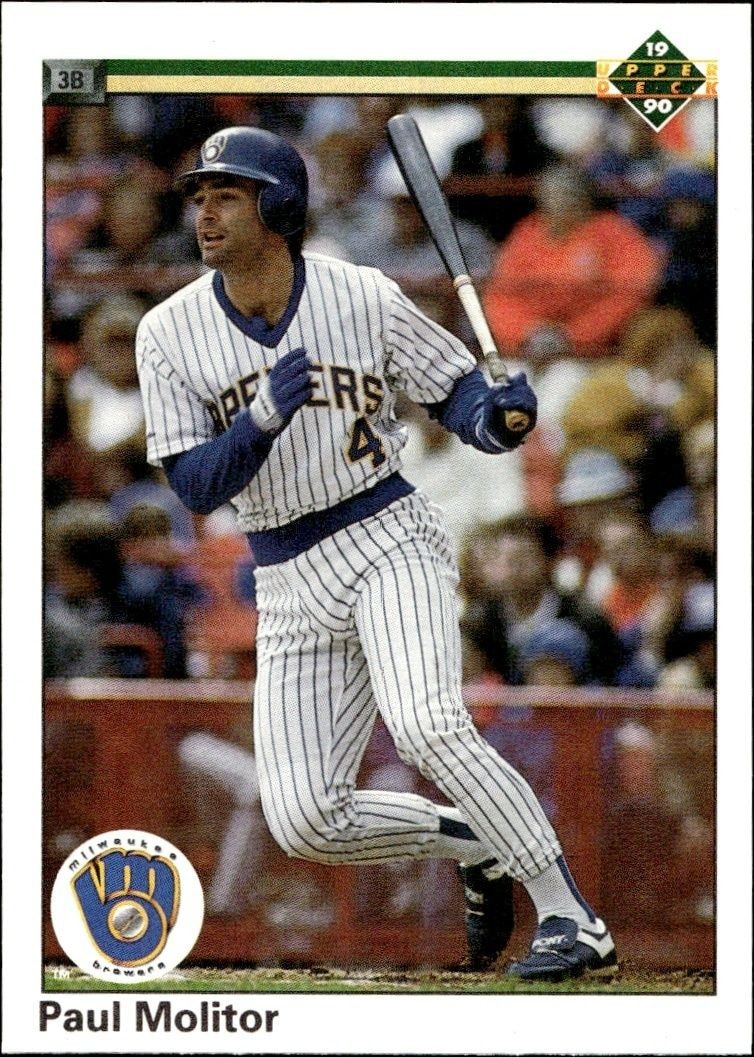
The 1996 Topps Paul Molitor #30 baseball card captures the Toronto Blue Jays legend during a pivotal era in MLB history.
1996 • Topps
Major League Baseball • Toronto Blue Jays
Near Mint
30
New
Shipping Calculated at Checkout
Arrives in 4-6 daysEstimated delivery October 26, 2026 - October 28, 2026
30-day Returns| Condition | Value | Source | Trend | Price Details |
|---|---|---|---|---|
$1.21 | Guide Estimate | +21% | ||
$1.35 | Completed Sales | +36.4% | ||
$7.81 | Guide Estimate | +2.9% | ||
$11.99 | Guide Estimate | 0% | ||
$26.00 | Guide Estimate | 0% | ||
$35.00 | Guide Estimate | 0% | ||
$16.00 | Guide Estimate | 0% | ||
$26.99 | Guide Estimate | 0% | ||
$16.00 | Guide Estimate | 0% | ||
Raw / Ungraded
PriceCharting Price Guide · Guide Estimate evidence · captured Oct 18, 2026
The 1996 Topps Paul Molitor #30 baseball card stands as a definitive entry in the iconic 1996 Topps set, representing one of Major League Baseball's most respected figures during his tenure with the Toronto Blue Jays. As a staple of 1990s sports card collecting, this release offers enthusiasts a tangible connection to the era's design aesthetics and the competitive landscape of MLB during that specific season. Paul Molitor’s presence on the Toronto Blue Jays roster adds significant historical weight to this card. Collectors who focus on team-specific sets or player milestones often seek out this card number to complete their collections. The 1996 Topps brand remains one of the most recognizable names in the hobby, known for its consistent layout and high-quality production values that have made its releases highly desirable for decades. This card features Molitor in his Blue Jays uniform, marking a specific chapter in his career that is distinct from his earlier stints with other franchises. For investors and hobbyists alike, the 1996 Topps Paul Molitor #30 card provides a stable and recognizable asset within the broader sports card market. The enduring popularity of the Topps brand ensures that this card remains a relevant item for those building portfolios of 90s baseball memorabilia. Whether you are a dedicated fan of the Toronto Blue Jays or a general collector of MLB history, adding this card to your collection connects you to a well-documented period in professional baseball. The card's straightforward presentation and clear identification of the player and team make it an accessible yet meaningful addition to any shelf.
1 day ago
We'll pre-fill the product details from this catalog entry, so your listing lands on this exact page. Just add photos of your copy, pick its condition, and set your price.
The catalog profile below summarizes the card identity, featured subject, and notable collectible traits.
The subject, team, league, and sport context tied to this card.
Production details and format-specific attributes.
Material
Card Stock
Language
English
Compare prices, grades, photos, and shipping from approved sellers.
New
Near Mint
See how many public collections currently include this card.
0 collectors have this card
This 1996 Topps Paul Molitor card trades at a modest price point, reflecting its status as a base set issue rather than a high-end collectible. While Molitor’s career significance is undeniable, the lack of special attributes prevents this specific card from commanding a significant premium over similar era releases. It represents an accessible entry point for collectors focusing on the Toronto Blue Jays era of his career.
The card carries no scarcity mechanics such as serial numbering, short printing, or parallel variants, placing it firmly in the base set category. This means supply is determined solely by the original print run of the 1996 Topps set, which was produced in high volumes. Consequently, the card lacks the artificial supply constraints that typically drive value appreciation in modern and late-90s baseball collecting.
As a non-rookie card from a standard base set, the investment potential is limited by the abundant availability of identical copies. Collector demand is likely driven by nostalgia for the 1990s rather than speculative growth, resulting in a stable but low-growth outlook. It serves better as a component for filling gaps in a broader career set rather than as a standalone investment asset.