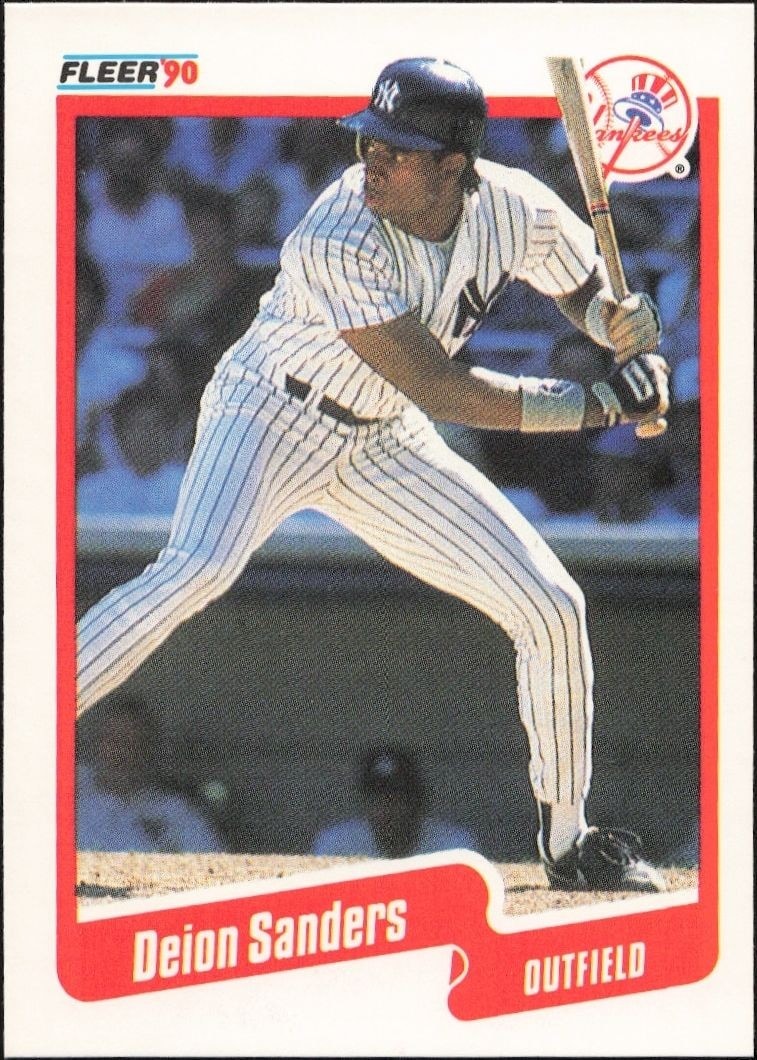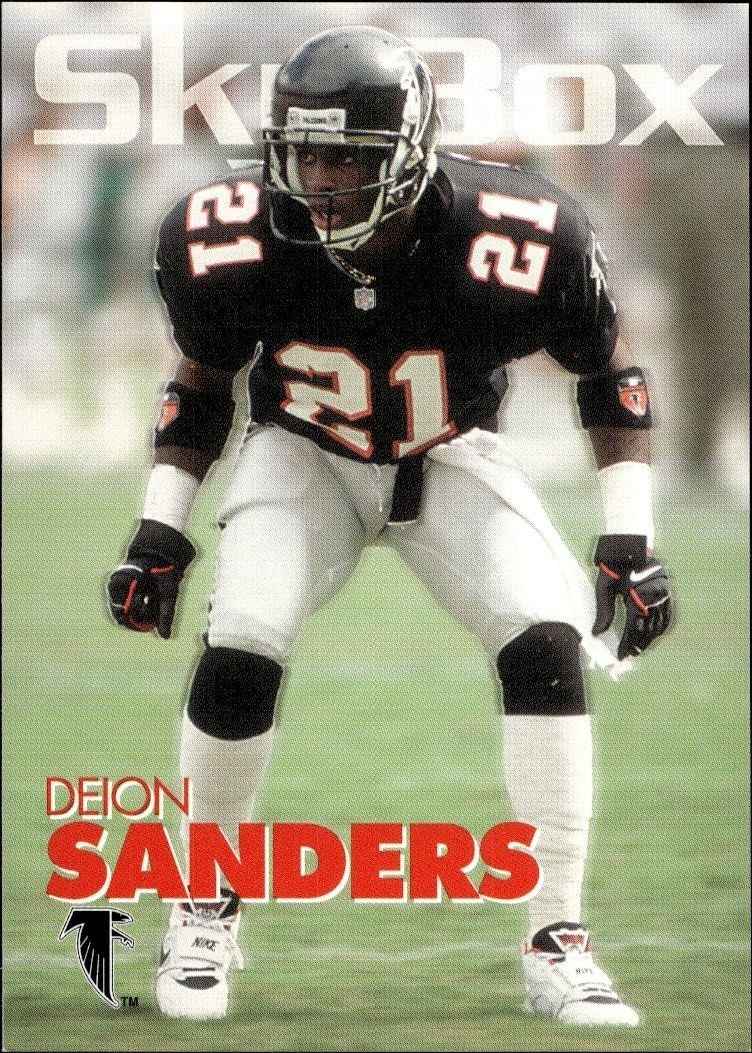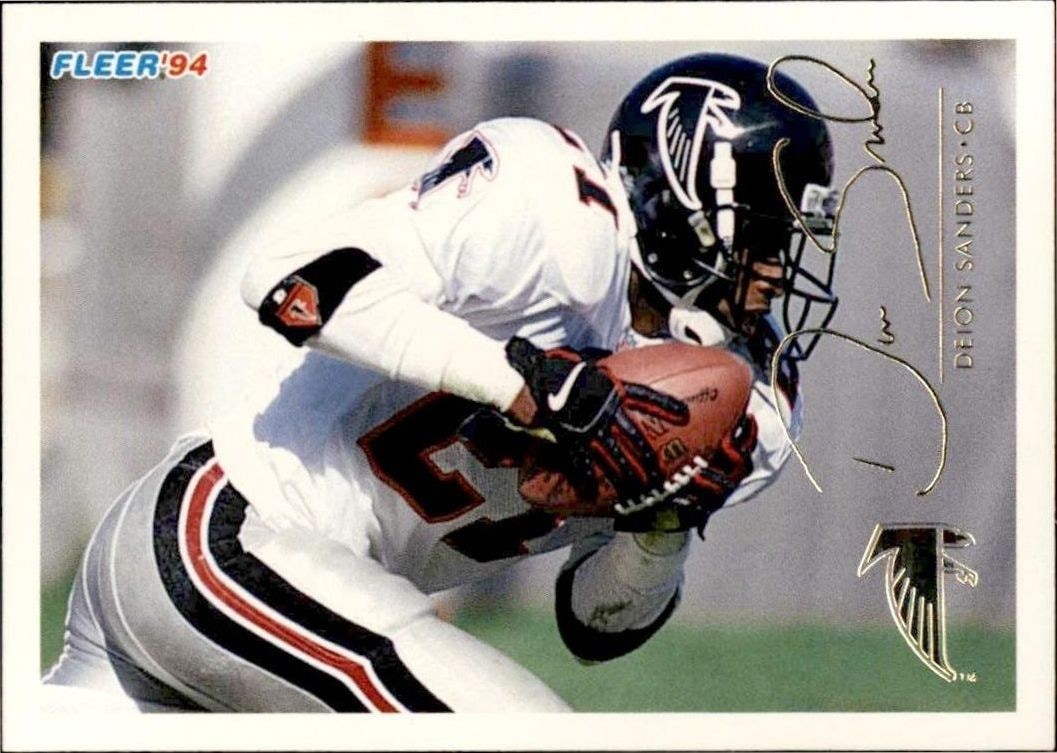





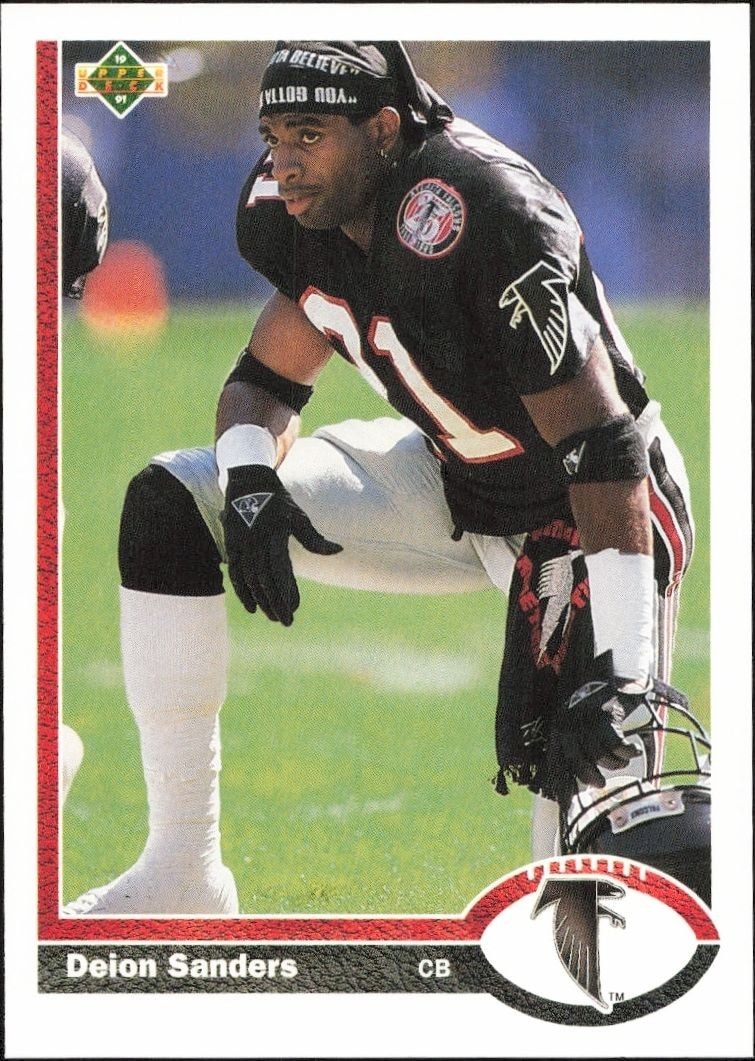


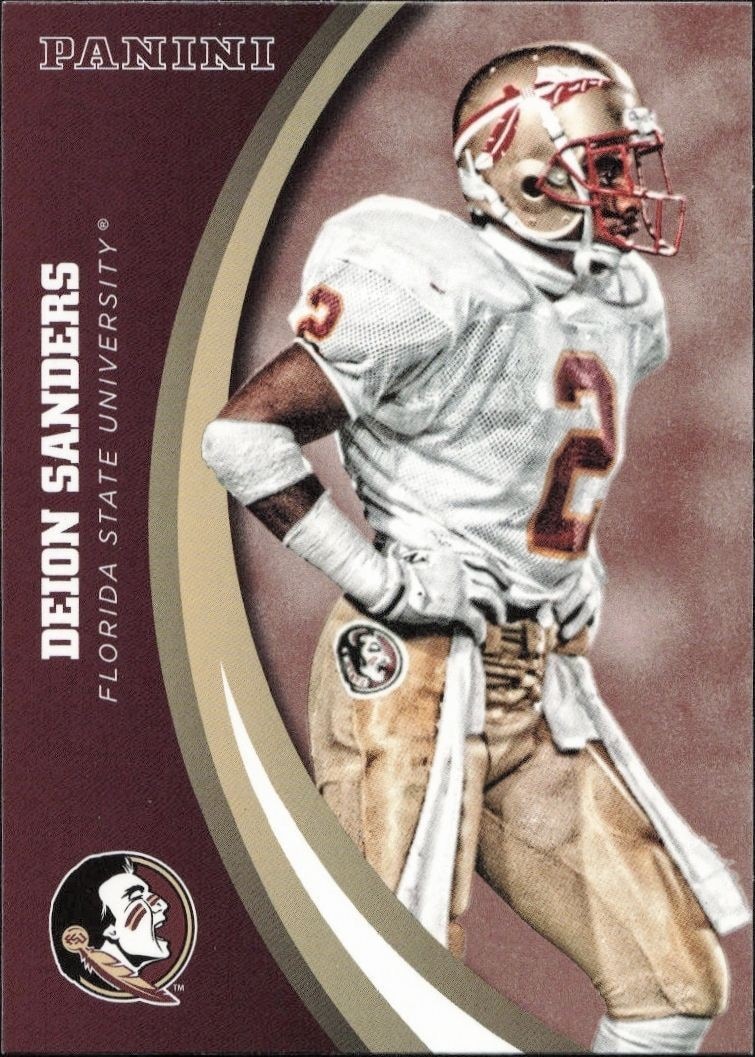

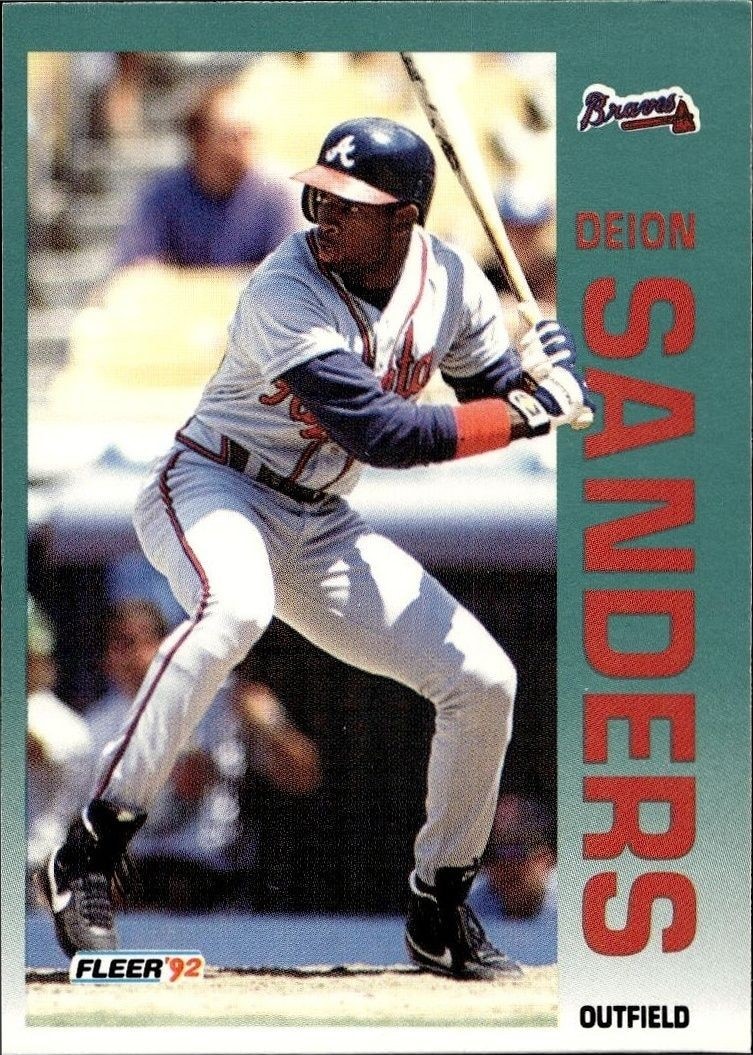
Explore the 1996 Topps Series 2 Deion Sanders baseball card, numbered 315, featuring the San Francisco Giants star.
1996 • Topps • Series 2
Major League Baseball • San Francisco Giants
Near Mint
315
New
Shipping Calculated at Checkout
Arrives in 4-6 daysEstimated delivery October 23, 2026 - October 25, 2026
Seller returns October 19, 2026.30-day Returns| Condition | Value | Source | Trend | Price Details |
|---|---|---|---|---|
$1.09 | Guide Estimate | |||
$40.00 | Guide Estimate | |||
$44.00 | Guide Estimate | |||
$48.00 | Guide Estimate | |||
$69.00 | Guide Estimate | |||
$32.00 | Guide Estimate | |||
$53.00 | Guide Estimate | |||
$32.00 | Guide Estimate | |||
Raw / Ungraded
PriceCharting Price Guide · Guide Estimate evidence · captured Oct 7, 2026
History is building. At least two days of matching observations are needed to show a trend.
Each point is the last stored observation that day for this printing, condition, grader, autograph status and source. Gaps mean no observation; guide estimates and asking prices are not completed sales.The 1996 Topps Series 2 Deion Sanders card, designated as number 315, captures a distinct moment in vintage baseball collecting. Released during a pivotal era for the sport, this issue is part of the broader 1996 Topps Series 2 set, which continues to attract attention from enthusiasts tracking key players from that specific year. For collectors focused on the San Francisco Giants, this card serves as a tangible link to the roster of that time, offering a straightforward yet memorable portrait of one of the game's most dynamic athletes. When building a collection around vintage sports cards, the 1996 Topps Series 2 Deion Sanders #315 stands out for its clear identification and historical placement. The card’s design reflects the aesthetic standards of mid-90s manufacturing, providing a clean and recognizable finish that appeals to both casual fans and serious investors in sports memorabilia. Its status as a non-serial numbered base card makes it an accessible entry point for those looking to acquire pieces from this Topps release. Whether you are completing a team set, focusing on a specific player's career trajectory, or simply appreciating the history of the San Francisco Giants, this card offers substantial value. The enduring appeal of 1996 Topps Series 2 ensures that cards like this remain relevant in the modern marketplace, bridging the gap between classic design and contemporary collecting interests.
1 day ago
We'll pre-fill the product details from this catalog entry, so your listing lands on this exact page. Just add photos of your copy, pick its condition, and set your price.
The catalog profile below summarizes the card identity, featured subject, and notable collectible traits.
The core identity of the card within the set.
The subject, team, league, and sport context tied to this card.
Production details and format-specific attributes.
Material
Card Stock
Language
English
Compare prices, grades, photos, and shipping from approved sellers.
New
Near Mint
See how many public collections currently include this card.
0 collectors have this card
This 1996 Topps Series 2 Deion Sanders baseball card resides in a lower price tier, reflecting its status as a base parallel rather than a premium insert or short print. While Sanders remains a legendary figure across both football and baseball, this specific iteration trades at a modest premium compared to common base cards due to the crossover appeal of his dual-sport fame. The current market positioning suggests steady, accessible demand rather than speculative volatility, typical for standard issues from the mid-90s era.
The card lacks any special scarcity mechanics such as serial numbering, short printing, or parallel overlays, placing it firmly within the standard base set production. This means the supply is determined solely by the original print run of the 1996 Topps Series 2 set, which was mass-produced for wide distribution. Consequently, the item does not benefit from limited edition constraints or unique identifier systems that typically drive rarity premiums in modern or high-end vintage markets.
As a non-rookie card from the 1990s, this item does not carry the rookie-card premium that often drives long-term appreciation for elite athletes. Collector demand is likely driven by nostalgia for the mid-90s baseball era and Sanders' unique cultural impact, rather than career milestone accumulation. The outlook suggests a stable holding pattern for collectors seeking affordable memorabilia of a iconic player, with value supported by consistent brand recognition rather than scarcity-driven speculation.