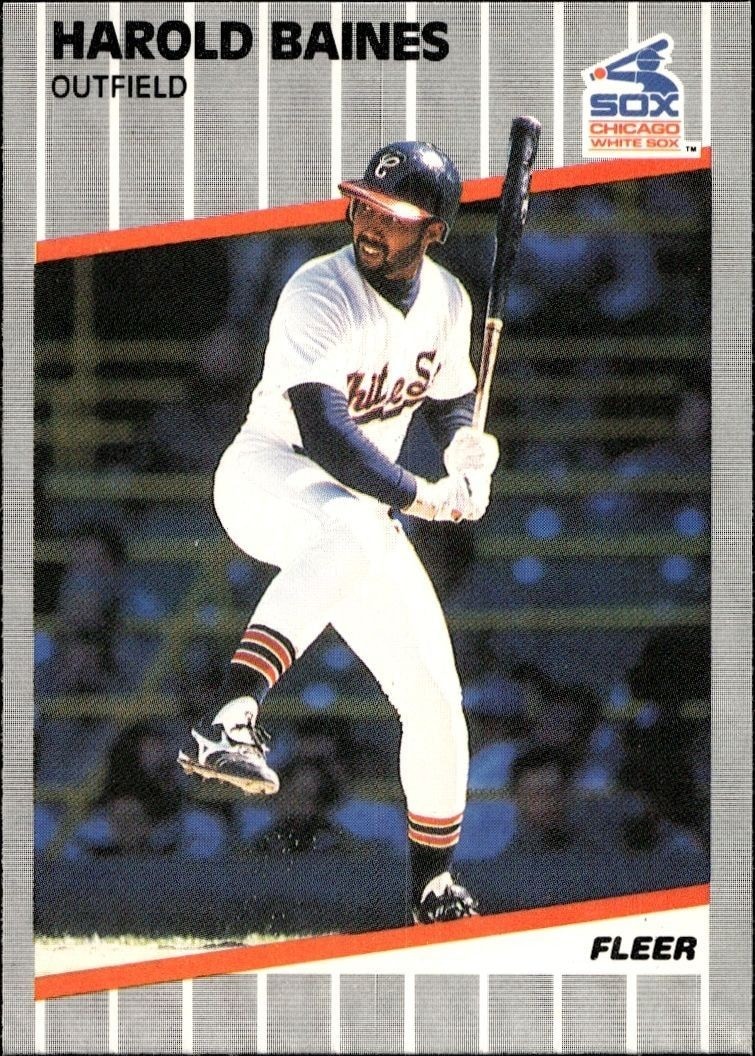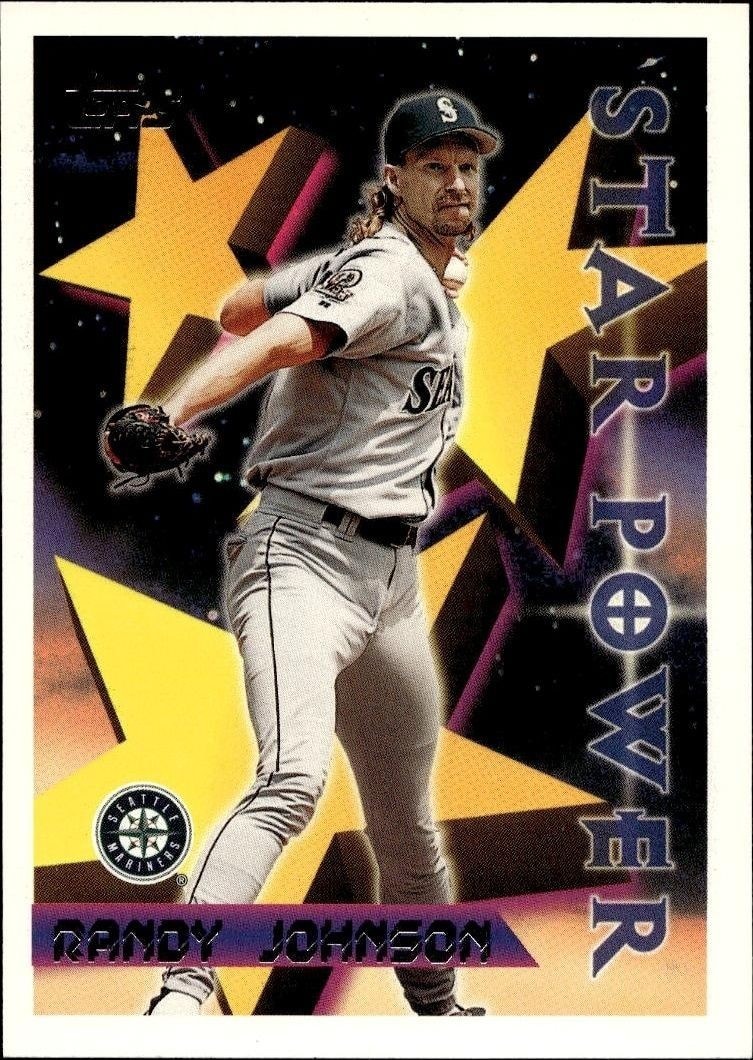
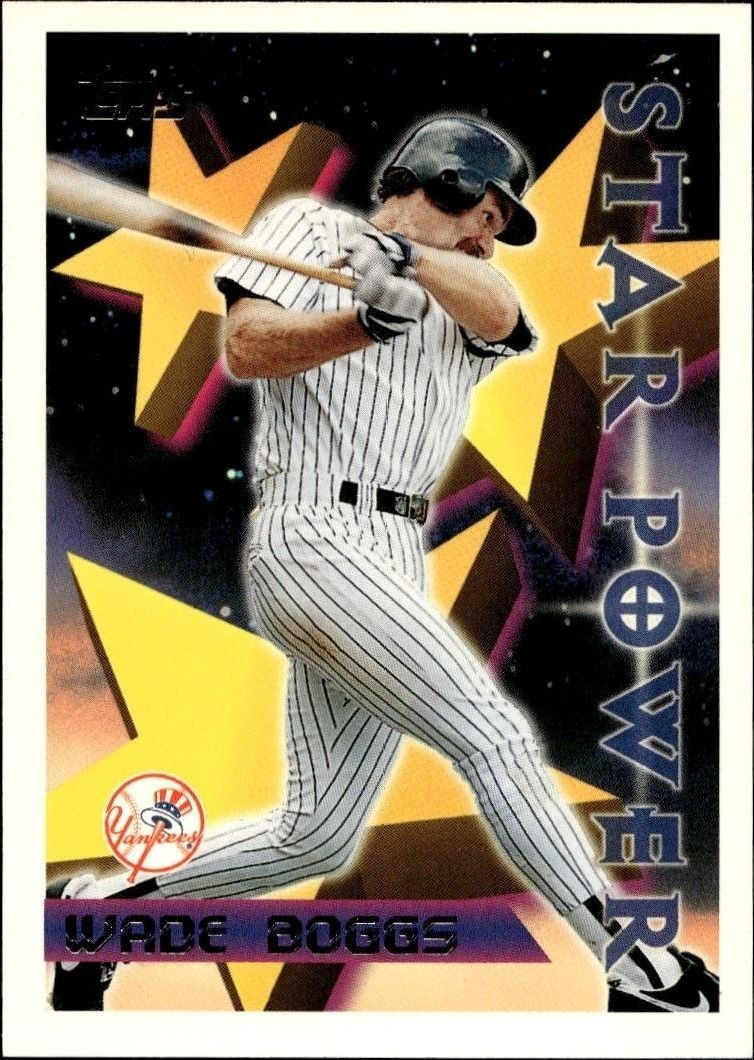
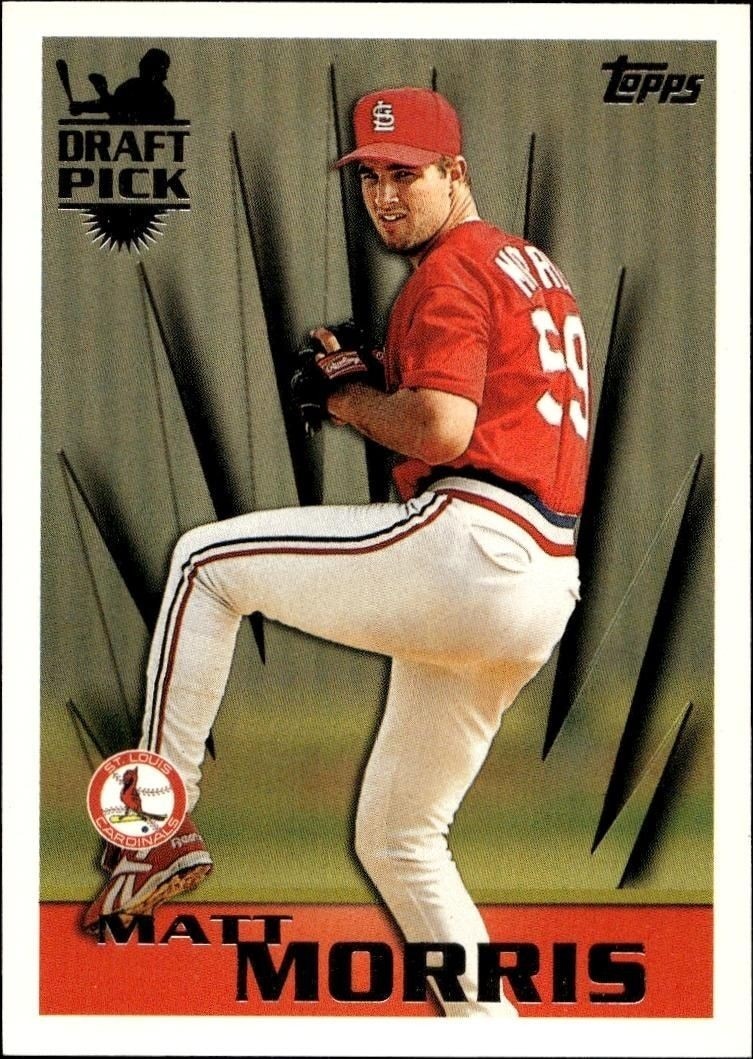





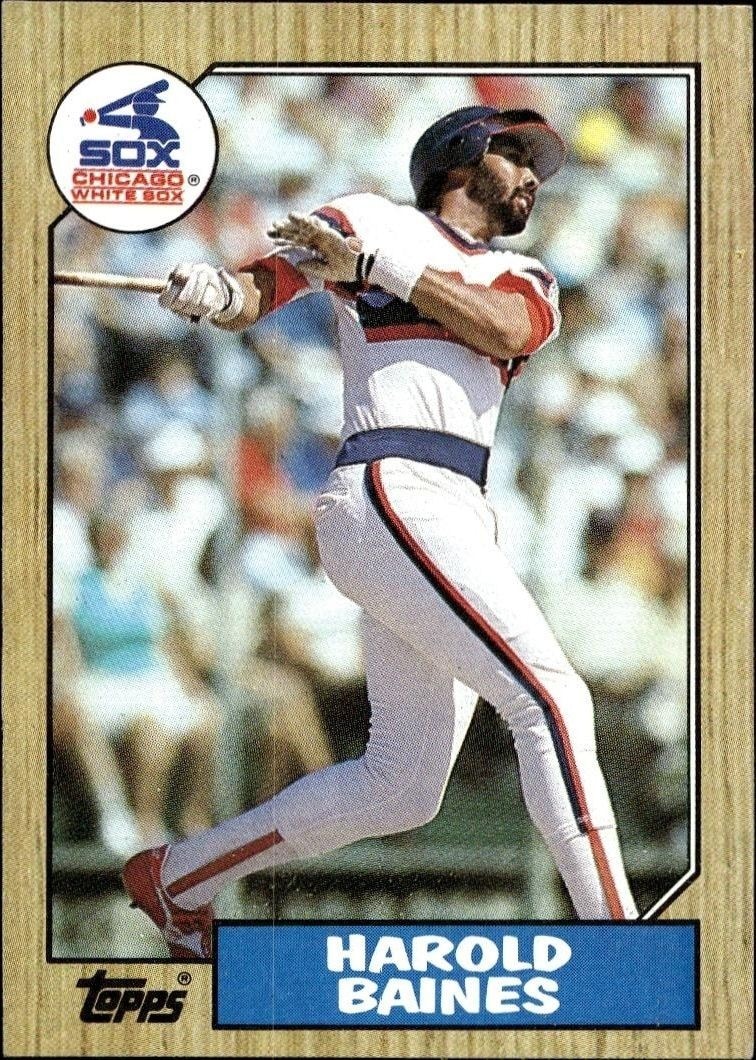


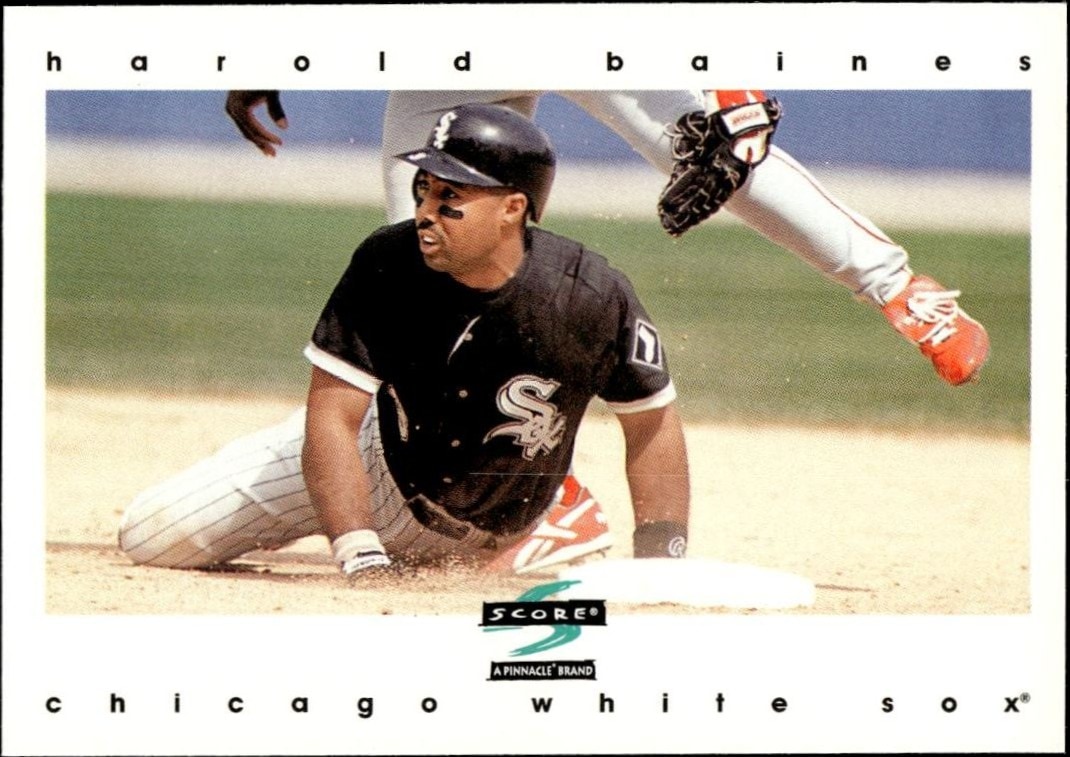
The 1996 Topps Series 2 #357 Harold Baines baseball card features the Baltimore Orioles player in this classic Topps release.
1996 • Topps • Series 2
Major League Baseball • Baltimore Orioles
Near Mint
357
New
Shipping Calculated at Checkout
Arrives in 5-7 daysEstimated delivery October 23, 2026 - October 25, 2026
Seller returns October 19, 2026.30-day Returns| Condition | Value | Source | Trend | Price Details |
|---|---|---|---|---|
$1.30 | Guide Estimate | -14.5% | ||
$17.09 | Guide Estimate | -0.6% | ||
$19.00 | Guide Estimate | 0% | ||
$41.00 | Guide Estimate | 0% | ||
$19.00 | Guide Estimate | 0% | ||
$31.19 | Guide Estimate | -1.6% | ||
$19.00 | Guide Estimate | 0% | ||
Raw / Ungraded
PriceCharting Price Guide · Guide Estimate evidence · captured Oct 16, 2026
The 1996 Topps Series 2 #357 Harold Baines baseball card captures a specific moment in the career of the Baltimore Orioles veteran. Issued by the Topps brand, this card is part of the broader Series 2 release, which expanded upon the initial set with additional roster moves and player highlights from that season. For collectors focusing on the Baltimore Orioles or Harold Baines, this card number represents a tangible piece of mid-90s baseball history. Topps cards from this era are renowned for their distinct design language and widespread distribution, making them accessible yet highly collectible. Harold Baines, a key figure for Baltimore during this period, is featured prominently in the lineup. The card itself, identified by the number 357, serves as a standard reference point for those building sets or tracking specific player cards from the Topps brand. Collecting 1996 Topps Series 2 involves navigating a large field of cards, where each entry offers a snapshot of the league at that time. The Harold Baines #357 card is a staple for enthusiasts of the Orioles franchise or those interested in the Topps product line from the mid-90s. As a non-parallel, base card, it holds a unique place in the hierarchy of Topps releases, often serving as the foundation for many collectors' sets. Whether you are looking to complete a team set for the Baltimore Orioles or simply appreciate the design and nostalgia of the 1996 Topps brand, this card remains a relevant and sought-after item in the trading card market. The enduring appeal of Topps cards from the 1990s lies in their accessibility and the rich history they represent. The 1996 Series 2 release, with cards like Harold Baines #357, continues to attract collectors who value the brand's legacy and the specific era it documents. For those interested in baseball memorabilia, this card offers a direct connection to the sport's past, preserved in the iconic format that Topps is known for.
18 hours ago
We'll pre-fill the product details from this catalog entry, so your listing lands on this exact page. Just add photos of your copy, pick its condition, and set your price.
The catalog profile below summarizes the card identity, featured subject, and notable collectible traits.
The core identity of the card within the set.
The subject, team, league, and sport context tied to this card.
Production details and format-specific attributes.
Material
Card Stock
Language
English
Compare prices, grades, photos, and shipping from approved sellers.
New
Near Mint
See how many public collections currently include this card.
0 collectors have this card
This 1996 Topps Series 2 Harold Baines card sits in the lower tier of the modern era market, reflecting its status as a common base card from a high-volume production year. While Baines is a respected veteran with a solid career, this specific issue lacks the scarcity or premium attributes that drive higher valuations among serious collectors. It currently trades at a modest level, appealing primarily to budget-conscious completists or those seeking affordable team-specific fills rather than investment-grade assets.
The card possesses no special attributes such as serial numbering, short prints, or parallel finishes, classifying it as a standard base insert within the 1996 Topps Series 2 set. This unvarnished presentation means the supply is effectively unlimited relative to collector demand, as no limited edition mechanics constrain availability. Consequently, the card does not benefit from the scarcity premiums typically associated with parallel versions or autographed variants.
As a non-rookie base card from the mid-90s boom era, this item offers limited upside for speculative investment due to the vast number of identical copies in circulation. Collector demand is likely driven by the need to complete specific team or player sets rather than by individual card rarity. For long-term value preservation, this card is best viewed as a functional component of a collection rather than a standalone appreciating asset.