



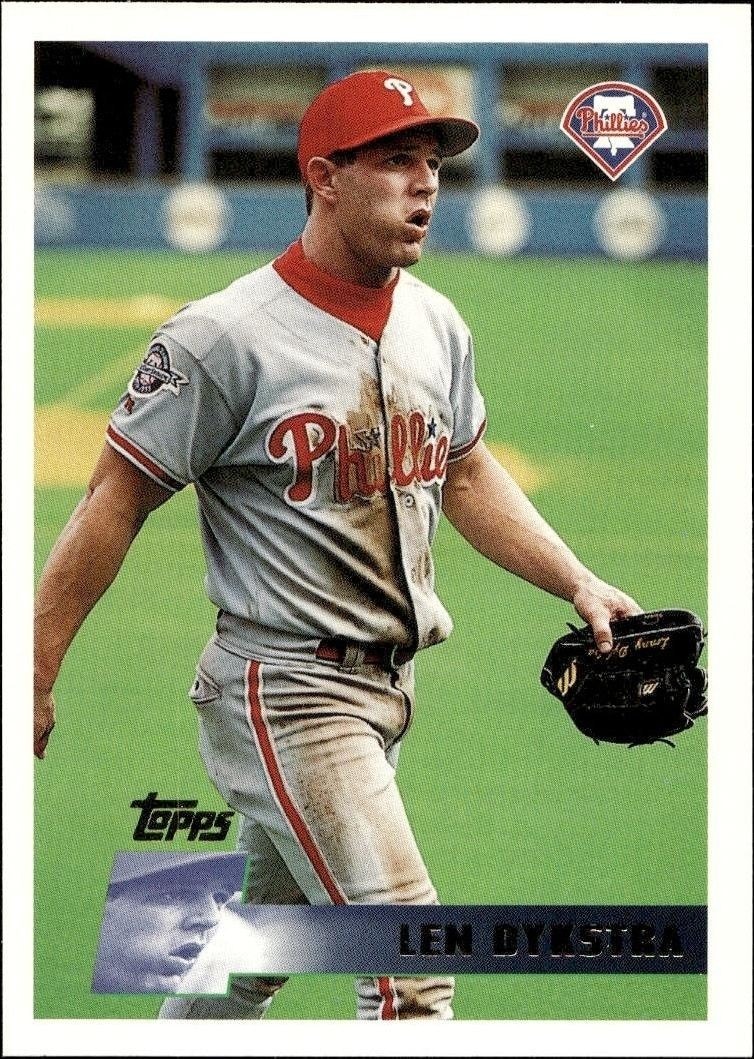


The 1996 Topps Series 2 Shawn Green #417 Toronto Blue Jays baseball card is a distinct entry in the 1996 Topps Series 2 set, featuring the MLB player in his team uniform.
1996 • Topps • Series 2
Major League Baseball • Toronto Blue Jays
Near Mint
417
New
Shipping Calculated at Checkout
Arrives in 5-7 daysEstimated delivery October 23, 2026 - October 25, 2026
Seller returns October 19, 2026.30-day Returns| Condition | Value | Source | Trend | Price Details |
|---|---|---|---|---|
$0.99 | Guide Estimate | +16.5% | ||
$7.30 | Guide Estimate | +9.1% | ||
$8.00 | Guide Estimate | +19.2% | ||
$16.00 | Guide Estimate | 0% | ||
$21.00 | Guide Estimate | 0% | ||
$10.00 | Guide Estimate | 0% | ||
$16.03 | Guide Estimate | 0% | ||
$10.00 | Guide Estimate | 0% | ||
Raw / Ungraded
PriceCharting Price Guide · Guide Estimate evidence · captured Oct 16, 2026
The 1996 Topps Series 2 Shawn Green #417 Toronto Blue Jays baseball card represents a specific snapshot of Major League Baseball history from the mid-1990s. As part of the broader 1996 Topps Series 2 collection, this numbered entry serves as a cataloged piece for enthusiasts tracking the roster of the Toronto Blue Jays during that season. Collectors often seek out cards from this series to complete their set of vintage baseball trading cards, appreciating the standardized design language that defines the Topps brand of that era. Shawn Green, listed under the Toronto Blue Jays in this catalog entry, appears on card number 417. For those interested in the history of the team or the player's career timeline, this card provides a verified reference point within the 1996 product line. The inclusion of team affiliation and card number allows for precise organization and identification, which is essential for serious set builders. Whether you are focusing on the Toronto Blue Jays' roster history or the specific design nuances of 1996 Topps Series 2, this card offers a tangible connection to that moment in sports. By focusing on the catalog details—brand, year, series, and subject—collectors can navigate the market with clarity, ensuring they are acquiring the correct piece for their collection goals. This approach helps maintain the integrity of the collecting hobby by emphasizing accurate identification over transient market trends.
16 hours ago
We'll pre-fill the product details from this catalog entry, so your listing lands on this exact page. Just add photos of your copy, pick its condition, and set your price.
The catalog profile below summarizes the card identity, featured subject, and notable collectible traits.
The core identity of the card within the set.
The subject, team, league, and sport context tied to this card.
Production details and format-specific attributes.
Material
Card Stock
Language
English
Compare prices, grades, photos, and shipping from approved sellers.
New
Near Mint
See how many public collections currently include this card.
0 collectors have this card
As a common base card from a 1996 Topps Series 2 release, this Shawn Green listing trades at a very low price tier, reflecting its status as a mass-produced item rather than a scarce collectible. While Green eventually established himself as a significant MLB figure, the lack of special attributes on this specific card prevents it from commanding any grading or rarity premium. It represents the baseline market value for entry-level rookie-era baseball cards from this era.
This card is a standard base issue with no noted parallels, short-print designations, or serial numbering, meaning it carries the highest supply tier within the set. The absence of any unique scarcity mechanics implies that availability is driven entirely by the original print run, which was substantial for major brand releases. Consequently, the card lacks the supply constraints that typically drive value appreciation in secondary markets.
Given its classification as a common rookie-era card without special finishes, this item serves primarily as a foundational piece for complete set builders rather than a standalone investment vehicle. Demand is likely limited to collectors seeking to fill gaps in their 1996 Topps Series 2 collections rather than speculative buyers targeting individual player appreciation. Long-term value growth is unlikely without a significant shift in the broader market for ungraded base cards from the mid-90s.
