






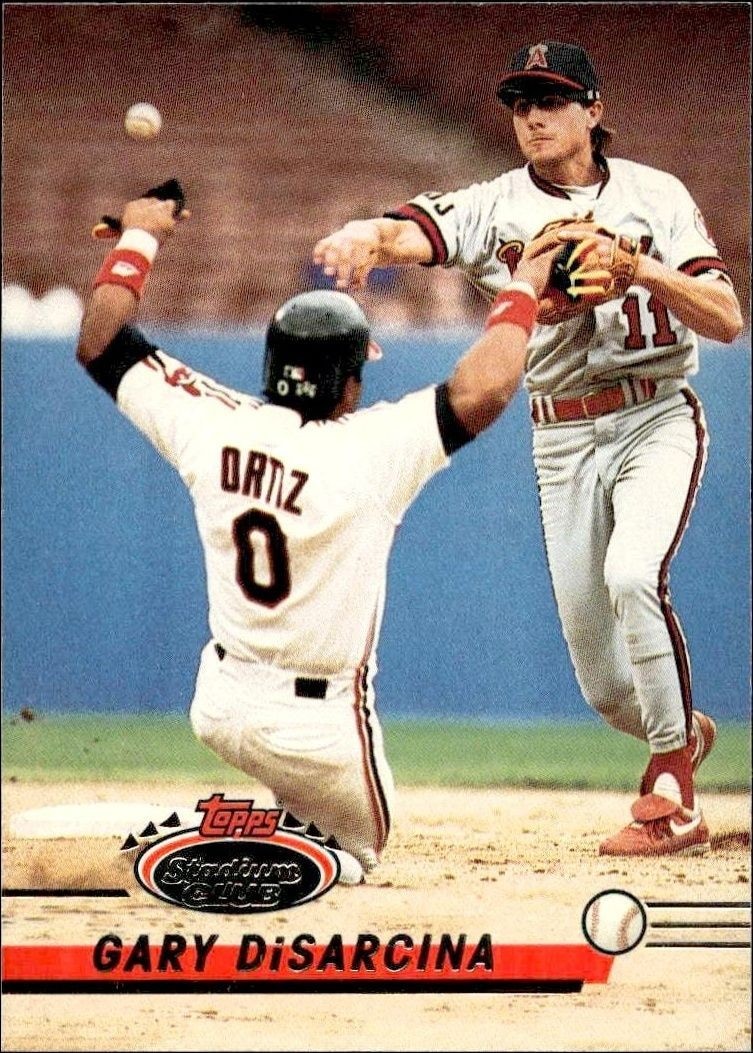

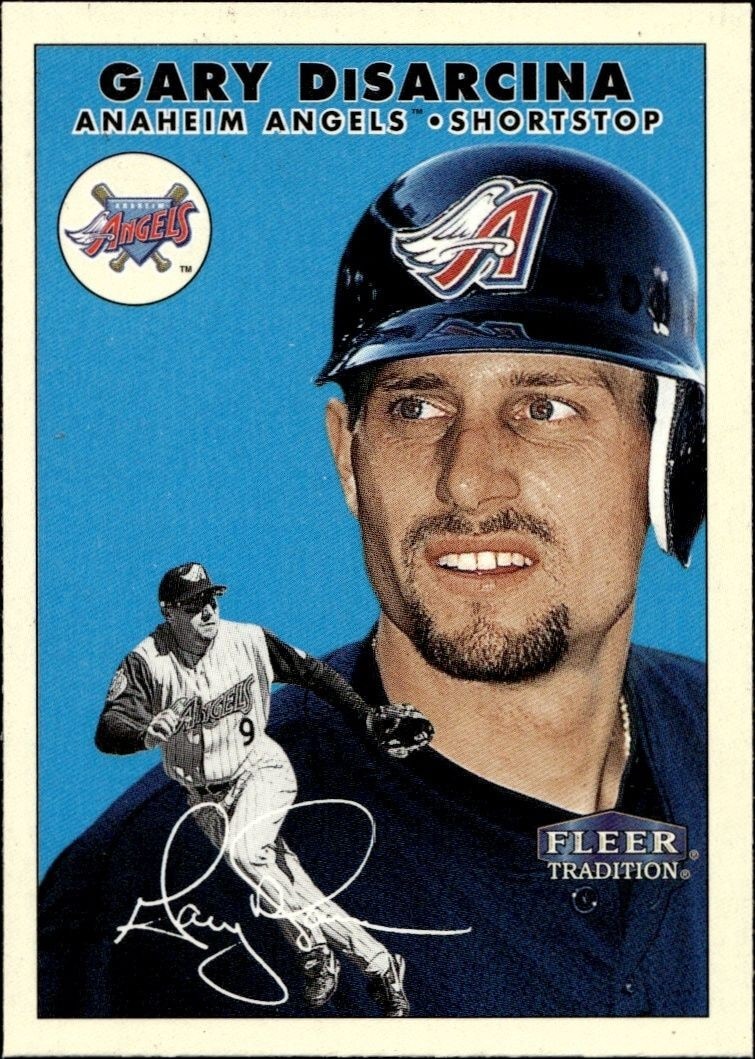

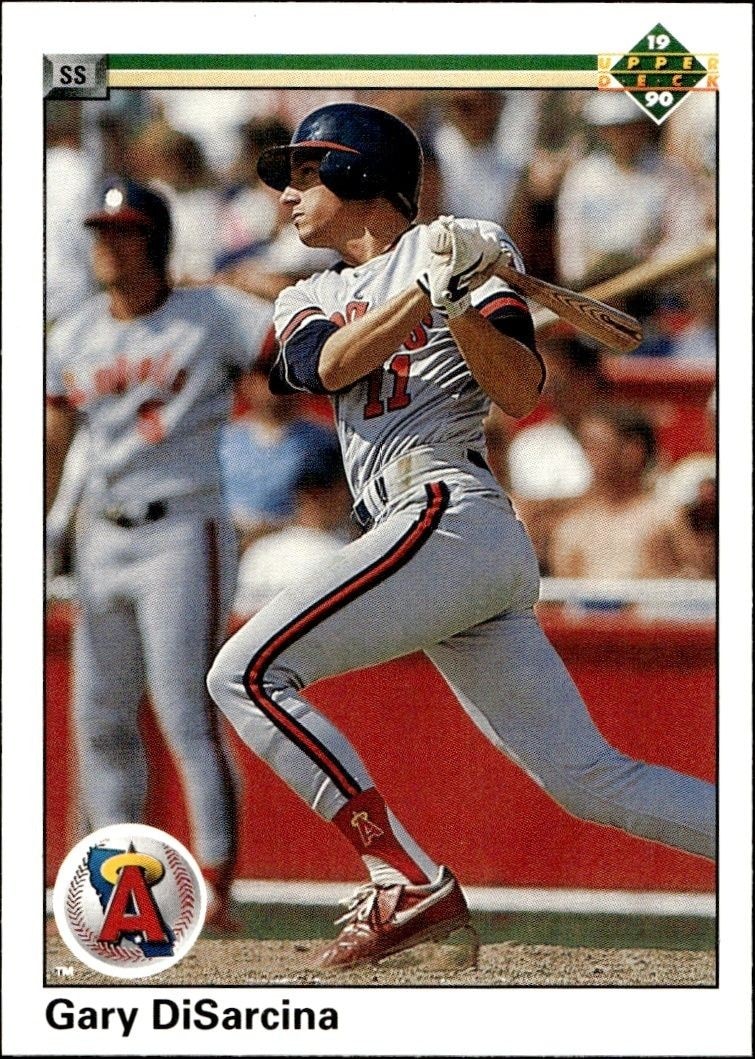
The 1997 Score Gary DiSarcina #423 baseball card captures the Los Angeles Angels shortstop in the iconic design of the 1997 Score set.
1997 • Score
Major League Baseball • Los Angeles Angels
Near Mint
423
New
Shipping Calculated at Checkout
This seller is away until 10/19/2026 — orders are still accepted and ship after they return.30-day Returns| Condition | Value | Source | Trend | Price Details |
|---|---|---|---|---|
$1.63 | Guide Estimate | |||
Raw / Ungraded
PriceCharting Price Guide · Guide Estimate evidence · captured Oct 4, 2026
History is building. At least two days of matching observations are needed to show a trend.
Each point is the last stored observation that day for this printing, condition, grader, autograph status and source. Gaps mean no observation; guide estimates and asking prices are not completed sales.The 1997 Score Gary DiSarcina #423 baseball card represents a distinct piece of mid-90s MLB memorabilia. Collectors often seek out this card number to complete their runs of the 1997 base set, appreciating its place in the history of sports card manufacturing. Gary DiSarcina was a key utility player for the Angels during the late 1990s, and this card documents his tenure with the team. The 1997 Score release remains a staple for hobbyists who value the nostalgia of 90s baseball design. Whether you are building a collection focused on Angels history, utility players, or simply the Score brand itself, this card offers a tangible connection to that period of the sport. For investors and serious collectors, the 1997 Score set provides a broad foundation for diversification. While base cards like #423 are produced in large quantities, they hold steady interest among those looking to assemble complete sets or add affordable, recognizable players to their portfolios. The card's design is emblematic of the time, featuring the bold branding and player photography that defined the 1997 release. Adding the Gary DiSarcina #423 to your collection is a straightforward way to own a piece of Angels history from a pivotal year in the franchise's recent past. By focusing on the product's identity and historical context, collectors can make informed decisions about their acquisitions. This card serves as a reliable component for those looking to round out their 1997 Score collection or expand their Angels-themed holdings.
15 hours ago
We'll pre-fill the product details from this catalog entry, so your listing lands on this exact page. Just add photos of your copy, pick its condition, and set your price.
The catalog profile below summarizes the card identity, featured subject, and notable collectible traits.
The subject, team, league, and sport context tied to this card.
Production details and format-specific attributes.
Material
Card Stock
Language
English
Compare prices, grades, photos, and shipping from approved sellers.
New
Near Mint
See how many public collections currently include this card.
0 collectors have this card
This 1997 Score card of Gary DiSarcina sits at a lower price tier typical for non-star position players from mainstream base sets, reflecting his role as a utility infielder rather than a franchise cornerstone. The current valuation indicates a stable, entry-level market position where condition sensitivity is minimal compared to higher-tier star cards. With only one active listing, the immediate liquidity is low, but the price point suggests it trades comfortably within the standard baseline for common baseball inserts of this era.
As a base card with no special attributes such as serial numbering, short prints, or parallels, this item carries the highest possible supply within the 1997 Score set. The lack of limited edition mechanics means the available pool is constrained only by general wear and tear on mass-produced paper goods rather than intentional scarcity. Consequently, the rarity profile is entirely defined by its status as a standard issue card, making it functionally identical to thousands of other copies in circulation.
The investment outlook for this specific card is neutral, driven primarily by nostalgia for late-90s baseball rather than significant collector demand or scarcity. Without rookie status or premium parallel variants, the card lacks the mechanical drivers that typically push items above standard market rates. It serves best as a bulk filler for set completions rather than a standalone asset with appreciative potential.
