





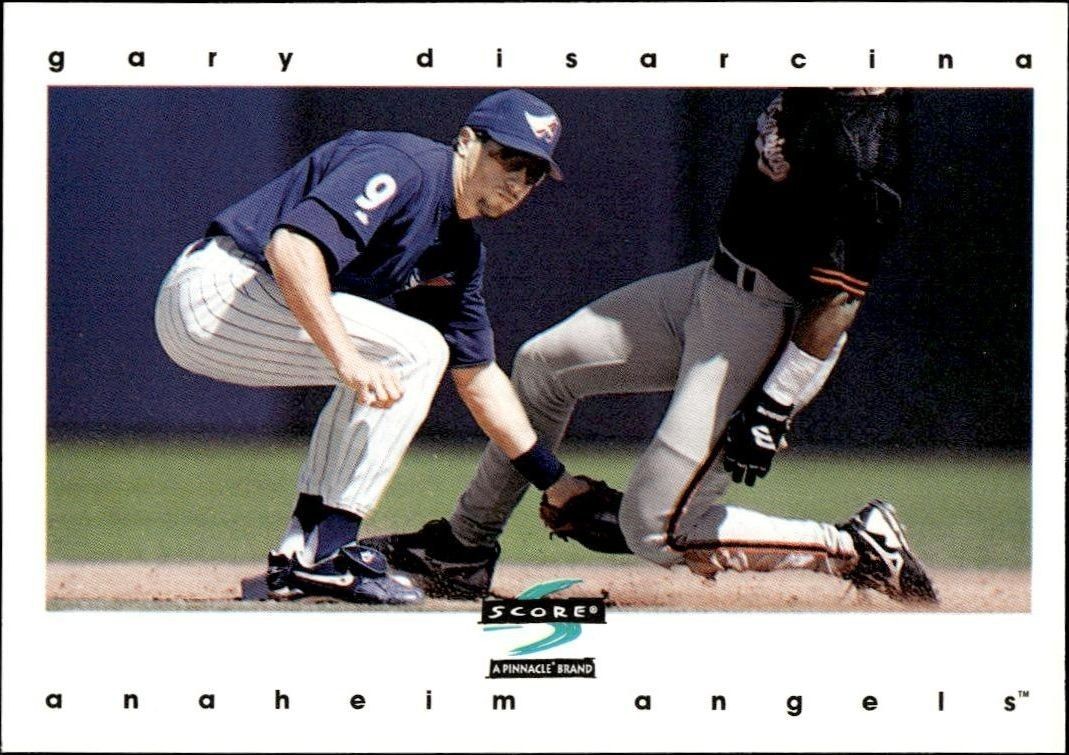

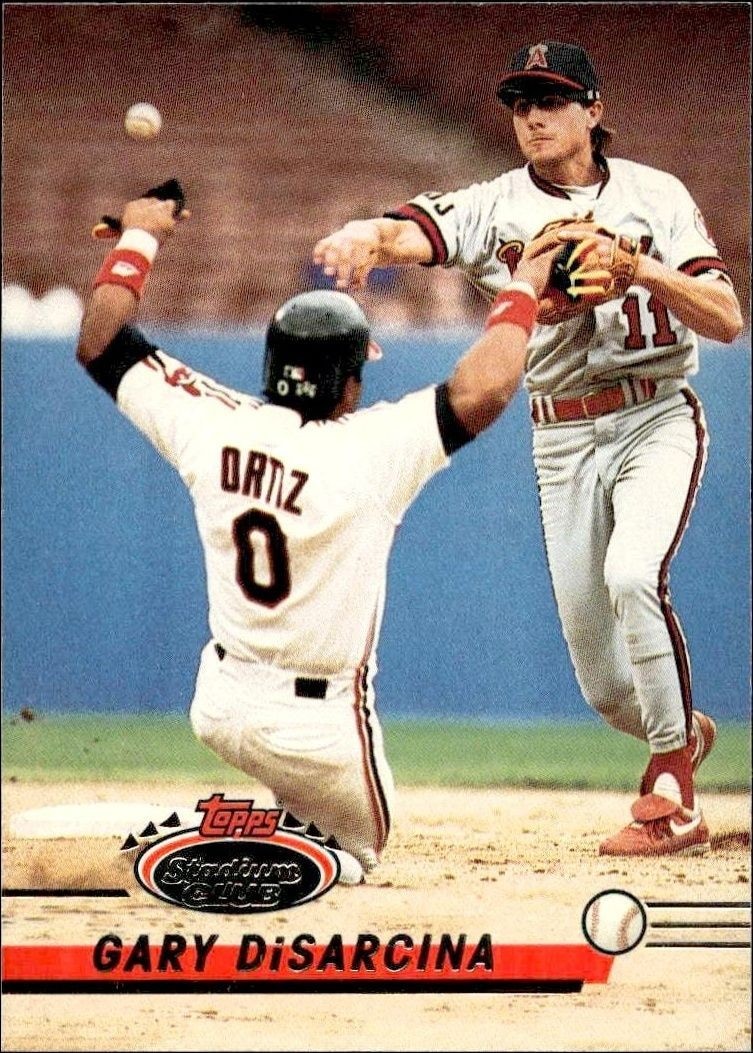

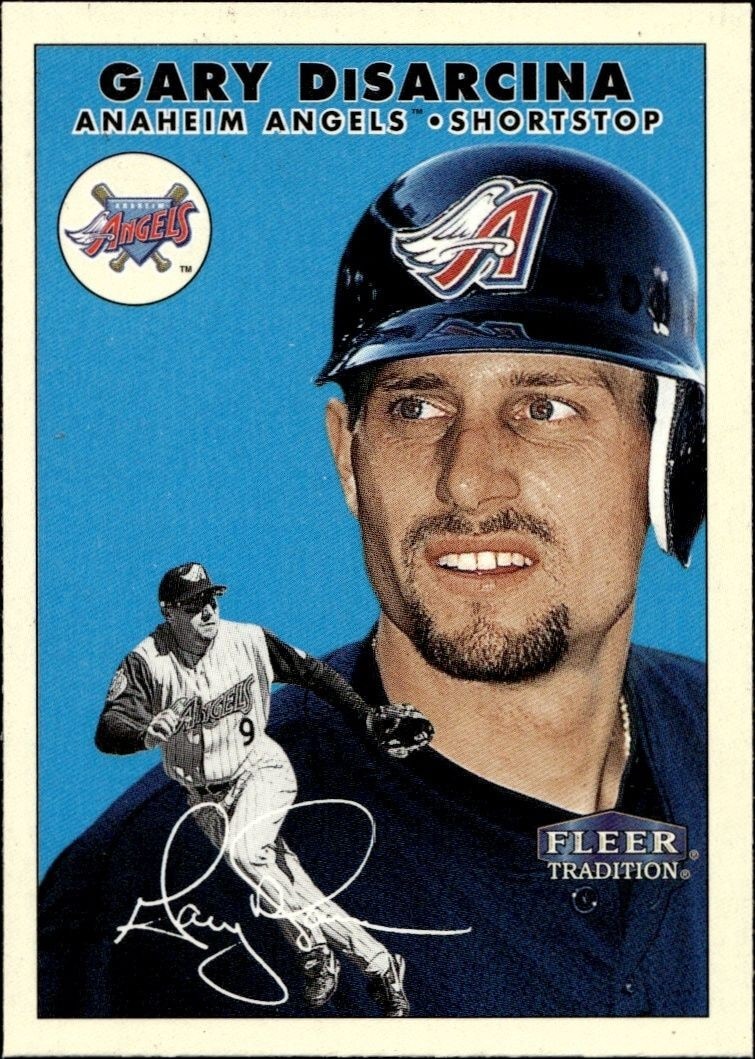

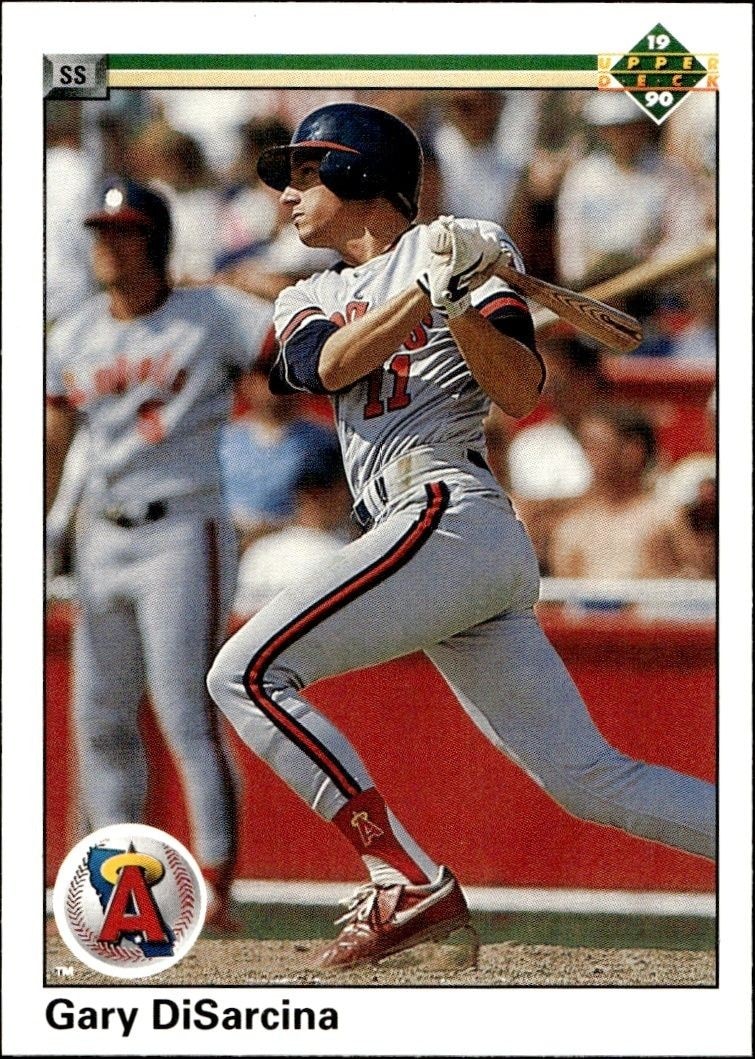
Collect 1997 Topps Series 1 #59, featuring Los Angeles Angels player Gary DiSarcina. This baseball trading card is a staple of the 1997 Topps set.
1997 • Topps • Series 1
Major League Baseball • Los Angeles Angels
Excellent
59
New
Shipping Calculated at Checkout
30-day Returns| Condition | Value | Source | Trend | Price Details |
|---|---|---|---|---|
$0.25As of 9/26/2026 | Guide Estimate | |||
$26.00As of 9/26/2026 | Guide Estimate | |||
$12.00As of 9/26/2026 | Guide Estimate | |||
$19.99As of 9/26/2026 | Guide Estimate | |||
$12.00As of 9/26/2026 | Guide Estimate | |||
Raw / Ungraded
PriceCharting Price Guide · Guide Estimate evidence · captured Sep 26, 2026
History is building. At least two days of matching observations are needed to show a trend.
Each point is the last stored observation that day for this printing, condition, grader, autograph status and source. Gaps mean no observation; guide estimates and asking prices are not completed sales.The 1997 Topps Series 1 baseball card #59 features Los Angeles Angels player Gary DiSarcina. Released by Topps, this card represents a significant entry in the 1997 Topps product line, capturing a specific moment in the career of the infielder. For collectors of vintage sports cards, this card serves as a tangible connection to the late 1990s MLB landscape. Topps has long been the dominant manufacturer in the sports trading card industry, and the 1997 release remains a favorite among hobbyists for its consistent design and extensive player coverage. Gary DiSarcina, known for his durability and defensive skills, was a key contributor to the Angels roster during this era. His inclusion in the Series 1 subset highlights his status as a regular major leaguer at the time. Collectors often seek out cards from this period to complete their 1997 Topps sets or to build focused collections around specific players or teams. The card's catalog number, #59, makes it easy to locate within the broader checklist. Whether you are a fan of the Los Angeles Angels or simply appreciate the history of baseball trading cards, this piece offers a straightforward yet meaningful addition to any collection. By focusing on the integrity of the marketplace, collectors can pursue their hobbies with confidence. This card stands as a reminder of the enduring appeal of physical trading cards, bridging the gap between past and present fandom. For those interested in the history of the Angels or the 1997 season, this card is a relevant and accessible piece of memorabilia.
5 days ago
We'll pre-fill the product details from this catalog entry, so your listing lands on this exact page. Just add photos of your copy, pick its condition, and set your price.
The catalog profile below summarizes the card identity, featured subject, and notable collectible traits.
The core identity of the card within the set.
The subject, team, league, and sport context tied to this card.
Production details and format-specific attributes.
Material
Card Stock
Language
English
Compare prices, grades, photos, and shipping from approved sellers.
New
Excellent
See how many public collections currently include this card.
0 collectors have this card
This 1997 Topps Series 1 card represents a foundational entry into Gary DiSarcina's career during his tenure with the Los Angeles Angels, positioning it within the lower price tiers of his overall portfolio. As a standard base card from a mass-produced set, it lacks the condition premiums associated with graded examples or specialty inserts, making it accessible for budget-conscious collectors. Its value is primarily driven by its role as a complete-set fill rather than individual player significance or scarcity.
The card carries no special scarcity attributes, existing as a standard base parallel within the 1997 Topps Series 1 release. Without serial numbering, short-print designation, or unique artwork, the supply is effectively unlimited relative to collector demand, as these cards were printed in vast quantities. The lack of distinct visual or production variations means it does not benefit from the scarcity mechanics that typically elevate a card's rarity profile.
Given its status as a common base card from the mid-90s, the investment potential is limited to niche set-building rather than speculative appreciation. Demand is likely stable but low, driven by collectors completing specific year-and-brand subsets rather than broader market interest in the player. Long-term value retention depends on the general health of vintage baseball card collecting, with no specific catalysts from the card's attributes to suggest outsized growth.
