






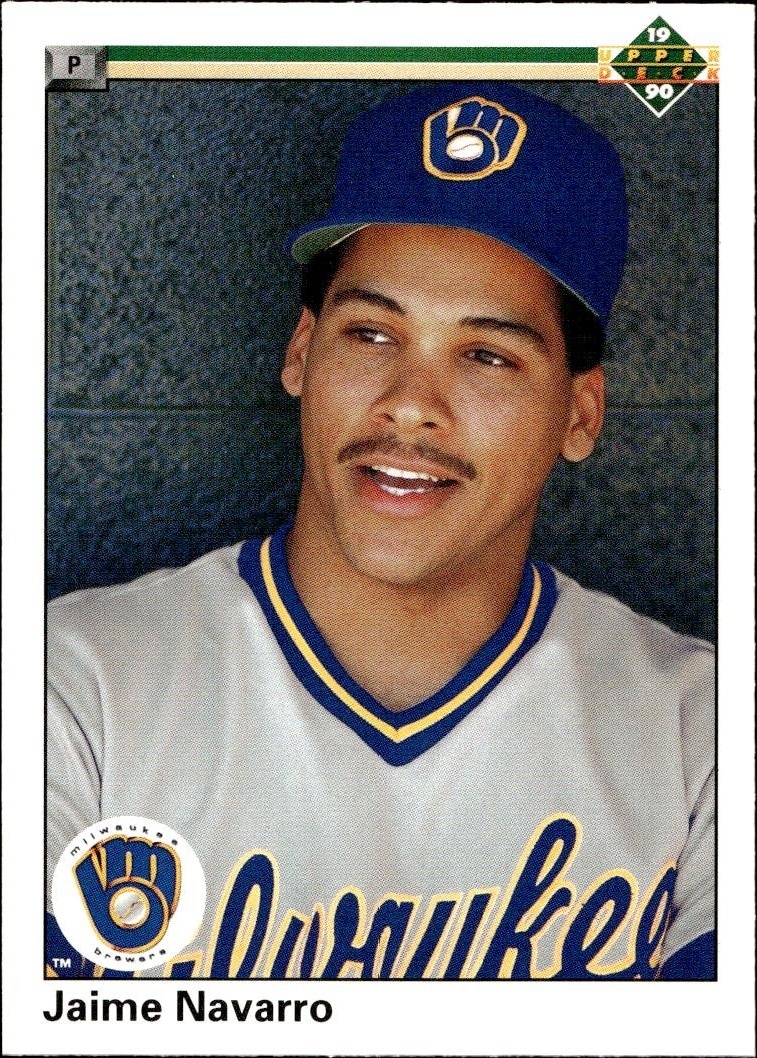

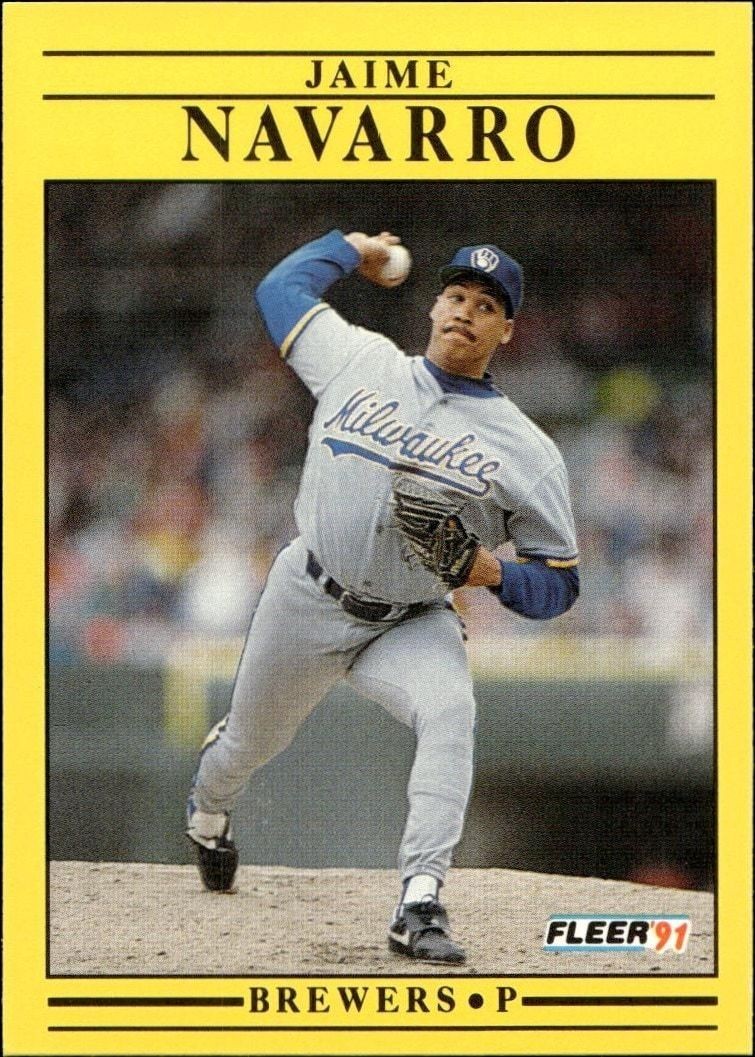


The 1998 Topps Series 1 Jaime Navarro #141 card captures a Chicago White Sox pitcher during a pivotal late-90s era. SuperCatch offers diverse options for collectors seeking this specific issue.
1998 • Topps • Series 1
Major League Baseball • Chicago White Sox
Excellent
141
New
Shipping Calculated at Checkout
Arrives in 4-6 daysEstimated delivery October 23, 2026 - October 25, 2026
Seller returns October 19, 2026.30-day Returns| Condition | Value | Source | Trend | Price Details |
|---|---|---|---|---|
$1.27 | Guide Estimate | |||
Raw / Ungraded
PriceCharting Price Guide · Guide Estimate evidence · captured Oct 15, 2026
History is building. At least two days of matching observations are needed to show a trend.
Each point is the last stored observation that day for this printing, condition, grader, autograph status and source. Gaps mean no observation; guide estimates and asking prices are not completed sales.The 1998 Topps Series 1 Jaime Navarro #141 card stands as a distinct piece of baseball history from the late 1990s. As a member of the Chicago White Sox, Navarro is depicted in his team uniform, representing a specific moment in the franchise's timeline. This card is part of the foundational 1998 Topps set, which remains one of the most widely collected base sets of the modern era due to its accessible design and broad appeal. Collectors often seek this card number to complete their base set runs or to focus on players who defined that particular season. The 1998 Topps Series 1 release is known for its classic layout, making it a staple for those interested in the visual evolution of baseball card design. Whether you are building a personal archive or looking to invest in pieces from this memorable year, finding quality examples of Navarro's card is a key goal for many enthusiasts. From raw examples to professionally graded slabs, the marketplace caters to different collecting styles and budgets. By focusing on the identity of the set and the player's role during this era, buyers can make informed decisions about adding this card to their collection. ## Sources - https://en.wikipedia.org/wiki/1998_Topps_base_set
1 day ago
We'll pre-fill the product details from this catalog entry, so your listing lands on this exact page. Just add photos of your copy, pick its condition, and set your price.
The catalog profile below summarizes the card identity, featured subject, and notable collectible traits.
The core identity of the card within the set.
The subject, team, league, and sport context tied to this card.
Production details and format-specific attributes.
Material
Card Stock
Language
English
Compare prices, grades, photos, and shipping from approved sellers.
New
Excellent
See how many public collections currently include this card.
0 collectors have this card
This 1998 Topps Series 1 Jaime Navarro card represents a baseline entry point for collectors focusing on Chicago White Sox roster members from the late 1990s. As a standard base card without notable parallels or inserts, it trades at the lower end of the player's market value spectrum, serving primarily as a supplemental piece for set completists rather than a standalone investment. The current pricing reflects its status as a widely distributed item with high availability relative to scarcer variations.
The card lacks any special scarcity attributes such as serial numbering, short-print status, or parallel finishes, placing it squarely in the common base category of the 1998 Topps Series 1 set. Its supply is determined by the overall print run of the base set, which was mass-produced for wide retail distribution. Consequently, there are no mechanical constraints on supply like limited editions or one-of-one designs that typically drive rarity premiums.
As a non-rookie, standard base card, this item does not benefit from rookie-card premium mechanics or the heightened demand associated with career milestones or Hall of Fame recognition. Collector interest is likely limited to those completing specific team or set requirements, resulting in stable but modest demand. The lack of unique attributes suggests long-term value growth will be minimal compared to graded examples or insert parallels from the same set.
