


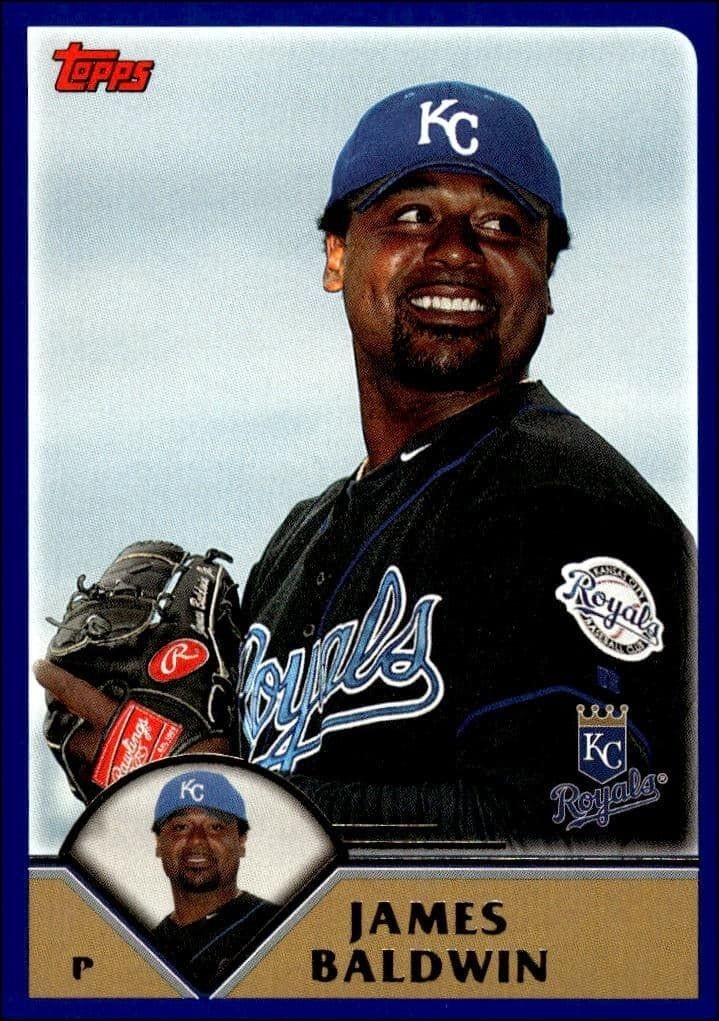
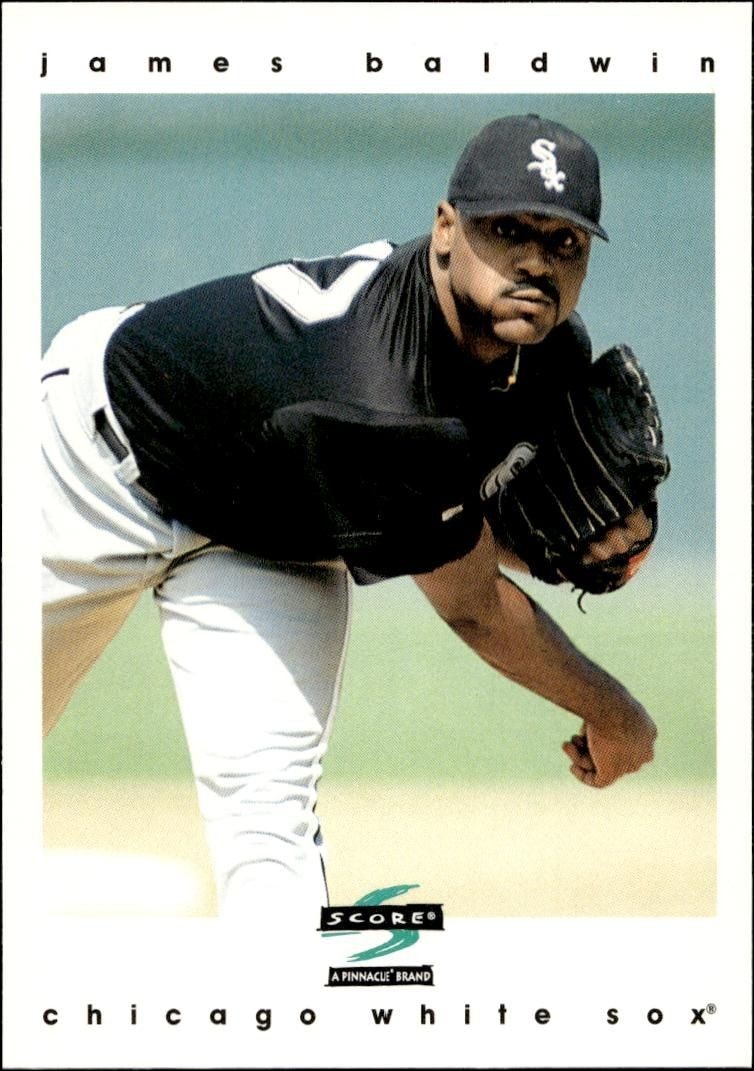
Discover the 1998 Topps Series 1 James Baldwin baseball card, cataloged as number 88. This release represents a specific snapshot from the Chicago White Sox roster during the 1998 season.
1998 • Topps • Series 1
Major League Baseball • Chicago White Sox
Excellent
88
New
Shipping Calculated at Checkout
Arrives in 5-7 daysEstimated delivery October 23, 2026 - October 25, 2026
Seller returns October 19, 2026.30-day Returns| Condition | Value | Source | Trend | Price Details |
|---|---|---|---|---|
$0.25As of 9/25/2026 | Guide Estimate | |||
Raw / Ungraded
PriceCharting Price Guide · Guide Estimate evidence · captured Sep 25, 2026
History is building. At least two days of matching observations are needed to show a trend.
Each point is the last stored observation that day for this printing, condition, grader, autograph status and source. Gaps mean no observation; guide estimates and asking prices are not completed sales.The 1998 Topps Series 1 James Baldwin card, designated as number 88, offers collectors a direct link to a specific moment in baseball history. As a standard issue from the 1998 Topps release, this card is part of one of the most recognizable brands in the sports trading card industry. Topps has long been the primary manufacturer of Major League Baseball cards, and their Series 1 sets are often the starting point for many collectors building their annual collections. James Baldwin is featured on this card representing the Chicago White Sox. For fans of the team, this card serves as a tangible connection to the 1998 roster, capturing the player during that specific season. Collectors who appreciate the history of the Chicago White Sox may find particular value in this card. It stands as a piece of baseball ephemera that documents the team's composition during a notable era. Whether you are focused on building a complete 1998 Topps set or collecting specific players from the White Sox, this card fits into the broader narrative of the sport's recent past. The enduring appeal of 1998 Topps lies in its accessibility and the nostalgia it evokes for fans who followed the game during that time. For investors and hobbyists alike, the 1998 Topps Series 1 remains a cornerstone of modern baseball card collecting, with each card, including this one featuring James Baldwin, contributing to the set's overall integrity and historical documentation.
1 day ago
We'll pre-fill the product details from this catalog entry, so your listing lands on this exact page. Just add photos of your copy, pick its condition, and set your price.
The catalog profile below summarizes the card identity, featured subject, and notable collectible traits.
The core identity of the card within the set.
The subject, team, league, and sport context tied to this card.
Production details and format-specific attributes.
Material
Card Stock
Language
English
Compare prices, grades, photos, and shipping from approved sellers.
New
Excellent
See how many public collections currently include this card.
0 collectors have this card
This 1998 Topps Series 1 base card of James Baldwin sits at the lower end of the market value spectrum, reflecting its status as a standard issue from a mass-produced set. While Baldwin held a role with the Chicago White Sox, the absence of any special attributes or rookie designation keeps this specific card's price tier modest compared to key rookies or premium parallels in the same collection. The current active listings indicate a thin market, suggesting that liquidity may be limited for this particular item.
As a base card with no noted special attributes, this item carries the highest possible supply within the 1998 Topps Series 1 framework. It lacks serial numbering, short-print status, or parallel variations that would otherwise constrain availability and drive scarcity premiums. Consequently, the card relies entirely on its base inclusion rather than any unique physical attributes to distinguish itself from the broader set.
The investment potential for this card is constrained by its position as a non-rookie, base issue from the late 1990s, where supply vastly outstrips collector demand. Without rookie card status or limited-edition mechanics, it does not benefit from the primary scarcity drivers that typically fuel long-term appreciation in the baseball card market. Investors seeking growth would likely find better opportunities in graded examples of key rookies or short-print variants from this era.