


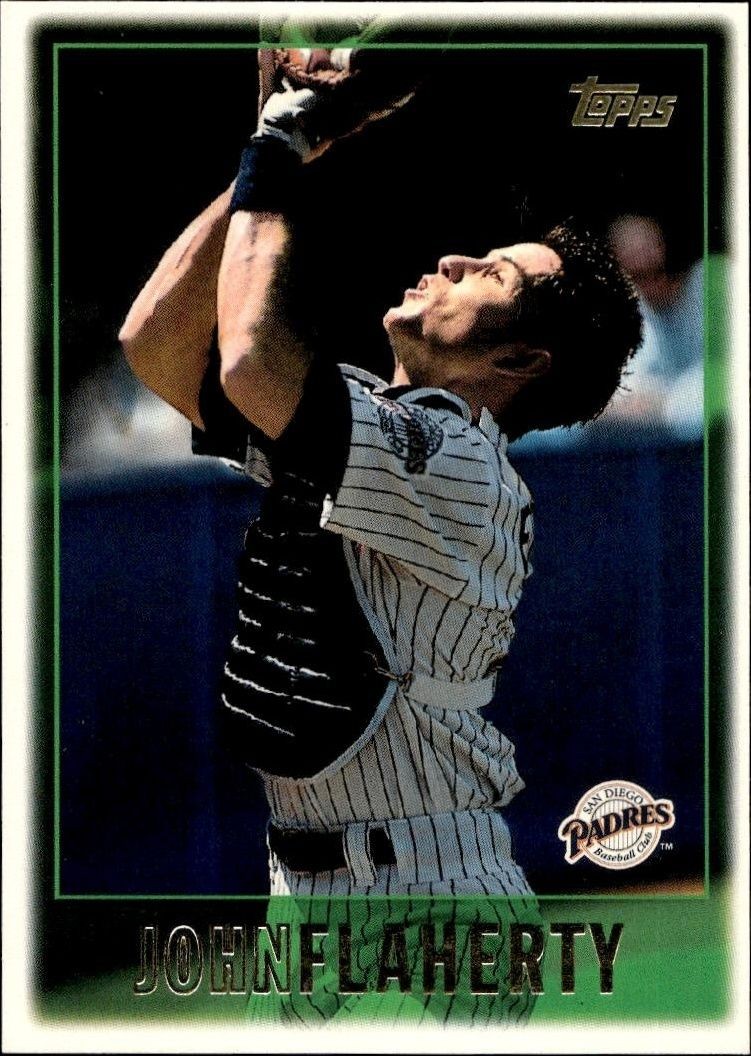
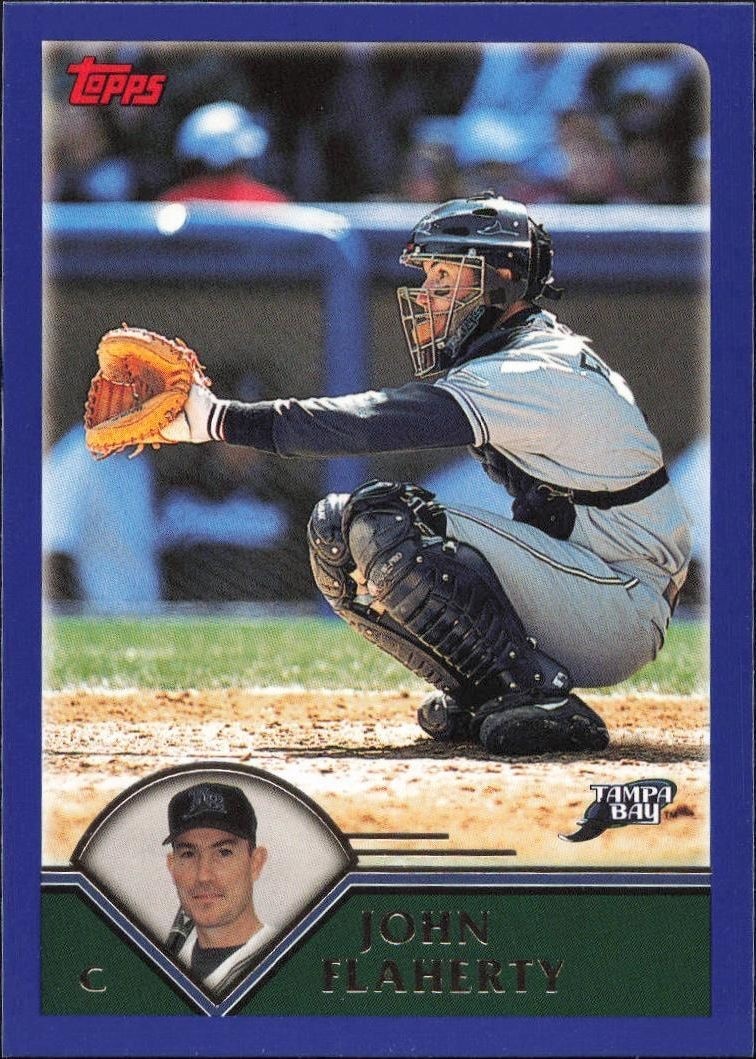
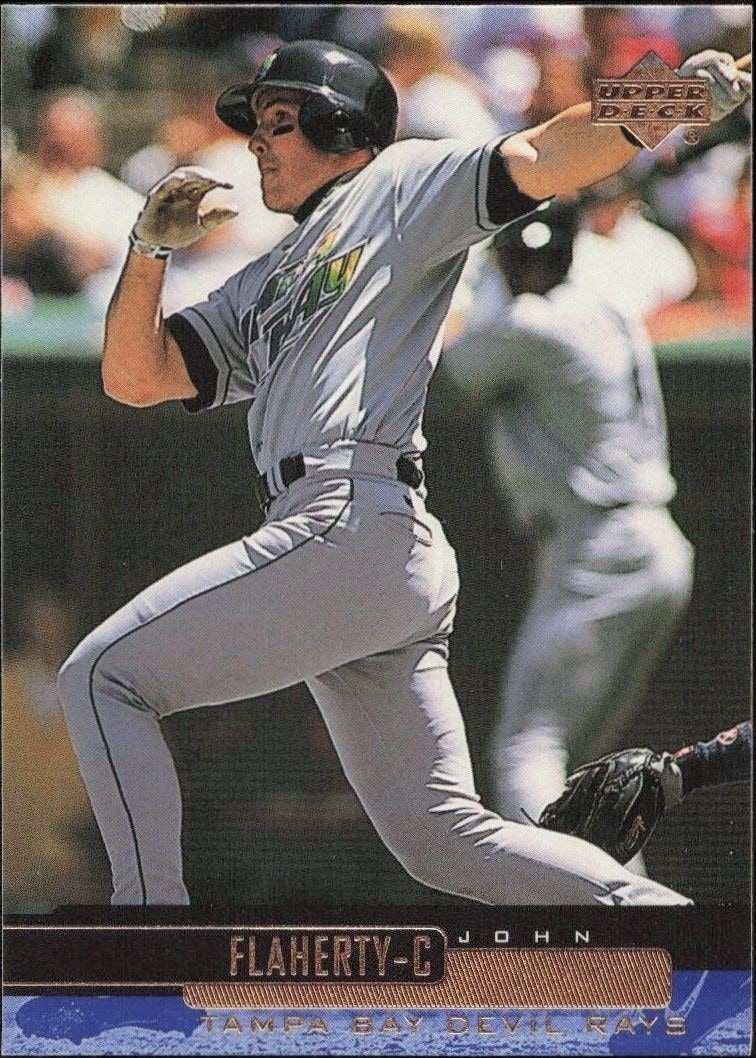

Explore the catalog listing for John Flaherty's 1998 Topps Series 1 baseball card, numbered 62. This entry represents a specific identity within the broader Topps brand collection.
1998 • Topps • Series 1
Major League Baseball • San Diego Padres
Excellent
62
New
Shipping Calculated at Checkout
Arrives in 5-7 daysEstimated delivery October 23, 2026 - October 25, 2026
Seller returns October 19, 2026.30-day Returns| Condition | Value | Source | Trend | Price Details |
|---|---|---|---|---|
$1.03As of 9/26/2026 | Guide Estimate | |||
Raw / Ungraded
PriceCharting Price Guide · Guide Estimate evidence · captured Sep 26, 2026
History is building. At least two days of matching observations are needed to show a trend.
Each point is the last stored observation that day for this printing, condition, grader, autograph status and source. Gaps mean no observation; guide estimates and asking prices are not completed sales.The 1998 Topps Series 1 release remains a foundational element for collectors focused on late-1990s baseball history. This card features John Flaherty, who was a member of the San Diego Padres at the time of production. Card number 62 serves as a distinct identifier within the annual Topps checklist, allowing collectors to track their progress through the base set systematically. For enthusiasts of the era, this card represents a tangible connection to a specific moment in professional baseball history. The Topps brand is renowned for its consistent design language and comprehensive coverage of league rosters, making its annual releases highly sought after for completionists. Collectors often seek out individual cards like this one to fill gaps in their personal archives or to complete full year sets. Whether you are a dedicated Padres fan or a general baseball historian, the 1998 Topps Series 1 set offers a structured way to engage with the sport's past. The card's straightforward presentation focuses on the player and team affiliation, which is characteristic of the brand's approach during this period. When evaluating cards from this release, collectors often look at the card number as a primary reference point. Number 62 helps distinguish this product from other variations or later series releases. For those interested in building a comprehensive collection of 1990s baseball cards, identifying the correct year, brand, and card number is essential for accurate organization and acquisition. The enduring popularity of these classic issues ensures they remain a relevant part of any serious baseball card collection.
7 hours ago
We'll pre-fill the product details from this catalog entry, so your listing lands on this exact page. Just add photos of your copy, pick its condition, and set your price.
The catalog profile below summarizes the card identity, featured subject, and notable collectible traits.
The core identity of the card within the set.
The subject, team, league, and sport context tied to this card.
Production details and format-specific attributes.
Material
Card Stock
Language
English
Compare prices, grades, photos, and shipping from approved sellers.
New
Excellent
See how many public collections currently include this card.
0 collectors have this card
This 1998 Topps Series 1 card of John Flaherty represents a mass-produced base card with minimal market premium, currently trading at a very low tier relative to key rookie or autographed issues. The absence of special parallels or inserts means it lacks the scarcity-driven value appreciation seen in premium subsets, keeping its price point accessible for entry-level collectors. While it serves as a standard reference for his tenure with the San Diego Padres, it does not command significant attention in the secondary market compared to graded or unique variations.
As a standard base card within the 1998 Topps Series 1 set, this item carries no inherent scarcity mechanics such as serial numbering, short prints, or one-of-one designations. The supply is effectively unlimited relative to collector demand, as these cards were produced in vast quantities for general distribution. Without special foil treatments, refractors, or parallel variants, the card remains functionally identical to millions of other copies, offering no rarity premium.
Investment potential for this specific base card is limited due to its status as a common issue with high availability and low barrier to entry. Collector demand is likely driven primarily by nostalgia or specific team needs rather than scarcity, meaning price stability is more about affordability than appreciation. It is best viewed as a hobby staple for completing base sets rather than a vehicle for capital growth, with value tied closely to the general health of the vintage baseball card market.