


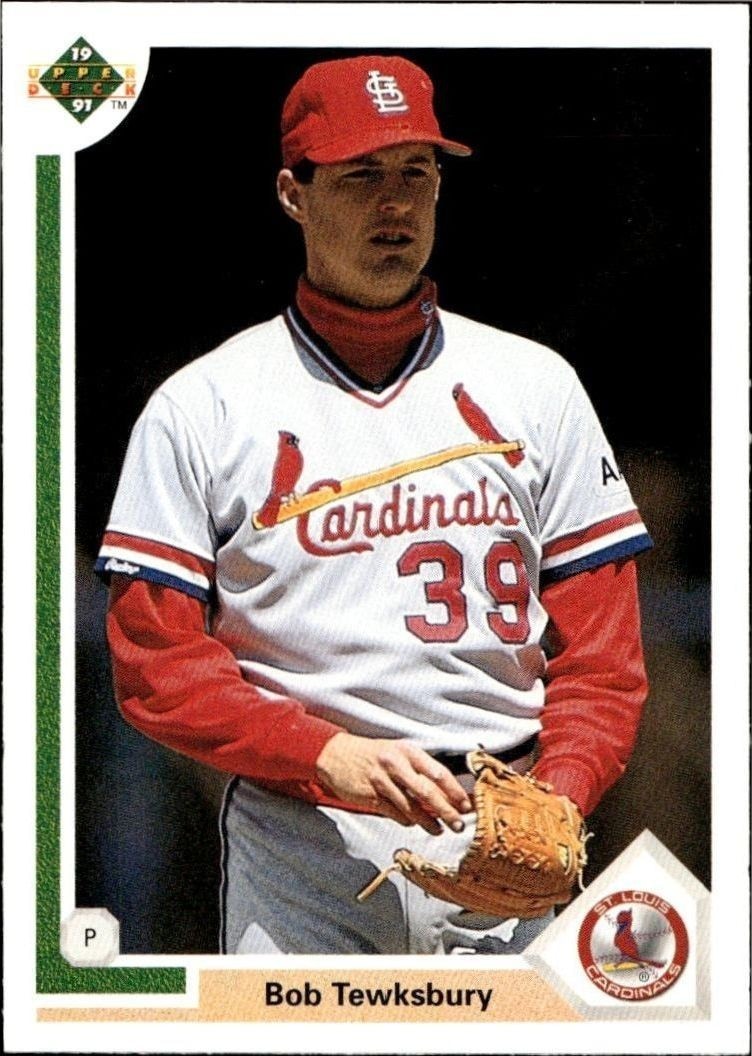
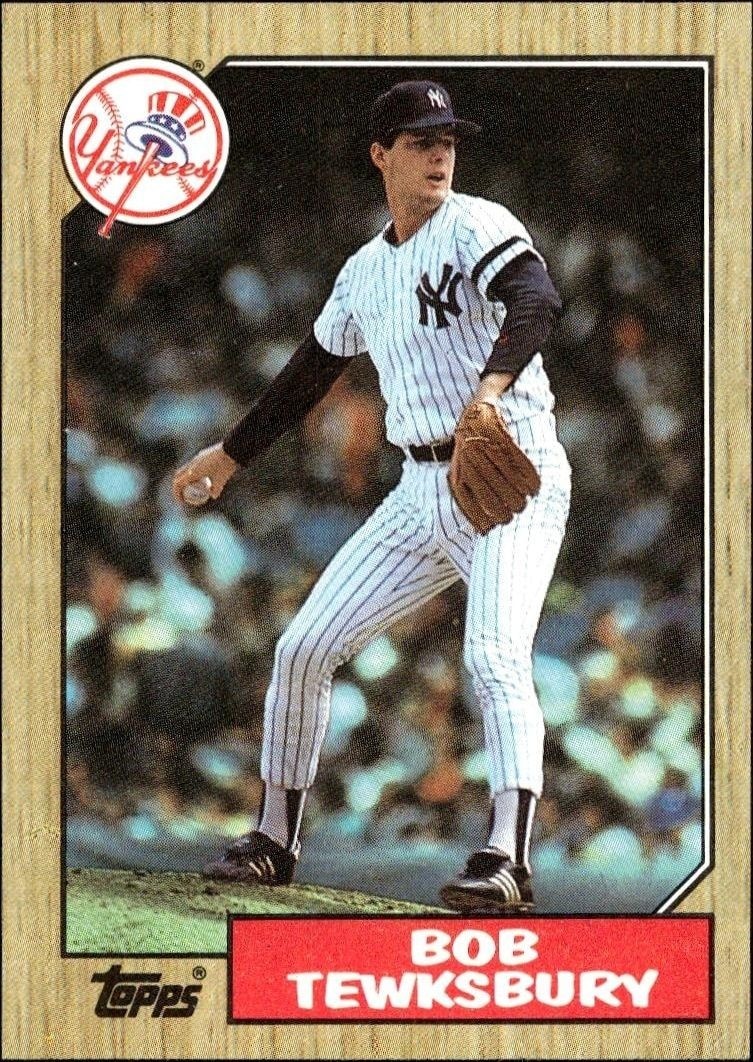

Explore available listings for the 1998 Topps Series 2 Bob Tewksbury #425 baseball card, representing his tenure with the Minnesota Twins.
1998 • Topps • Series 2
Major League Baseball • Minnesota Twins
Excellent
425
New
Shipping Calculated at Checkout
Arrives in 4-6 daysEstimated delivery October 23, 2026 - October 25, 2026
Seller returns October 19, 2026.30-day Returns| Condition | Value | Source | Trend | Price Details |
|---|---|---|---|---|
$1.50 | Guide Estimate | |||
Raw / Ungraded
PriceCharting Price Guide · Guide Estimate evidence · captured Oct 7, 2026
History is building. At least two days of matching observations are needed to show a trend.
Each point is the last stored observation that day for this printing, condition, grader, autograph status and source. Gaps mean no observation; guide estimates and asking prices are not completed sales.The 1998 Topps Series 2 release continues the legacy of the brand's consistent design language, offering collectors a distinct look at the MLB season through numbered cards. Card #425 features Bob Tewksbury, who played for the Minnesota Twins during this period, providing a specific snapshot of his career within the league's history. As a standard base card from the second series, it serves as a fundamental component for builders focusing on the 1998 Topps complete set. Collecting from this era appeals to those who appreciate the straightforward aesthetic of late-90s baseball memorabilia. The card identifies the player and team clearly, making it a recognizable piece for fans of the Twins or Tewksbury specifically. Whether you are looking to complete a chronological collection or acquire a specific player card from the 1998 season, this product represents a key entry in the broader Topps baseball catalog. For investors and casual hobbyists alike, understanding the context of Series 2 helps in evaluating the card's place within the 1998 set. This series often includes variations in design elements compared to the base release, though this number remains a standard inclusion. By browsing the available options, collectors can compare different states of preservation and pricing to make informed decisions. The enduring popularity of Topps products ensures that cards like this one remain relevant for decades after their release, maintaining their status as essential items for baseball card collections.
1 day ago
We'll pre-fill the product details from this catalog entry, so your listing lands on this exact page. Just add photos of your copy, pick its condition, and set your price.
The catalog profile below summarizes the card identity, featured subject, and notable collectible traits.
The core identity of the card within the set.
The subject, team, league, and sport context tied to this card.
Production details and format-specific attributes.
Material
Card Stock
Language
English
Compare prices, grades, photos, and shipping from approved sellers.
New
Excellent
See how many public collections currently include this card.
0 collectors have this card
This 1998 Topps Series 2 Bob Tewksbury card represents a low-tier commodity value, trading at the entry-level price point typical for mass-produced base cards from this era. While it holds historical significance as a Minnesota Twins product, the lack of special attributes or grading premiums keeps it firmly in the bulk-category range relative to the player's broader portfolio. The current market reflects standard supply-and-demand dynamics for common rookie-adjacent or mid-career base cards without unique scarcity drivers.
As a standard base card with no noted special attributes, this item carries no inherent scarcity mechanics such as serial numbering, short-print status, or parallel variations. It exists as part of a large, unconfined print run where supply significantly outstrips collector demand for non-star players. Consequently, there is no structural limitation on availability to support rarity-based valuation.
Investment potential is limited due to the card's position as a common base issue in a highly saturated market segment. Without rookie status, significant parallel variants, or exceptional condition premiums, demand remains niche and largely driven by specific team or player completists rather than broad collector interest. Long-term value appreciation is unlikely absent any unforeseen shifts in player legacy or set-wide revaluation trends.