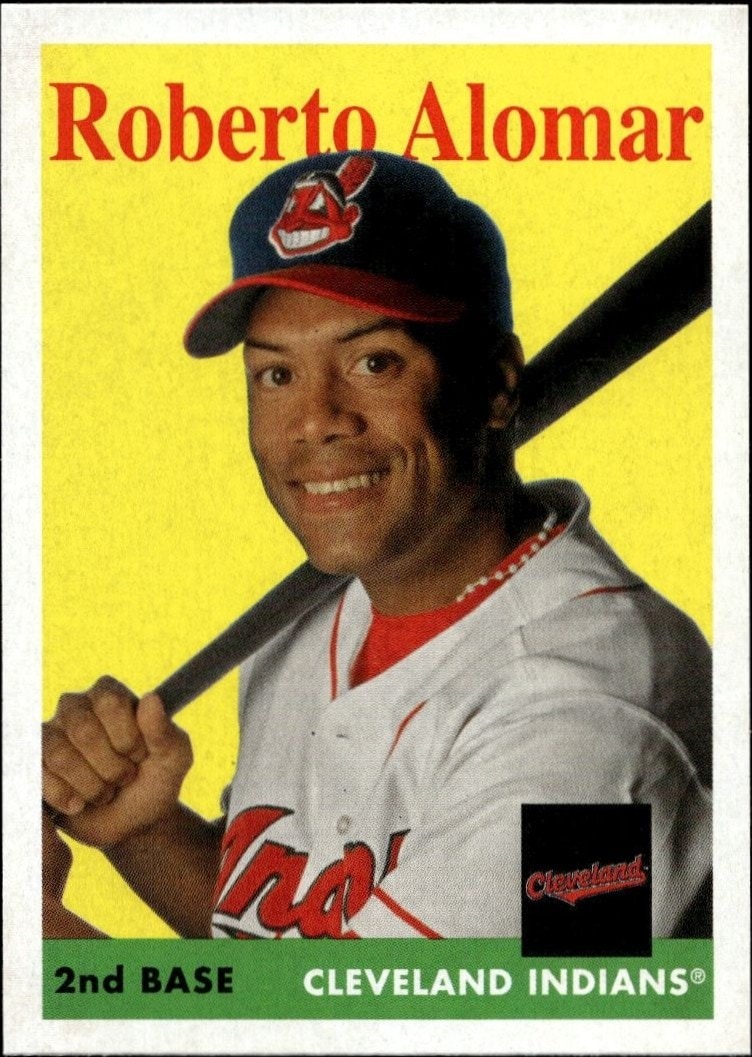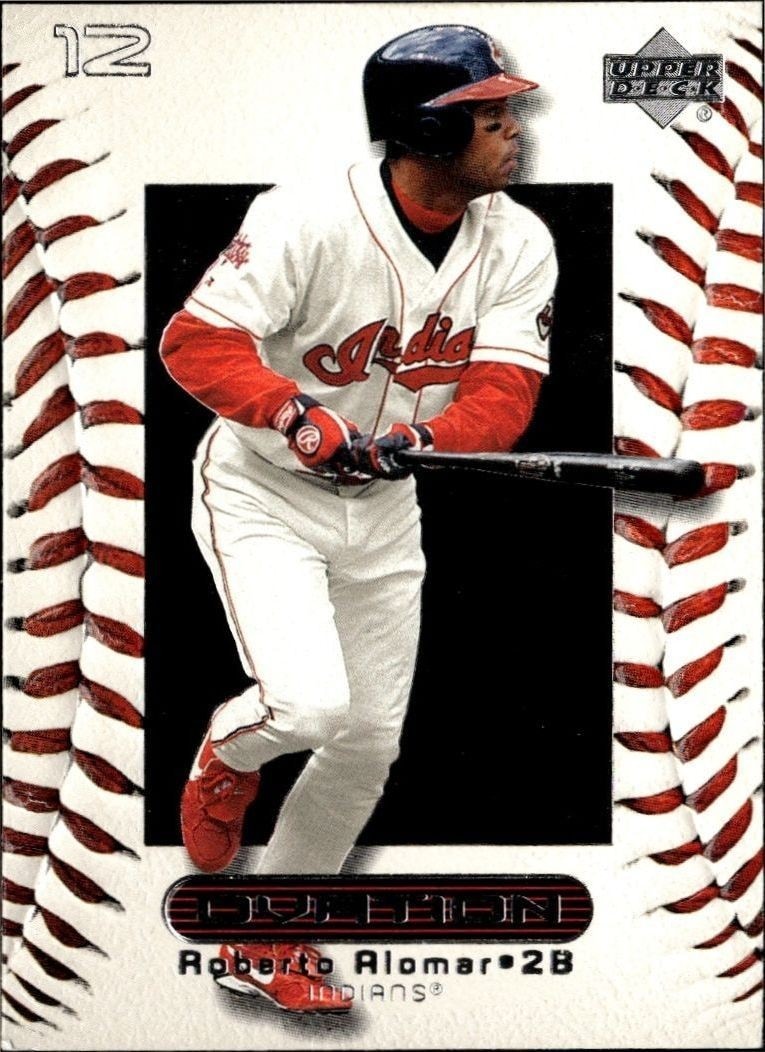




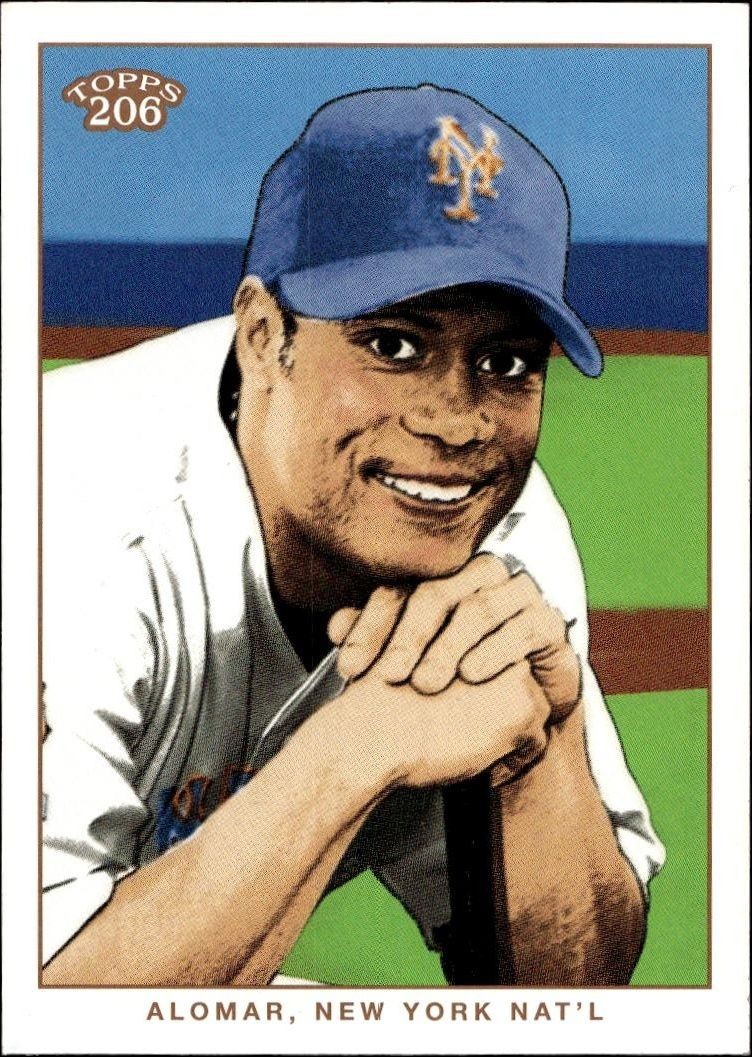
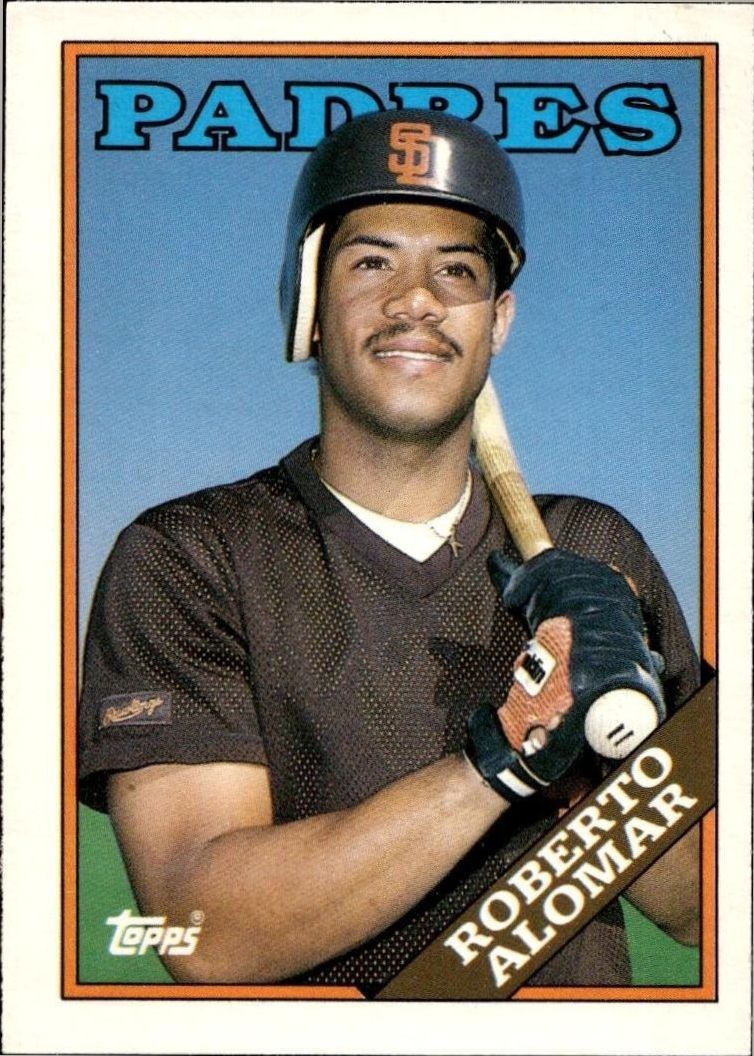
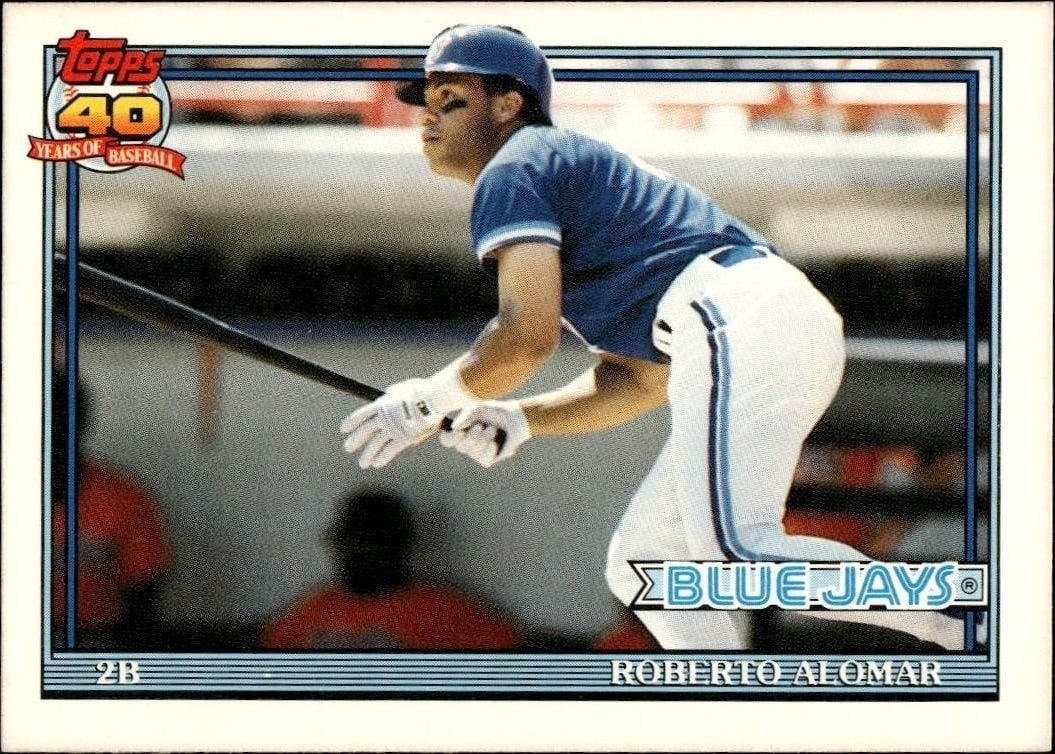

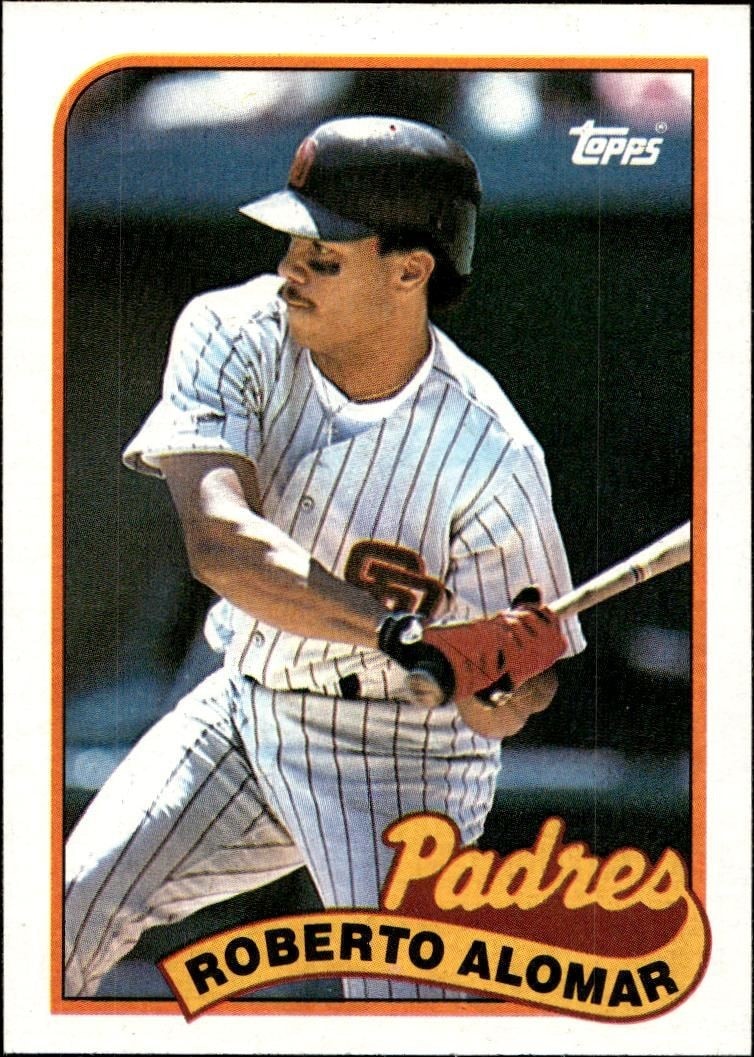


The 1998 Topps Series 2 Roberto Alomar #285 is a definitive sports trading card from the Topps brand, featuring the Baltimore Orioles player.
1998 • Topps • Series 2
Major League Baseball • Baltimore Orioles
Excellent
285
New
Shipping Calculated at Checkout
Arrives in 4-6 daysEstimated delivery October 23, 2026 - October 25, 2026
30-day Returns| Condition | Value | Source | Trend | Price Details |
|---|---|---|---|---|
$1.69 | Guide Estimate | +6.3% | ||
$15.00 | Guide Estimate | 0% | ||
$17.00 | Guide Estimate | 0% | ||
$30.39 | Guide Estimate | +0.2% | ||
$46.00 | Guide Estimate | 0% | ||
$21.00 | Guide Estimate | 0% | ||
$35.38 | Guide Estimate | +0.7% | ||
$21.00 | Guide Estimate | 0% | ||
Raw / Ungraded
PriceCharting Price Guide · Guide Estimate evidence · captured Oct 19, 2026
The 1998 Topps Series 2 Roberto Alomar #285 represents a specific entry in the broader landscape of sports trading cards, capturing a moment from a significant era in the hobby. As a product of the Topps brand, this release adheres to the design standards that have made Topps a staple for baseball enthusiasts for decades. Card number 285 is a catalog identifier that helps collectors organize and track their acquisitions within the Series 2 subset, which is part of the larger 1998 production cycle. Roberto Alomar was a standout player for the Baltimore Orioles during this period, and his presence on this card adds a layer of narrative interest for fans and investors alike. The card serves as a tangible connection to the 1998 MLB season, allowing collectors to preserve a piece of baseball history. Whether you are building a comprehensive set of 1998 Topps releases or focusing on specific players from the Baltimore Orioles, this card offers a targeted point of focus. For collectors, the appeal of the 1998 Topps Series 2 Roberto Alomar #285 lies in its clarity of identity and its place within the structured hierarchy of the Topps brand. It is a straightforward yet valuable component for those who appreciate the systematic nature of card collecting. The combination of the player’s performance, the team affiliation, and the specific card number creates a unique data point in the collector’s portfolio. This product is ideal for those who value the precision of catalog numbers and the prestige associated with the Topps name in the baseball card market.
1 day ago
We'll pre-fill the product details from this catalog entry, so your listing lands on this exact page. Just add photos of your copy, pick its condition, and set your price.
The catalog profile below summarizes the card identity, featured subject, and notable collectible traits.
The core identity of the card within the set.
The subject, team, league, and sport context tied to this card.
Production details and format-specific attributes.
Material
Card Stock
Language
English
Compare prices, grades, photos, and shipping from approved sellers.
New
Excellent
See how many public collections currently include this card.
0 collectors have this card
This 1998 Topps Series 2 Roberto Alomar card represents a baseline entry point into his career, trading at a modest value tier typical for standard base cards from this era. While Alomar commands significant respect for his Hall of Fame caliber performance, this specific unadorned parallel lacks the scarcity premiums that drive higher price points. The current pricing reflects a stable, accessible market position rather than a speculative surge, suitable for collectors building foundational sets.
As a standard base card without serial numbering, short-print designation, or unique parallel attributes, this item carries a high print run relative to its specialized counterparts. The absence of limited edition mechanics means supply is largely determined by historical survival rates rather than intentional scarcity constraints. Consequently, the card relies on general availability rather than exclusive collector demand for its value proposition.
Investment potential is moderate, driven primarily by Alomar's established legacy rather than the card's specific scarcity features. Collectors seeking to complete 1998 Topps Series 2 sets provide a consistent, albeit low-margin, demand floor for this base issue. Long-term appreciation is likely to remain flat compared to rookie cards or high-end parallels, making it a stable holding for portfolio diversity rather than a growth asset.