


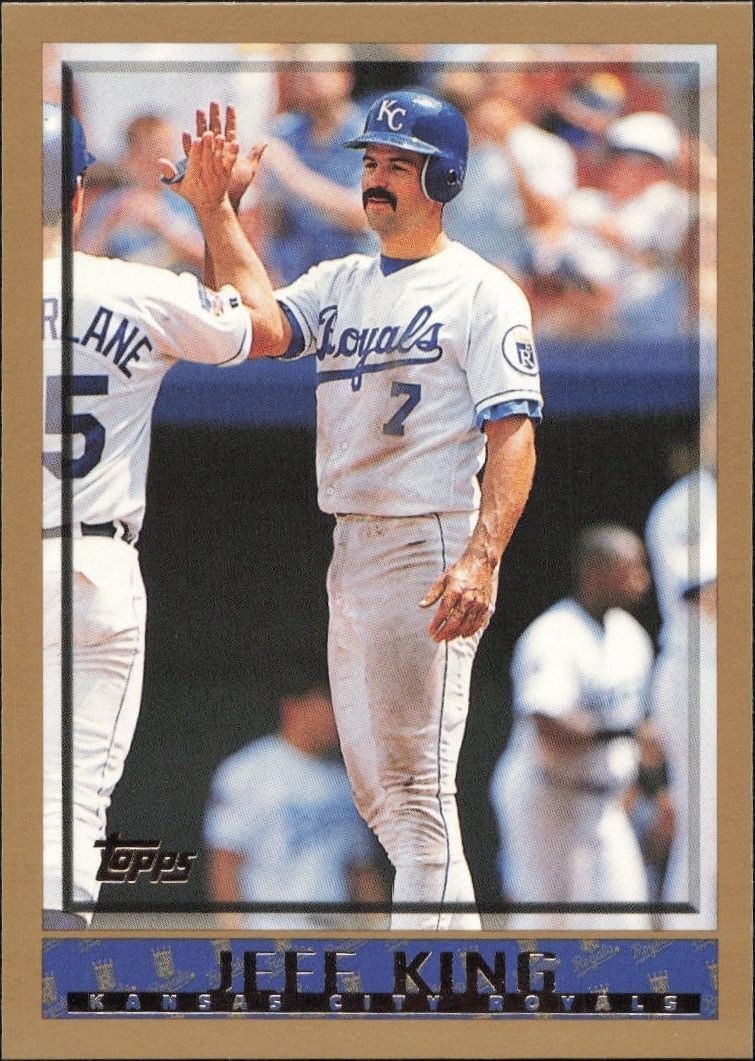
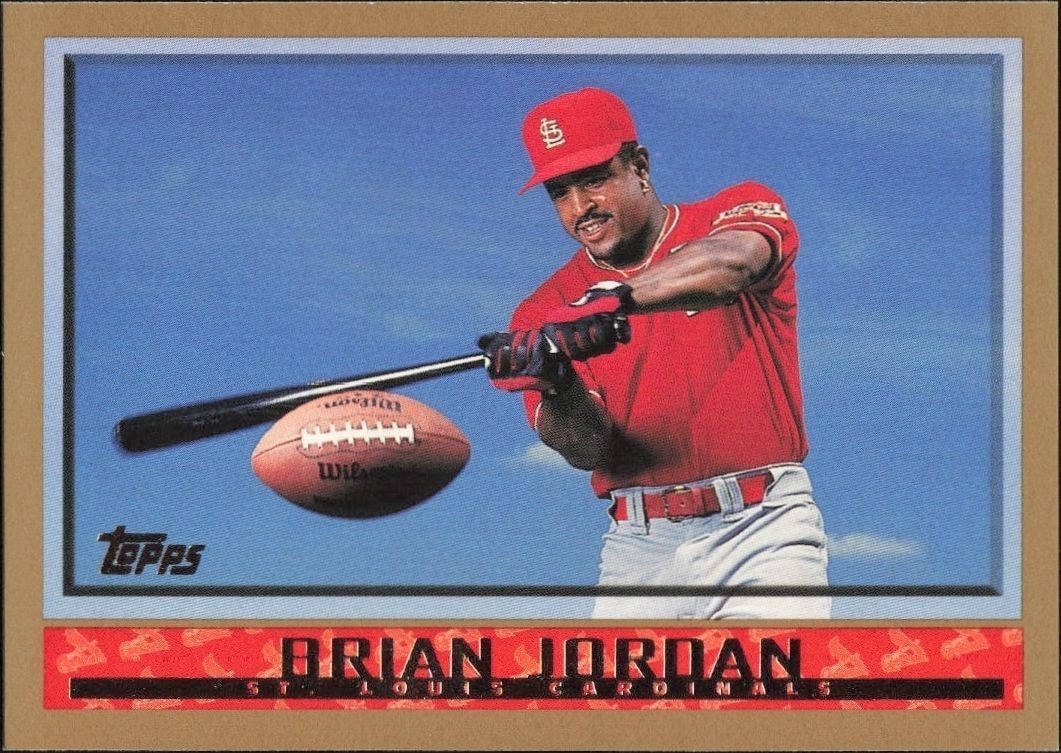
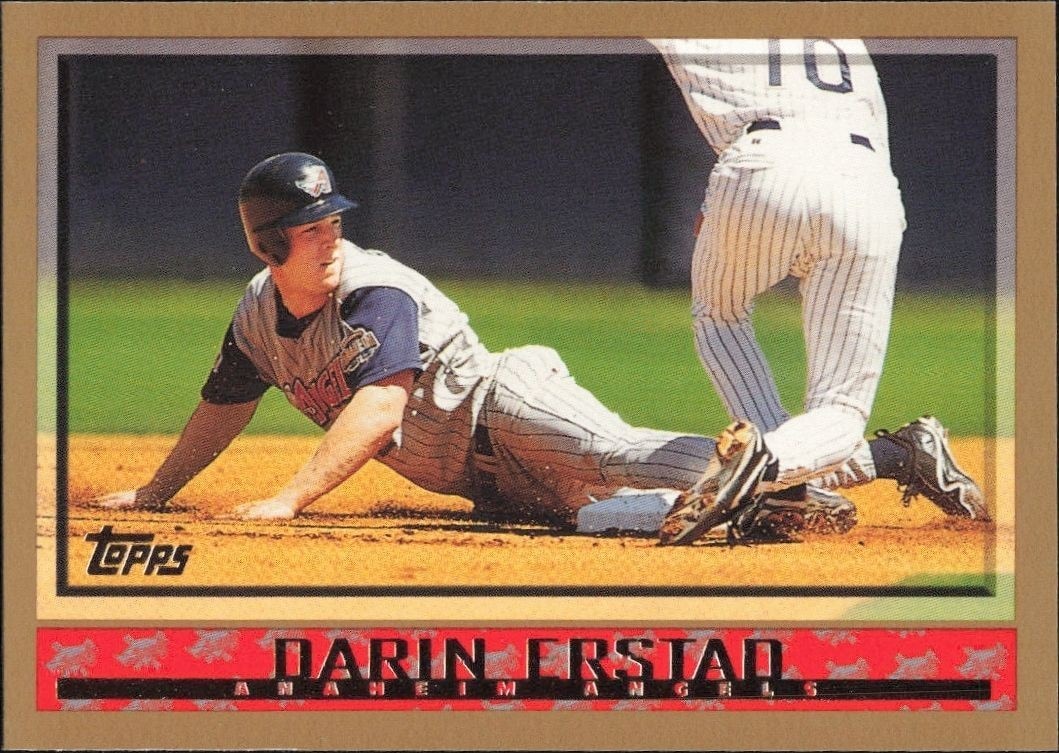
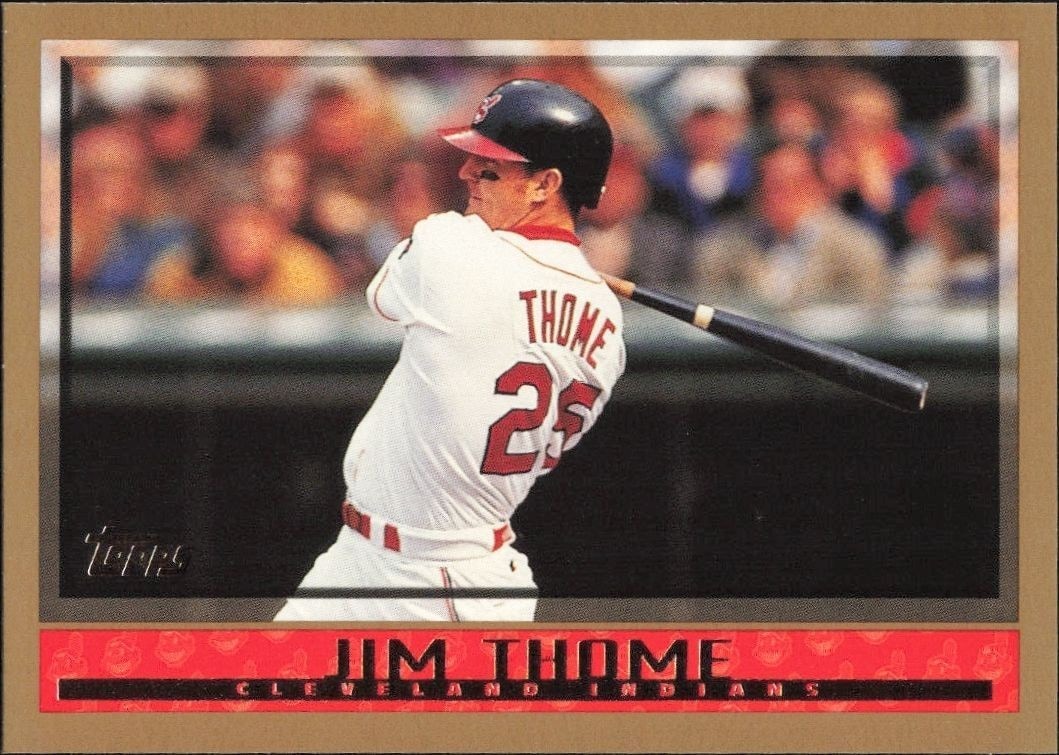




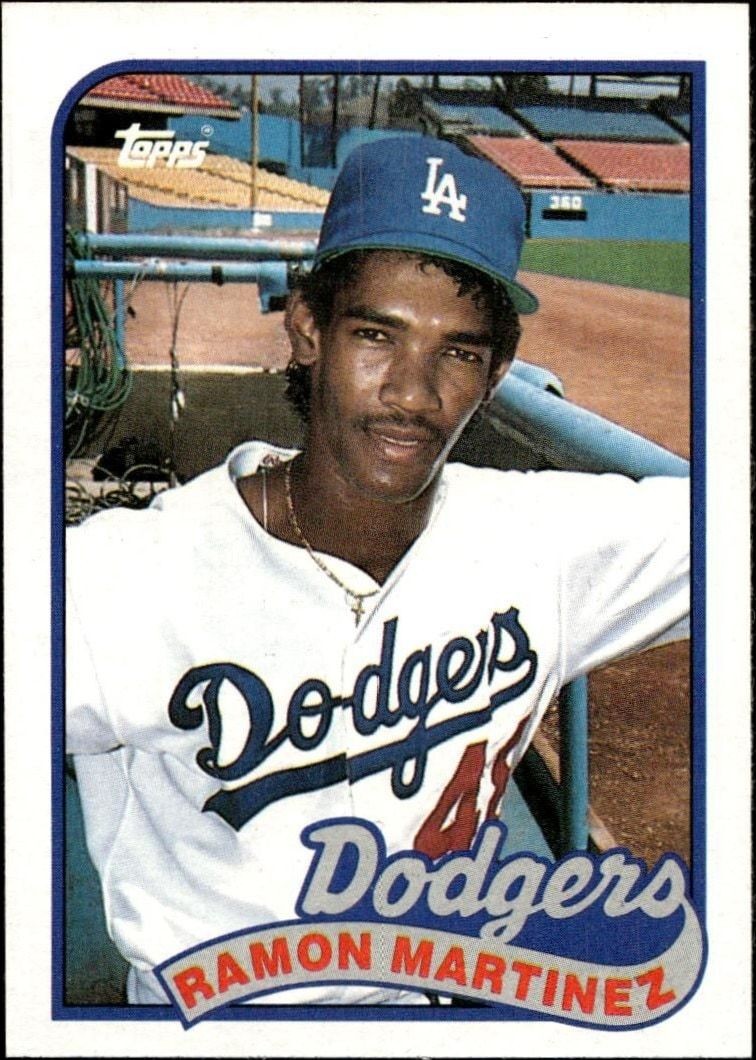


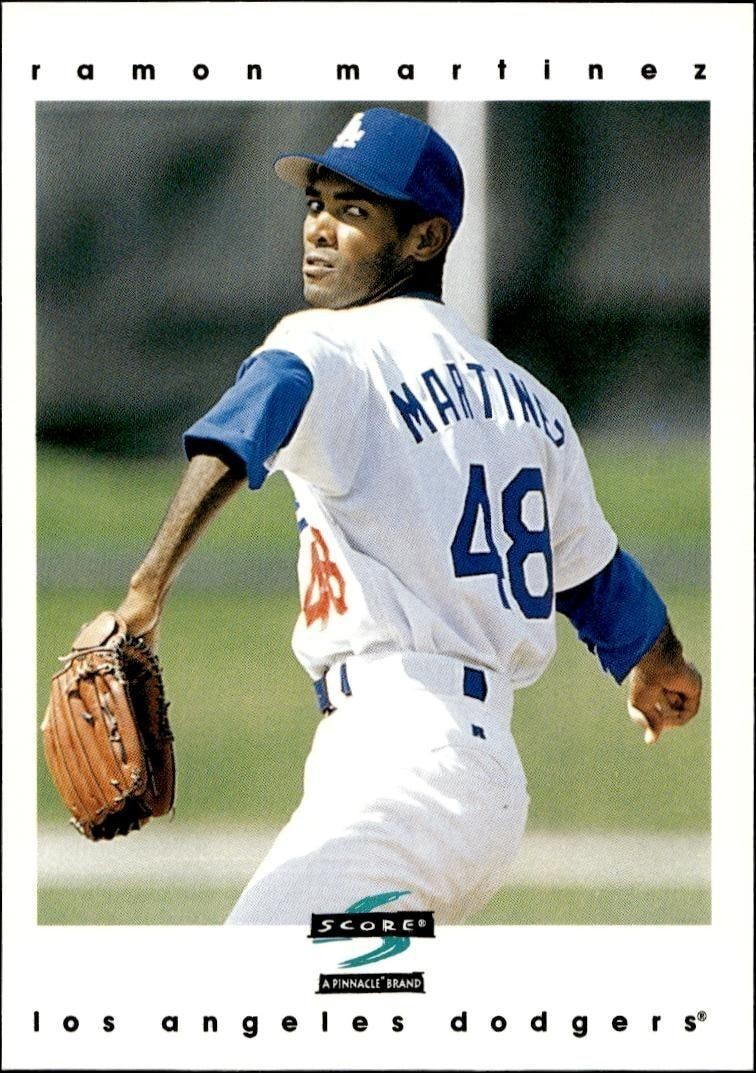

Ramon Martinez's 1998 Topps Series 2 baseball card, numbered #397, features the Los Angeles Dodgers pitcher in this classic vintage MLB trading card.
1998 • Topps • Series 2
Major League Baseball • Los Angeles Dodgers
Excellent
397
New
Shipping Calculated at Checkout
Arrives in 4-6 daysEstimated delivery October 23, 2026 - October 25, 2026
Seller returns October 19, 2026.30-day Returns| Condition | Value | Source | Trend | Price Details |
|---|---|---|---|---|
$1.28 | Guide Estimate | |||
Raw / Ungraded
PriceCharting Price Guide · Guide Estimate evidence · captured Oct 8, 2026
History is building. At least two days of matching observations are needed to show a trend.
Each point is the last stored observation that day for this printing, condition, grader, autograph status and source. Gaps mean no observation; guide estimates and asking prices are not completed sales.Ramon Martinez's 1998 Topps Series 2 baseball card, numbered #397, captures the Dodgers pitcher during a pivotal era of his career. The card represents the standard design language of late-90s baseball collecting, offering a straightforward yet nostalgic look at one of the game's premier left-handed starters. Collectors often seek out 1998 Topps cards to build comprehensive sets or to highlight specific players from the Dodgers' successful late-90s run. This card, featuring Ramon Martinez, serves as a tangible connection to that period of MLB history. Whether you are a dedicated Dodgers fan or a general baseball card enthusiast, adding this piece to your collection provides a solid foundation for understanding the era's visual identity and player landscape. The card's status as part of the broader Series 2 release adds to its appeal for those tracking the full progression of the Topps brand during this time. By focusing on catalog-level details and collector context, we ensure that each listing provides clear and accurate information about the product's identity and historical significance. This approach helps buyers make informed decisions when acquiring cards for their personal collections or investment portfolios. For those interested in the broader context of 1998 baseball, this card stands as a representative example of the year's offerings. It reflects the design trends and player rosters that defined the sport during that specific season. As collectors continue to value the tangible history embedded in these cards, pieces like Ramon Martinez's 1998 Topps release remain relevant and desirable. They offer a window into the past, allowing fans to relive memorable moments and appreciate the artistry of vintage trading card design.
1 day ago
We'll pre-fill the product details from this catalog entry, so your listing lands on this exact page. Just add photos of your copy, pick its condition, and set your price.
The catalog profile below summarizes the card identity, featured subject, and notable collectible traits.
The core identity of the card within the set.
The subject, team, league, and sport context tied to this card.
Production details and format-specific attributes.
Material
Card Stock
Language
English
Compare prices, grades, photos, and shipping from approved sellers.
New
Excellent
See how many public collections currently include this card.
0 collectors have this card
This 1998 Topps Series 2 Ramon Martinez card trades at a modest price tier typical for standard base inserts from this era. As a player associated with the Los Angeles Dodgers during the late 1990s, it holds niche interest among collectors of that specific team and period. The absence of special attributes keeps its value grounded in general market liquidity rather than premium scarcity.
The item is identified as a standard base card with no noted special attributes such as serial numbering, short printing, or parallel processing. This indicates it was produced in high volume relative to the set's limited variants, resulting in abundant supply. Consequently, the card lacks the structural scarcity mechanics that typically drive significant value premiums in the secondary market.
As a non-rookie base card from the late 1990s, it lacks the rookie-card premium mechanics that often serve as primary demand drivers for long-term appreciation. The broad availability of identical copies suggests that collector demand is likely satisfied by low-cost acquisition rather than competitive bidding. While it may serve as a fill-in for complete set builders, it does not exhibit the scarcity profiles required for strong independent investment growth.
