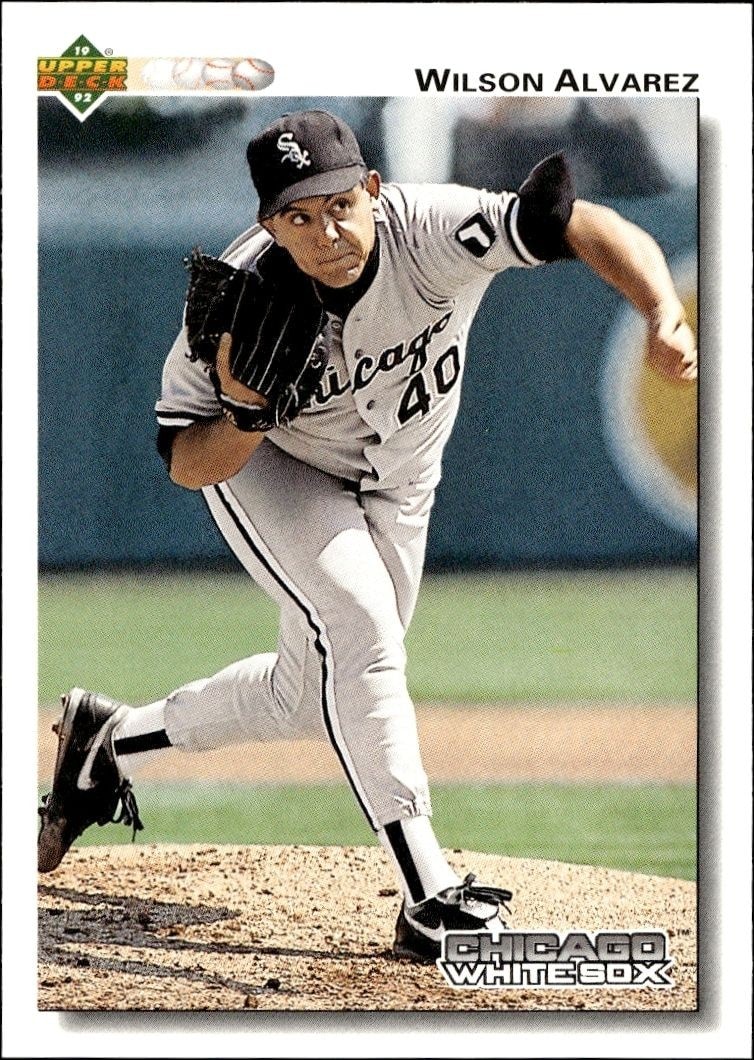




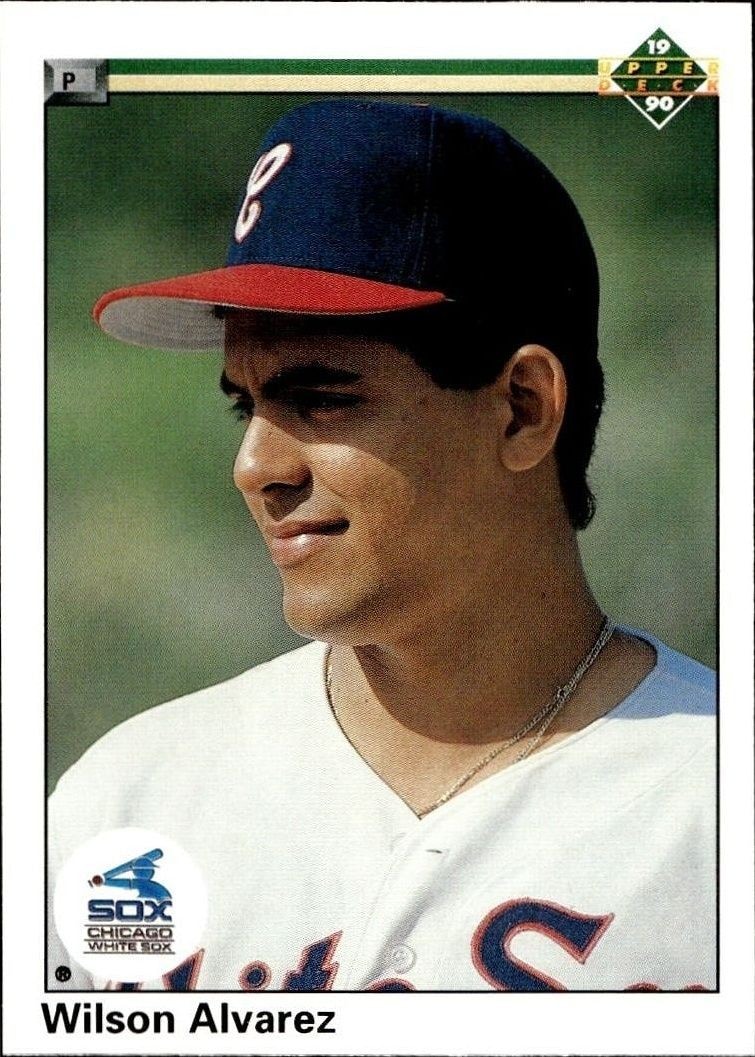
Explore the 1998 Topps Series 2 Wilson Alvarez baseball card, catalogued as number 344. This release features the Tampa Bay Devil Rays player in the iconic Topps design.
1998 • Topps • Series 2
Major League Baseball • Tampa Bay Devil Rays
Near Mint
344
New
Shipping Calculated at Checkout
Arrives in 5-7 daysEstimated delivery October 23, 2026 - October 25, 2026
Seller returns October 19, 2026.30-day Returns| Condition | Value | Source | Trend | Price Details |
|---|---|---|---|---|
$1.79 | Guide Estimate | |||
Raw / Ungraded
PriceCharting Price Guide · Guide Estimate evidence · captured Oct 8, 2026
History is building. At least two days of matching observations are needed to show a trend.
Each point is the last stored observation that day for this printing, condition, grader, autograph status and source. Gaps mean no observation; guide estimates and asking prices are not completed sales.The 1998 Topps Series 2 set offers collectors a distinct look at the late-1990s baseball landscape, and Wilson Alvarez's card #344 stands as a key entry for those tracking Tampa Bay Devil Rays history. As one of the team's early roster members, Alvarez's inclusion in this series captures a pivotal moment in franchise expansion. The 1998 Topps brand remains a cornerstone of modern sports card collecting, known for its consistent design and broad coverage of MLB rosters. This card, identified by the number 344 in the Series 2 subset, allows collectors to focus on the player's tenure with the Devil Rays without the distraction of premium parallels or autographs. For investors and hobbyists alike, the 1998 Topps Series 2 release provides an accessible entry point into 90s baseball memorabilia. The Tampa Bay Devil Rays era is a unique chapter in baseball history, and owning a card from this period adds depth to any portfolio. By focusing on the catalog identity of card #344, collectors can appreciate the historical context of Alvarez's time in Tampa Bay. This product serves as an essential component for anyone documenting the growth of the franchise during its inaugural seasons. The 1998 Topps Series 2 release continues to be a popular choice for those seeking authentic, verified pieces of baseball history.
1 day ago
We'll pre-fill the product details from this catalog entry, so your listing lands on this exact page. Just add photos of your copy, pick its condition, and set your price.
The catalog profile below summarizes the card identity, featured subject, and notable collectible traits.
The core identity of the card within the set.
The subject, team, league, and sport context tied to this card.
Production details and format-specific attributes.
Material
Card Stock
Language
English
Compare prices, grades, photos, and shipping from approved sellers.
New
Near Mint
See how many public collections currently include this card.
0 collectors have this card
This card represents an entry-level tier within the 1998 Topps Series 2 set, reflecting its status as a standard base card rather than a premium insert. While Wilson Alvarez holds significance as a founding member of the Tampa Bay Devil Rays, the lack of special attributes limits its price premium compared to parallel or autographed versions. It currently trades at a modest valuation relative to the broader set, appealing primarily to completists seeking to fill a specific team slot.
The card carries no special scarcity attributes, such as serial numbering, short-print status, or unique parallels, meaning it exists in standard base population. As a non-serial numbered item from a mass-produced set, its supply is determined by general production volume rather than limited edition mechanics. This places it in the most accessible tier of the collection, lacking the constrained supply drivers found in higher-tier parallels or inserts.
As a standard base card from a 1998 release, this item lacks the rookie-card premium or special set positioning that typically drives significant appreciation. Demand is likely driven by collectors assembling complete team sets for the Tampa Bay Devil Rays rather than speculative growth. Long-term value stability relies on the enduring interest in early franchise history rather than intrinsic card rarity or grading tiers.