






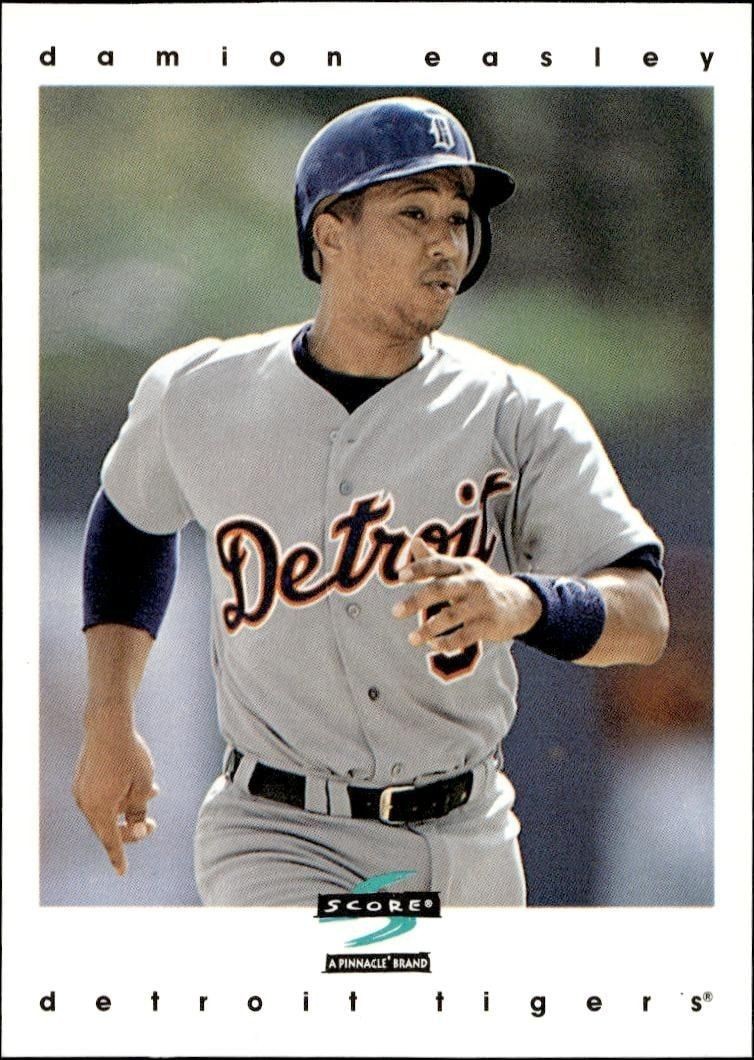
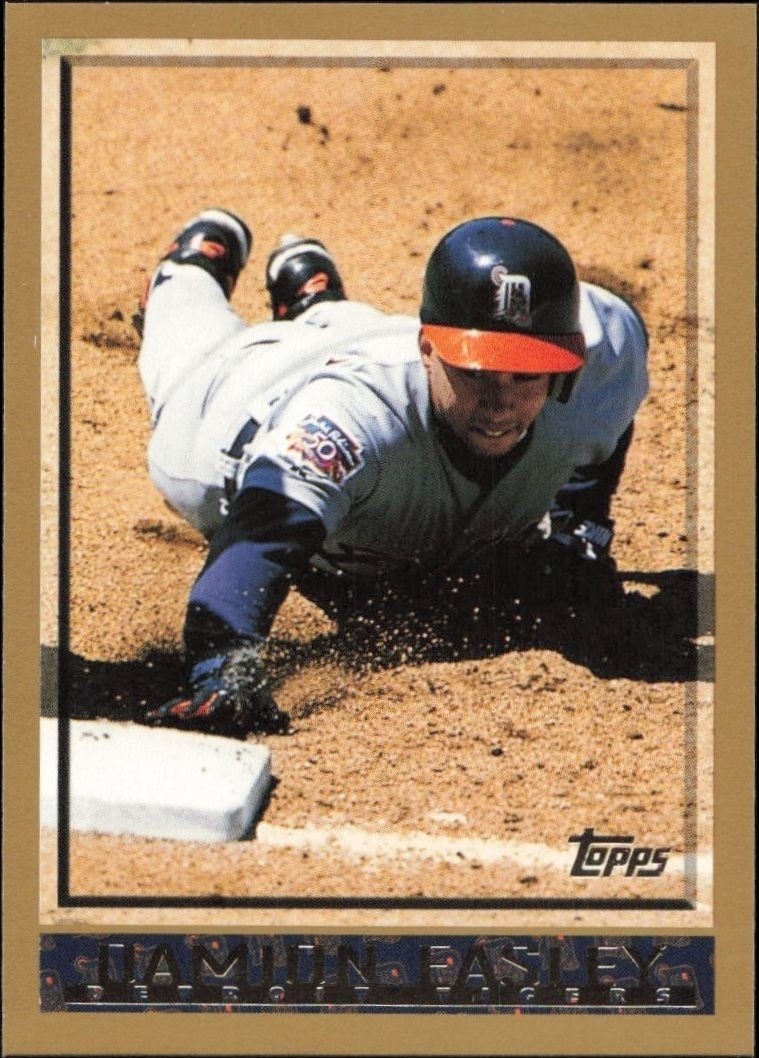
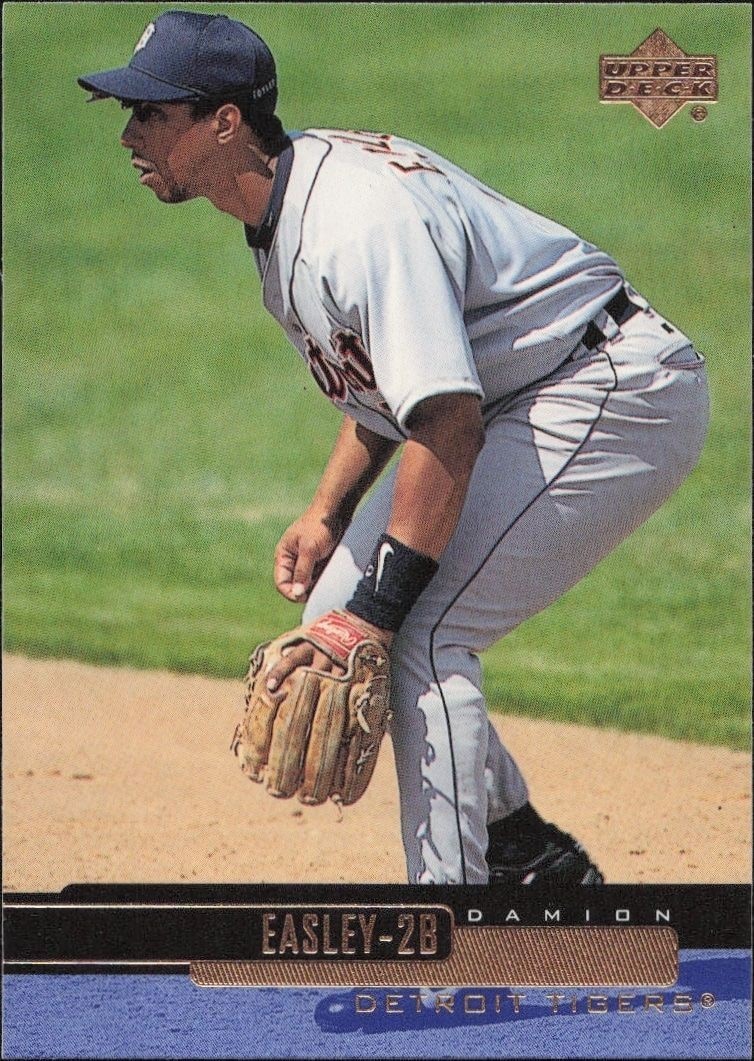
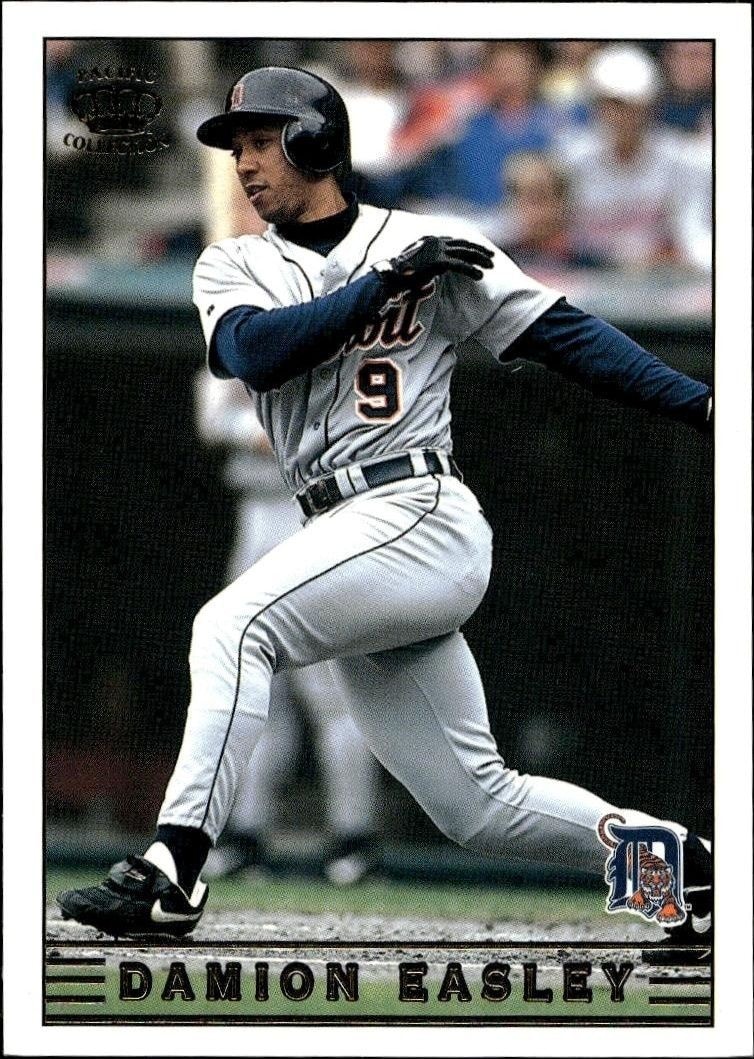
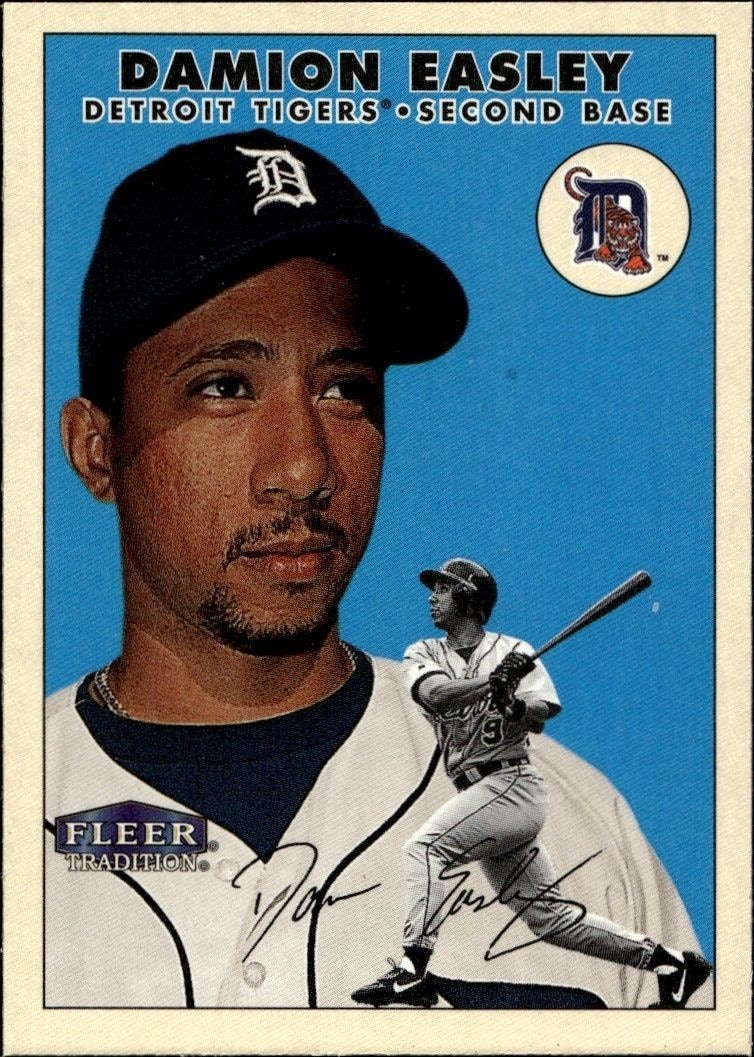
This 1999 Pacific Paramount baseball card features Damion Easley of the Detroit Tigers, designated as card number 88 in the series.
1999 • Pacific • Paramount
Major League Baseball • Detroit Tigers
Near Mint
88
New
Shipping Calculated at Checkout
Arrives in 5-7 daysEstimated delivery October 23, 2026 - October 25, 2026
Seller returns October 19, 2026.30-day Returns| Condition | Value | Source | Trend | Price Details |
|---|---|---|---|---|
$0.99 | Asking Prices | -27.7% | ||
Raw / Ungraded
eBay Active Listings · Asking Prices evidence · captured Oct 17, 2026
The 1999 Pacific Paramount release offers collectors a distinct look at the late-1990s MLB landscape, with card number 88 highlighting Damion Easley during his tenure with the Detroit Tigers. This entry in the Paramount series captures a moment in the player's career, providing a tangible connection to the era for fans of the team and the sport. As part of the broader baseball trading card market, items from this period hold significant nostalgic value for those who follow the history of the game. Collectors often seek out cards from the 1999 Pacific Paramount set for their unique design elements and the way they document the roster of that specific season. For enthusiasts building collections around the Detroit Tigers or Damion Easley, this card serves as a key component. Whether you are a dedicated set builder looking to complete the 1999 Pacific Paramount checklist or a general baseball card investor focusing on the late 90s era, this product provides a direct link to that time. The card's identity is rooted in its catalog number and the brand's specific production style, ensuring it fits seamlessly into any organized collection. Understanding the context of the 1999 season adds depth to the collecting experience. Damion Easley's time in Detroit is a notable chapter for Tigers fans, and owning a card from this release allows collectors to honor that legacy. The Paramount series remains a respected part of baseball card history, and this card stands as a testament to the enduring appeal of physical memorabilia in the digital age. For those who appreciate the craftsmanship of trading cards from this period, this product offers both aesthetic and historical interest.
11 hours ago
We'll pre-fill the product details from this catalog entry, so your listing lands on this exact page. Just add photos of your copy, pick its condition, and set your price.
The catalog profile below summarizes the card identity, featured subject, and notable collectible traits.
The core identity of the card within the set.
The subject, team, league, and sport context tied to this card.
Production details and format-specific attributes.
Material
Card Stock
Language
English
Compare prices, grades, photos, and shipping from approved sellers.
New
Near Mint
See how many public collections currently include this card.
0 collectors have this card
Damion Easley’s 1999 Pacific Paramount card sits in a modest price tier, reflecting his role as a utility player rather than a franchise cornerstone. The current market presence indicates accessible pricing for collectors seeking vintage Tigers inventory, with the single active listing suggesting a thin but stable liquidity pool. This valuation aligns with his career significance as a reliable, albeit not star-studded, figure in late-90s baseball memorabilia.
This issue lacks any special scarcity attributes such as serial numbering, short-print status, or parallel variations, placing it firmly in the base set category. Consequently, supply is determined by the original print run of the Paramount series rather than artificial constraints or unique production limits. Collectors should view this as a standard base card with no inherent rarity mechanics beyond its age and brand provenance.
As a non-rookie, non-premium parallel from a 1999 release, this card offers limited appreciation potential driven primarily by nostalgia for the Detroit Tigers era rather than player trajectory. Demand is likely sustained by niche collectors focusing on Pacific brand aesthetics or specific team archives, but it lacks the rookie-card premium or high-grade scarcity that typically drives significant market growth. Investors should approach this as a low-risk, low-reward addition to a broader vintage baseball collection.