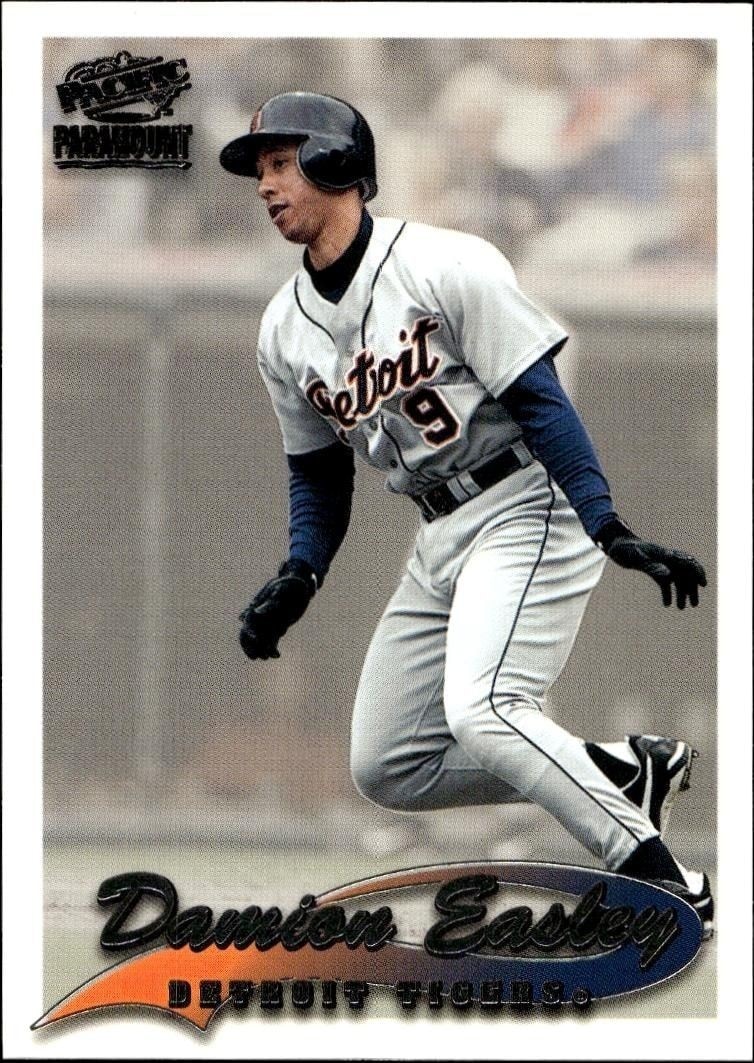



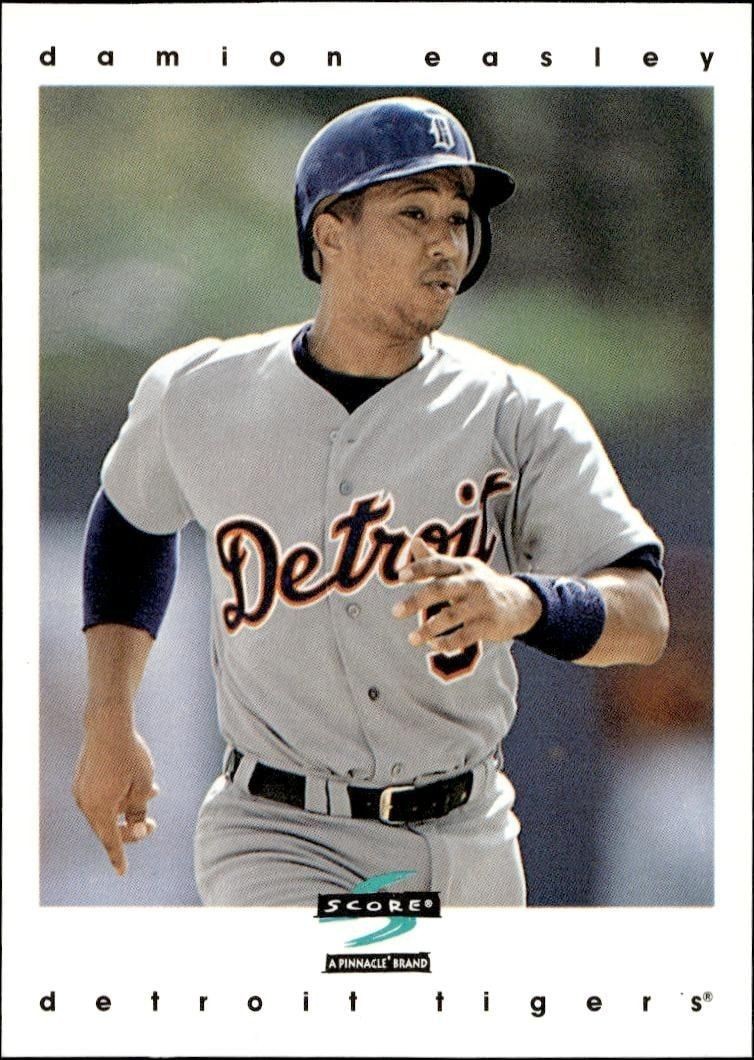
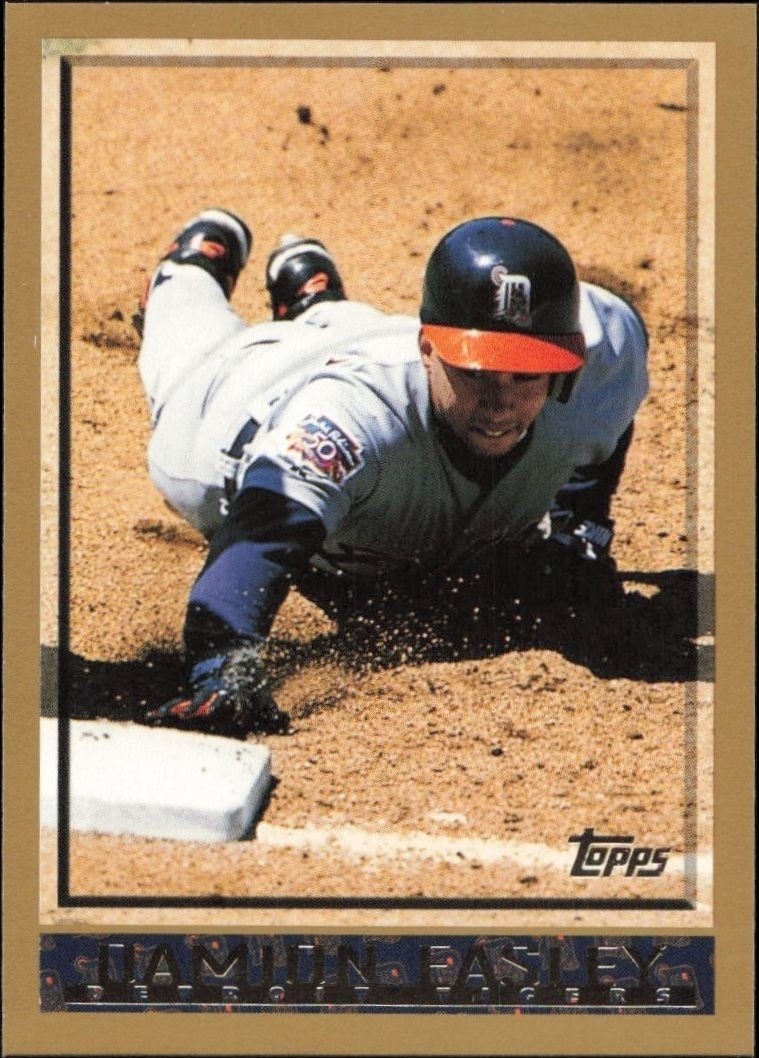
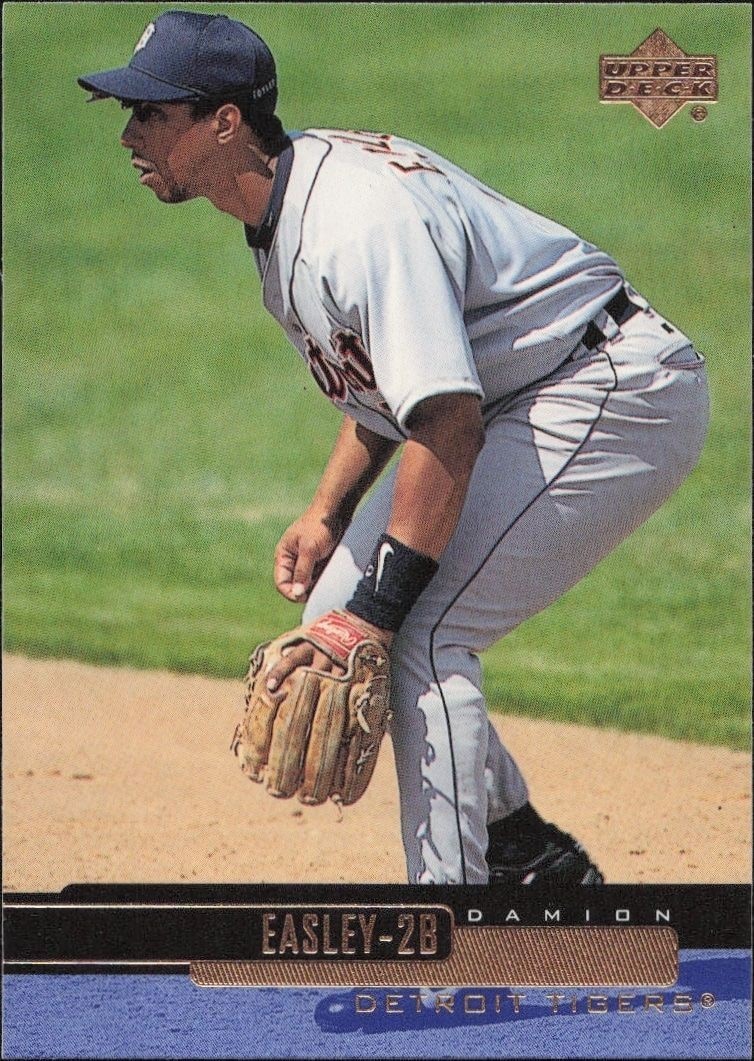
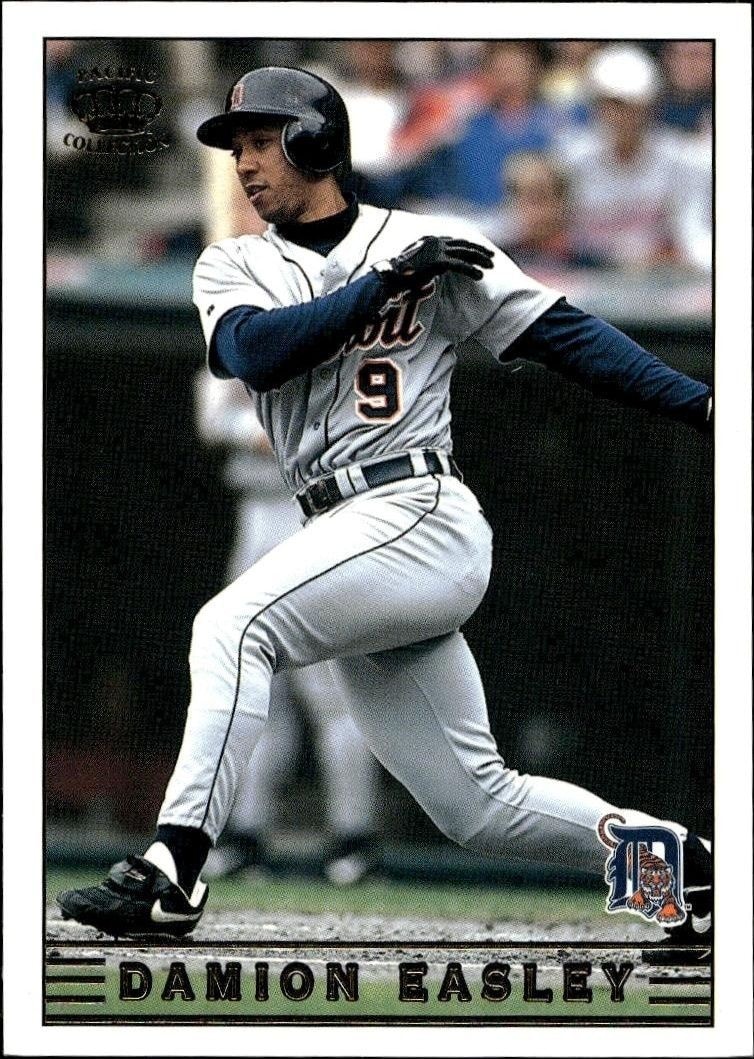
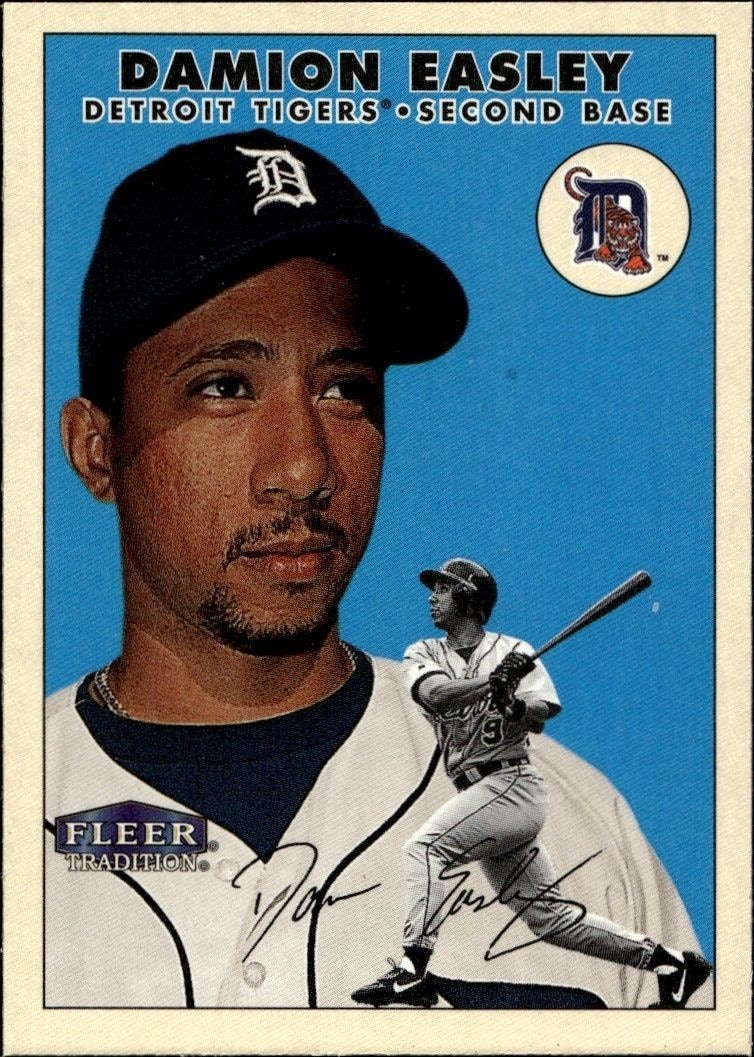
The 1994 Topps #418 Damion Easley Gold parallel offers a distinctive foil treatment for collectors of Angels history and 90s baseball memorabilia.
1994 • Topps • Gold
Major League Baseball • Los Angeles Angels
Excellent
418
New
Shipping Calculated at Checkout
Arrives in 5-7 daysEstimated delivery October 23, 2026 - October 25, 2026
Seller returns October 19, 2026.30-day Returns| Condition | Value | Source | Trend | Price Details |
|---|---|---|---|---|
$0.99 | Guide Estimate | |||
Raw / Ungraded
PriceCharting Price Guide · Guide Estimate evidence · captured Oct 18, 2026
History is building. At least two days of matching observations are needed to show a trend.
Each point is the last stored observation that day for this printing, condition, grader, autograph status and source. Gaps mean no observation; guide estimates and asking prices are not completed sales.The 1994 Topps #418 Damion Easley Gold parallel represents a unique subset within the historic Topps baseball card series. Released during the 1994 season, this card features Damion Easley in his Los Angeles Angels uniform, capturing the prospect's early career before his MLB debut. The Gold variation is produced using a special foil process that distinguishes it from the standard base cards, offering a shimmering aesthetic that appeals to those who appreciate visual rarity in vintage collections. Collecting 1994 Topps is often driven by the era's distinct design language and the high volume of parallel variations released that year. The Gold parallel is one of several insert types that add depth to the set, allowing collectors to focus on specific visual treatments alongside player subjects. For Angels enthusiasts, Easley’s inclusion provides a tangible link to the franchise's minor league development system during a pivotal time in franchise history. The 1994 Topps Damion Easley #418 Gold is particularly relevant for investors and completers of specialized subsets. While the base card documents the standard checklist, the Gold variant serves as a premium alternative for those who prefer bold finishes. Its status as a foil parallel makes it a distinct catalog entity within the broader 1994 release, separate from other insert sets or base issues. Enthusiasts often target these variations to diversify their portfolios of 90s baseball cards, recognizing the collectible nature of foil treatments from this manufacturing period. The card remains a key identifier for collectors tracking the progression of Angels prospects from the mid-90s era.
11 hours ago
We'll pre-fill the product details from this catalog entry, so your listing lands on this exact page. Just add photos of your copy, pick its condition, and set your price.
The catalog profile below summarizes the card identity, featured subject, and notable collectible traits.
The core identity of the card within the set.
The subject, team, league, and sport context tied to this card.
Production details and format-specific attributes.
Material
Card Stock
Language
English
Compare prices, grades, photos, and shipping from approved sellers.
New
Excellent
See how many public collections currently include this card.
0 collectors have this card
This 1994 Topps card of Damion Easley sits at the very base level of the market, reflecting its status as a standard issue from a high-volume set. While Easley had a respectable MLB career, this specific base card lacks the scarcity or condition premium that typically elevates player value beyond nominal tiers. It trades at the lowest end of the price spectrum, serving primarily as an affordable entry point for collectors completing early-career sets rather than as a standalone investment piece.
The card carries no special rarity attributes, indicating it is a common base parallel found in every pack of the 1994 Topps product. This lack of serial numbering, short-print status, or special foil treatment means the supply is effectively unlimited relative to collector demand. As a standard base card, its scarcity is determined solely by its age and general condition preservation, rather than any manufactured production constraints.
As a non-rookie card from a mass-produced set, this item lacks the rookie-card premium mechanics that drive significant long-term value appreciation in baseball collecting. The broad availability and lack of unique features suggest limited upside potential for capital gains, making it more suitable for set completion than speculative holding. Demand remains stable but low, driven by nostalgia for the mid-90s era rather than scarcity or player trajectory shifts.