










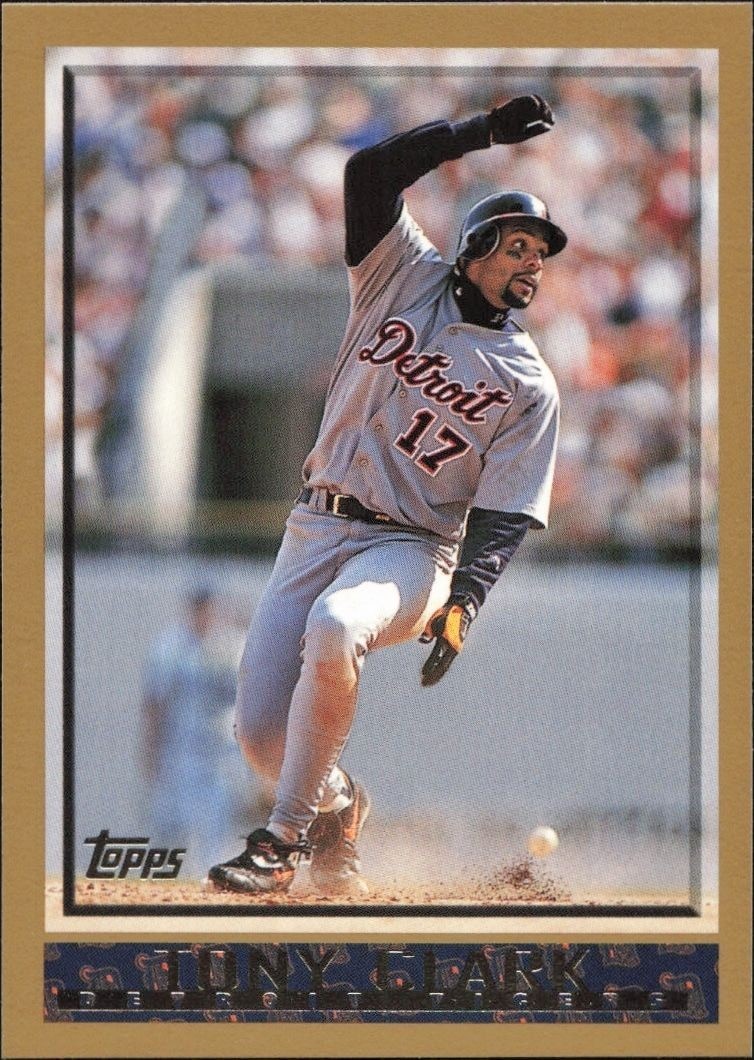


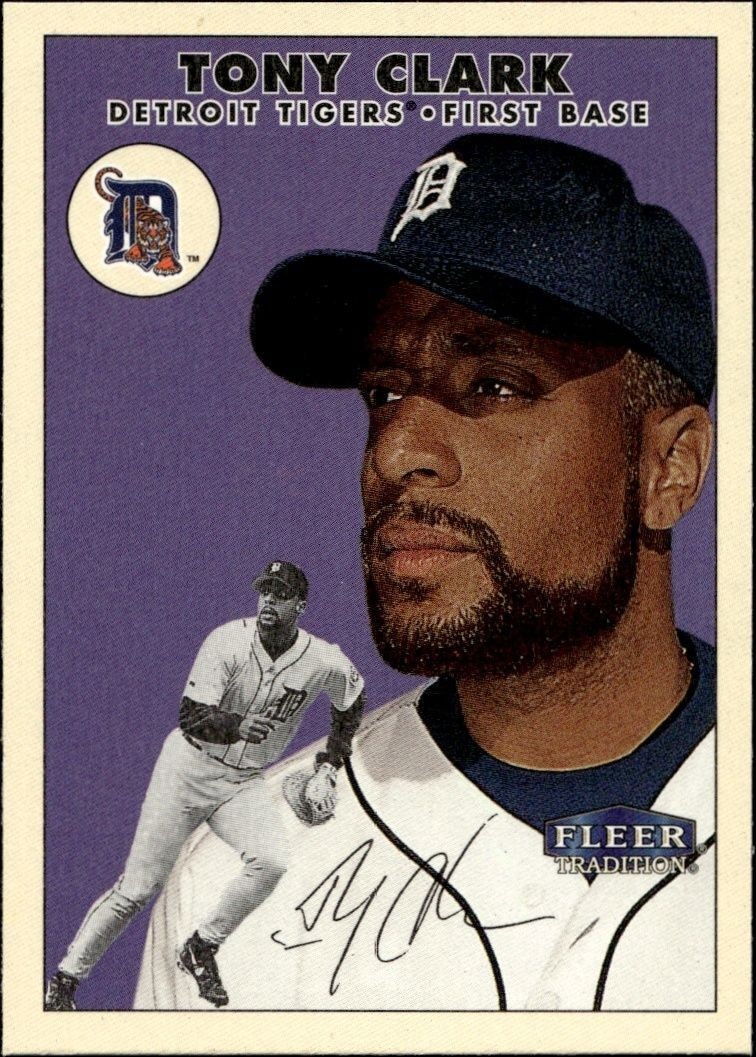

Explore the 1999 Pacific Paramount Tony Clark #87 baseball card, a distinct collectible featuring the Detroit Tigers player from the late 1990s era.
1999 • Pacific • Paramount
Major League Baseball • Detroit Tigers
Near Mint
87
New
Shipping Calculated at Checkout
Arrives in 4-6 daysEstimated delivery October 23, 2026 - October 25, 2026
30-day Returns| Condition | Value | Source | Trend | Price Details |
|---|---|---|---|---|
$2.22 | Guide Estimate | 0% | ||
Raw / Ungraded
PriceCharting Price Guide · Guide Estimate evidence · captured Oct 19, 2026
The 1999 Pacific Paramount series offers a unique window into the late 1990s baseball landscape, with this card featuring Tony Clark of the Detroit Tigers. As card number 87 in the set, it represents a specific snapshot of a player who was an integral part of the Tigers roster during this period. Collectors often seek out cards from this era to build comprehensive collections that span different brands and designs, making the 1999 Pacific Paramount a notable inclusion for enthusiasts of the time. Tony Clark, known for his power-hitting capabilities, is featured on this card, which captures his presence during a significant phase of his career. For those interested in Detroit Tigers history or collecting cards from the 1999 season, this product provides a tangible connection to that specific moment in baseball. Whether you are looking to complete a set of 1999 Pacific releases or add a piece of Tigers memorabilia to your display, the Tony Clark #87 card serves as a valuable addition. The card's design and subject matter appeal to a wide range of collectors, from those focusing on specific teams to those tracking the careers of notable players. Exploring the broader context of the 1999 Pacific Paramount set can reveal other interesting cards and players, offering a deeper appreciation for the diversity of the hobby during this time. This product stands as a testament to the enduring appeal of baseball trading cards, preserving the memories and statistics of the game's participants for future generations.
1 day ago
We'll pre-fill the product details from this catalog entry, so your listing lands on this exact page. Just add photos of your copy, pick its condition, and set your price.
The catalog profile below summarizes the card identity, featured subject, and notable collectible traits.
The core identity of the card within the set.
The subject, team, league, and sport context tied to this card.
Production details and format-specific attributes.
Material
Card Stock
Language
English
Compare prices, grades, photos, and shipping from approved sellers.
New
Near Mint
See how many public collections currently include this card.
0 collectors have this card
This 1999 Pacific Paramount card represents a budget-tier entry for Tony Clark collectors, reflecting the broader market trend where non-premium parallel cards from this era remain accessible. While Clark holds a notable role in Tigers history, this specific base version does not command a significant premium over similar offshoots due to its lack of distinctive scarcity markers. It serves as a functional component for set completion rather than a standalone value driver.
The card lacks any special attributes such as serial numbering, short-print designation, or parallel processing, placing it at the lowest tier of scarcity within the Paramount set. This base status implies a high print run relative to its special counterparts, resulting in a widely available supply that dampens rarity-based value appreciation. Collectors seeking unique copies must look to the set's higher-tier parallels, as this item offers no exclusive population constraints.
As a standard base card from a mid-1990s release, this item faces limited upside potential for investors due to the abundance of surviving copies and the absence of rookie-card status. Demand is primarily driven by those completing specific 1999 Pacific Paramount sets rather than speculative interest in Clark's career trajectory. The investment outlook remains stable but flat, suitable only for collectors focused on set assembly rather than asset growth.
