








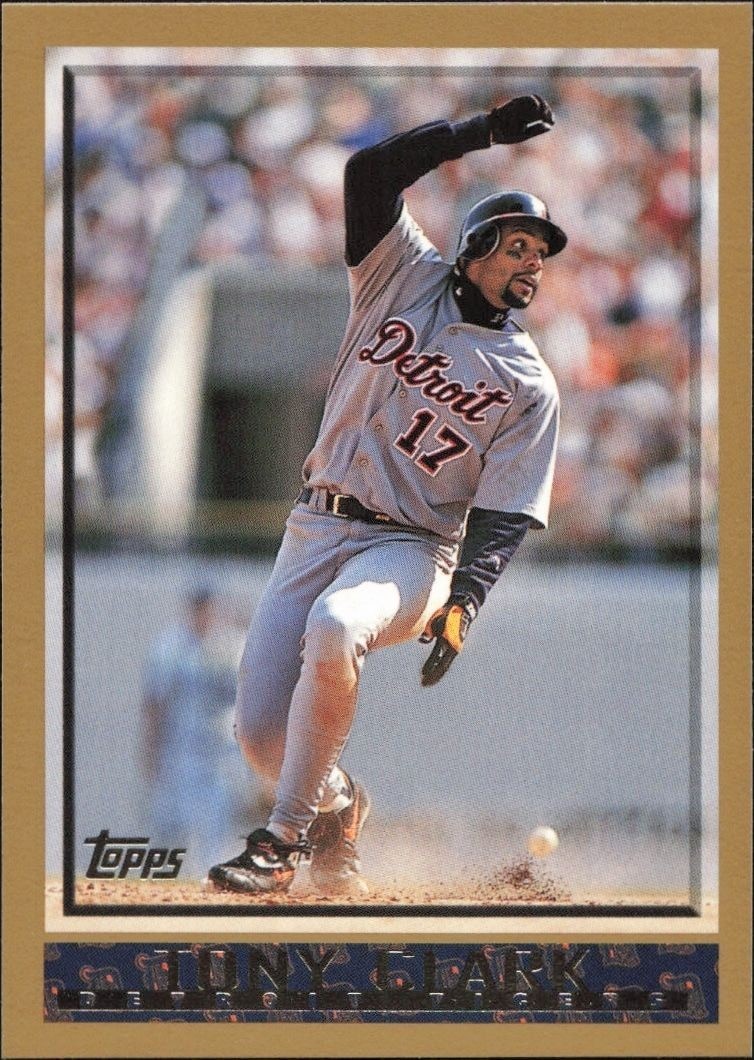
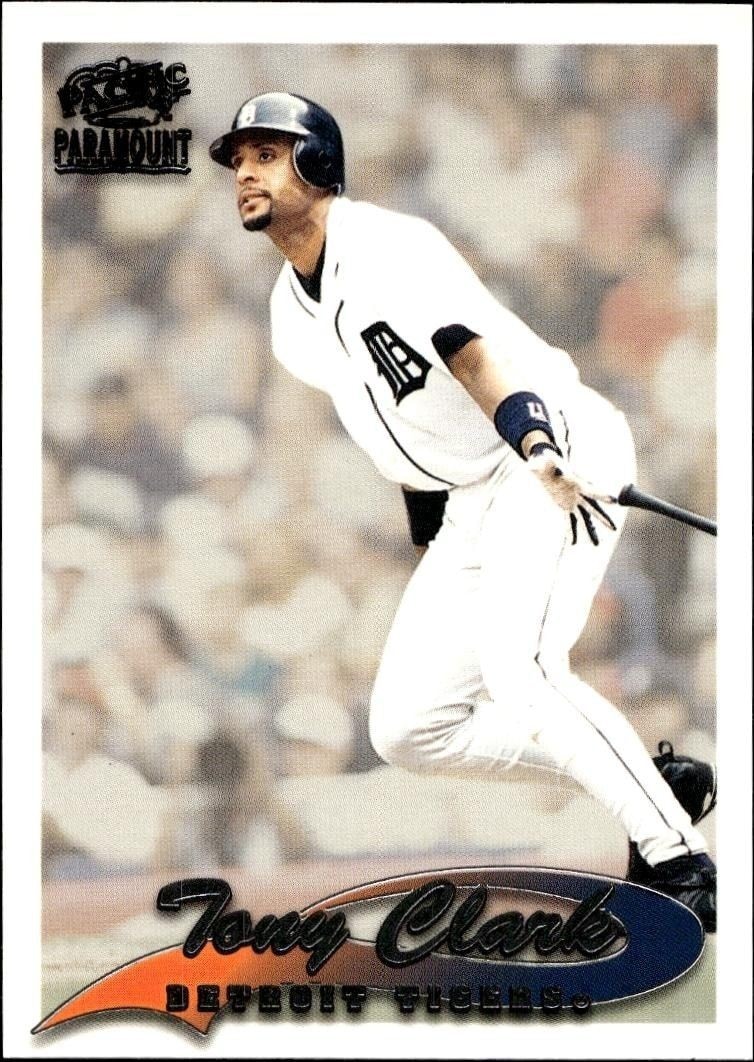

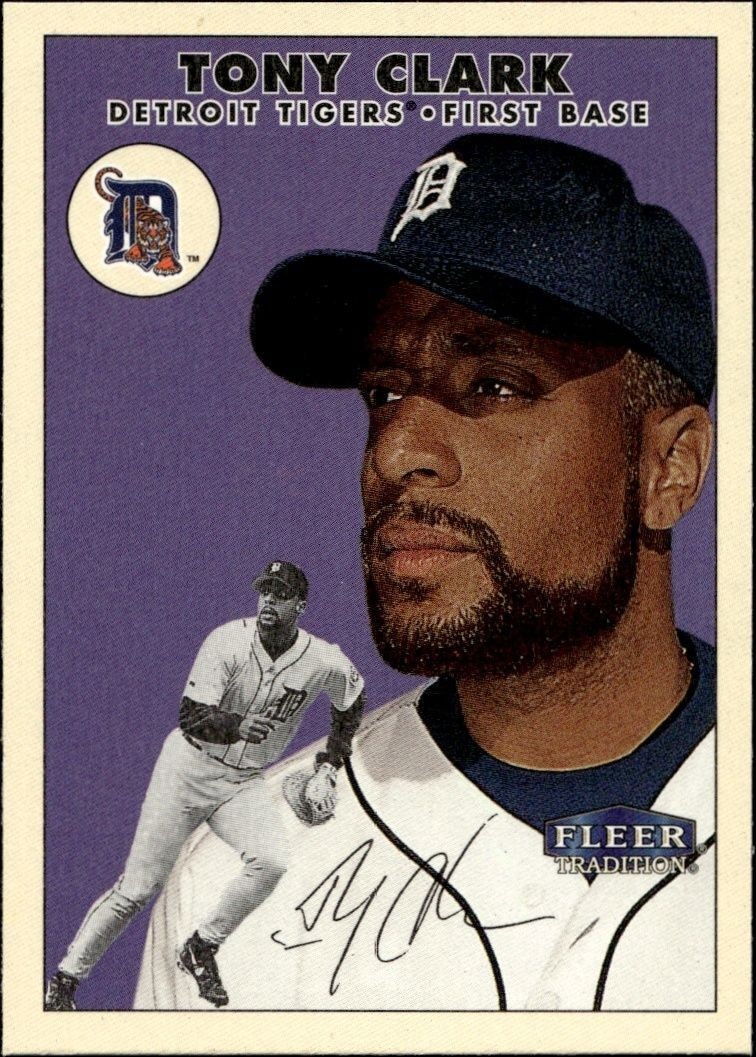

This product features the 1996 Topps Series 2 Tony Clark baseball card, numbered 337, representing a specific release from the mid-90s trading card era.
1996 • Topps • Series 2
Major League Baseball • Detroit Tigers
Near Mint
337
New
Shipping Calculated at Checkout
Arrives in 4-6 daysEstimated delivery October 23, 2026 - October 25, 2026
30-day Returns| Condition | Value | Source | Trend | Price Details |
|---|---|---|---|---|
$1.46 | Guide Estimate | |||
$4.43 | Guide Estimate | |||
$32.00 | Guide Estimate | |||
$15.00 | Guide Estimate | |||
$24.91 | Guide Estimate | |||
$15.00 | Guide Estimate | |||
Raw / Ungraded
PriceCharting Price Guide · Guide Estimate evidence · captured Oct 16, 2026
History is building. At least two days of matching observations are needed to show a trend.
Each point is the last stored observation that day for this printing, condition, grader, autograph status and source. Gaps mean no observation; guide estimates and asking prices are not completed sales.The 1996 Topps Series 2 Tony Clark #337 card offers a distinct snapshot of a player associated with the Detroit Tigers during a pivotal decade for baseball collectibles. Released as part of the broader Topps brand catalog, this card number is part of the Series 2 subset, which typically featured different design aesthetics compared to the main base set. Collectors often look for this card to round out their 1996 Topps collections or to track the career path of athletes who played during this era. Tony Clark's presence in this 1996 release is notable for fans and historians who follow the Detroit Tigers roster changes of the mid-90s. While this card is not a rookie issue, it captures the subject at a specific point in time, making it a valuable addition for those who specialize in vintage sports trading cards from the Topps manufacturer. The #337 designation helps enthusiasts quickly identify this entry within the larger Series 2 framework. For investors and hobbyists alike, the 1996 Topps Series 2 Tony Clark card serves as a tangible link to the history of the Detroit Tigers and the broader MLB landscape of that year. It stands as a representative example of mass-produced sports memorabilia that has maintained relevance among collectors. Whether you are building a team set or focusing on specific player cards from the 1990s, this product provides a clear and direct connection to that period of sports history.
1 day ago
We'll pre-fill the product details from this catalog entry, so your listing lands on this exact page. Just add photos of your copy, pick its condition, and set your price.
The catalog profile below summarizes the card identity, featured subject, and notable collectible traits.
The core identity of the card within the set.
The subject, team, league, and sport context tied to this card.
Production details and format-specific attributes.
Material
Card Stock
Language
English
Compare prices, grades, photos, and shipping from approved sellers.
New
Near Mint
See how many public collections currently include this card.
0 collectors have this card
As a standard base card from the 1996 Topps Series 2 set, this Tony Clark listing trades at a modest entry-level price point typical for mainstream MLB players of that era. The current market positioning reflects its status as a common ungraded item rather than a high-tier collectible, with limited active inventory suggesting steady but low-volume demand. Its value is anchored by the nostalgia of the mid-90s Topps brand rather than significant grading premiums or scarcity-driven appreciation.
This card carries no special scarcity attributes, identifying it as a standard base issue within the Series 2 set without serial numbering, short-print designation, or parallel variations. The supply is effectively unlimited relative to collector demand, as base cards are mass-produced and widely available in both raw and graded states. Consequently, there are no mechanical supply constraints such as limited edition counts or one-of-one designations to restrict availability.
Investment potential is limited due to the card's classification as a common base item from a high-print-run set, lacking the rookie-card premium or unique attributes that typically drive long-term value appreciation. Collector interest is likely driven by general nostalgia for the 1996 Topps brand rather than specific performance metrics or Hall of Fame status, which are not indicated here. For optimal returns, investors should focus on higher-tier parallels or signed variants within the same product line, as base cards of this nature generally offer minimal upside.
