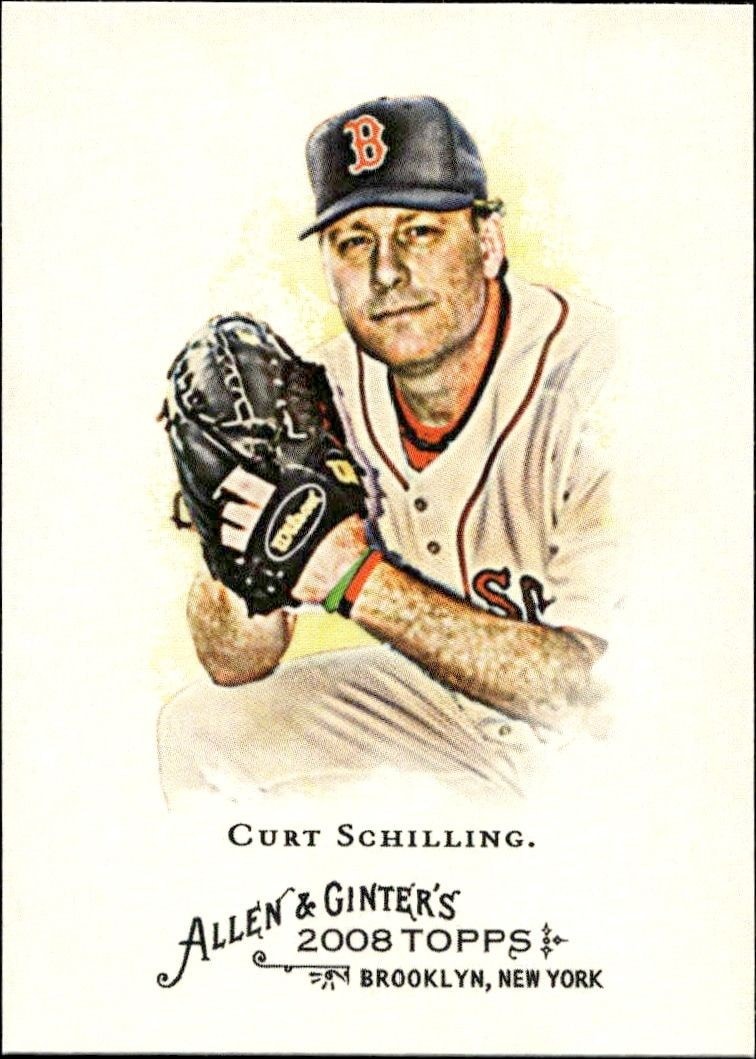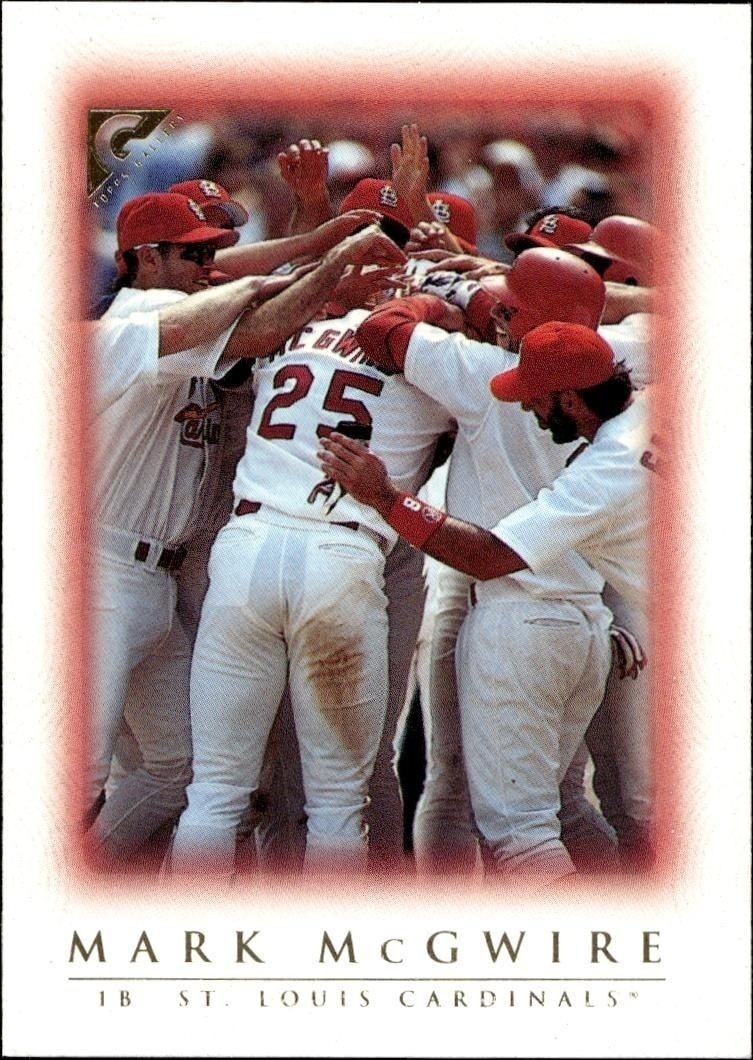
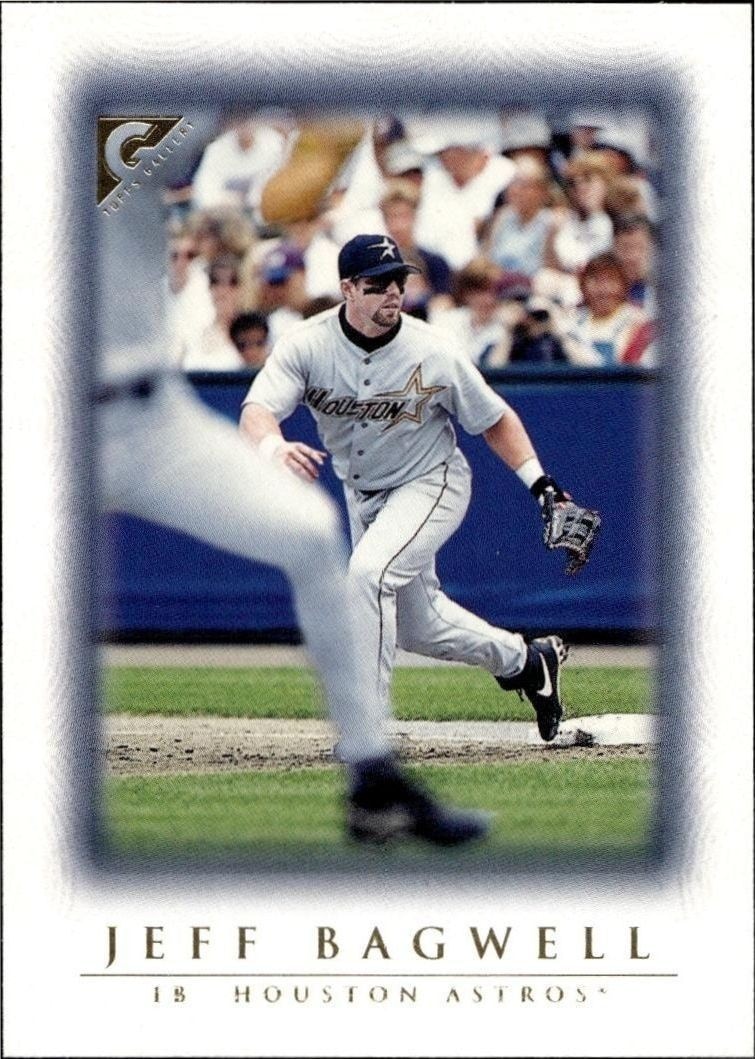
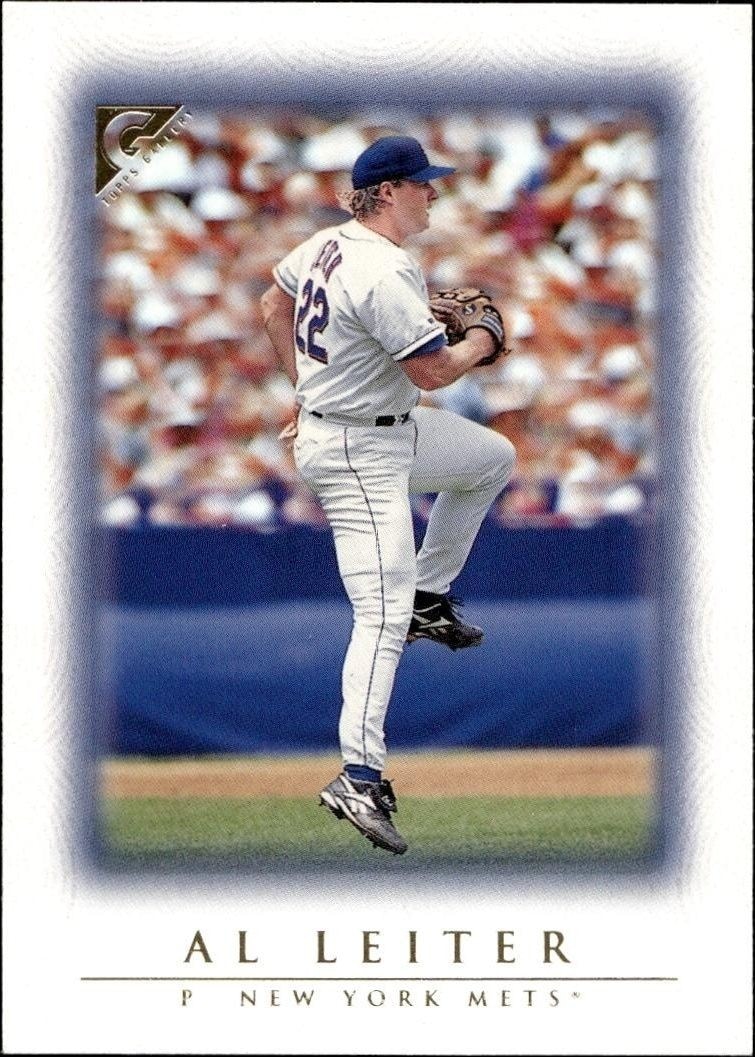
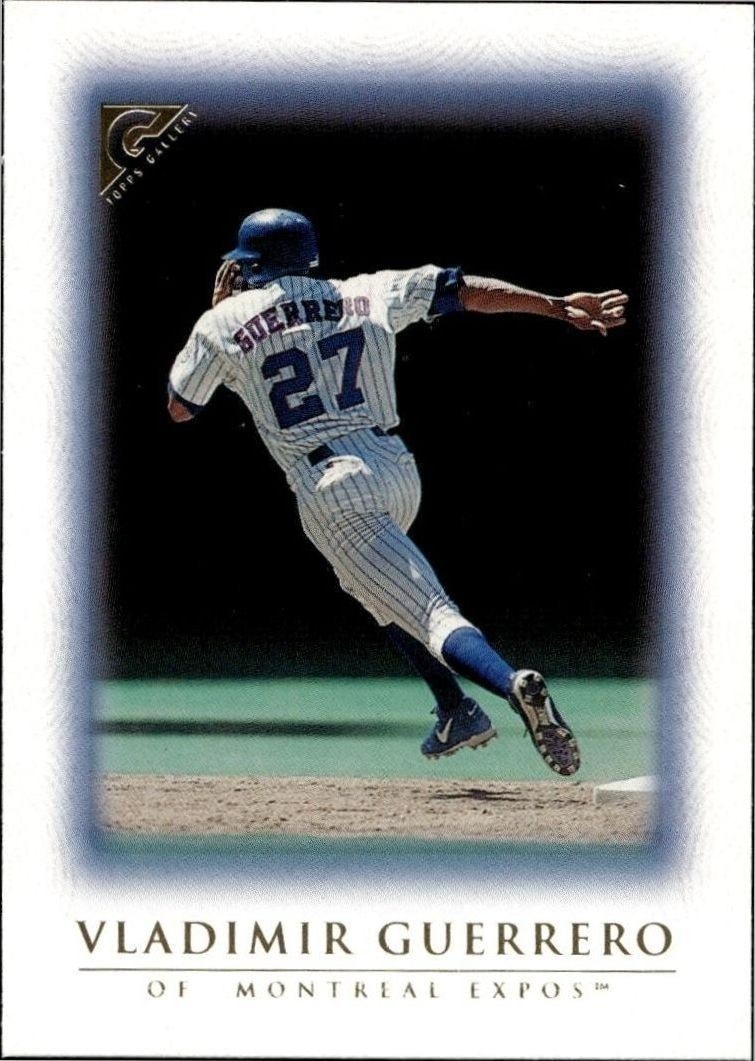
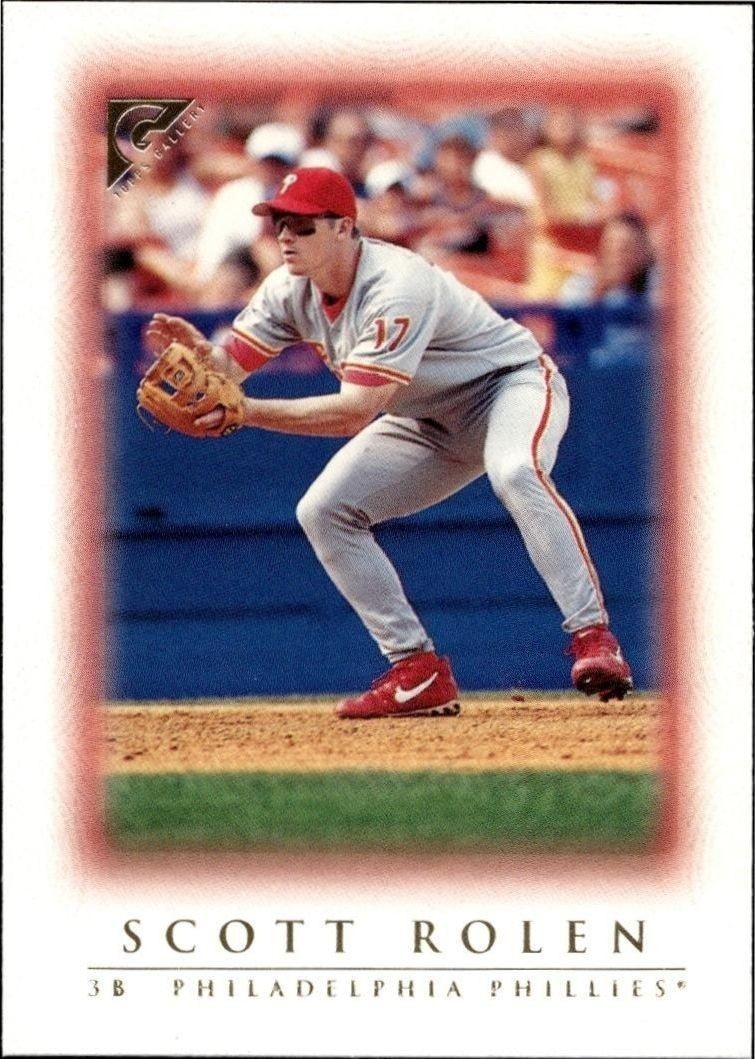

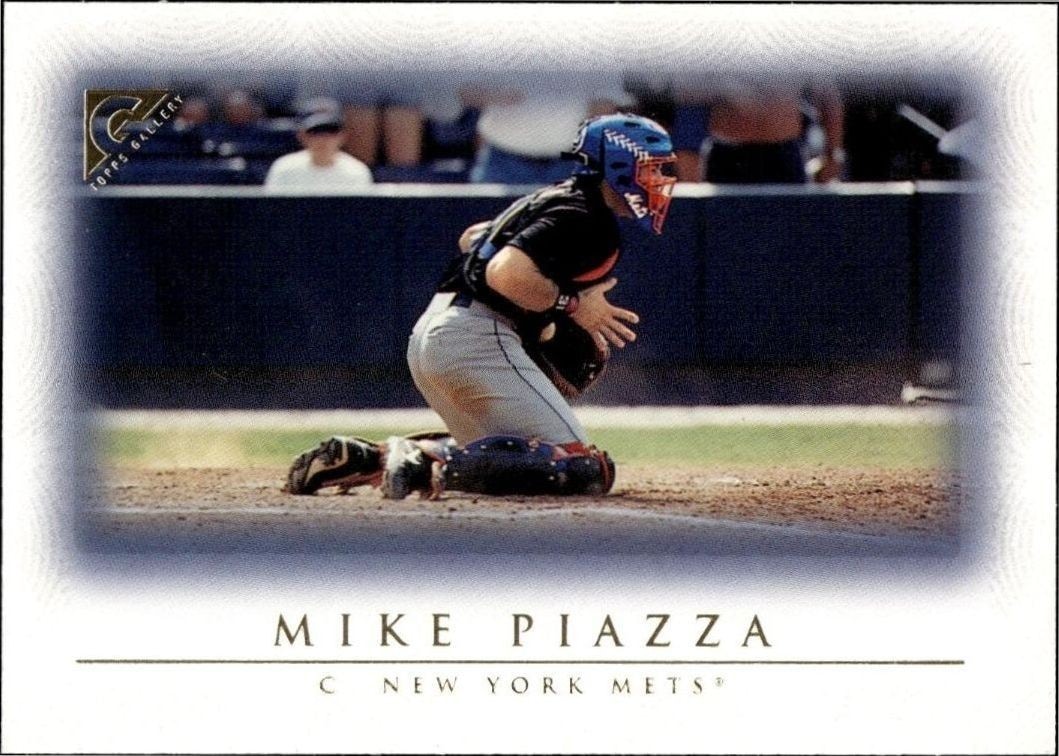
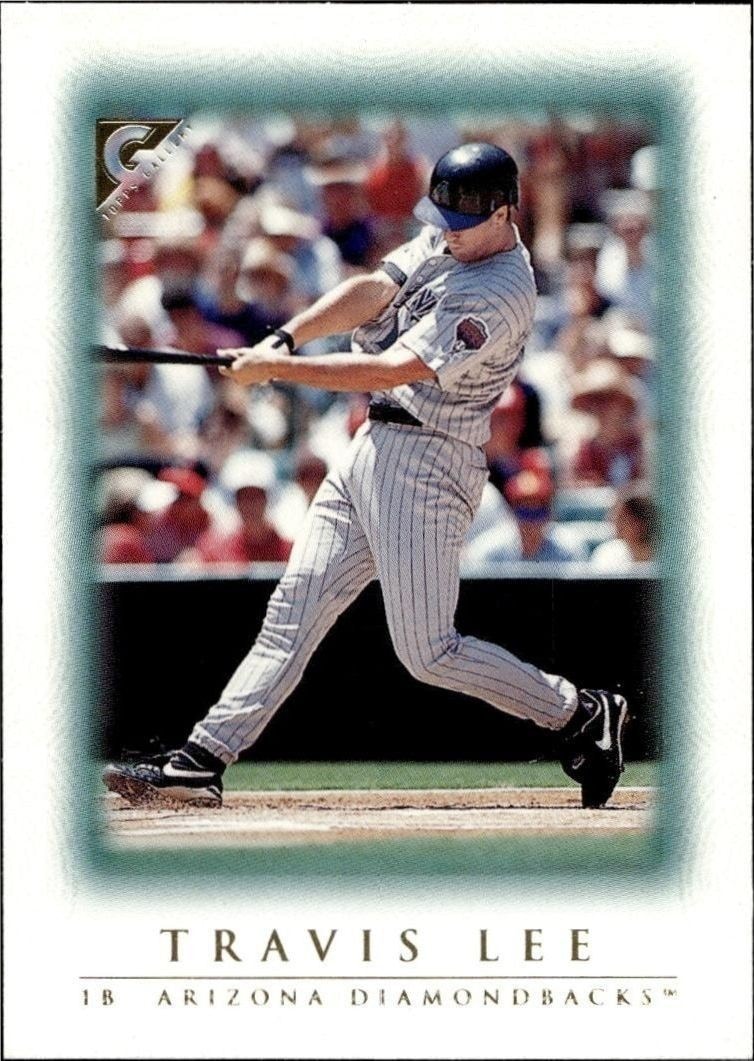


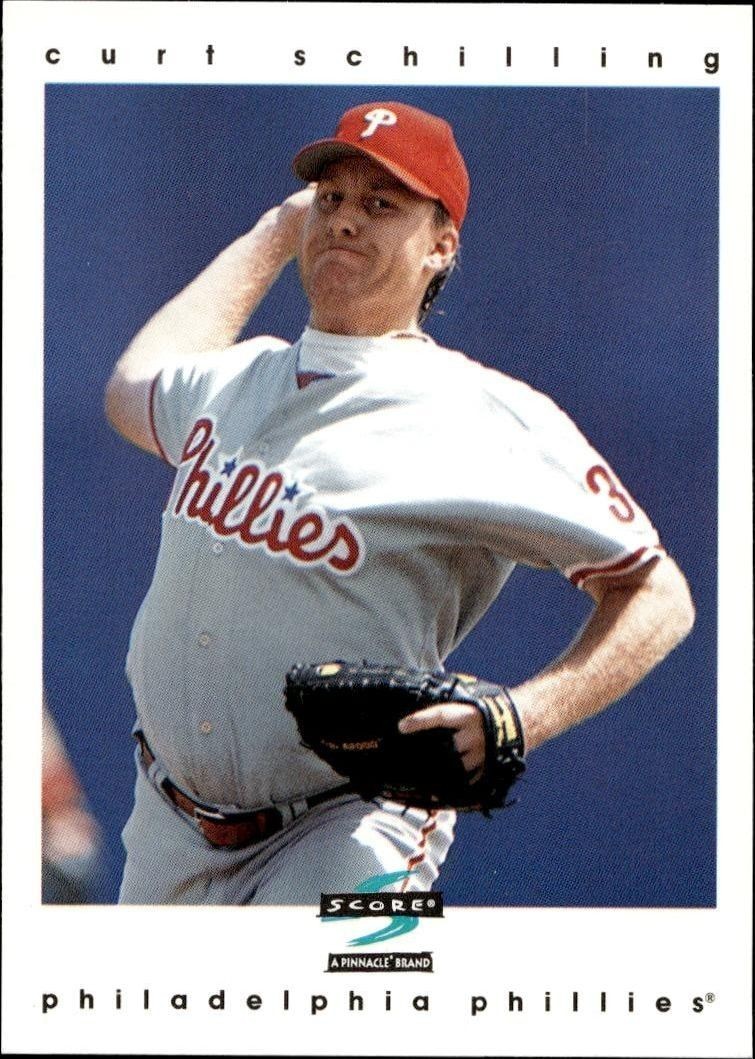
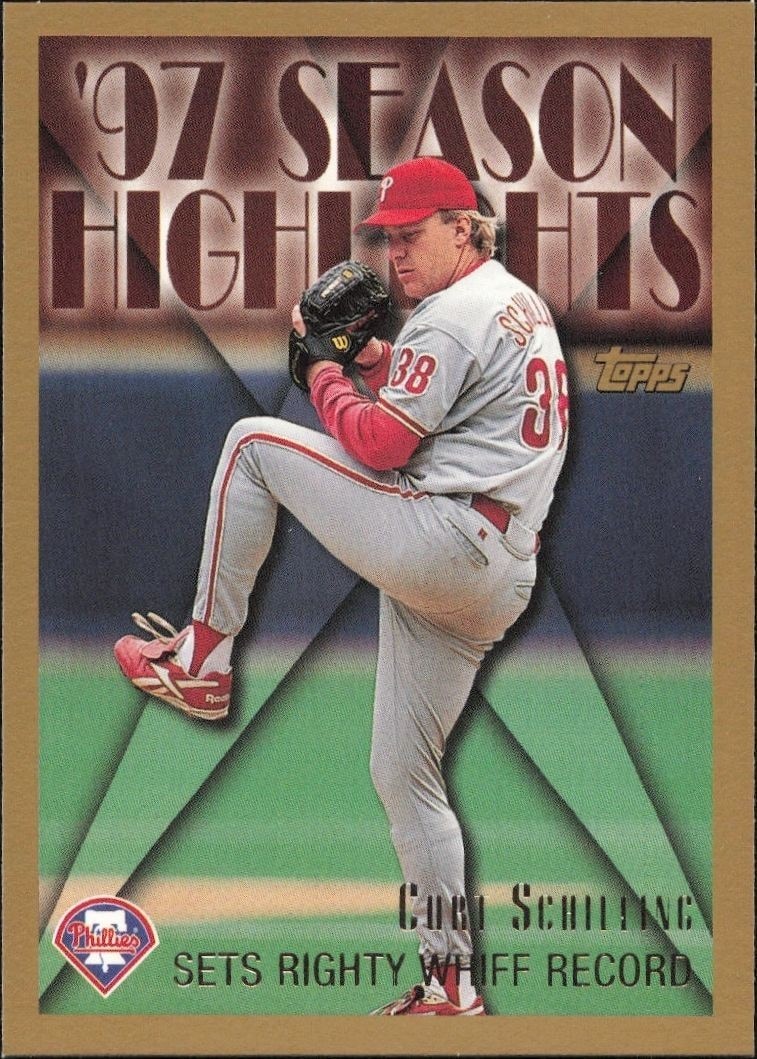

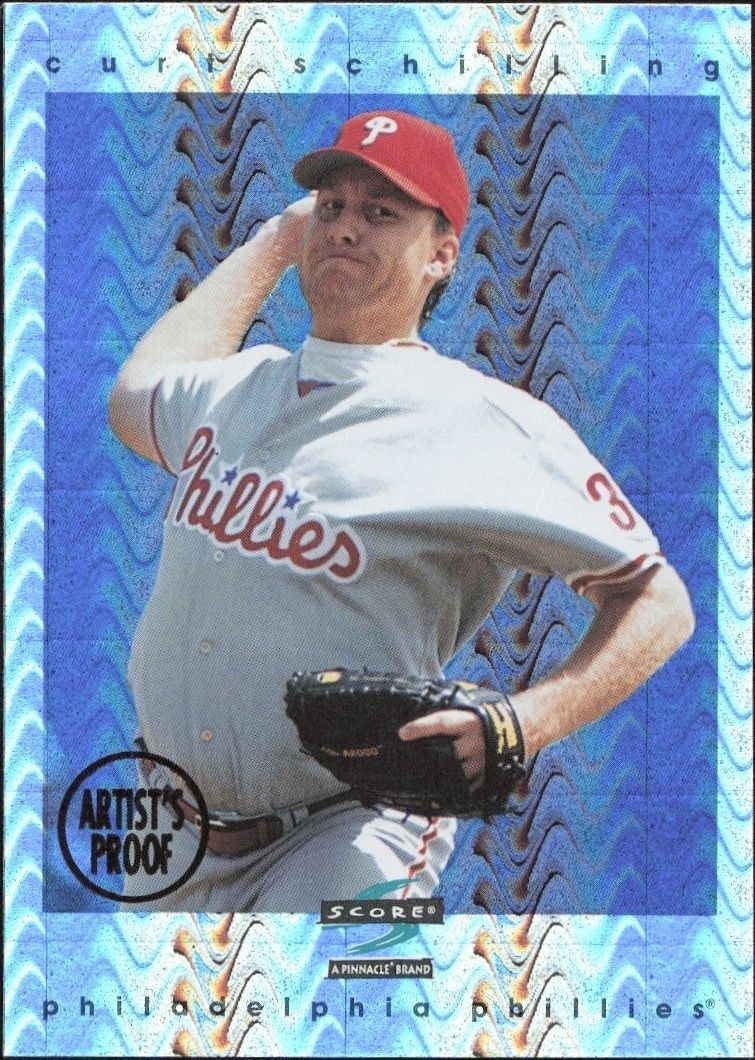
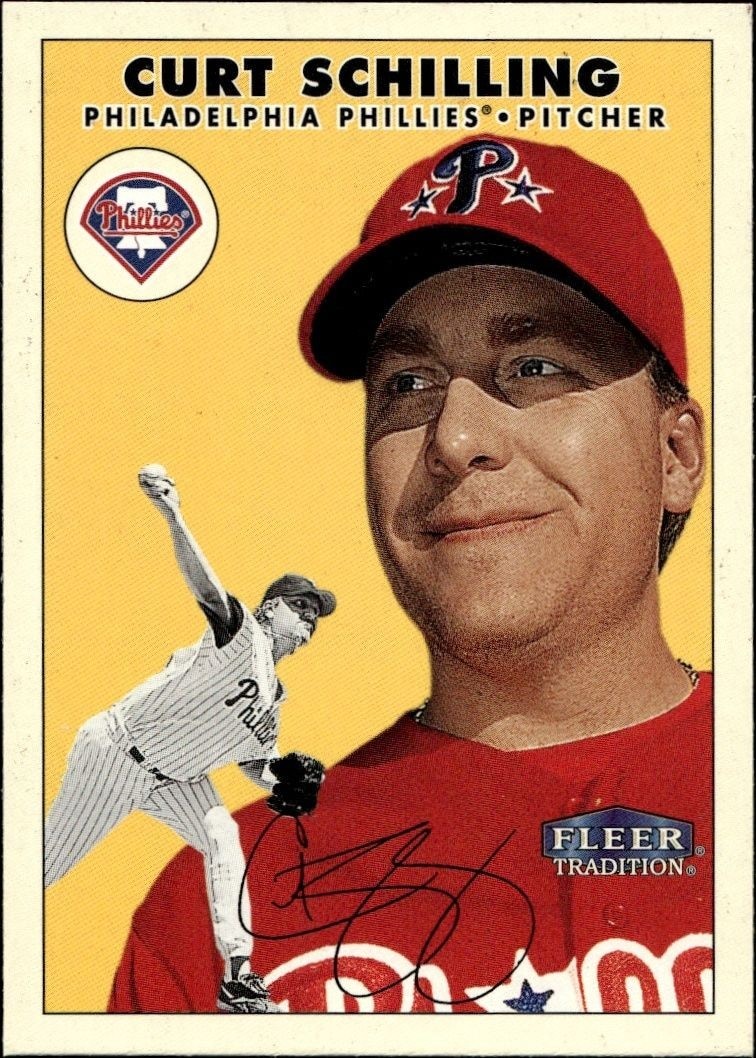

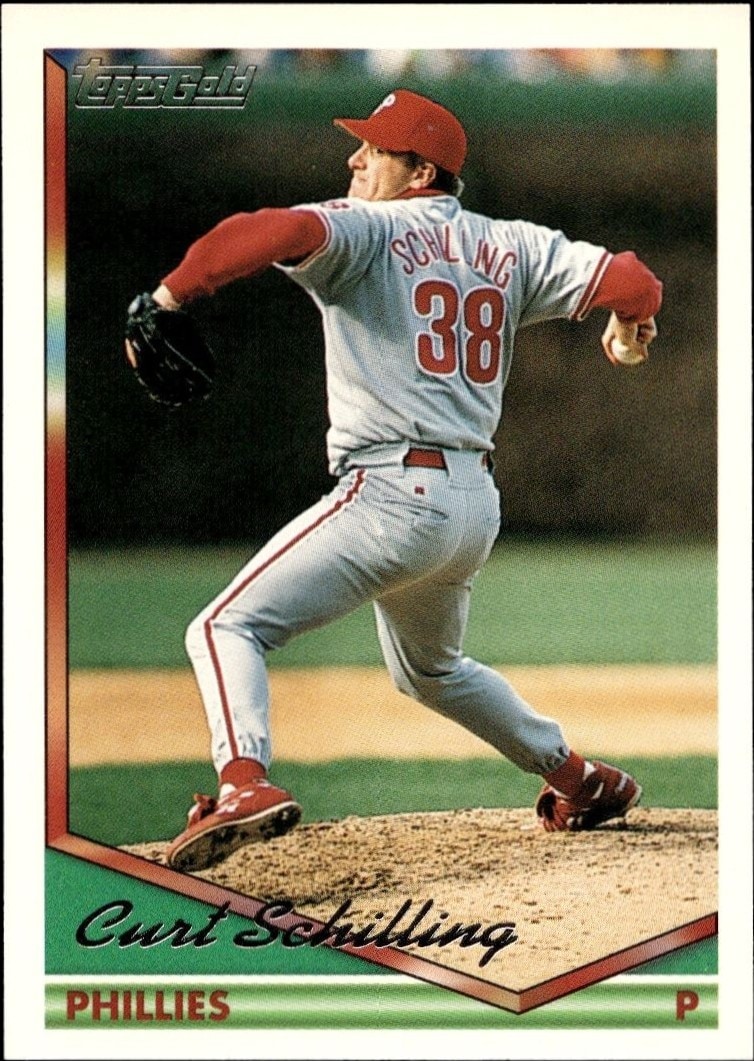

The 1999 Topps Gallery Curt Schilling #70 is a premium Philadelphia Phillies baseball card featuring the legendary pitcher in one of Topps' most visually distinct releases.
1999 • Topps • Gallery
Major League Baseball • Philadelphia Phillies
Near Mint
70
New
Shipping Calculated at Checkout
Arrives in 5-7 daysEstimated delivery October 23, 2026 - October 25, 2026
Seller returns October 19, 2026.30-day Returns| Condition | Value | Source | Trend | Price Details |
|---|---|---|---|---|
$1.24As of 9/28/2026 | Asking Prices | |||
Raw / Ungraded
eBay Active Listings · Asking Prices evidence · captured Sep 28, 2026
History is building. At least two days of matching observations are needed to show a trend.
Each point is the last stored observation that day for this printing, condition, grader, autograph status and source. Gaps mean no observation; guide estimates and asking prices are not completed sales.This card, numbered 70, features Curt Schilling during his tenure with the Philadelphia Phillies, a period that cemented his status as one of the game's premier power pitchers. The Gallery set was marketed as a premium product, utilizing larger formats and artistic borders to elevate the visual presentation of MLB stars. For collectors, the 1999 Topps Gallery Curt Schilling #70 represents a key piece of modern baseball history. Schilling’s career trajectory during this era, including his eventual success with the Boston Red Sox, makes his Phillies cards particularly relevant to fans and investors alike. The card’s identity is tied directly to the prestige of the Gallery brand, which aimed to capture the intensity and drama of professional baseball through a more cinematic lens. Owning a piece of the 1999 Topps Gallery set allows enthusiasts to explore a specific moment in Schilling’s career before his championship years. The card serves as a tangible link to the late 90s MLB landscape, where Schilling was a dominant force in the National League. Collectors often seek out Gallery cards for their aesthetic appeal and the superior production values that defined the set. Whether building a comprehensive team set or focusing on elite pitching talent, this card holds a distinct place in the hobby. It is a staple for those who appreciate the design evolution of Topps products during this transformative decade for baseball trading cards.
19 hours ago
We'll pre-fill the product details from this catalog entry, so your listing lands on this exact page. Just add photos of your copy, pick its condition, and set your price.
The catalog profile below summarizes the card identity, featured subject, and notable collectible traits.
The core identity of the card within the set.
The subject, team, league, and sport context tied to this card.
Production details and format-specific attributes.
Material
Card Stock
Language
English
Compare prices, grades, photos, and shipping from approved sellers.
New
Near Mint
See how many public collections currently include this card.
0 collectors have this card
This 1999 Topps Gallery card occupies a modest price tier within Curt Schilling's broader market, reflecting its status as a standard base card rather than a premium insert. While Schilling's career significance as a key figure for the Philadelphia Phillies during this era provides a foundation of interest, the lack of special attributes keeps demand relatively flat compared to his rookie or autographed equivalents. The current listing availability suggests a stable, low-volume market where the card trades in line with general mid-tier baseball staples from the late 1990s.
The card lacks any specific scarcity mechanics such as serial numbering, short-print designations, or limited edition status, meaning it represents the full production run of the Topps Gallery set. Without parallel variations or unique attributes to constrain supply, the available pool of copies is determined solely by general preservation rates over two decades. This standard base status implies that while the item is not rare in a numerical sense, its value is driven by the general condition and age of the 1999 Topps product.
As a non-rookie card from a standard set, this item does not benefit from rookie-card premiums or the high-demand collector drivers associated with championship-era memorabilia. The absence of special attributes limits its appeal to casual collectors seeking affordable representation of Schilling's Phillies tenure rather than serious investors looking for appreciation potential. Long-term value will likely remain static, relying on the enduring recognition of the player and the nostalgic appeal of the Topps brand rather than any unique collectible features.