


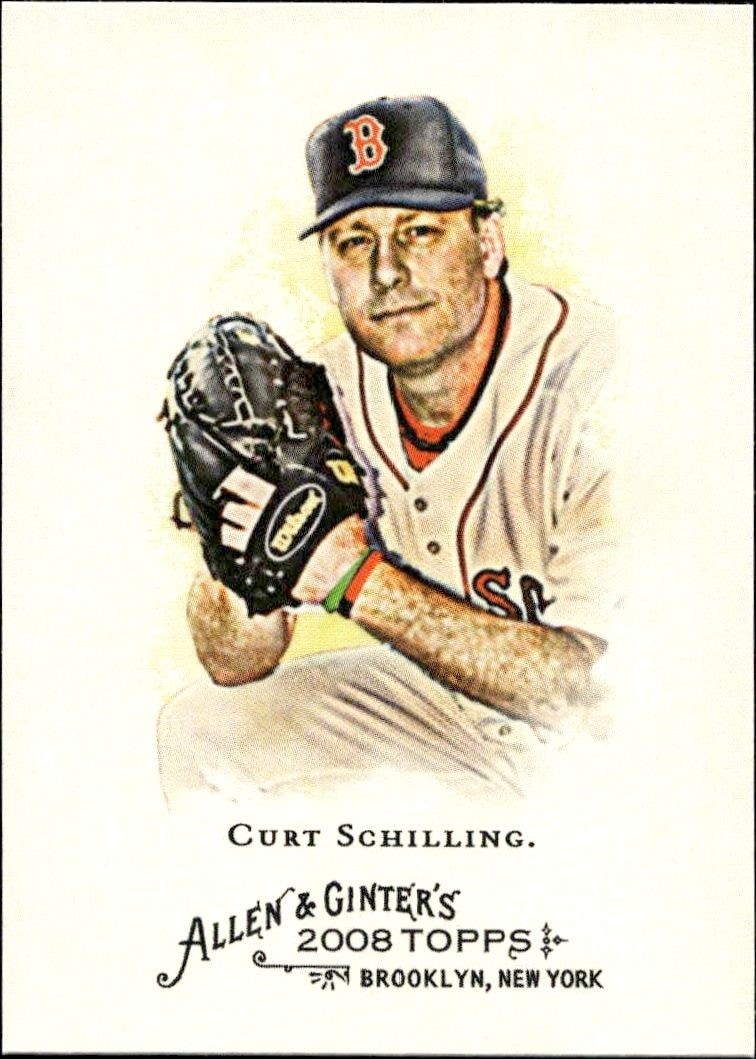
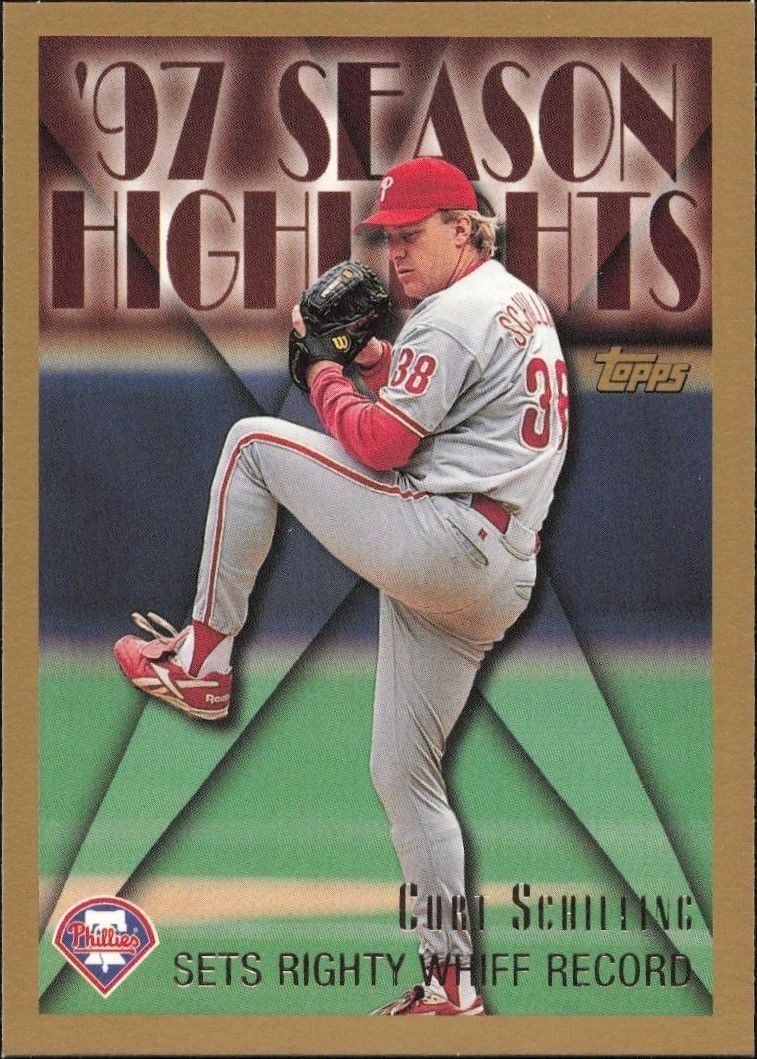


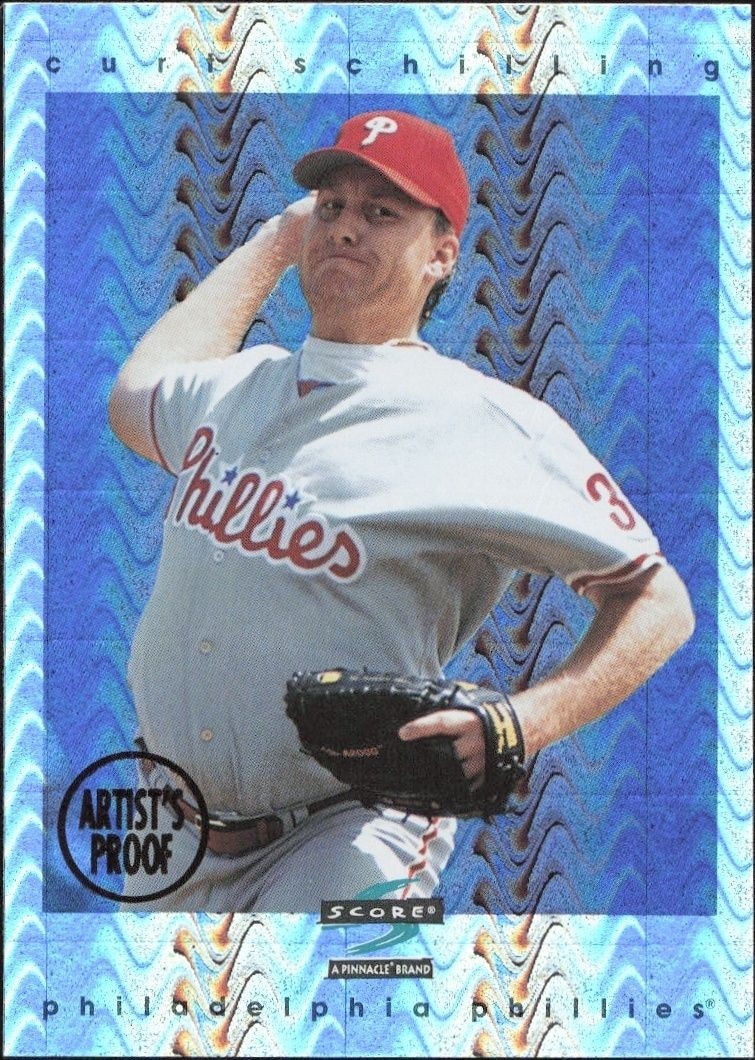
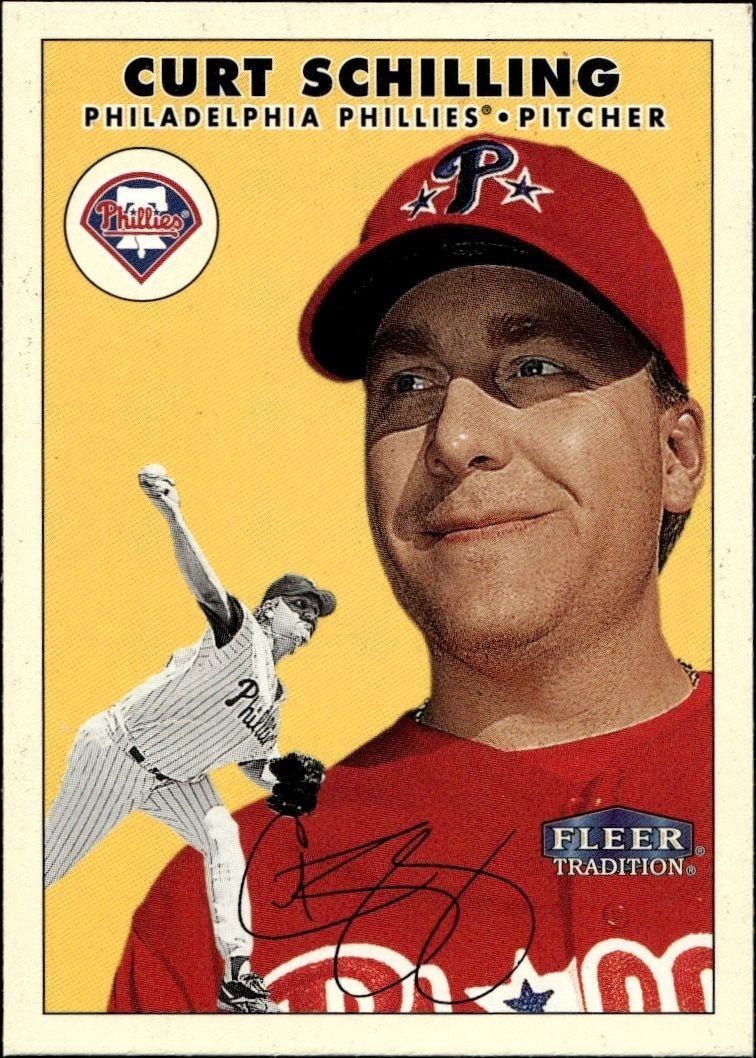

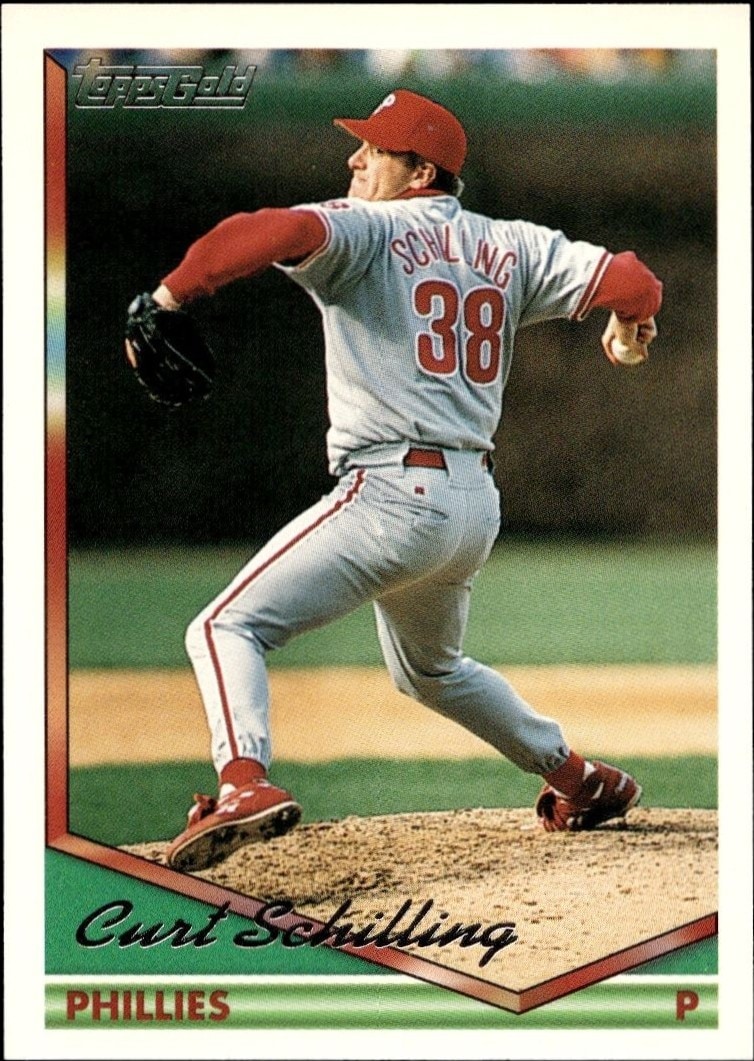

The 2005 Topps Series 1 #70 Curt Schilling card features the Boston Red Sox pitcher in one of the most recognizable designs of the 2000s era.
2005 • Topps • Series 1
Major League Baseball • Boston Red Sox
Near Mint
70
New
Shipping Calculated at Checkout
This seller is away until 10/19/2026 — orders are still accepted and ship after they return.30-day Returns| Condition | Value | Source | Trend | Price Details |
|---|---|---|---|---|
$1.54 | Guide Estimate | 0% | ||
$7.07 | Guide Estimate | 0% | ||
$19.99 | Guide Estimate | 0% | ||
$24.00 | Guide Estimate | -4.2% | ||
$31.00 | Guide Estimate | -13.9% | ||
$14.00 | Guide Estimate | -12.5% | ||
$24.03 | Guide Estimate | -12.6% | ||
$14.00 | Guide Estimate | -12.5% | ||
Raw / Ungraded
PriceCharting Price Guide · Guide Estimate evidence · captured Oct 19, 2026
Curt Schilling as the Boston Red Sox remains a defining image of 2000s baseball, and the 2005 Topps Series 1 #70 card captures that specific moment in team history. Released by Topps, this baseball card is part of the primary base set that defined the aesthetic of mid-decade sports collecting. The design is clean and straightforward, focusing entirely on the player's performance and team affiliation. For collectors, this card represents the era when Topps held the exclusive license for Major League Baseball trading cards. The #70 card number places it within the standard sequential ordering of the series, a detail that matters to completists tracking the release structure. Whether you are aiming to complete the 2005 Topps Series 1 checklist or seeking a key card from the Red Sox roster, this product offers a direct path to the item. The card serves as a tangible piece of sports memorabilia, preserving the legacy of one of the league's most dominant pitchers during his tenure in Boston. Collecting this product appeals to both nostalgia-driven fans and serious investors in sports memorabilia. The 2005 Topps release remains a benchmark for design and production quality, ensuring that cards like #70 remain relevant in the secondary market. By focusing on the product's identity as a 2005 Topps Series 1 release, collectors can confidently add this piece to their portfolio of Boston Red Sox or Curt Schilling-themed collections.
1 day ago
We'll pre-fill the product details from this catalog entry, so your listing lands on this exact page. Just add photos of your copy, pick its condition, and set your price.
The catalog profile below summarizes the card identity, featured subject, and notable collectible traits.
The core identity of the card within the set.
The subject, team, league, and sport context tied to this card.
Production details and format-specific attributes.
Material
Card Stock
Language
English
Compare prices, grades, photos, and shipping from approved sellers.
New
Near Mint
See how many public collections currently include this card.
0 collectors have this card
This base card from the 2005 Topps Series 1 set represents an accessible entry point into Curt Schilling’s Boston Red Sox tenure, trading at a modest tier relative to his high-profile championship memorabilia. Its value is driven primarily by the player’s significant role in the historic 2004 season rather than any intrinsic scarcity of the card itself. As a standard issue, it sits at the lower end of the price spectrum compared to autographed or parallel versions of the same player.
The card possesses no special scarcity attributes, existing as a standard base parallel within the 2005 Topps Series 1 distribution. Without serial numbering, short-print status, or unique manufacturing variations, the supply is effectively uncapped by production constraints. Consequently, the item relies entirely on the general availability of the base set for its rarity profile.
As a non-rookie, non-premium parallel card, this item lacks the specific mechanical drivers that typically generate substantial appreciation in the secondary market. Collector demand is likely limited to those seeking complete base set completion or entry-level accumulation of the 2005 Topps brand. The outlook suggests stable but modest liquidity, with value retention dependent on broader baseball card market trends rather than individual card scarcity.


