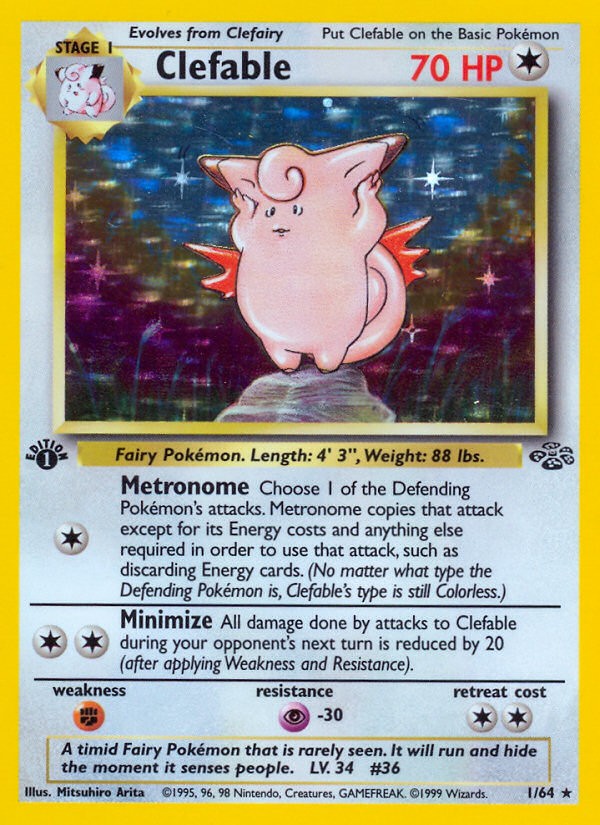
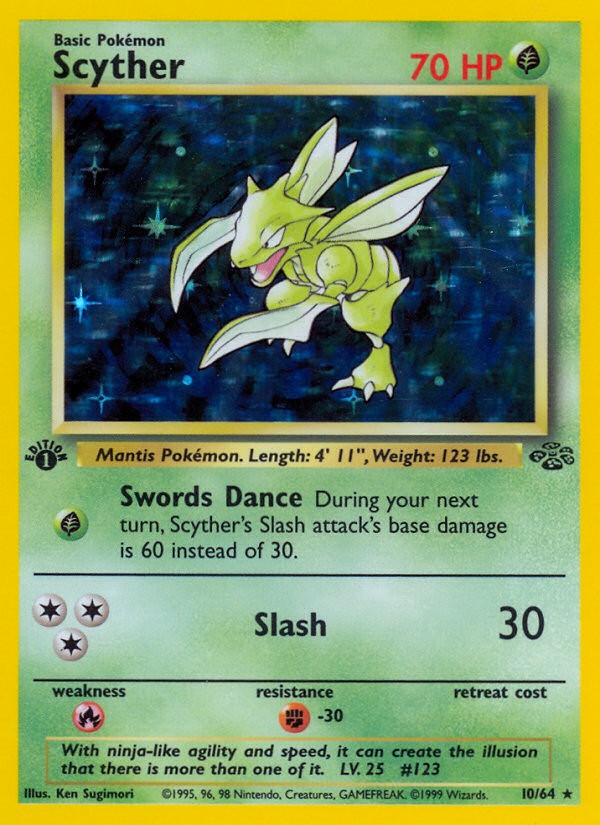
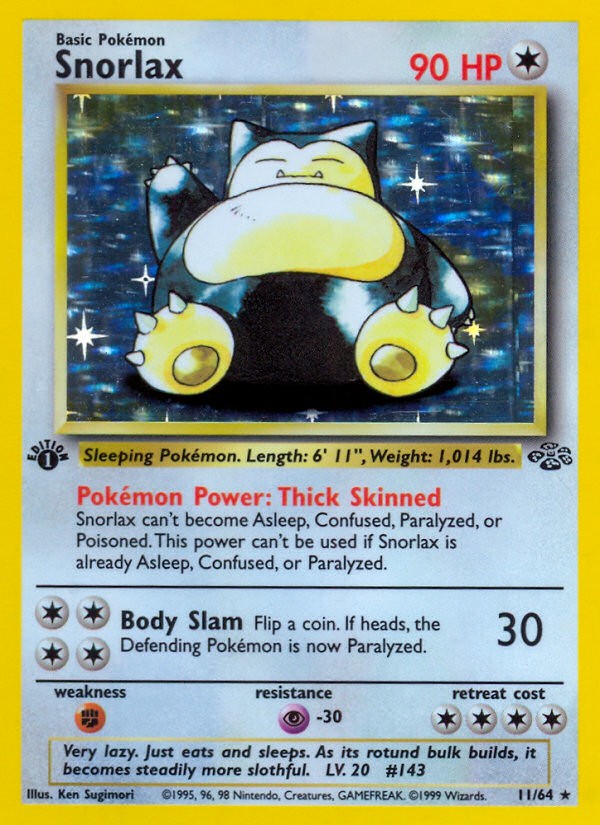
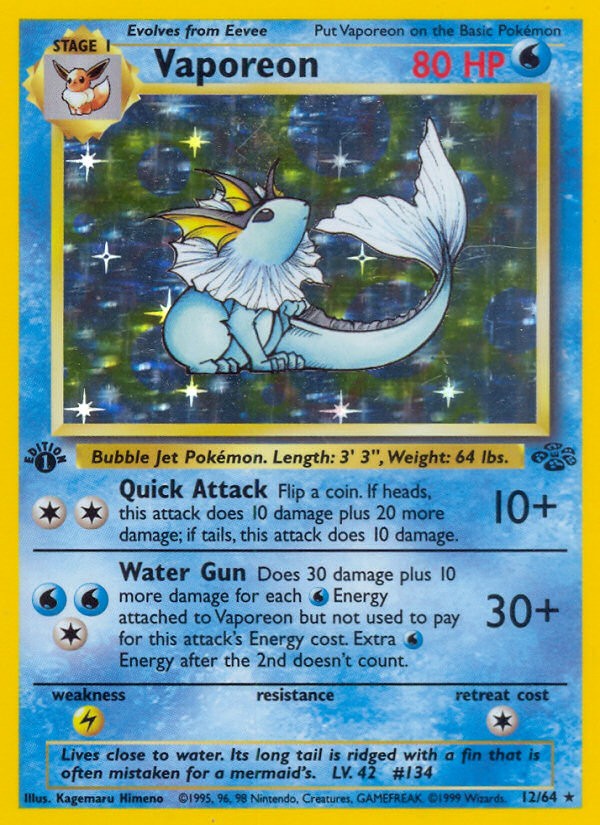
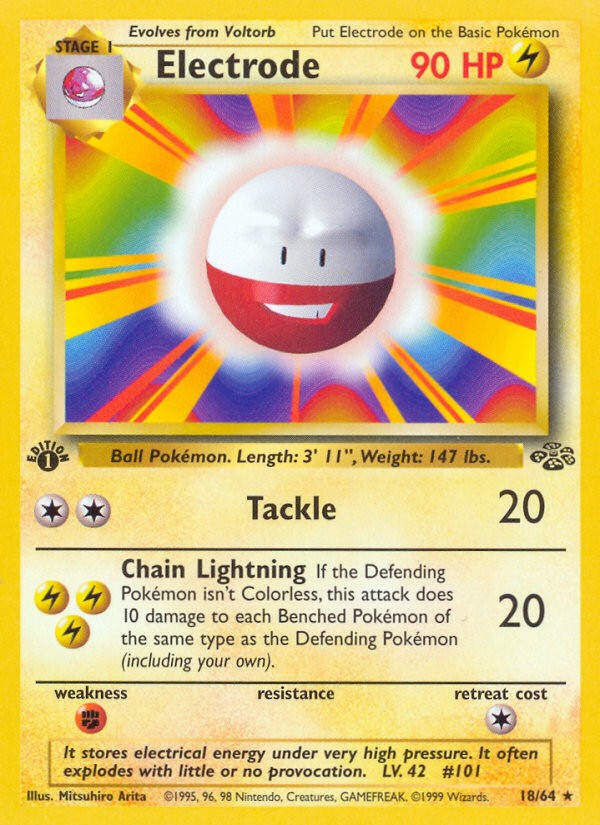
A vintage 1999 Jungle release Electrode Holo card, featuring the powerful Chain Lightning attack and Mitsuhiro Arita's iconic illustration.
1999 • Pokémon • Jungle
No listings available right now.
No condition-by-condition breakdown has been recorded for this card yet.
The 1999 Pokémon Jungle release established the franchise's early visual identity, and Electrode #2 stands as a foundational Lightning-type card from this era. As a Stage 1 evolution of Voltorb, this Pokémon brings distinct strategic depth to the game with its 90 HP and versatile attack options. The card features the Chain Lightning attack, which deals 20 damage plus an additional 10 damage to each Benched Pokémon of the same type as the Defending Pokémon. This effect makes it particularly effective against non-Colorless opponents, rewarding players who understand type matchups and bench positioning. Collectors often seek this Jungle Electrode for its historical significance in the Pokémon Trading Card Game. The Holo Rare finish gives this card its distinctive shimmer, making it a visually appealing addition to any vintage collection. Mitsuhiro Arita, the artist behind this illustration, helped define the aesthetic of early Pokémon cards, creating imagery that resonates with both nostalgic collectors and new enthusiasts. Electrode’s Pokédex entry notes that it stores electrical energy under high pressure and can explode with little provocation, a trait that translates well into its gameplay mechanics. The card’s retreat cost of one Colorless energy makes it easy to move into position, while its Tackle attack provides a reliable fallback option. For investors and hobbyists alike, Jungle set cards represent a tangible piece of gaming history, capturing the excitement of the late 1990s collectible card boom. Whether you are building a complete set of Jungle cards or focusing on specific Pokémon types, this Holo Rare Electrode offers a compelling blend of nostalgia and gameplay utility. Its status as a staple from the second major expansion ensures it remains a relevant and sought-after piece for dedicated collectors.
We'll pre-fill the product details from this catalog entry, so your listing lands on this exact page. Just add photos of your copy, pick its condition, and set your price.
The catalog profile below summarizes the card identity, featured subject, and notable collectible traits.
The core identity of the card within the set.
The subject, team, league, and sport context tied to this card.
Featured
Electrode
Game
Pokémon
Rarity, print treatment, and game-specific stats for this card.
Holo Rare
Mitsuhiro Arita
Card Stock
English
Holo
90
Lightning
Stage 1
42
Voltorb
Fighting ×2
1
101
Abilities, attacks, oracle text, and flavor text printed on the card.
Attack: Tackle (20)
Attack: Chain Lightning (20)
If the Defending Pokémon isn't Colorless, this attack does 10 damage to each Benched Pokémon of the same type as the Defending Pokémon (including your own).
It stores electrical energy under very high pressure. It often explodes with little or no provocation.
Explore cards with this name across sets and editions. Check each card’s details before choosing a version.
Tap an image to preview it, or a card’s name to open its page.