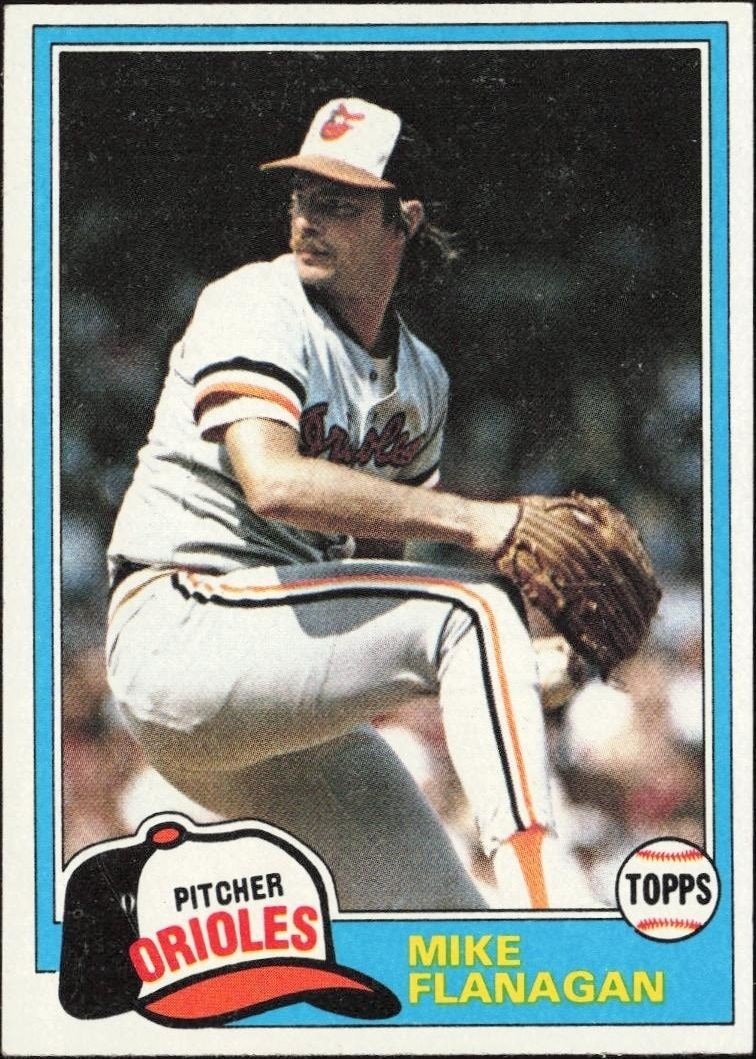

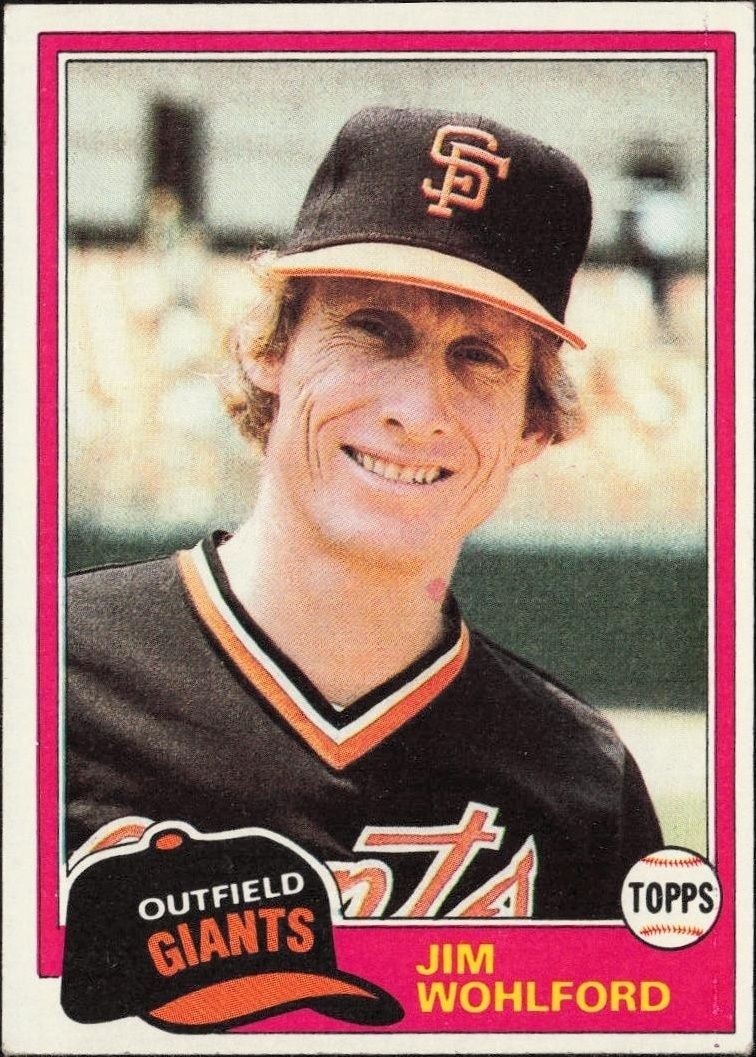
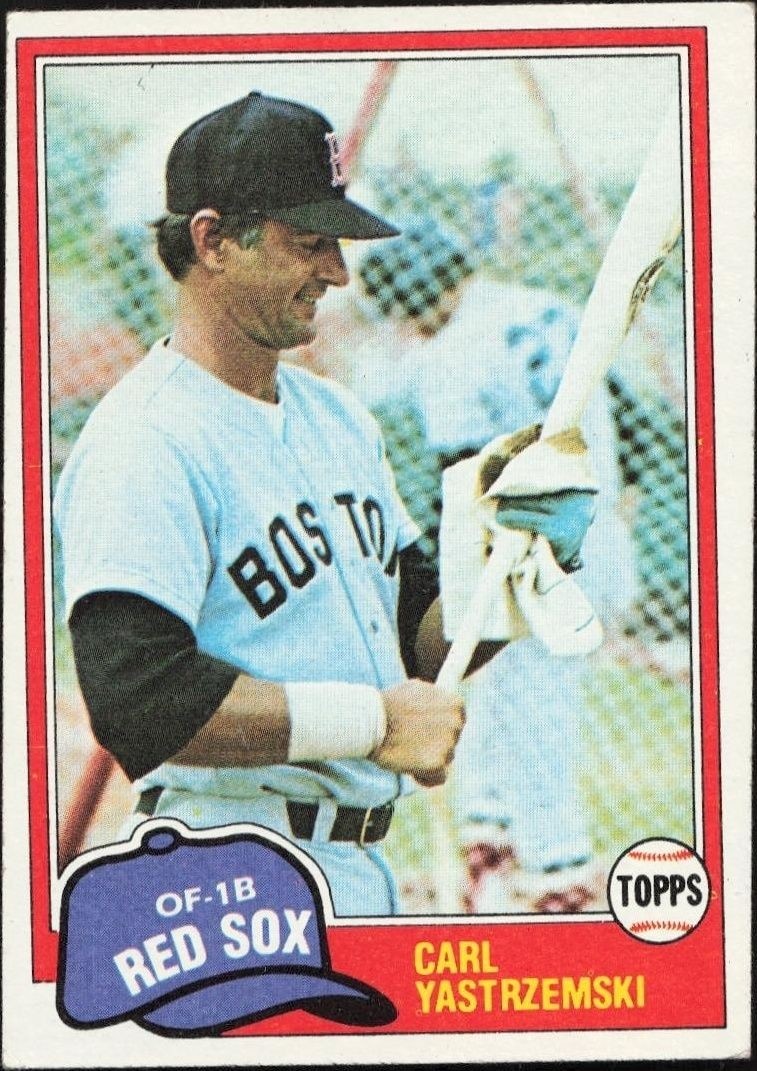


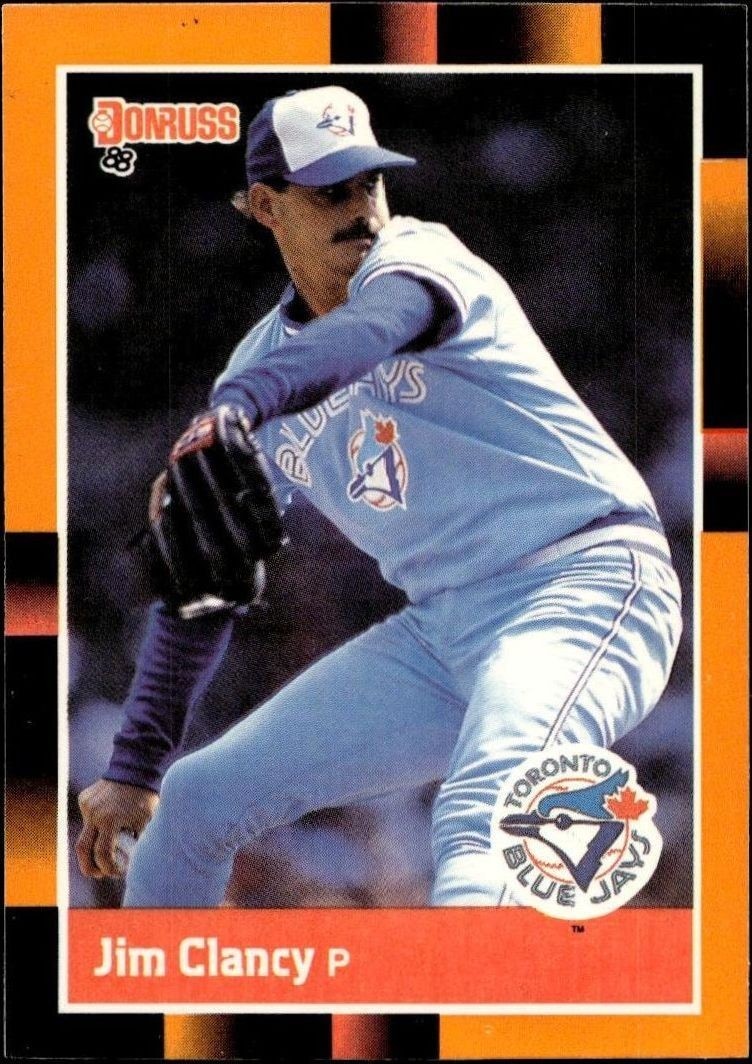
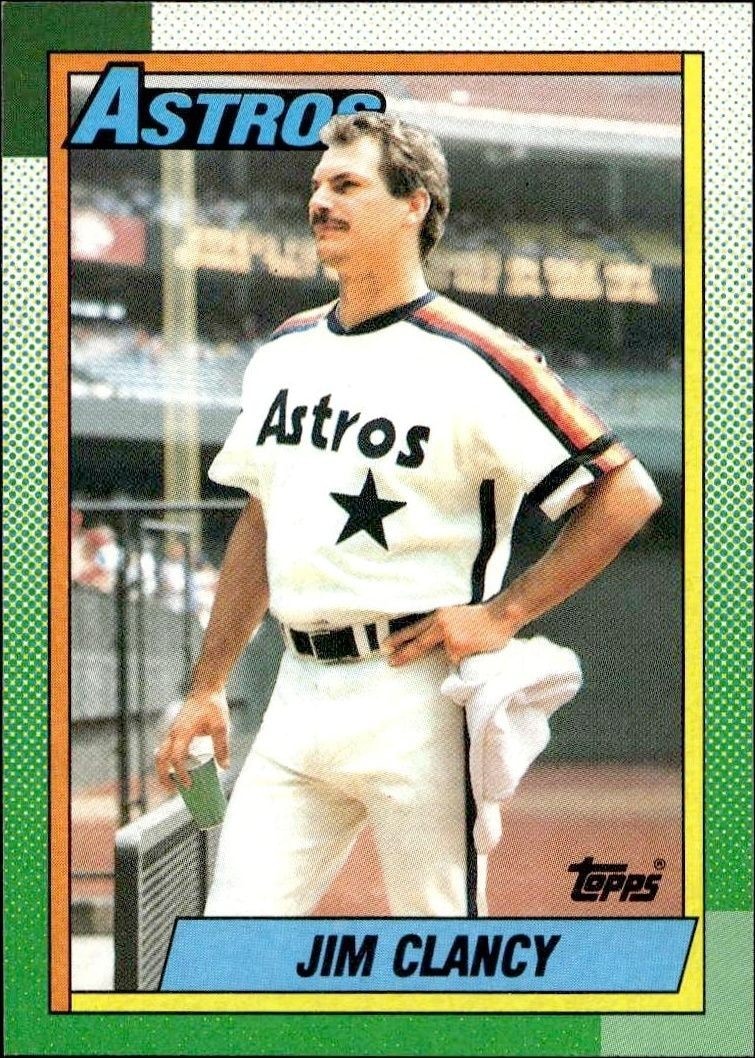





The 1981 Topps Jim Clancy #19 baseball card features the Toronto Blue Jays pitcher during a pivotal era for the franchise. This vintage sports card is a staple for collectors of classic MLB issues.
1981 • Topps
Major League Baseball • Toronto Blue Jays
Excellent
19
New
Shipping Calculated at Checkout
Arrives in 5-7 daysEstimated delivery October 29, 2026 - October 31, 2026
30-day Returns| Condition | Value | Source | Trend | Price Details |
|---|---|---|---|---|
$1.30 | Guide Estimate | +1.6% | ||
$4.12 | Guide Estimate | -0.2% | ||
$9.99 | Guide Estimate | 0% | ||
$11.00 | Guide Estimate | 0% | ||
$71.00 | Guide Estimate | 0% | ||
$22.00 | Guide Estimate | -33.3% | ||
$54.51 | Guide Estimate | -0.3% | ||
$33.00 | Guide Estimate | 0% | ||
Raw / Ungraded
PriceCharting Price Guide · Guide Estimate evidence · captured Oct 24, 2026
The 1981 Topps Jim Clancy #19 baseball card captures a specific moment in Toronto Blue Jays history, featuring the right-handed pitcher during the early years of the franchise's expansion. As one of the foundational pieces of the 1981 Topps set, this card is recognized by its distinct design elements that define early 1980s baseball memorabilia. Collectors often seek this release to build comprehensive sets or to highlight the early career of Jim Clancy, who was a significant contributor to the team during this period. The 1981 Topps brand remains a cornerstone for vintage baseball card enthusiasts, offering a nostalgic look at MLB rosters from a time when the sport was undergoing significant shifts in popularity and presentation. This card, numbered 19 in the base set, serves as an essential component for those focusing on Toronto Blue Jays history or the broader 1981 Topps collection. For investors and long-term holders, vintage cards from the early 1980s continue to hold steady interest due to their limited print runs relative to modern releases and the enduring appeal of classic baseball aesthetics. The 1981 Topps Jim Clancy #19 card represents more than just a player portrait; it is a tangible piece of sports history that reflects the growth of the Blue Jays and the national pastime. Whether you are completing a team set, focusing on a specific player's career, or simply appreciating the design of the era, this card offers a direct connection to the past.
3 days ago
We'll pre-fill the product details from this catalog entry, so your listing lands on this exact page. Just add photos of your copy, pick its condition, and set your price.
The catalog profile below summarizes the card identity, featured subject, and notable collectible traits.
The subject, team, league, and sport context tied to this card.
Production details and format-specific attributes.
Material
Card Stock
Language
English
Compare prices, grades, photos, and shipping from approved sellers.
New
Excellent
See how many public collections currently include this card.
0 collectors have this card
This 1981 Topps Jim Clancy card sits at a baseline entry-level price point, reflecting its status as a common base card from a major set. While the Blue Jays were an expansion team in 1981, the lack of special attributes limits its premium compared to rookie cards or short-print variants of the same era. It represents an affordable way to acquire a piece of the franchise's early history without commanding a significant condition-based premium.
The card possesses no scarcity-enhancing features such as serial numbering, parallel processing, or short-print designation, placing it firmly in the standard base population. Supply is effectively unlimited relative to collector demand, as no print run constraints or unique production mechanics are present. Consequently, rarity does not drive value; instead, availability is high, making it a ubiquitous item within the 1981 Topps set.
As a non-rookie card from a common base set, this item lacks the primary demand drivers typically associated with long-term appreciation in the baseball market. Collector interest is likely limited to those seeking to complete a basic year-by-year set of the Blue Jays rather than speculative growth. It serves best as a low-cost inventory addition rather than a core holding for portfolio diversification.