







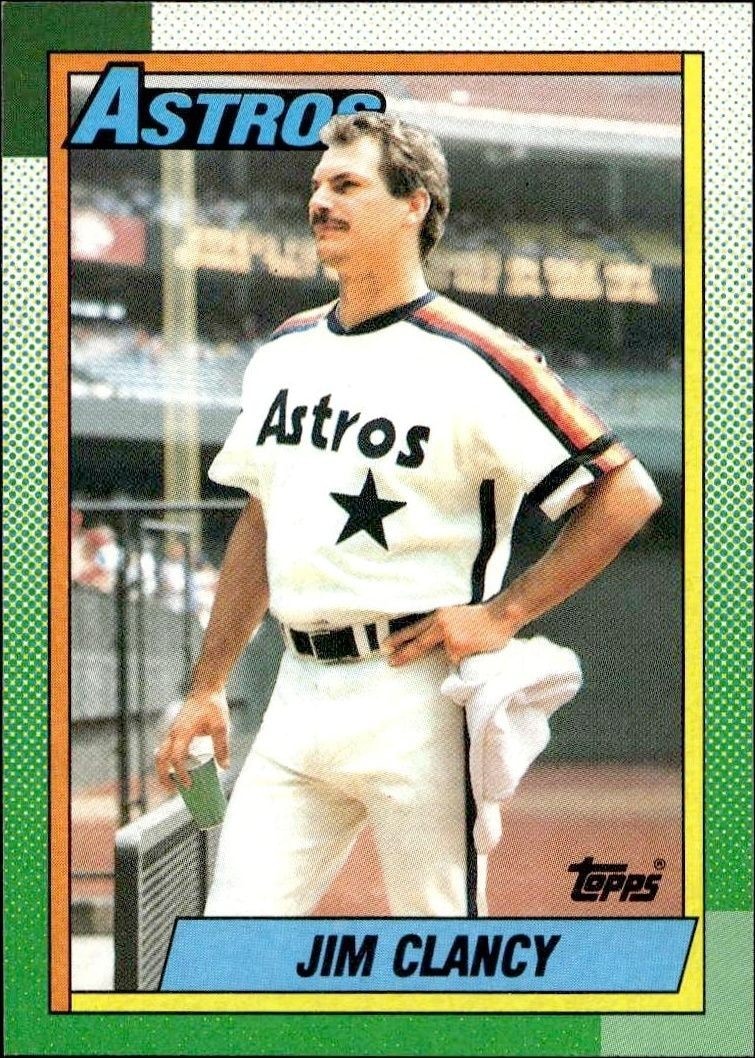




Acquire this 1982 Topps Jim Clancy #665 baseball card, a vintage Toronto Blue Jays collectible from the brand's iconic 1982 release.
1982 • Topps
Major League Baseball • Toronto Blue Jays
Excellent
665
New
Shipping Calculated at Checkout
Arrives in 4-6 daysEstimated delivery October 23, 2026 - October 25, 2026
30-day Returns| Condition | Value | Source | Trend | Price Details |
|---|---|---|---|---|
$1.19As of 9/25/2026 | Guide Estimate | |||
$3.14As of 9/25/2026 | Guide Estimate | |||
$3.00As of 9/25/2026 | Guide Estimate | |||
$52.00As of 9/25/2026 | Guide Estimate | |||
$24.00As of 9/25/2026 | Guide Estimate | |||
$39.99As of 9/25/2026 | Guide Estimate | |||
$24.00As of 9/25/2026 | Guide Estimate | |||
Raw / Ungraded
PriceCharting Price Guide · Guide Estimate evidence · captured Sep 26, 2026
History is building. At least two days of matching observations are needed to show a trend.
Each point is the last stored observation that day for this printing, condition, grader, autograph status and source. Gaps mean no observation; guide estimates and asking prices are not completed sales.The 1982 Topps Jim Clancy #665 baseball card represents a specific moment in the history of the Toronto Blue Jays. Released by Topps during the early era of the franchise, card number 665 serves as a tangible link to the team's development before its rise to national prominence. Collecting from the 1980s offers enthusiasts a chance to own pieces of sports history that predate modern manufacturing techniques. The 1982 Topps Jim Clancy #665 card is part of a growing collection of vintage sports cards that appeal to those who appreciate the aesthetic and historical context of the era. While Jim Clancy's tenure with the Blue Jays is a specific chapter in franchise lore, the card itself stands as a representative example of Topps' output during this period. Whether you are building a set of Toronto Blue Jays memorabilia or curating a collection of 1980s baseball, this card offers a direct connection to the past. The 1982 Topps Jim Clancy #665 card remains a sought-after item for those who value the authenticity and provenance of vintage trading cards. As the market for sports collectibles continues to evolve, pieces from the 1982 Topps release maintain their appeal among dedicated hobbyists. For investors and collectors alike, understanding the context of the 1982 Topps Jim Clancy #665 card is essential. It is not just a image of a player, but a artifact of the 1982 baseball season. By exploring the 1982 Topps Jim Clancy #665 card, you are engaging with a piece of baseball history that continues to resonate with fans of the sport and the Toronto Blue Jays.
1 day ago
We'll pre-fill the product details from this catalog entry, so your listing lands on this exact page. Just add photos of your copy, pick its condition, and set your price.
The catalog profile below summarizes the card identity, featured subject, and notable collectible traits.
The subject, team, league, and sport context tied to this card.
Production details and format-specific attributes.
Material
Card Stock
Language
English
Compare prices, grades, photos, and shipping from approved sellers.
New
Excellent
See how many public collections currently include this card.
0 collectors have this card
As a base card from a 1982 Topps set, this item represents the entry-level tier for Jim Clancy collectibles, lacking the premium associated with parallels or special inserts. While the player holds significance as an early figure in Toronto Blue Jays history, the lack of unique attributes means it trades at a modest value relative to more scarce variations. Condition remains the primary driver for any price differentiation within this specific product line.
This card is a standard base issue without serial numbering, short-print designations, or parallel layering, meaning it belongs to the highest volume tier of the set. The supply is effectively uncapped by production limits, relying instead on the natural attrition of older paper goods over time. Consequently, it does not benefit from the artificial scarcity mechanisms that typically elevate other cards in the same brand release.
The investment potential is constrained by its status as a common base card from a pre-1990s set, where mass production limits scarcity-driven appreciation. Demand is likely driven by general nostalgia for the 1980s era or specific completion needs for vintage Blue Jays collectors rather than speculative growth. Long-term value stability depends on the broader market for vintage baseball cards rather than unique attributes of this individual card.