

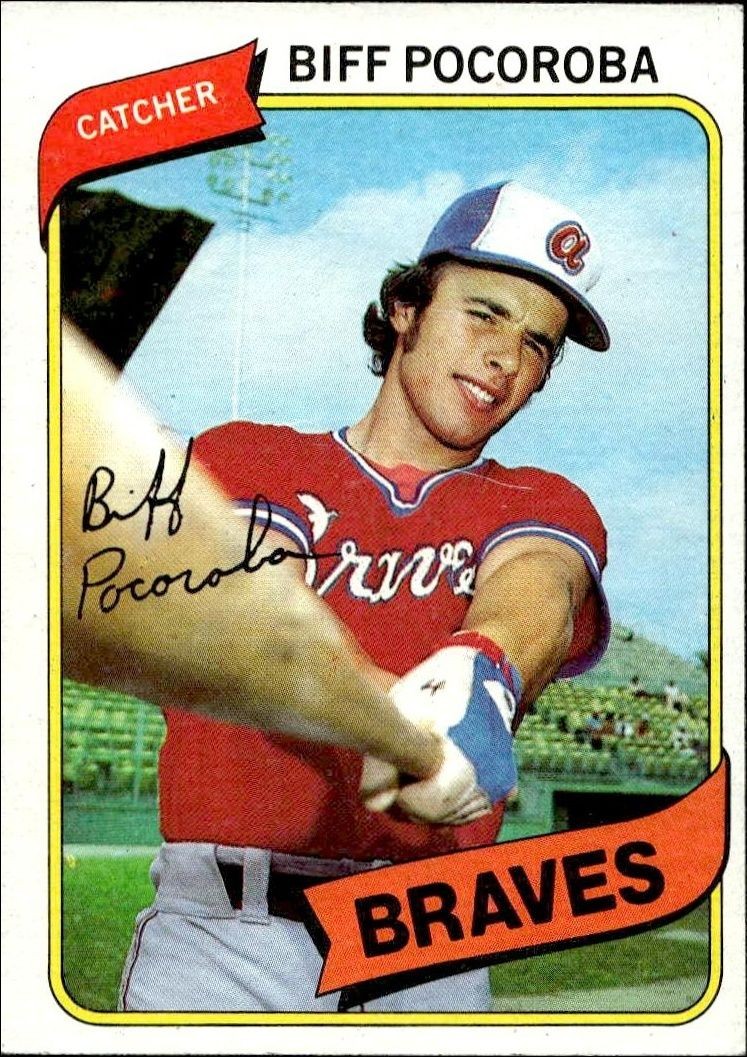
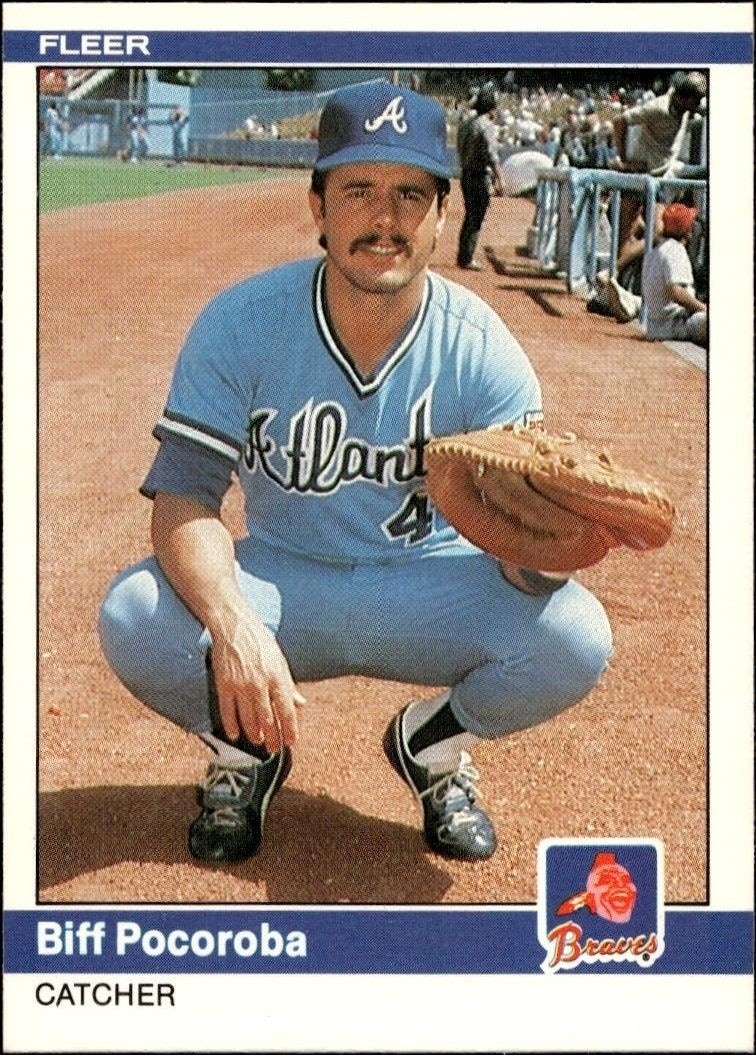
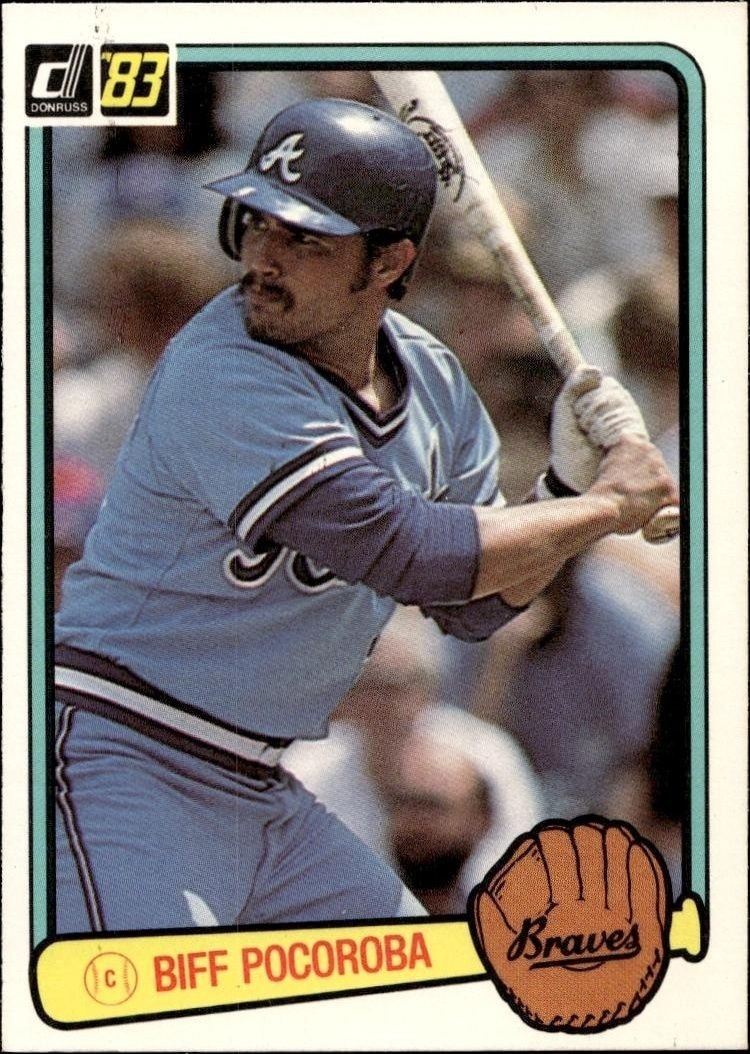
The 1982 Fleer Biff Pocoroba #446 is a definitive piece of Atlanta Braves history, capturing the infielder's tenure during the early 1980s MLB season.
1982 • Fleer
Major League Baseball • Atlanta Braves
Excellent
446
New
Shipping Calculated at Checkout
Arrives in 5-7 daysEstimated delivery October 23, 2026 - October 25, 2026
Seller returns October 19, 2026.30-day Returns| Condition | Value | Source | Trend | Price Details |
|---|---|---|---|---|
$1.49 | Asking Prices | +4.2% | ||
Raw / Ungraded
eBay Active Listings · Asking Prices evidence · captured Oct 17, 2026
The 1982 Fleer Biff Pocoroba #446 represents a specific moment in Atlanta Braves history, documenting the infielder's presence on the roster during the early 1980s. As part of the 1982 Fleer baseball card set, this issue marks a significant return for the manufacturer, which had not produced a major baseball product since 1960. For collectors, acquiring cards from this era offers a tangible connection to the transition period of the sport, bridging the gap between the classic designs of the 1970s and the modern era of the 1990s. Biff Pocoroba was known for his defensive prowess and consistency at third base, making his appearances in vintage collections particularly appealing to fans of the Braves' mid-decade lineups. The 446 card number places it within a comprehensive checklist that many enthusiasts strive to complete. Whether you are focusing on team-specific sets or building a chronological archive of Fleer releases, this card serves as a foundational element for understanding the brand's revival. The 1982 Fleer Biff Pocoroba #446 card stands as a testament to the enduring appeal of physical sports memorabilia. It allows hobbyists to engage with the history of the game beyond statistics, preserving the visual identity of players who defined their teams during pivotal seasons. For those interested in the evolution of trading card design, this product provides insight into the manufacturing standards and artistic choices of the early 1980s market. The value of such items often lies in their ability to evoke nostalgia and historical context. As Fleer re-established itself in the industry, cards like this one became sought after by those who appreciate the raw aesthetic of the time. Completing a set of 1982 Fleer cards is a rewarding challenge that connects collectors across generations, linking them through the shared passion for baseball's rich heritage.
22 hours ago
We'll pre-fill the product details from this catalog entry, so your listing lands on this exact page. Just add photos of your copy, pick its condition, and set your price.
The catalog profile below summarizes the card identity, featured subject, and notable collectible traits.
The subject, team, league, and sport context tied to this card.
Production details and format-specific attributes.
Material
Card Stock
Language
English
Compare prices, grades, photos, and shipping from approved sellers.
New
Excellent
See how many public collections currently include this card.
0 collectors have this card
This 1982 Fleer card sits at the absolute entry-level price tier for Biff Pocoroba, reflecting its status as a common base card from a pre-mint major release. While the player holds historical significance with the Atlanta Braves, the lack of special attributes means it trades well below any premium parallels or rookie variants. It serves as an affordable entry point for collectors focusing on specific team subsets rather than individual player investment.
The card possesses no serial numbering, short-print designation, or parallel treatment, placing it firmly in the mass-produced base set category. This standard production method results in high supply availability, which directly suppresses scarcity value compared to limited-edition counterparts. Collectors should view this as a common issue where availability is abundant and condition rarity is the primary differentiator.
As a non-rookie base card from a standard set, the investment potential is limited by the sheer volume of existing copies and the absence of unique scarcity mechanics. Demand is likely driven by niche team collectors rather than broad market speculation, keeping price appreciation modest. Long-term value retention depends heavily on maintaining pristine condition, as raw copies are widely accessible.