

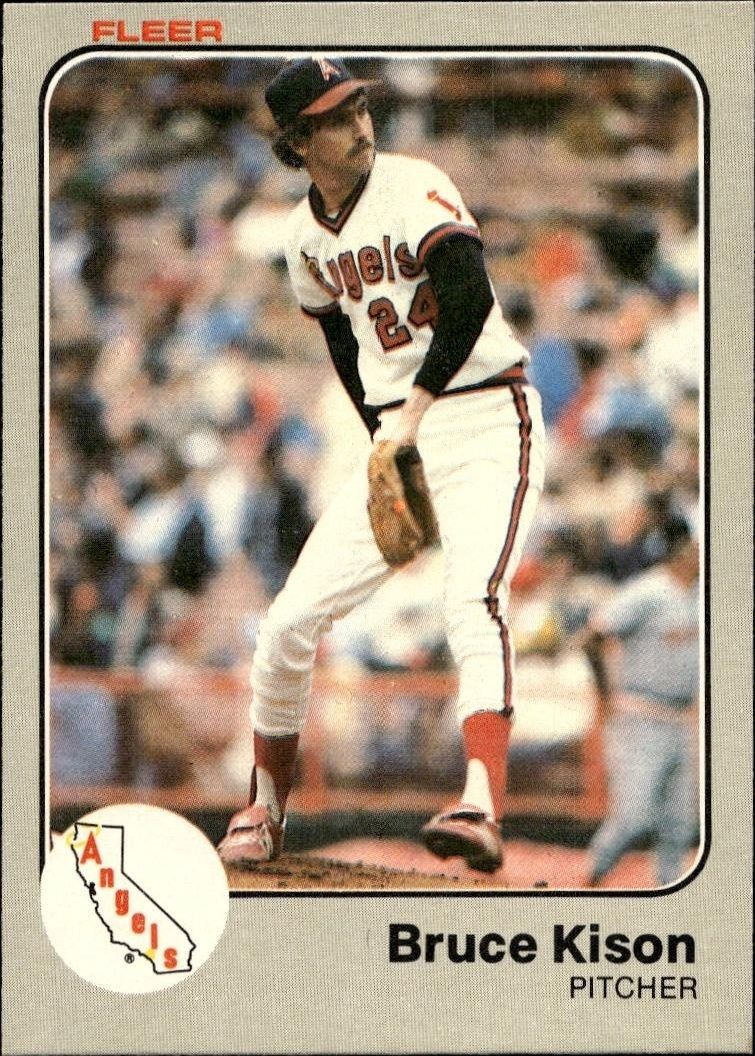
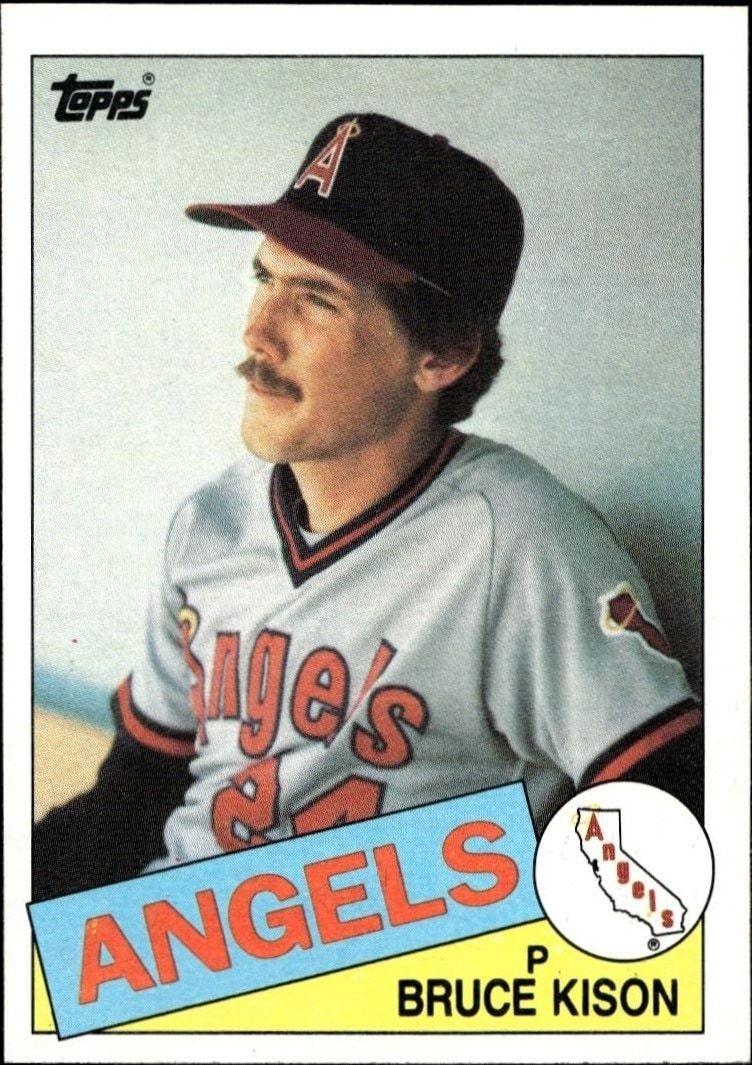

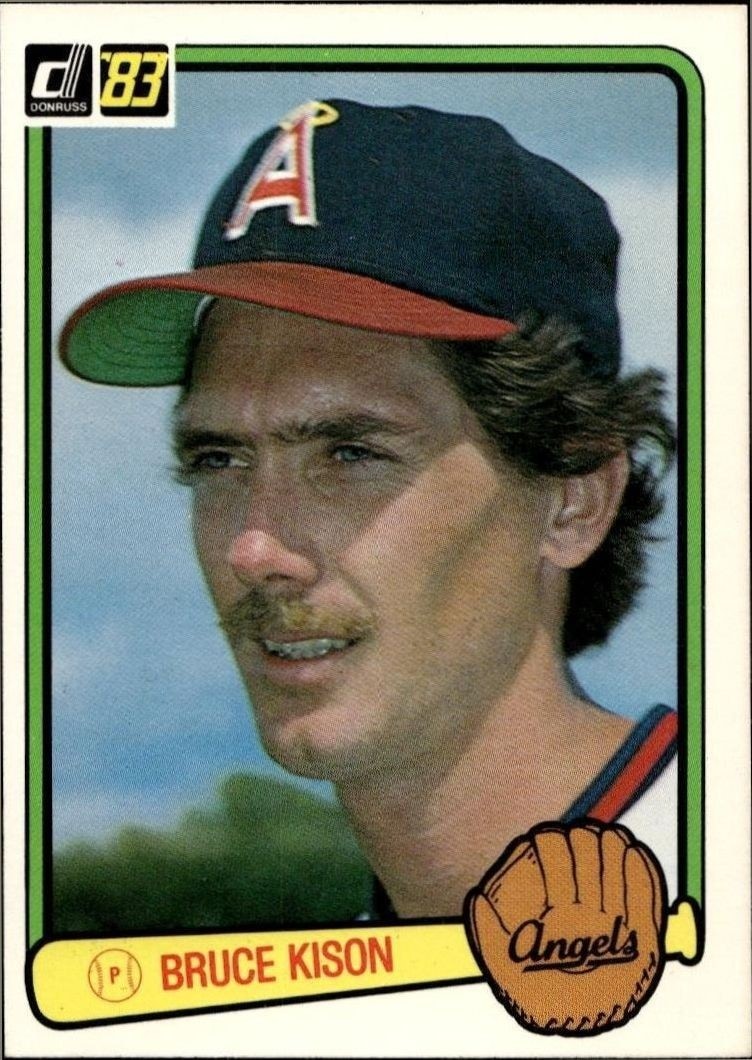
The 1982 Fleer Bruce Kison #467 is a vintage baseball trading card featuring the Los Angeles Angels pitcher. This release captures a specific moment in MLB history for collectors of Fleer products.
1982 • Fleer
Major League Baseball • Los Angeles Angels
Excellent
467
New
Shipping Calculated at Checkout
Arrives in 5-7 daysEstimated delivery October 23, 2026 - October 25, 2026
Seller returns October 19, 2026.30-day Returns| Condition | Value | Source | Trend | Price Details |
|---|---|---|---|---|
$1.50 | Guide Estimate | |||
$12.15 | Guide Estimate | |||
$27.11 | Guide Estimate | |||
$49.60 | Guide Estimate | |||
$65.00 | Guide Estimate | |||
$30.00 | Guide Estimate | |||
$49.99 | Guide Estimate | |||
$30.00 | Guide Estimate | |||
Raw / Ungraded
PriceCharting Price Guide · Guide Estimate evidence · captured Oct 7, 2026
History is building. At least two days of matching observations are needed to show a trend.
Each point is the last stored observation that day for this printing, condition, grader, autograph status and source. Gaps mean no observation; guide estimates and asking prices are not completed sales.The 1982 Fleer Bruce Kison #467 represents a distinct entry in the landscape of vintage baseball trading cards. Issued during a period when Fleer was re-establishing its presence in the sports card market, this release offers collectors a tangible connection to Major League Baseball history. Bruce Kison, a right-handed pitcher for the Los Angeles Angels, is featured here, providing a snapshot of his tenure with the team during the early 1980s. For enthusiasts of the Fleer brand, this card is a notable addition to any collection. Collectors often seek out specific card numbers from this era to complete their sets or to acquire cards featuring players who defined the game during that decade. Bruce Kison's career includes significant contributions to the Angels franchise, making his representation in the 1982 Fleer catalog particularly relevant for team-specific collectors. The card number 467 places it within the broader scope of the set, allowing for easy identification and cataloging. As with other items from this release, this card serves as a piece of sports memorabilia that reflects the design and printing standards of its time. Whether you are building a comprehensive collection of Fleer releases or focusing on players from the Los Angeles Angels, this card holds value as a historical artifact. The 1982 Fleer set continues to attract attention from vintage card enthusiasts who appreciate the brand's legacy in the hobby. Adding this card to your inventory supports the preservation of baseball history and connects you with a community of collectors who share a passion for the sport's rich heritage.
22 hours ago
We'll pre-fill the product details from this catalog entry, so your listing lands on this exact page. Just add photos of your copy, pick its condition, and set your price.
The catalog profile below summarizes the card identity, featured subject, and notable collectible traits.
The subject, team, league, and sport context tied to this card.
Production details and format-specific attributes.
Material
Card Stock
Language
English
Compare prices, grades, photos, and shipping from approved sellers.
New
Excellent
See how many public collections currently include this card.
0 collectors have this card
This 1982 Fleer Bruce Kison card sits in an accessible entry-level tier, reflecting the standard market positioning for ungraded, base rookies from this era. While it lacks the premium valuation of high-grade or specialized parallels, it remains a viable acquisition for collectors focusing on broad team or league sets. The current listing activity suggests a balanced market where supply meets steady, niche demand rather than speculative frenzy.
As a standard base card with no noted special attributes, this item represents the most abundant form of the 1982 Fleer Bruce Kison release. Its scarcity is defined by general age-related survival rates rather than intentional production limits like serial numbering or short prints. Consequently, it does not carry the exclusive supply constraints that typically drive rarity premiums in modern or limited-edition parallels.
Investment potential is driven by the foundational utility of this card for completists building 1980s Angels or general baseball collections rather than speculative appreciation. The base parallel status means it trades at the floor of the player's market, offering low risk but limited upside compared to graded or rare variants. Demand is sustained by historical interest in the player's MLB career rather than unique collector mechanics attached to this specific print run.