1 / 2
About This Card
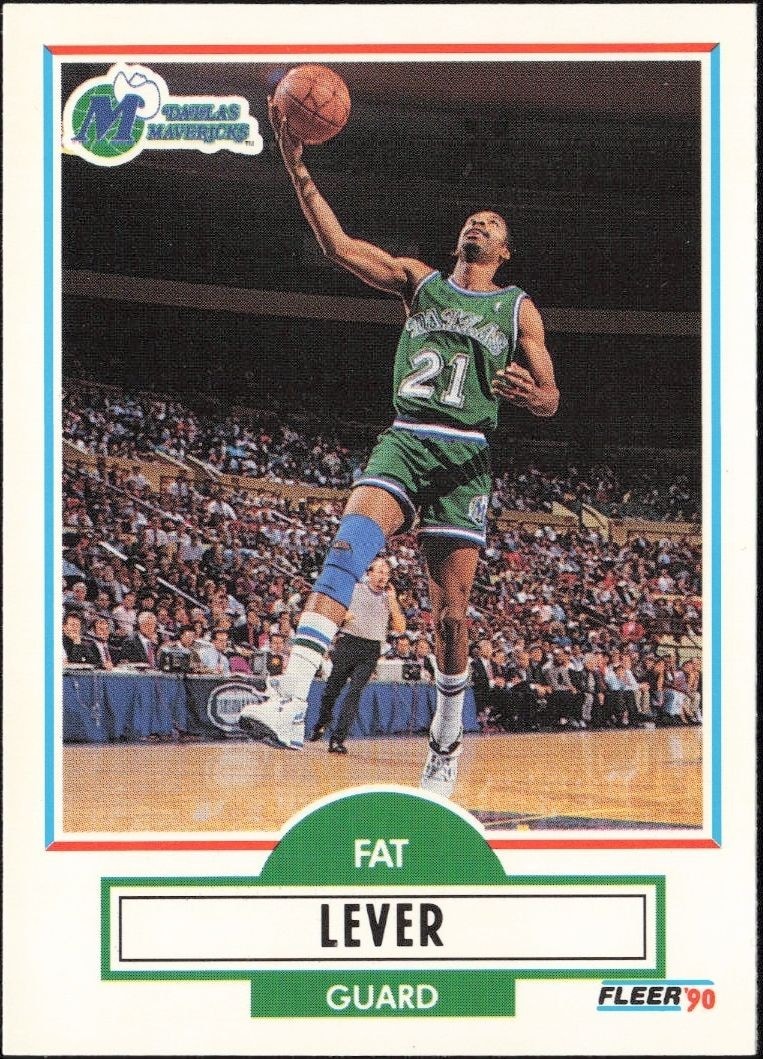
The 1986-87 Fleer #63 Fat Lever basketball card features the Denver Nuggets guard in a classic vintage design.
Fat Lever
1986-87 • Fleer
National Basketball Association • Denver Nuggets
Seller Offer
Out of Stock$69.99
Primary Seller
New
Shipping Calculated at Checkout
30-day ReturnsMarket & Price History
Prices Captured Nov 27, 2026 Unless Another Date Is Shown
Below grade 10 the guide publishes one estimate across all graders, so these rows are not PSA, BGS, CGC or SGC prices, and a low slabbed grade can sit below a clean raw copy. Grade 10 is estimated per grader.
| Condition | Value | Source | Trend | Price Details |
|---|---|---|---|---|
$7.99 | Guide Estimate | +24.8% | ||
$2.75As of 10/30/2026 | Completed Sales | |||
$23.83 | Guide Estimate | -17.6% | ||
$37.42 | Guide Estimate | -14% | ||
$100.07 | Guide Estimate | -10.3% | ||
$110.00 | Guide Estimate | -10.6% | ||
$1,741.00 | Guide Estimate | 0% | ||
$536.00 | Guide Estimate | 0% | ||
$1,339.00 | Guide Estimate | 0% | ||
$803.00 | Guide Estimate | 0% | ||
- $7.99
- Source
- Guide Estimate
- Trend
- +24.8%
- Price Details
- $2.75As of 10/30/2026
- Source
- Completed Sales
- Trend
- Price Details
- $23.83
- Source
- Guide Estimate
- Trend
- -17.6%
- Price Details
- $37.42
- Source
- Guide Estimate
- Trend
- -14%
- Price Details
- $100.07
- Source
- Guide Estimate
- Trend
- -10.3%
- Price Details
- $110.00
- Source
- Guide Estimate
- Trend
- -10.6%
- Price Details
- $1,741.00
- Source
- Guide Estimate
- Trend
- 0%
- Price Details
- $536.00
- Source
- Guide Estimate
- Trend
- 0%
- Price Details
- $1,339.00
- Source
- Guide Estimate
- Trend
- 0%
- Price Details
- $803.00
- Source
- Guide Estimate
- Trend
- 0%
- Price Details
30-day Price History
Raw / Ungraded
PriceCharting Price Guide · Guide Estimate evidence · captured Nov 27, 2026
Product Overview
Description
The 1986-87 Fleer #63 Fat Lever card represents a specific moment in vintage basketball collecting history. Released during the late 1980s, this product highlights Lever’s tenure with the Denver Nuggets, offering collectors a tangible connection to that era of the NBA. As one of the early entries in Fleer’s basketball portfolio, it stands apart from modern releases due to its distinct period design and production values. For enthusiasts building collections of Denver Nuggets memorabilia, this card serves as a foundational component. It captures Lever’s presence on the court during a competitive period for the team, making it a relevant addition for those tracking player histories and franchise evolution. The straightforward layout and bold typography are characteristic of Fleer’s approach at the time, prioritizing clarity and player identification over complex graphics. Whether you are focusing on specific players, teams, or brands, this card fits into the broader narrative of basketball trading card development. It appeals to investors and hobbyists who value the authenticity and historical context of pre-1990s product. Collectors often seek out cards from this era to complete set milestones or to acquire pieces from significant franchises. The 1986-87 Fleer set has a dedicated following, and individual cards like #63 remain important for understanding the landscape of basketball collectibles from that time. By focusing on the product’s identity and its place in sports history, collectors can appreciate its enduring appeal beyond simple nostalgia.
Last Listing Activity
6/2/26
Seller Action
Have one of these to sell?
We'll pre-fill the product details from this catalog entry, so your listing lands on this exact page. Just add photos of your copy, pick its condition, and set your price.
Product Specs
Card Details
The catalog profile below summarizes the card identity, featured subject, and notable collectible traits.
Featured Subject
The subject, team, league, and sport context tied to this card.
Print Details
Production details and format-specific attributes.
Material
Card Stock
Language
English
Collector Ownership
Owned by Collectors
See how many public collections currently include this card.
0 collectors have this card
Looking for This Item?
No stocked SuperCatch offers are available here. You can search another marketplace; availability and prices may vary.
Find on eBaySuperCatch may earn a commission from qualifying purchases made through this eBay affiliate link.
SuperCatch Expert Analysis
Market Value Insight
This 1986 Fleer Fat Lever card sits within an accessible entry-level price tier, reflecting its status as a common base card from a high-volume early-era release. While the presence of graded copies indicates a segment of the market prioritizing preservation, the raw market positioning suggests it trades modestly above the floor for ungraded examples of this specific year and brand. Its value is anchored by the historical significance of the Fleer brand's return to basketball, though it does not command the premiums seen in premium parallel versions or higher-tier rookie issues.
Rarity Breakdown
As a standard base card from the 1986-87 Fleer set, this item lacks exclusive scarcity drivers such as serial numbering, short-print status, or unique one-of-one designations. The supply is defined by the original print run of the base set, making graded copies the primary differentiator in terms of available condition rarity. Without limited edition markings or parallel variants, the card relies on the general scarcity of well-preserved examples from this era rather than intrinsic manufacturing limits.
Investment Outlook
Investment potential is tied to the broader collector interest in 1980s basketball nostalgia and the enduring recognition of Fleer as a foundational brand in the sport. While it serves as a solid historical artifact for Denver Nuggets or Fleer completists, it lacks the rookie card premium mechanics or limited supply attributes that typically drive significant appreciation. Demand remains steady among niche collectors rather than speculative investors, positioning it as a stable hold rather than a high-growth asset.
AI-Generated Editorial Analysis
FAQ
Frequently Asked Questions
What team did Fat Lever play for in 1986-87?
Fat Lever played for the Denver Nuggets during the 1986-87 NBA season. This card documents his time with the franchise before his later trade to the Seattle SuperSonics.
Is the 1986-87 Fleer set considered vintage?
Yes, the 1986-87 Fleer basketball set is widely considered vintage. It was part of Fleer's early return to the sports card market after a long hiatus, making it a significant release for collectors of 1980s NBA memorabilia.
Why are 1980s basketball cards popular with collectors?
Cards from the 1980s are popular because they represent a transitional era in sports card design and production. Collectors value them for their historical context, simpler designs, and the nostalgia associated with the players featured during that decade.