


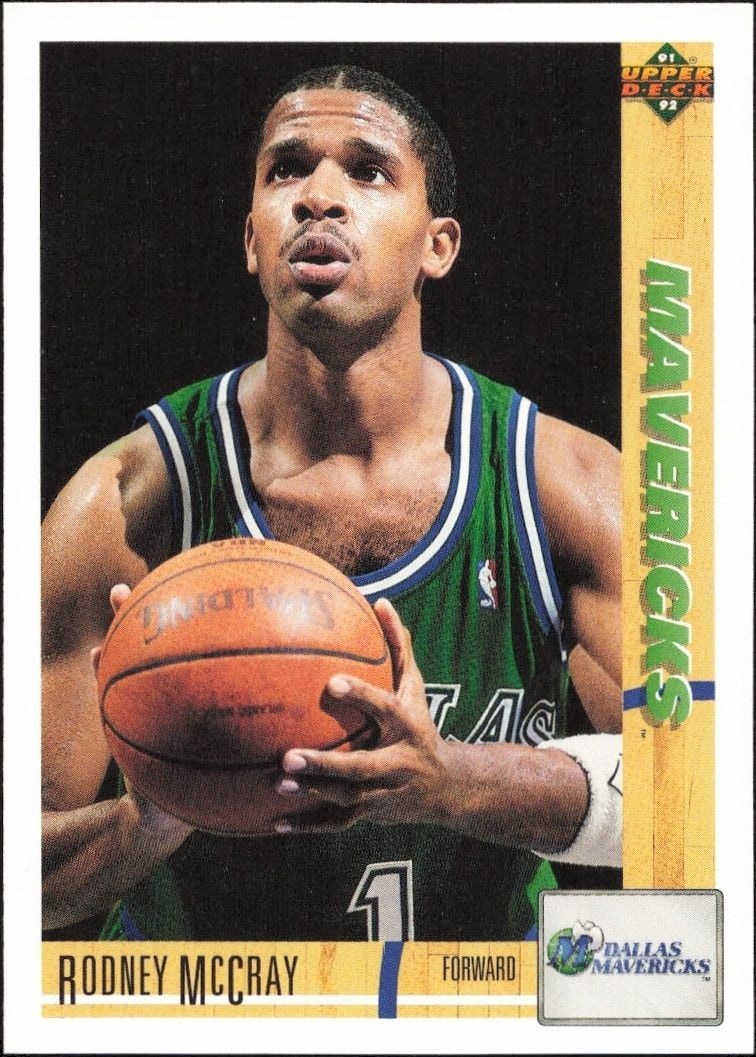

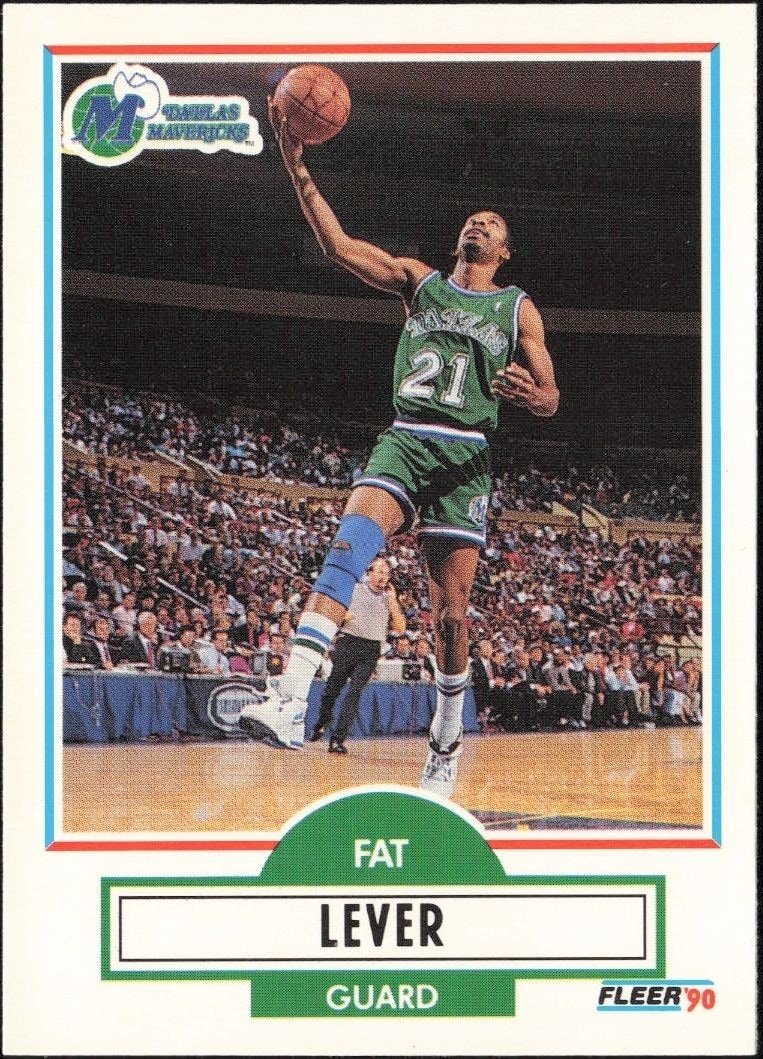


Identify the 1991-92 Upper Deck Fat Lever #157 basketball card, a roster entry for the Dallas Mavericks during the early 1990s NBA season.
1991-92 • Upper Deck
National Basketball Association • Dallas Mavericks
Near Mint
157
New
Shipping Calculated at Checkout
Arrives in 5-7 daysEstimated delivery October 23, 2026 - October 25, 2026
Seller returns October 19, 2026.30-day Returns| Condition | Value | Source | Trend | Price Details |
|---|---|---|---|---|
$1.02 | Guide Estimate | |||
Raw / Ungraded
PriceCharting Price Guide · Guide Estimate evidence · captured Oct 7, 2026
History is building. At least two days of matching observations are needed to show a trend.
Each point is the last stored observation that day for this printing, condition, grader, autograph status and source. Gaps mean no observation; guide estimates and asking prices are not completed sales.The 1991-92 Upper Deck Fat Lever card #157 serves as a roster entry for the Dallas Mavericks during the early 1990s NBA season. This sports trading card captures a specific moment in professional basketball history, featuring the guard who was a key figure for the team during that campaign. Collectors often seek out cards from this era to trace the lineage of players who defined the league's competitive landscape before the modern digital age. Upper Deck introduced a revolutionary design approach with its 1991 debut, and the 1991-92 release continued to set standards for basketball card production. Card #157 is part of the base set, offering a straightforward yet significant representation of the player's tenure with the Mavericks. For those building a comprehensive collection of Dallas Mavericks history or focusing on specific players from this period, this card provides an essential link to the team's roster at that time. The identity of the card is rooted in its catalog number and brand heritage. Upper Deck cards from the early 90s are recognized by their distinct production values and the way they documented the sport's transition into a more global phenomenon. Collecting this piece allows enthusiasts to engage with the tangible history of the NBA, preserving the visual record of athletes like Fat Lever who contributed to the game's growth. Whether you are completing a set of 1991-92 Upper Deck basketball cards or focusing on the Dallas Mavericks' archival materials, this product stands as a factual record of the player's professional status during that year. It appeals to investors and hobbyists interested in the physical artifacts of sports history, offering a direct connection to the 1991-92 basketball season without the need for complex authentication for the base product itself. The card remains a staple for those tracking the evolution of basketball trading cards and the careers of players from that specific generation.
19 hours ago
We'll pre-fill the product details from this catalog entry, so your listing lands on this exact page. Just add photos of your copy, pick its condition, and set your price.
The catalog profile below summarizes the card identity, featured subject, and notable collectible traits.
The core identity of the card within the set.
The subject, team, league, and sport context tied to this card.
Production details and format-specific attributes.
Material
Card Stock
Language
English
Compare prices, grades, photos, and shipping from approved sellers.
New
Near Mint
See how many public collections currently include this card.
0 collectors have this card
This 1991-92 Upper Deck Fat Lever card represents a baseline entry-level asset within the broader basketball market, trading at a modest value tier relative to his career significance with the Dallas Mavericks. As a standard issue without special parallels or insert status, it lacks the premium pricing drivers found in graded or short-printed counterparts, positioning it as an affordable acquisition for casual collectors. The current market activity suggests a stable but low-demand environment, typical for base cards of players who did not achieve superstar longevity in the eyes of the primary investment community.
The card carries no specific scarcity attributes such as serial numbering, short-print designation, or one-of-one status, indicating it is part of the general base set production. This lack of limiting factors means the supply is relatively abundant compared to parallel or insert variants, which naturally constrains any potential rarity-driven value appreciation. Collectors seeking unique or limited-edition pieces will likely bypass this standard version in favor of rarer parallels that offer tangible supply constraints.
As a non-rookie card from the early 1990s, this item does not benefit from rookie-card premium mechanics, which typically drive the strongest collector demand and long-term value retention. The absence of special attributes or high-grade certification opportunities limits its appeal to serious investors, who generally prioritize scarcity and condition over base set availability. While it may serve as a cost-effective addition for thematic collections, its potential for significant market outperformance is constrained by the sheer volume of similar ungraded base cards in circulation.