
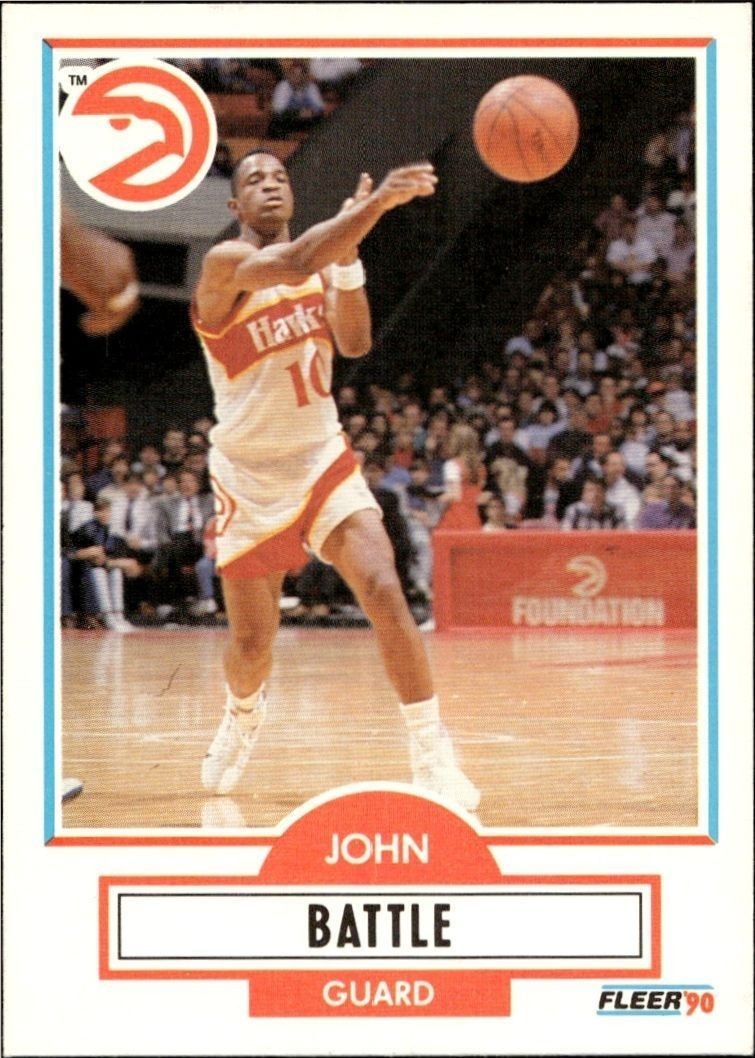
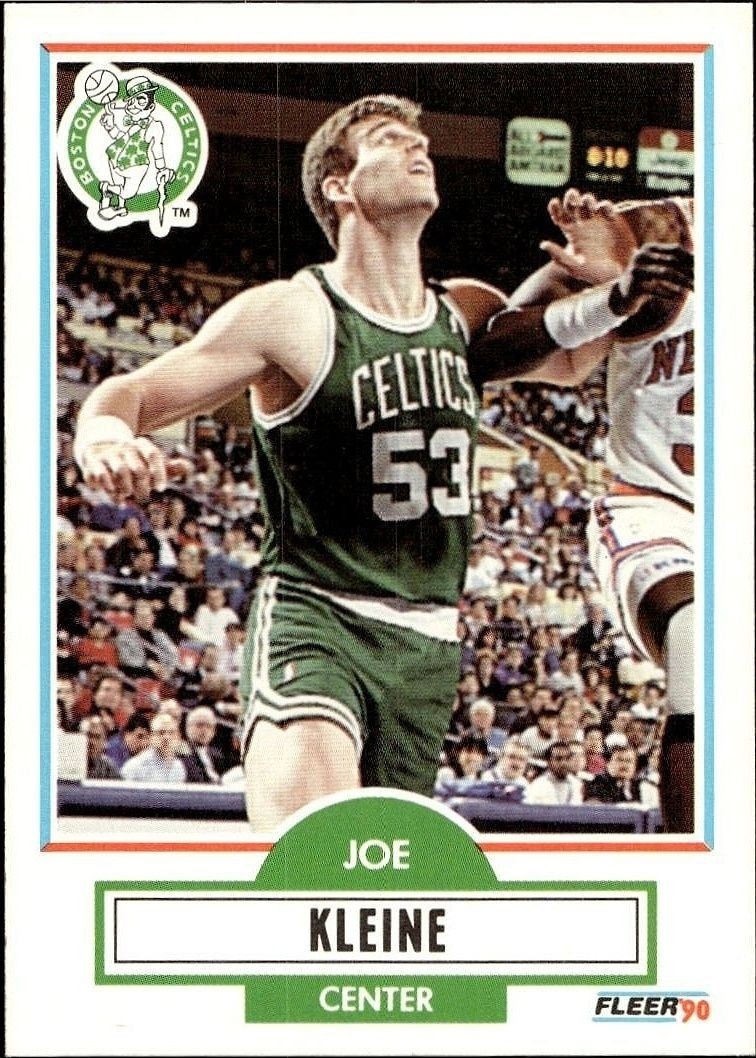
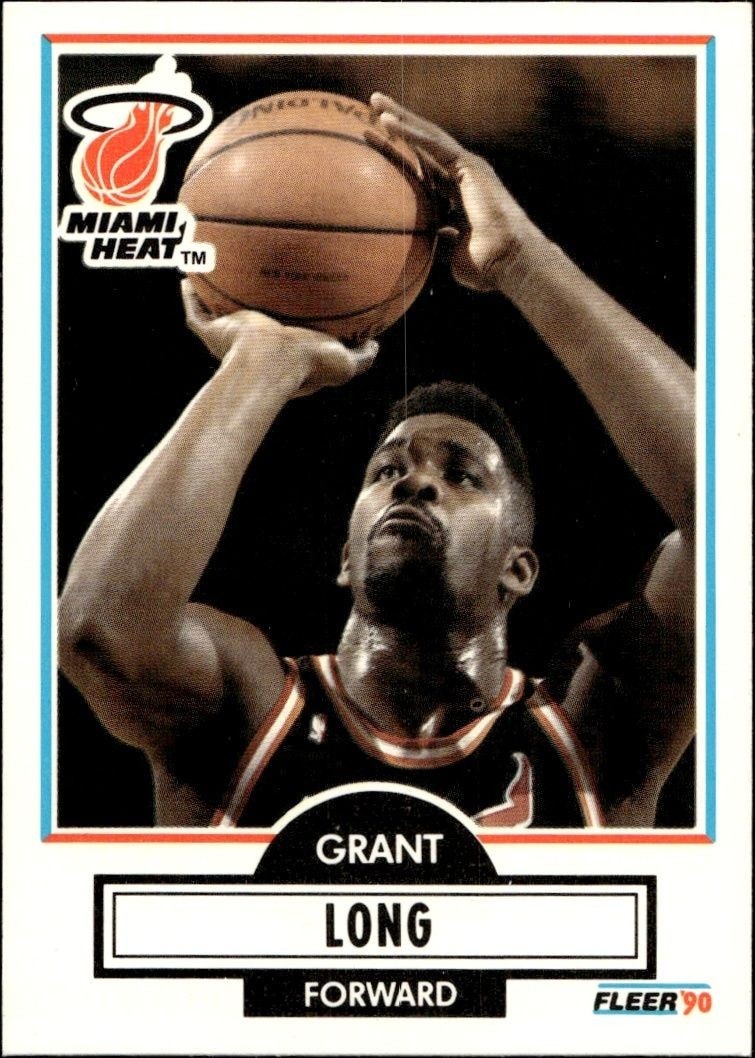

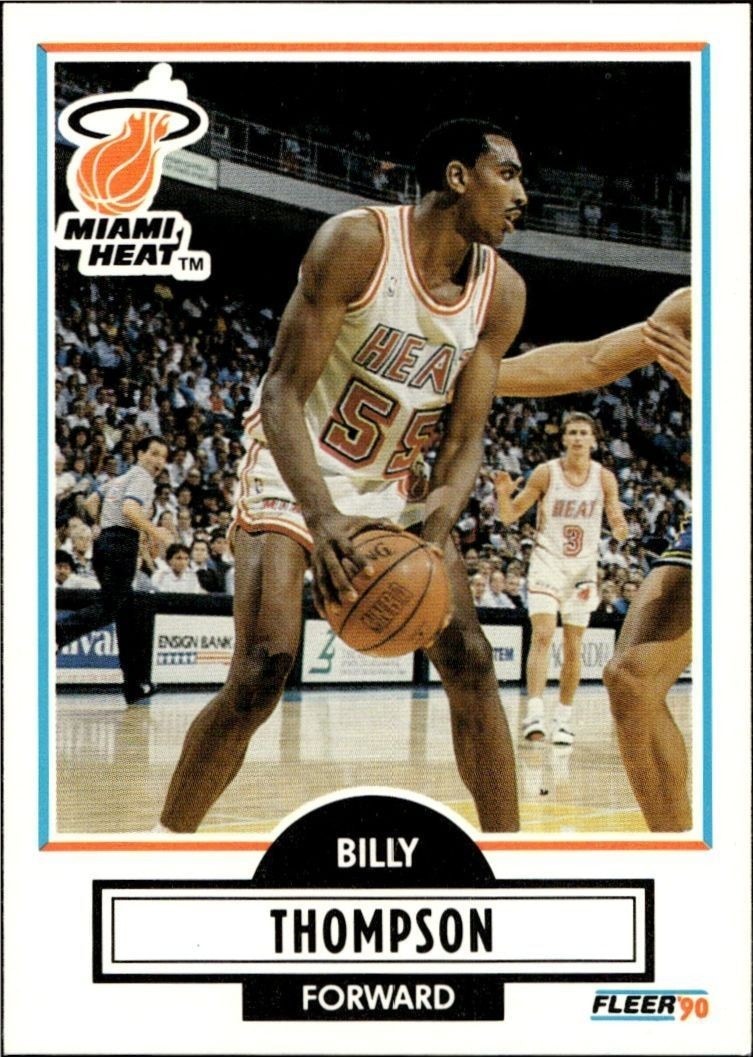




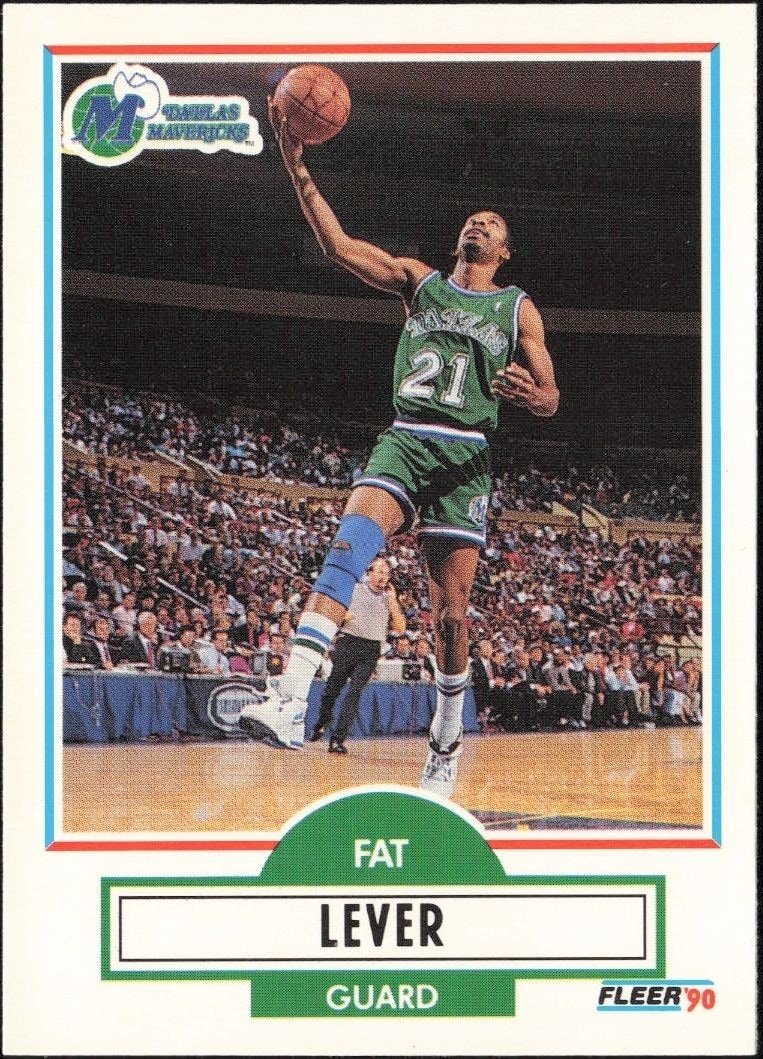

The 1990-91 Fleer #50 basketball card featuring Fat Lever of the Dallas Mavericks. A classic sports trading card from the early 90s Fleer release.
1990-91 • Fleer
National Basketball Association • Dallas Mavericks
Excellent
50
New
Shipping Calculated at Checkout
Arrives in 5-7 daysEstimated delivery October 23, 2026 - October 25, 2026
Seller returns October 19, 2026.30-day Returns| Condition | Value | Source | Trend | Price Details |
|---|---|---|---|---|
$1.05 | Guide Estimate | 0% | ||
$7.97 | Guide Estimate | 0% | ||
$9.00 | Guide Estimate | 0% | ||
$26.00 | Guide Estimate | 0% | ||
$12.00 | Guide Estimate | 0% | ||
$19.79 | Guide Estimate | -0.4% | ||
$12.00 | Guide Estimate | 0% | ||
Raw / Ungraded
PriceCharting Price Guide · Guide Estimate evidence · captured Oct 8, 2026
The 1990-91 Fleer #50 basketball card highlights Fat Lever during his tenure with the Dallas Mavericks. Released in 1990, this sports card is part of the Fleer brand's early entry into the modern basketball trading card market. Collectors often seek out this card number to complete base set collections or to track the career of players from this era of the NBA. Fat Lever was a notable guard for the Mavericks, known for his defensive prowess and playmaking ability. This card serves as a tangible link to that period in franchise history. For investors and hobbyists alike, the 1990-91 Fleer set remains a significant release, marking the company's first major foray into basketball after acquiring the rights from Topps. The card's design reflects the aesthetic trends of the early 1990s, making it a nostalgic item for long-time fans. Whether you are building a Mavericks team set or focusing on specific players from the NBA's golden era, this card offers a distinct piece of basketball history. Collecting sports cards from the 1990-91 season allows fans to own a piece of the league's evolution. The Dallas Mavericks were a competitive team during this time, and cards featuring their roster are particularly sought after. This product represents a foundational element for any collection focused on 90s basketball memorabilia.
16 hours ago
We'll pre-fill the product details from this catalog entry, so your listing lands on this exact page. Just add photos of your copy, pick its condition, and set your price.
The catalog profile below summarizes the card identity, featured subject, and notable collectible traits.
The subject, team, league, and sport context tied to this card.
Production details and format-specific attributes.
Material
Card Stock
Language
English
Compare prices, grades, photos, and shipping from approved sellers.
New
Excellent
See how many public collections currently include this card.
0 collectors have this card
This 1990-91 Fleer base card of Fat Lever represents an entry-level price tier within the Dallas Mavericks' historical roster, reflecting his role as a solid rotational player rather than a franchise cornerstone. The absence of special attributes places it firmly in the mainstream market, where supply significantly exceeds demand for non-rookie, non-star athletes from this era. Consequently, it trades below the premium commanded by his rookie issues or any parallel versions, serving as an affordable specimen for specialized team collectors.
As a standard base card from the 1990-91 Fleer set, this item carries no inherent scarcity mechanics such as serial numbering, short-print designations, or limited edition markings. The supply is determined entirely by the original print run of the base set, which remains abundant in the secondary market. Without unique attributes to constrain availability, it remains easily accessible to collectors seeking to complete standard team sets.
The lack of rookie card designation or high-end parallel status limits the potential for significant appreciation, as investor interest typically concentrates on first-year issues or graded examples of elite talent. Demand is primarily driven by niche collectors assembling complete Dallas Mavericks rosters from the early 1990s rather than broader market speculation. Long-term value retention is likely stable but modest, dependent on the general health of vintage basketball card collecting rather than individual player accolades.
