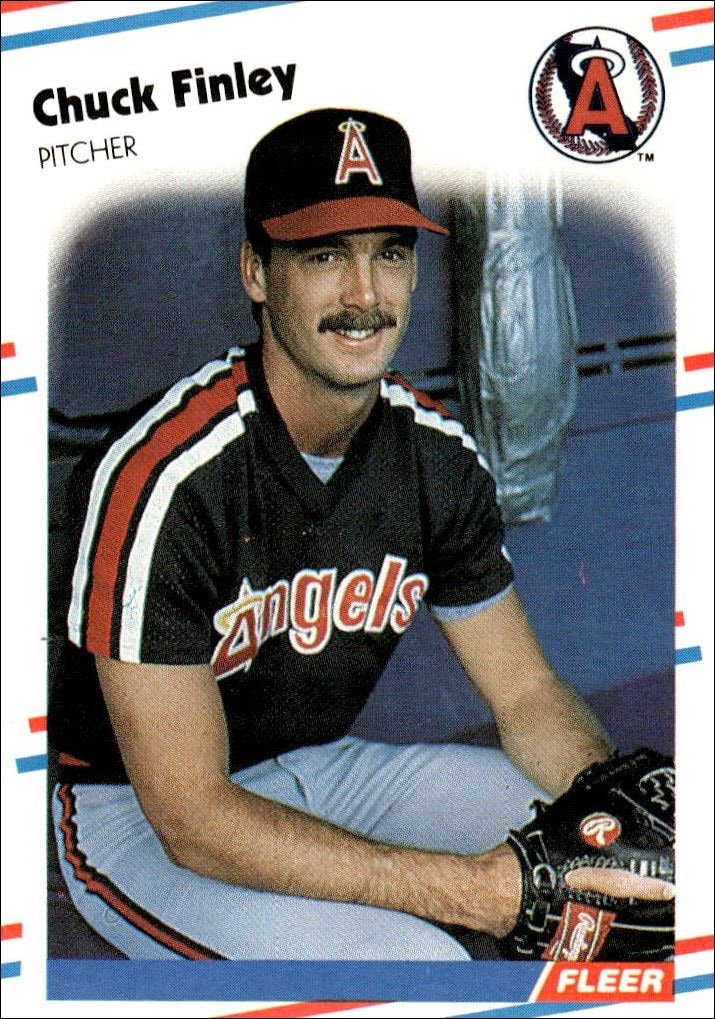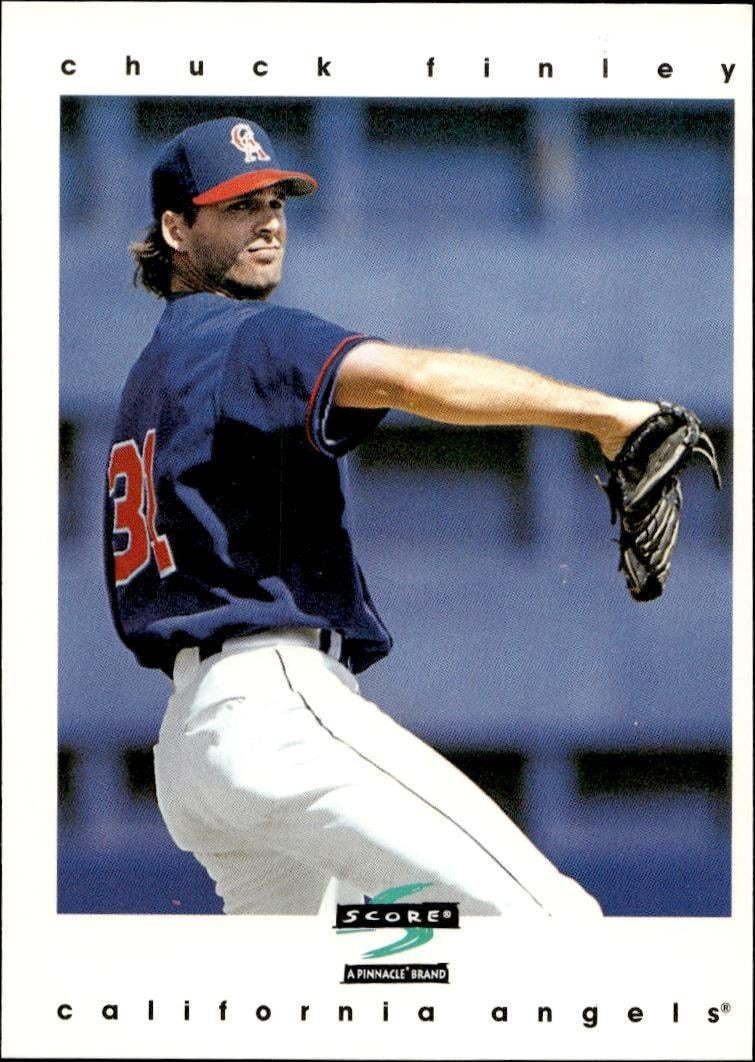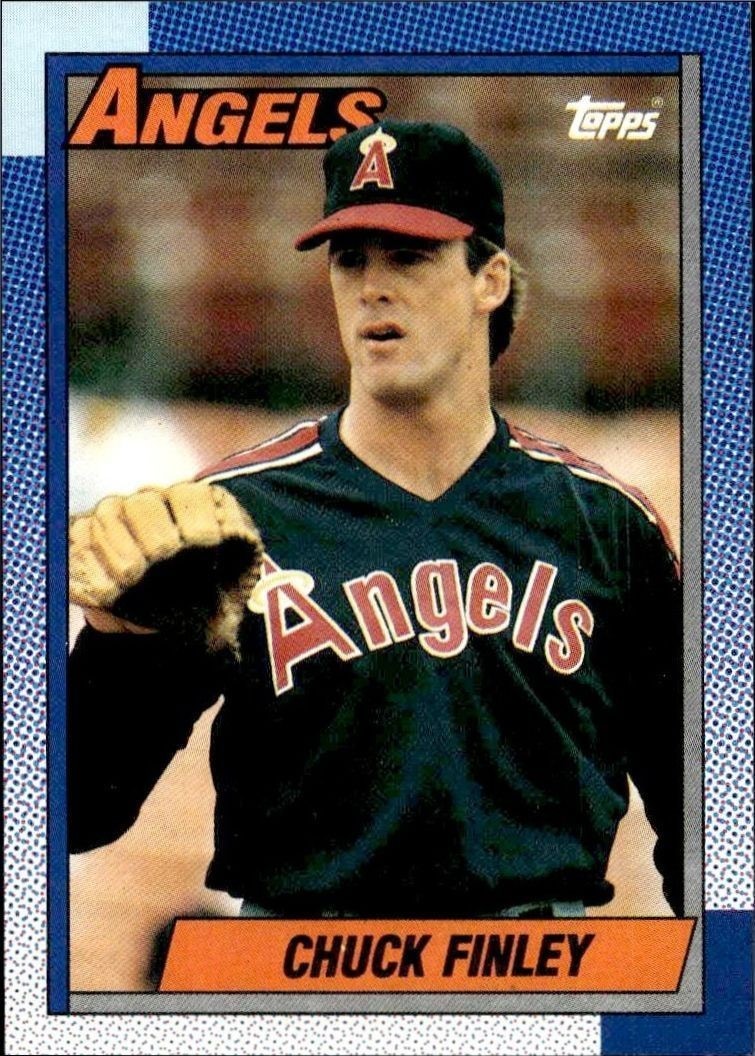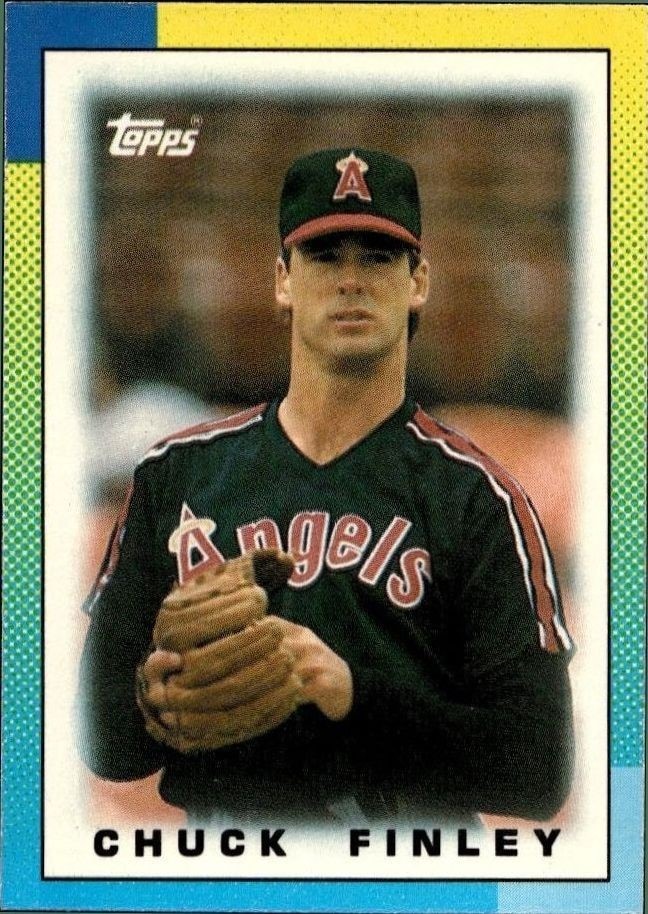



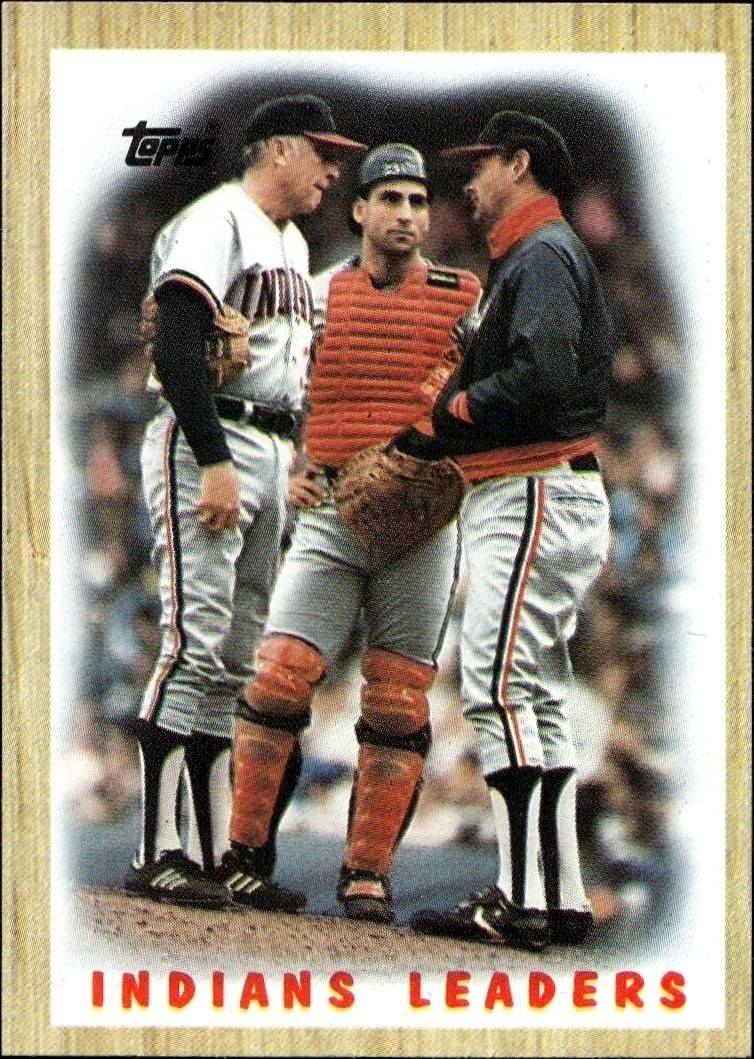


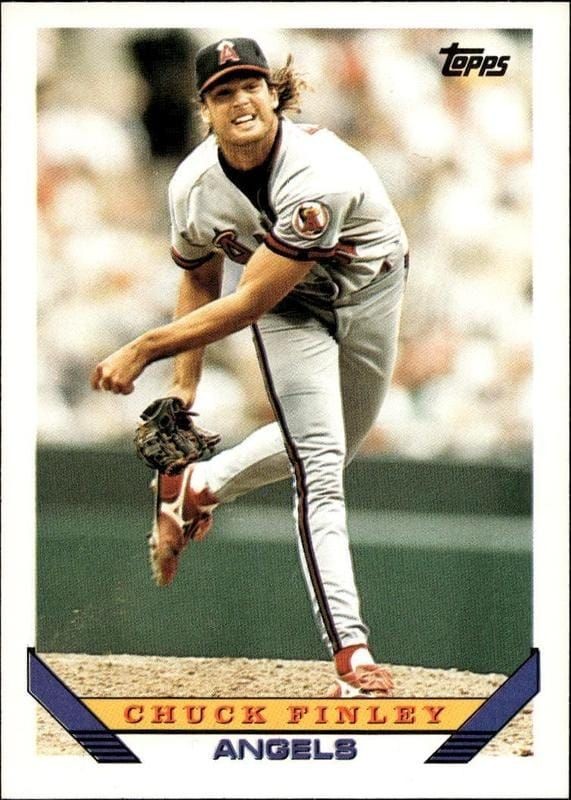
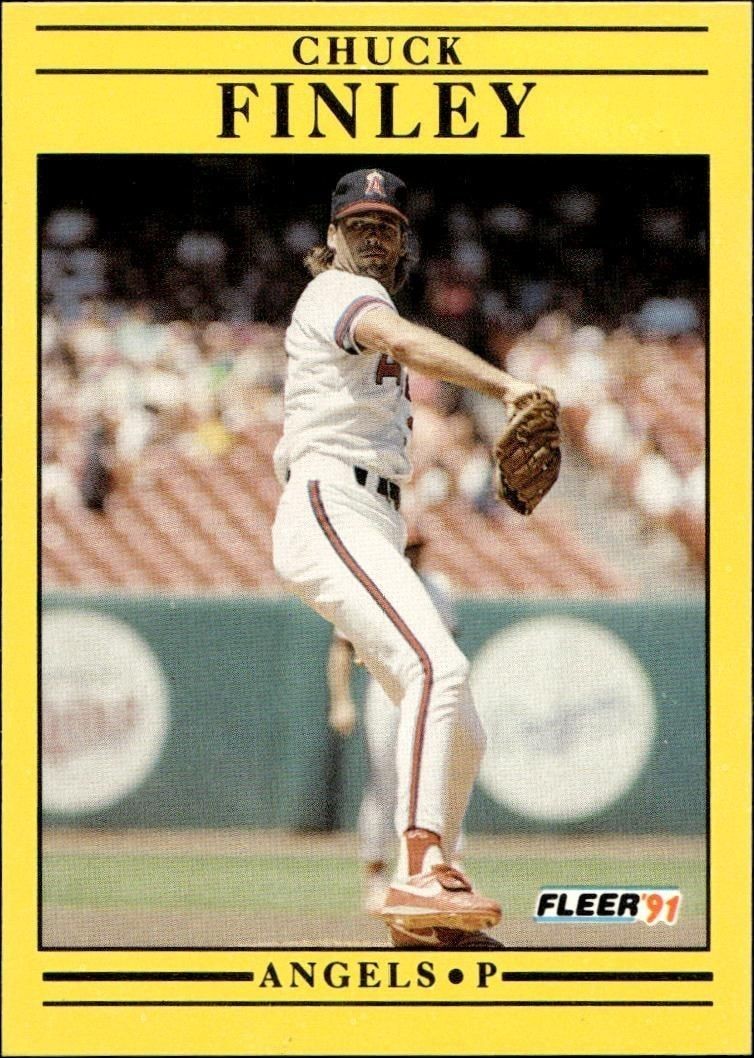
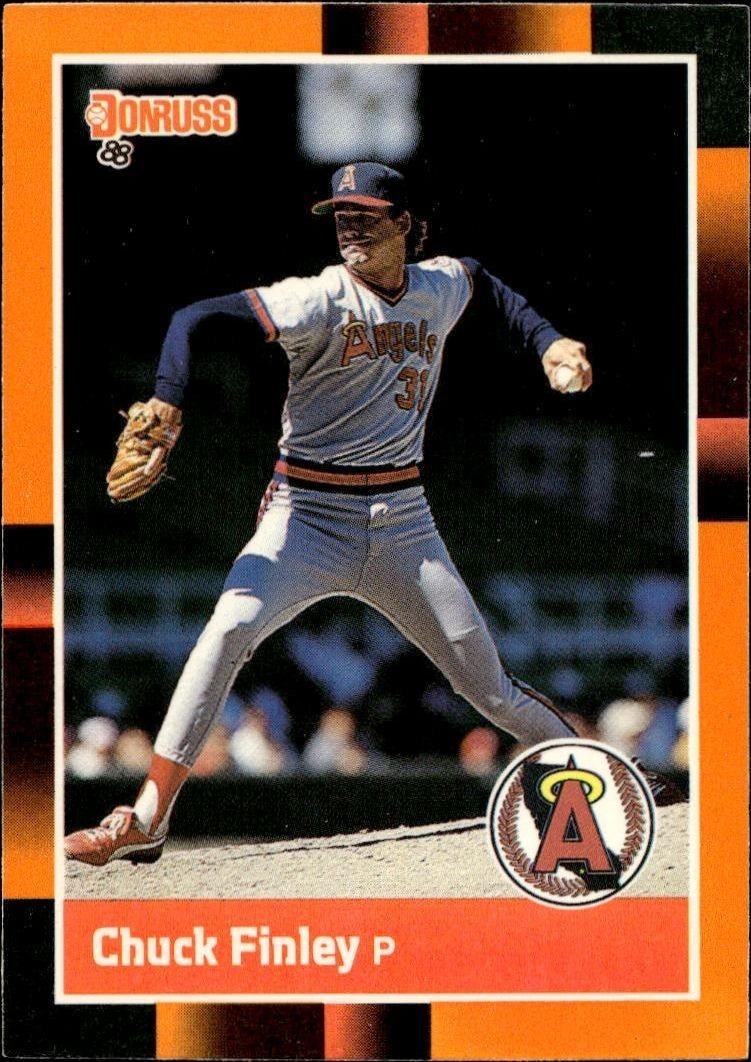
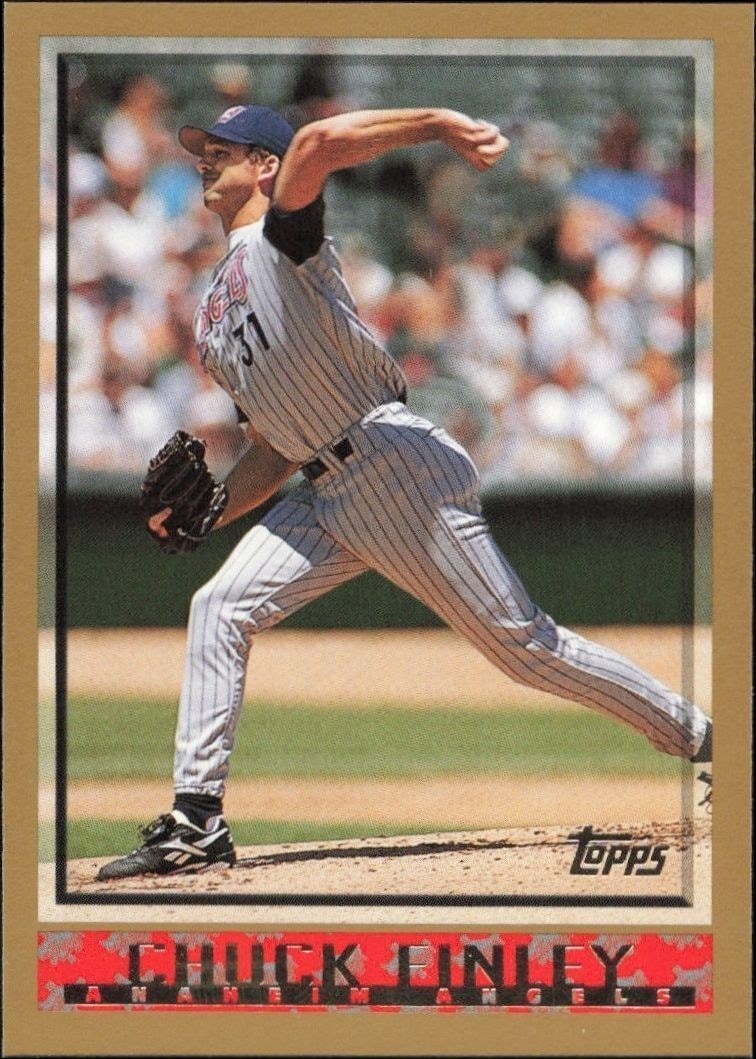
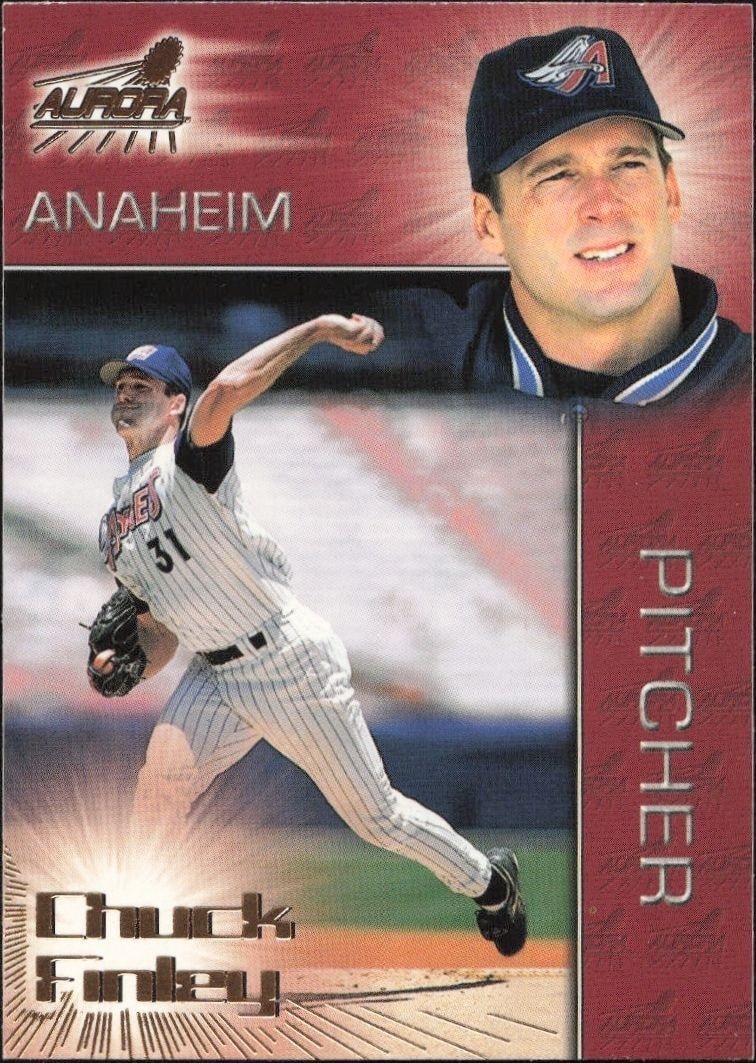
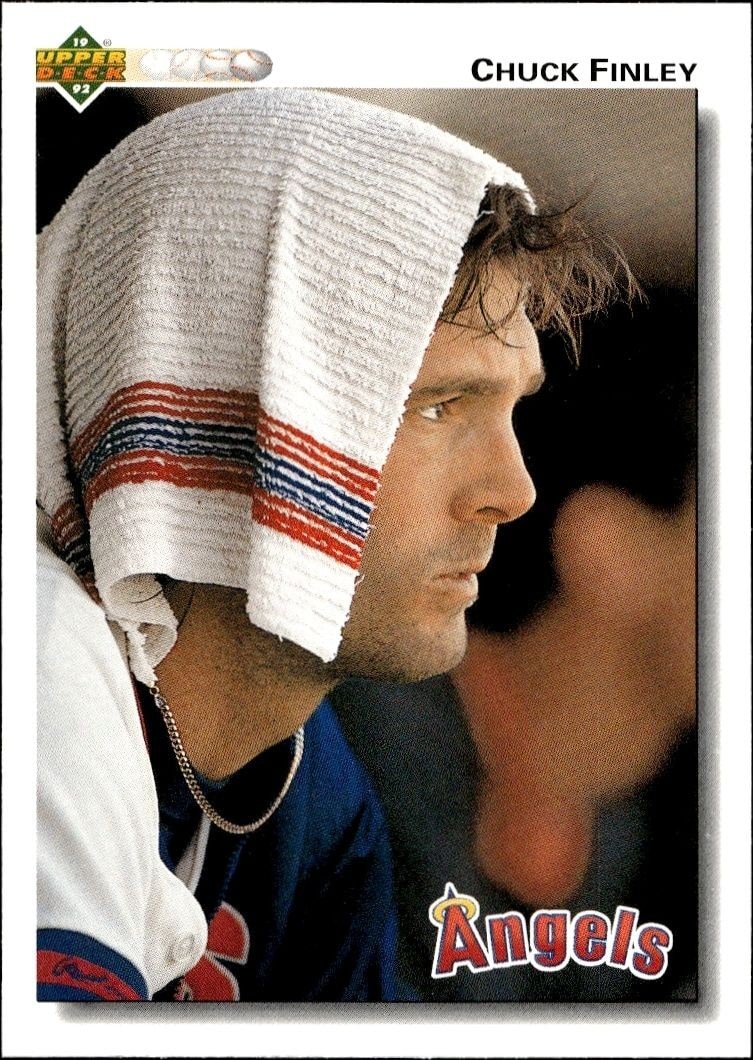
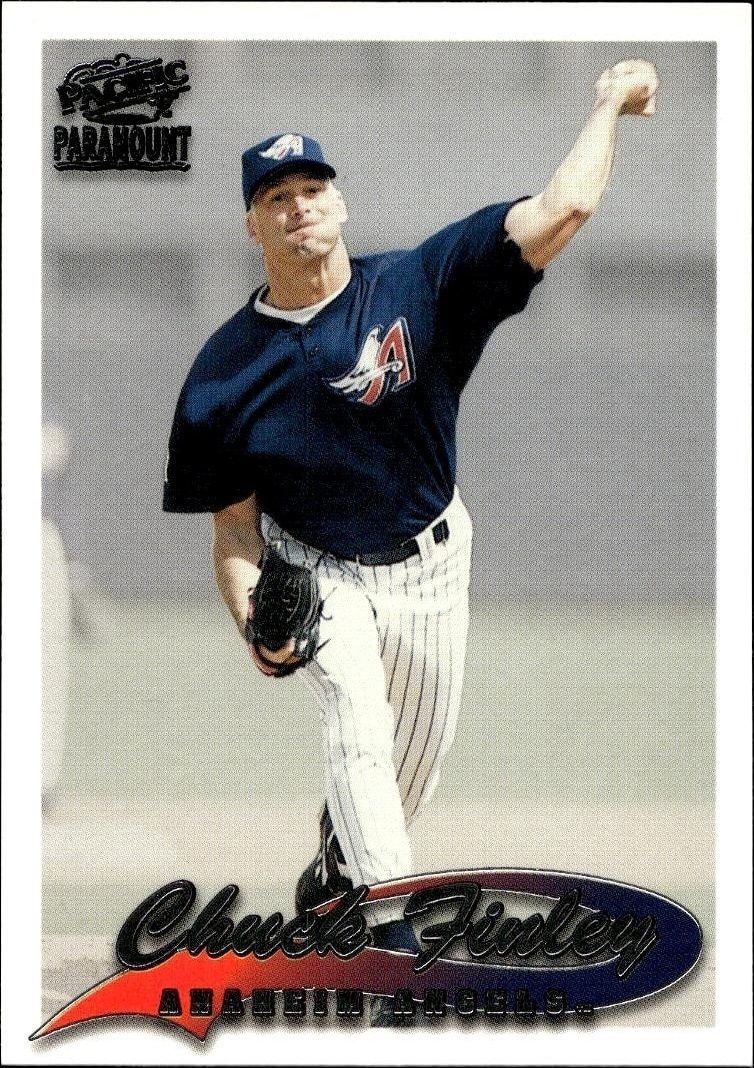
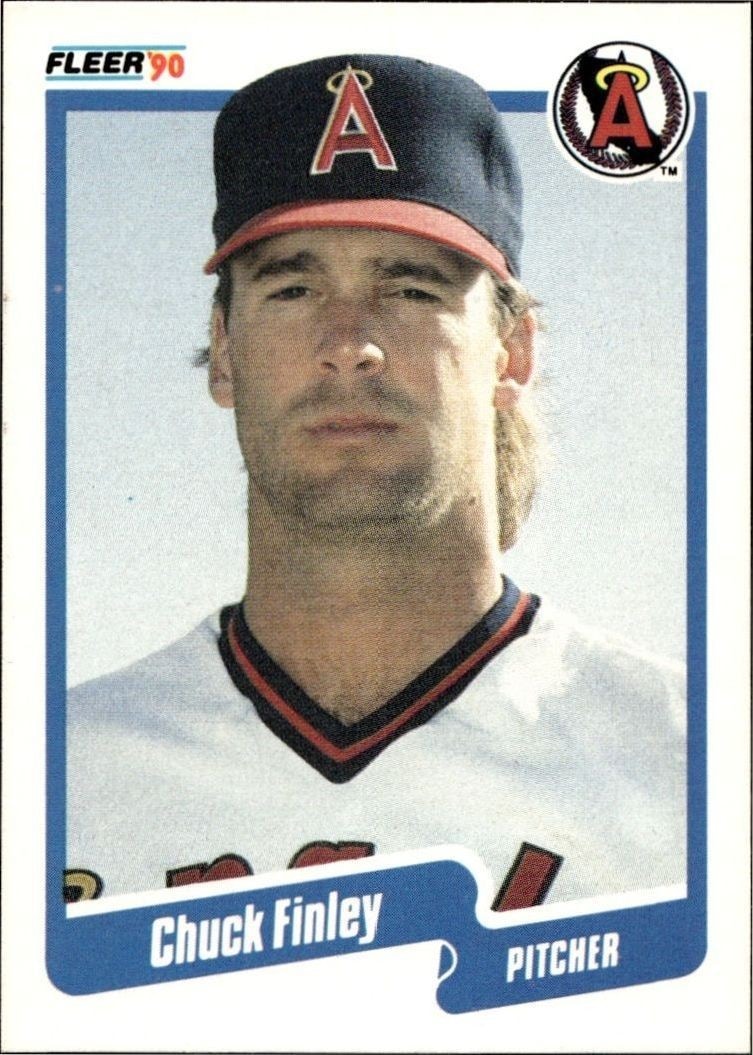
The 1987 Topps Chuck Finley #446 is a vintage sports trading card featuring Los Angeles Angels pitcher Chuck Finley. This catalog entry represents the base card from the 1987 Topps baseball set.
1987 • Topps
Major League Baseball • Los Angeles Angels
Excellent
446
New
Shipping Calculated at Checkout
Arrives in 4-6 daysEstimated delivery October 23, 2026 - October 25, 2026
30-day Returns| Condition | Value | Source | Trend | Price Details |
|---|---|---|---|---|
$2.63 | Guide Estimate | +21.2% | ||
$1.99As of 9/21/2026 | Completed Sales | |||
$38.41 | Guide Estimate | -2.3% | ||
$42.00 | Guide Estimate | -2.3% | ||
$44.00 | Guide Estimate | +2.3% | ||
$58.00 | Guide Estimate | +1.8% | ||
$27.00 | Guide Estimate | +3.8% | ||
$44.99 | Guide Estimate | +3% | ||
$27.00 | Guide Estimate | +3.8% | ||
Raw / Ungraded
PriceCharting Price Guide · Guide Estimate evidence · captured Oct 16, 2026
The 1987 Topps Chuck Finley #446 is a key component of the 1987 Topps baseball set, featuring Los Angeles Angels pitcher Chuck Finley. As a product from the 1987 Topps brand, this card captures a specific moment in the history of professional baseball during that era. Collectors often seek out base cards from this period to complete their annual collections or to build a comprehensive library of vintage sports memorabilia. Chuck Finley is featured on this card representing his time with the Los Angeles Angels. The 1987 Topps set is widely recognized among hobbyists for its distinct design and historical significance within the trading card industry. This card serves as a tangible link to that specific season and team roster. For investors and enthusiasts, owning individual cards from this release allows for targeted acquisition of specific players or teams. When evaluating this product, collectors focus on the integrity of the card as a representative piece of the 1987 Topps series. The card number 446 places it within the sequential numbering system typical of the brand's annual releases. Whether you are a fan of the Los Angeles Angels or a dedicated student of baseball history, this card offers a direct connection to the sport's past. The enduring appeal of 1987 Topps cards lies in their nostalgic value and their role in documenting the evolution of the game.
1 day ago
We'll pre-fill the product details from this catalog entry, so your listing lands on this exact page. Just add photos of your copy, pick its condition, and set your price.
The catalog profile below summarizes the card identity, featured subject, and notable collectible traits.
The subject, team, league, and sport context tied to this card.
Production details and format-specific attributes.
Material
Card Stock
Language
English
Compare prices, grades, photos, and shipping from approved sellers.
New
Excellent
See how many public collections currently include this card.
0 collectors have this card
This 1987 Topps Chuck Finley card sits at the entry-level price tier, reflecting its status as a common base card from a pre-internet era set. While the current market price is accessible, the lack of special attributes or grading premiums suggests it trades near the floor for Finley's 1987 releases. Its value is driven primarily by the player's MLB tenure rather than card-specific scarcity or condition rarity.
The card possesses no special attributes, indicating it is a standard base insert within the 1987 Topps baseball set. This classification means the supply is determined by the original print run for the base product, which was typically high for mass-market releases of this period. Without serial numbering, short-print designation, or parallel variations, the scarcity is purely a function of age-related survival rates rather than intentional limited distribution.
As a rookie-year card for a pitcher with a significant MLB career, this item appeals to collectors seeking foundational pieces of Finley's timeline rather than speculative growth assets. The broad availability of common base cards from this era generally limits upside potential, as demand is spread across a large pool of similar inventory. Long-term value retention will likely depend on the broader nostalgia market for 1980s baseball rather than individual card rarity or grading milestones.