


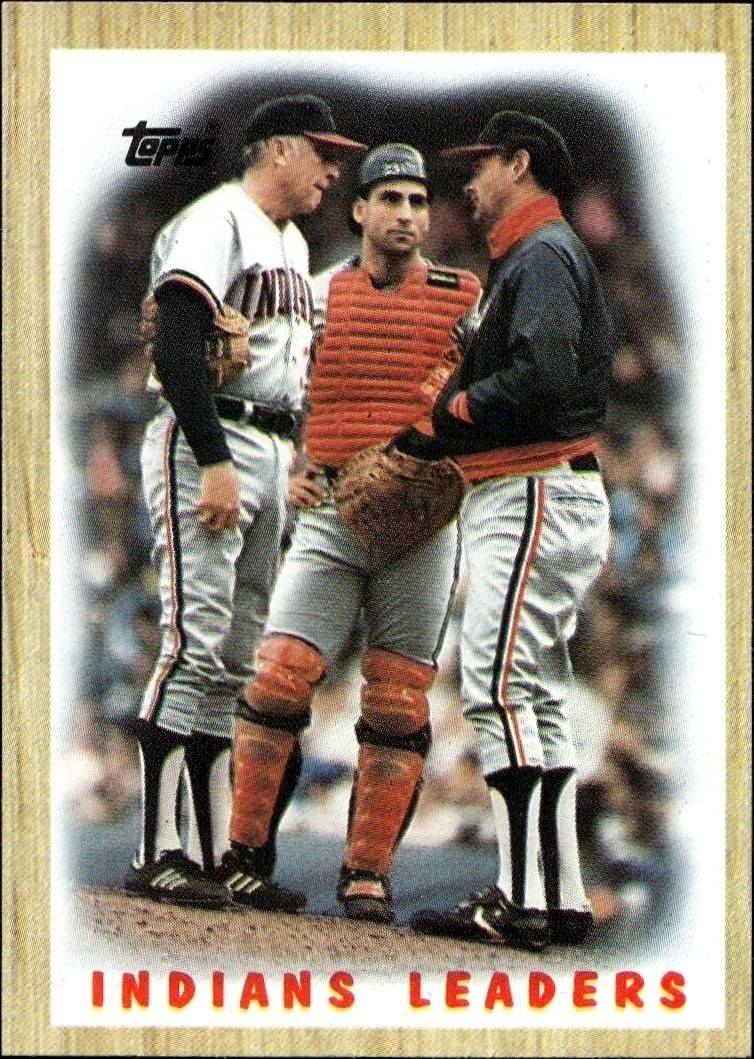




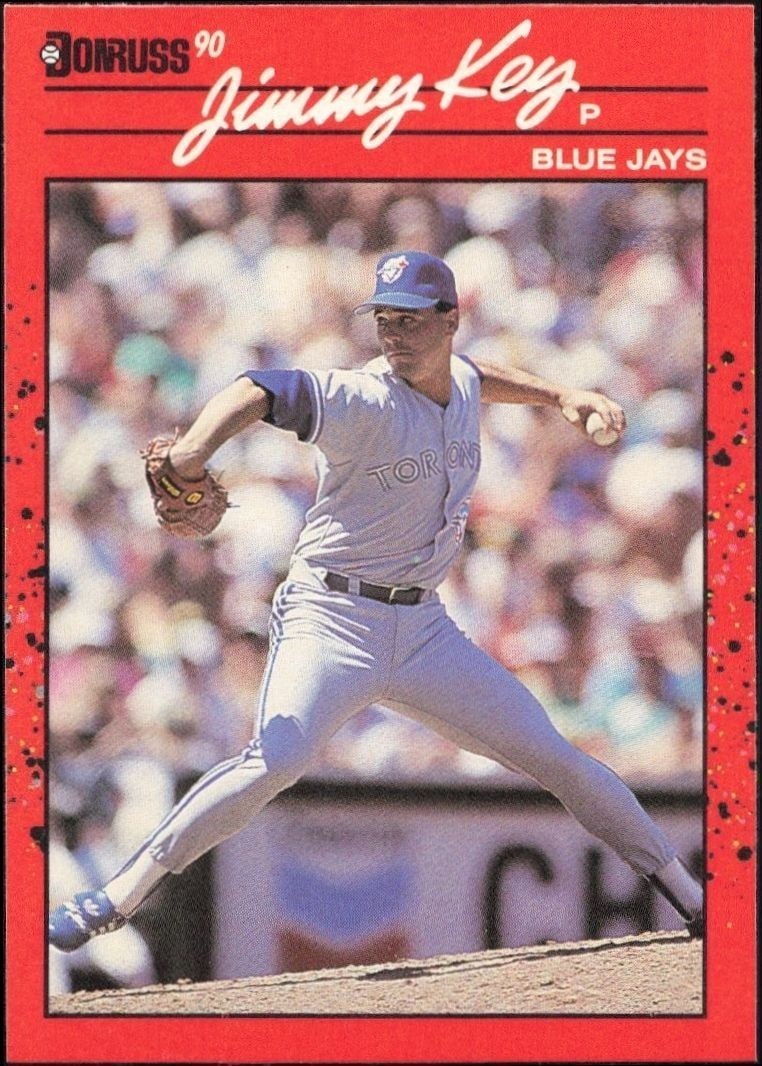

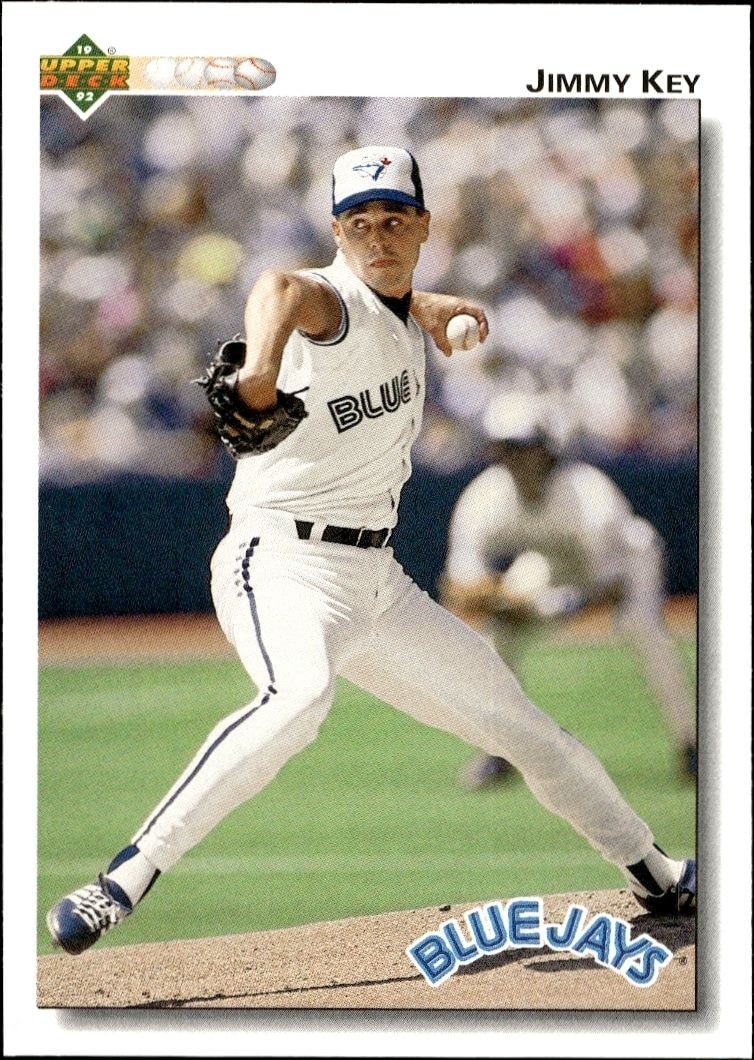
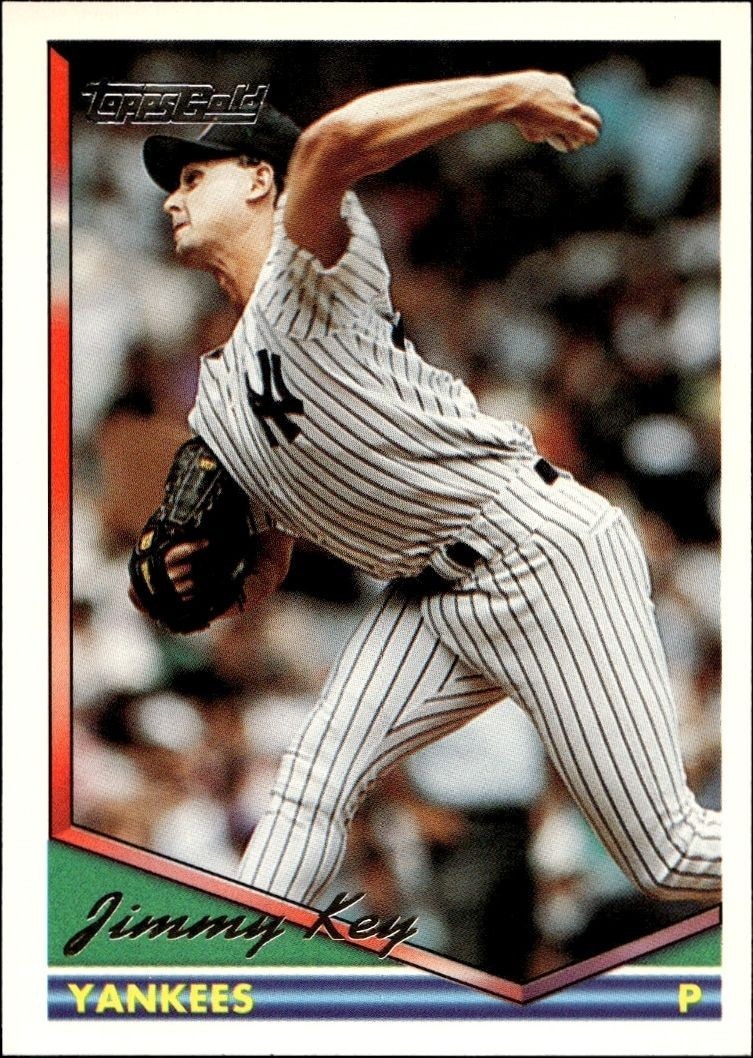


This 1987 Topps baseball card features Jimmy Key of the Toronto Blue Jays, designated as card number 29 in the iconic annual series.
1987 • Topps
Major League Baseball • Toronto Blue Jays
Excellent
29
New
Shipping Calculated at Checkout
Arrives in 5-7 daysEstimated delivery October 23, 2026 - October 25, 2026
Seller returns October 19, 2026.30-day Returns| Condition | Value | Source | Trend | Price Details |
|---|---|---|---|---|
$1.20 | Guide Estimate | 0% | ||
$9.52 | Guide Estimate | +0.1% | ||
$10.00 | Guide Estimate | 0% | ||
$37.72 | Guide Estimate | +0.2% | ||
$53.00 | Guide Estimate | 0% | ||
$24.00 | Guide Estimate | 0% | ||
$40.50 | Guide Estimate | 0% | ||
$24.00 | Guide Estimate | 0% | ||
Raw / Ungraded
PriceCharting Price Guide · Guide Estimate evidence · captured Oct 17, 2026
The 1987 Topps release remains a cornerstone for vintage sports card collectors, offering a definitive snapshot of the era's most prominent athletes and teams. Jimmy Key #29 stands as a key entry for enthusiasts focused on Toronto Blue Jays history and the development of their pitching staff during this period. As part of the broader 1987 Topps set, this card provides a tangible connection to a specific moment in baseball history, valued for its design consistency and historical context rather than individual performance metrics. Collectors often seek this card to complete base set collections or to build thematic groups centered on the Blue Jays' rise in the late 1980s. The card's identity is firmly rooted in its manufacturer, Topps, and its specific placement as number 29 within the annual sequence. For investors and hobbyists alike, cards from this year represent a stable segment of the vintage market, appreciated for their widespread distribution and enduring aesthetic appeal. This product serves as an essential component for those looking to document the lineup and roster changes of the Toronto Blue Jays during the 1987 season. Whether you are a long-time fan of the team or a serious collector of Topps baseball issues, Jimmy Key #29 offers a straightforward yet significant addition to any archive.
19 hours ago
We'll pre-fill the product details from this catalog entry, so your listing lands on this exact page. Just add photos of your copy, pick its condition, and set your price.
The catalog profile below summarizes the card identity, featured subject, and notable collectible traits.
The subject, team, league, and sport context tied to this card.
Production details and format-specific attributes.
Material
Card Stock
Language
English
Compare prices, grades, photos, and shipping from approved sellers.
New
Excellent
See how many public collections currently include this card.
0 collectors have this card
As a 1987 Topps base card, this item represents the entry-level tier of Jimmy Key's collectible portfolio, trading significantly below premium parallels or autographed variants. While it lacks the scarcity drivers of higher-tier issues, it serves as an accessible benchmark for the broader Toronto Blue Jays market of that era. The current pricing reflects its status as a common base card, offering low barrier-to-entry for casual fans rather than serious investors.
This card possesses no special rarity attributes, meaning it is a standard base issue with no serial numbering, short-print designation, or parallel foil treatment. Consequently, the supply is determined by the original mass-production volume of the 1987 Topps set, which was designed for broad distribution rather than limited availability. Without unique scarcity mechanics, the card does not benefit from the supply constraints that typically elevate value in the secondary market.
The investment potential is limited by its classification as a common base card from a pre-1990 set, where grading premiums and condition rarity heavily dictate value rather than face value. Collector demand is likely driven by nostalgia for the early Blue Jays era rather than speculative growth, as the card lacks rookie status or unique identifiers. Long-term appreciation is improbable without exceptional preservation, as the abundance of identical copies keeps market pressure flat.