






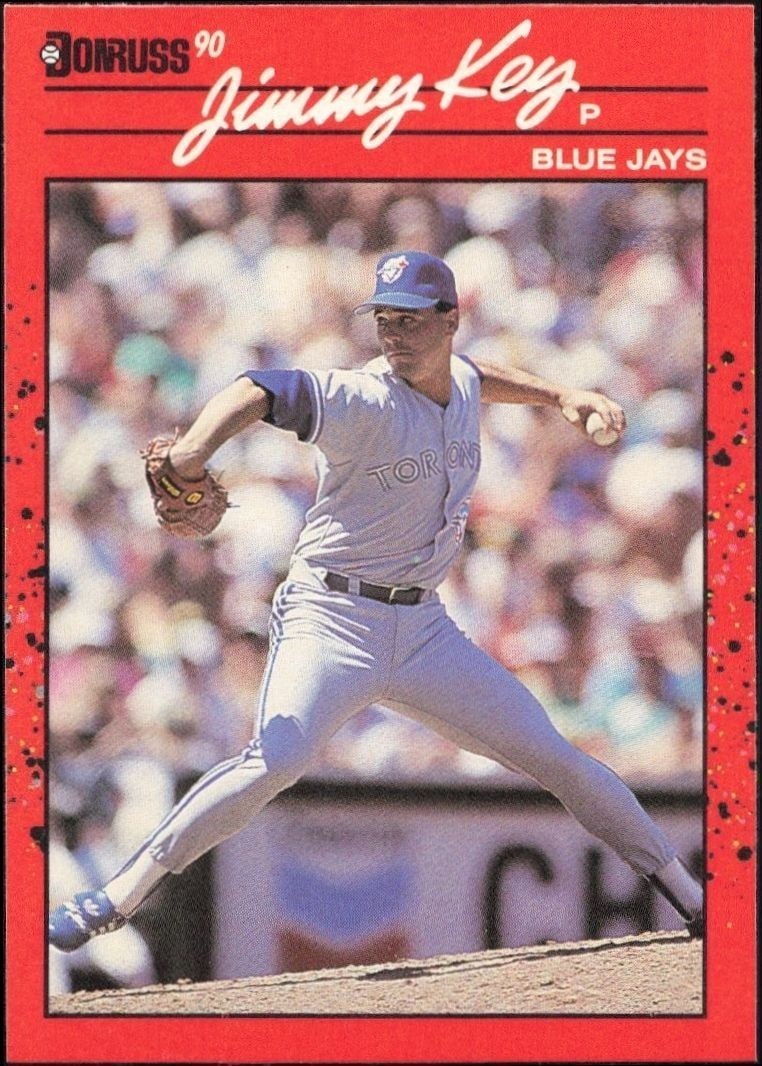

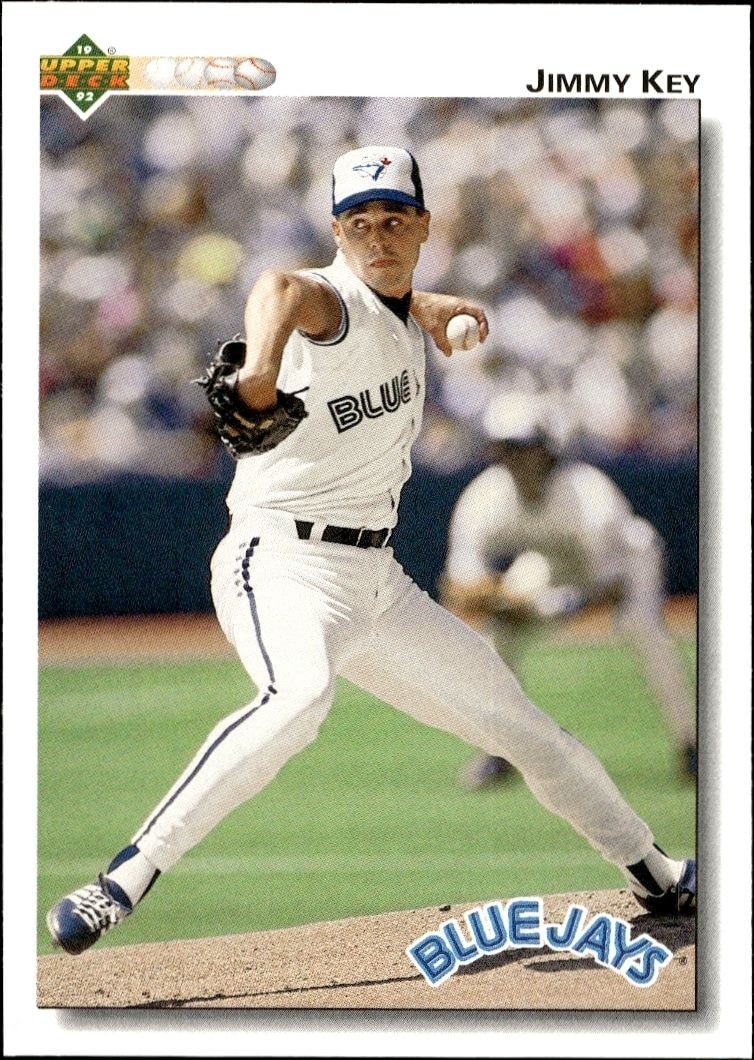
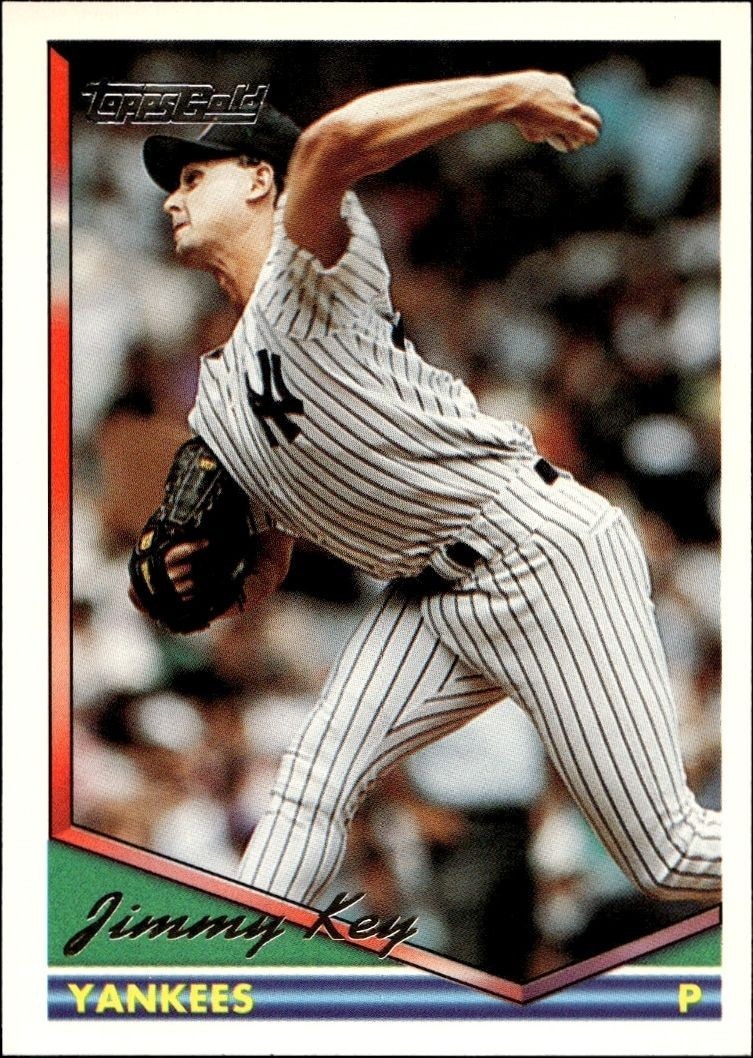


The 1990 Topps #371 Jimmy Key sports card represents a notable entry in Blue Jays memorabilia. This catalog-level product captures the essence of the 1990 MLB season.
1990 • Topps
Major League Baseball • Toronto Blue Jays
Excellent
371
New
Shipping Calculated at Checkout
Arrives in 5-7 daysEstimated delivery October 23, 2026 - October 25, 2026
Seller returns October 19, 2026.30-day Returns| Condition | Value | Source | Trend | Price Details |
|---|---|---|---|---|
$0.66 | Guide Estimate | |||
$13.99 | Guide Estimate | |||
$15.00 | Guide Estimate | |||
$17.00 | Guide Estimate | |||
Raw / Ungraded
PriceCharting Price Guide · Guide Estimate evidence · captured Oct 16, 2026
History is building. At least two days of matching observations are needed to show a trend.
Each point is the last stored observation that day for this printing, condition, grader, autograph status and source. Gaps mean no observation; guide estimates and asking prices are not completed sales.Jimmy Key was a cornerstone of the Toronto Blue Jays' pitching staff during the early 1990s, and this 1990 Topps card captures his tenure with the team. Card number 371 in the 1990 Topps baseball set serves as a tangible link to that era of MLB history. For collectors focusing on the Blue Jays' rise to prominence, this card is a standard reference point for that specific season. Each card in the set, including this Key issue, reflects the standard production values of the time. Collectors often seek out individual cards from this era to complete base sets or to build specialized collections focused on specific players or teams. The straightforward design allows the focus to remain on the player and his team affiliation. Within the broader hobby, 1990s baseball cards hold a distinct place for their nostalgic value and historical significance. Jimmy Key's performance with Toronto makes this card relevant to fans of the franchise's championship years. Whether you are a serious set builder or a casual collector, this product offers a clear entry point into the 1990 Topps series. The catalog ensures that each listing is accurately identified by its brand, year, and card number, helping you find exactly the piece you need for your collection.
23 hours ago
We'll pre-fill the product details from this catalog entry, so your listing lands on this exact page. Just add photos of your copy, pick its condition, and set your price.
The catalog profile below summarizes the card identity, featured subject, and notable collectible traits.
The subject, team, league, and sport context tied to this card.
Production details and format-specific attributes.
Material
Card Stock
Language
English
Compare prices, grades, photos, and shipping from approved sellers.
New
Excellent
See how many public collections currently include this card.
0 collectors have this card
This 1990 Topps base card of Jimmy Key represents a mass-produced entry point with minimal premium, reflecting its status as a standard issue rather than a specialized variation. While Key holds significance as a key contributor to the Toronto Blue Jays' historic run, this specific card lacks the condition rarity or special attribute designation to command a notable premium over the broader 1990 Topps set. It trades at the lower end of the market spectrum, serving primarily as a filler piece for complete set builders rather than a standalone value holder.
The card possesses no special scarcity attributes such as serial numbering, short-print status, or parallel foil treatments, meaning it shares the same production volume as the standard base set. Without limited edition mechanics or unique manufacturing constraints, the supply is effectively unlimited relative to collector demand. This absence of rarity markers ensures that the card's value is driven entirely by the player's general recognition rather than any intrinsic scarcity of the item itself.
As a non-rookie, non-special parallel card from a high-volume set, this item offers negligible appreciation potential and is best viewed as a consumable acquisition for collection completion. Collector demand is largely dictated by the need to fill gaps in vintage baseball sets rather than speculative interest in the card's individual merits. Investors should avoid allocating significant capital to this piece, as its mass-produced nature and lack of special attributes preclude any meaningful long-term growth trajectory.


