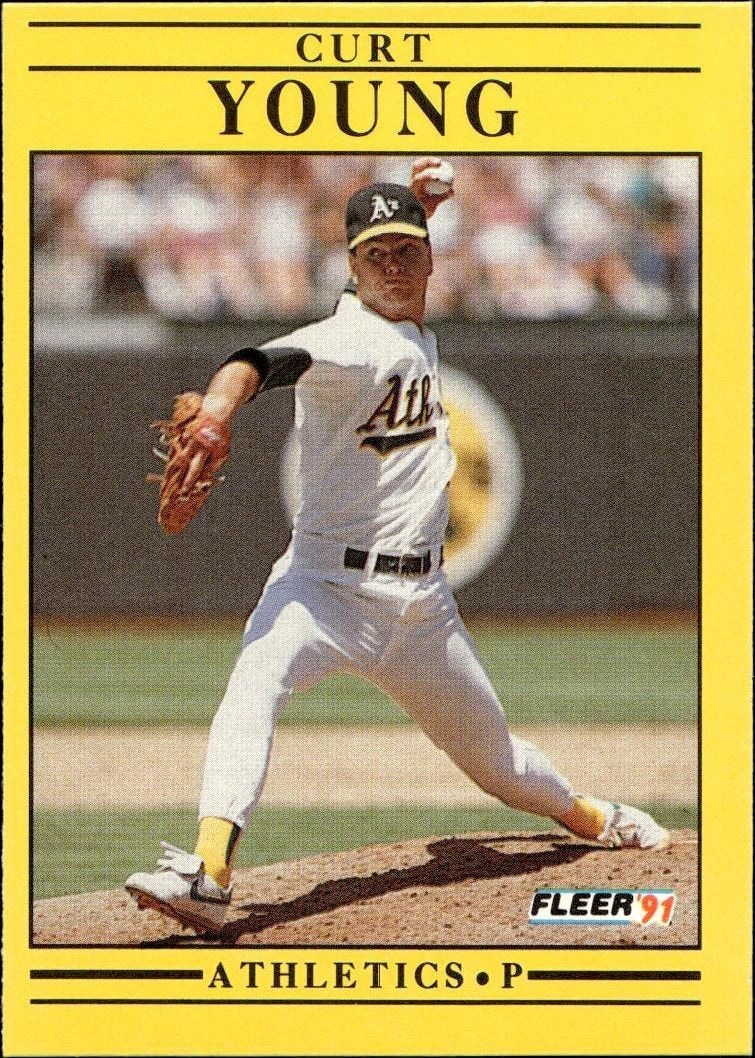





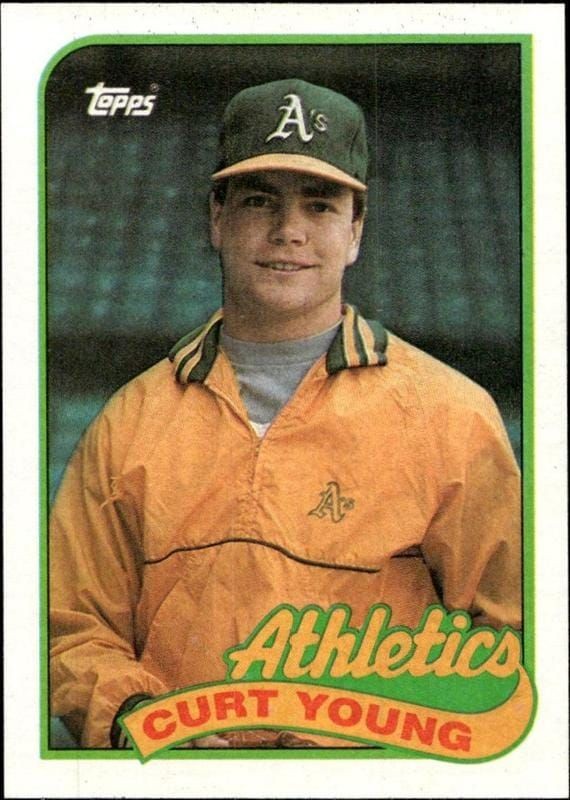

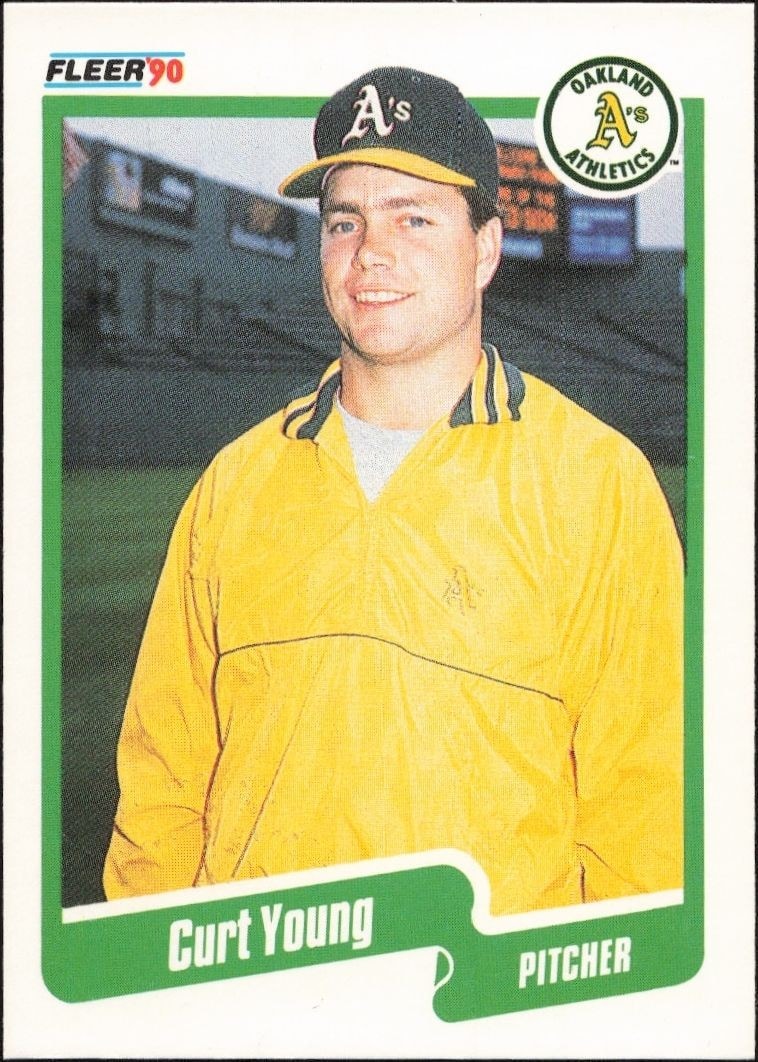


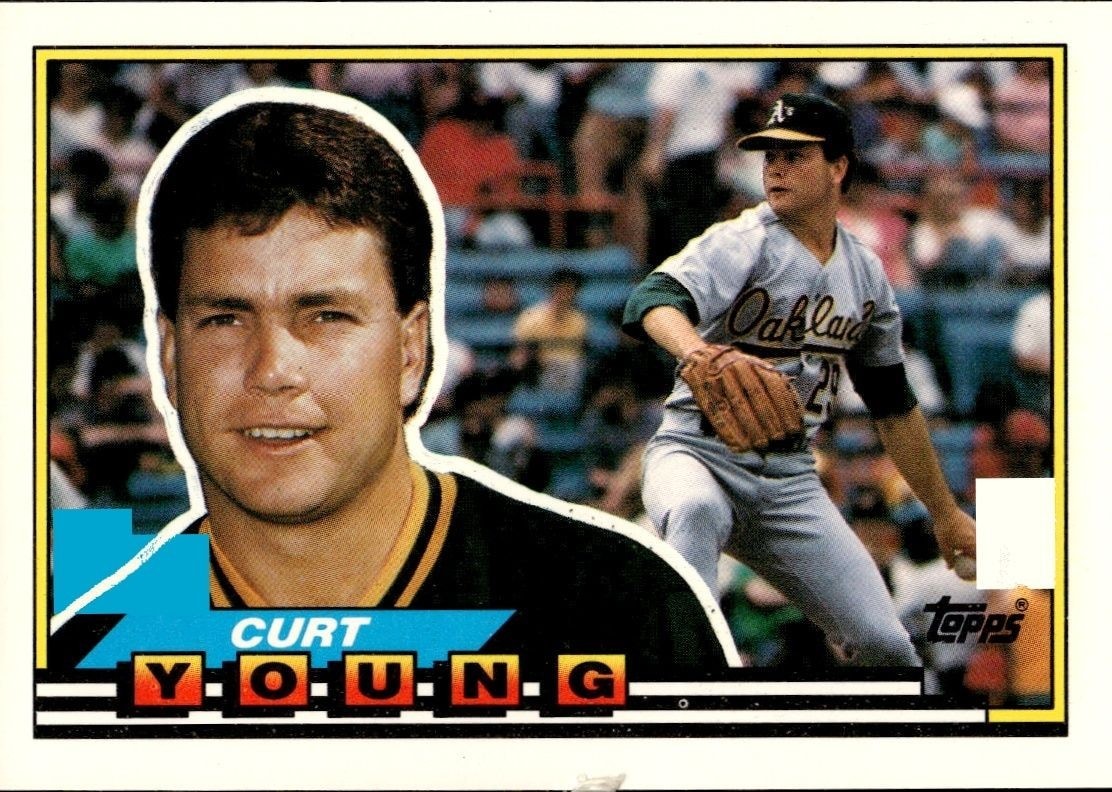
The 1988 Fleer #296 sports trading card featuring Oakland Athletics pitcher Curt Young. A definitive entry in the classic Fleer baseball set for vintage collectors.
1988 • Fleer
Major League Baseball • Oakland Athletics
Excellent
296
New
Shipping Calculated at Checkout
Arrives in 5-7 daysEstimated delivery October 23, 2026 - October 25, 2026
Seller returns October 19, 2026.30-day Returns| Condition | Value | Source | Trend | Price Details |
|---|---|---|---|---|
$1.55 | Guide Estimate | 0% | ||
Raw / Ungraded
PriceCharting Price Guide · Guide Estimate evidence · captured Oct 17, 2026
The 1988 Fleer #296 Curt Young baseball card captures a specific moment in the history of Major League Baseball, representing the Oakland Athletics roster during the late 1980s. As a product of the Fleer brand, this release is part of a significant era in sports card manufacturing that helped redefine the visual standards for the hobby. Collectors often seek out 1988 Fleer issues to build out their vintage sets, valuing the brand's distinct design language and printing techniques from that period. Curt Young served as a pitcher for the Oakland Athletics, and this card serves as a tangible connection to his tenure with the team. For investors and hobbyists focused on baseball history, items from the 1988 Fleer series provide a glimpse into the aesthetic and cultural context of the sport during that time. The card number 296 identifies this portrait within the broader base set, making it a recognizable component for those completing their collection. Whether you are a dedicated set builder or a casual collector interested in the Oakland Athletics' legacy, this 1988 Fleer release provides a solid foundation for your portfolio. The enduring appeal of Fleer products lies in their accessibility and the nostalgic value they hold for long-time fans of the game. When evaluating cards from this year, it is important to understand the broader market trends for 1980s baseball memorabilia. By acquiring this card, you are adding a verified piece of MLB history to your collection, allowing you to appreciate the artistry and craftsmanship of one of the industry's most recognizable brands.
21 hours ago
We'll pre-fill the product details from this catalog entry, so your listing lands on this exact page. Just add photos of your copy, pick its condition, and set your price.
The catalog profile below summarizes the card identity, featured subject, and notable collectible traits.
The subject, team, league, and sport context tied to this card.
Production details and format-specific attributes.
Material
Card Stock
Language
English
Compare prices, grades, photos, and shipping from approved sellers.
New
Excellent
See how many public collections currently include this card.
0 collectors have this card
Curt Young occupies a niche tier within the 1988 Fleer set, trading at a modest premium relative to the base market for non-star players from this era. While not commanding the high-value status of franchise icons, the card reflects steady demand among collectors focusing on Oakland Athletics history or specific 1988 roster completions. Its value is anchored by its status as a legitimate vintage MLB insert rather than a modern reprint, offering stability over speculative growth.
This item is identified as a standard base card within the 1988 Fleer release, lacking any special attributes such as serial numbering, short-print status, or parallel variants. Consequently, its scarcity is determined by general population availability rather than constrained supply mechanics like limited edition runs. The absence of unique grading or material distinctions means it represents the most common tier of the set.
As a non-rookie card for Curt Young, the investment potential relies on broad nostalgia for late-80s baseball rather than rookie-card premiums or career-defining milestones. The 1988 Fleer brand maintains a loyal collector base, ensuring consistent liquidity for complete set builders, though individual card appreciation is likely to remain flat. Long-term value preservation is supported by the durability of the vintage era, but significant capital growth is unlikely given the player's profile.