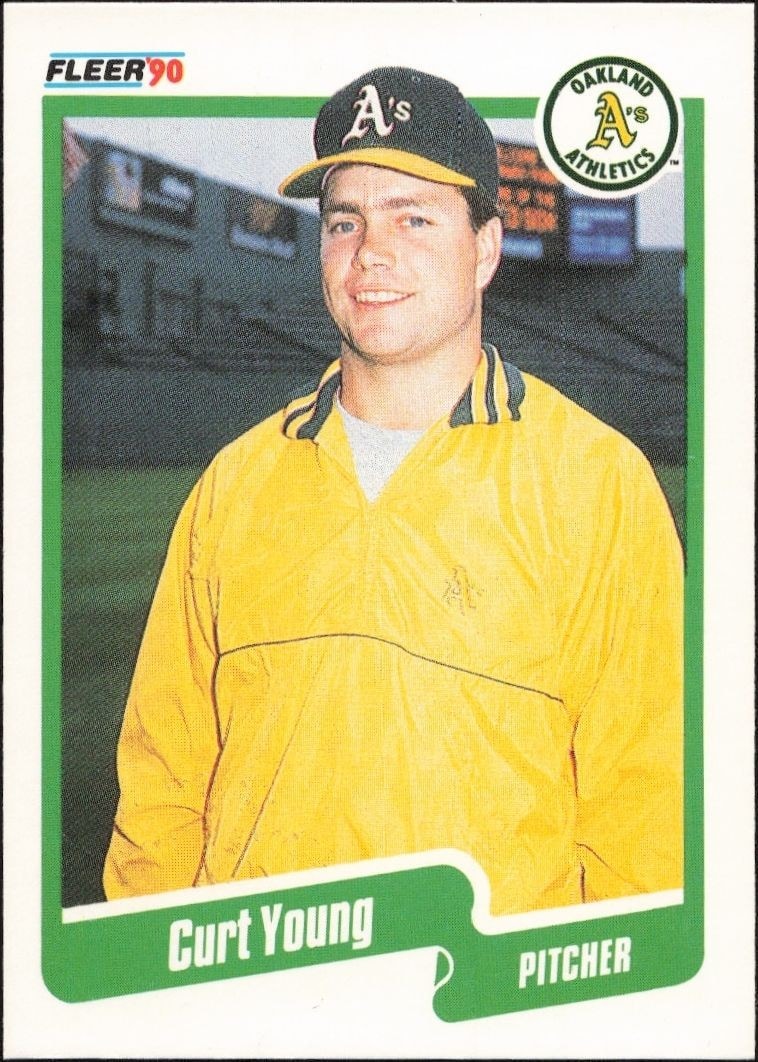





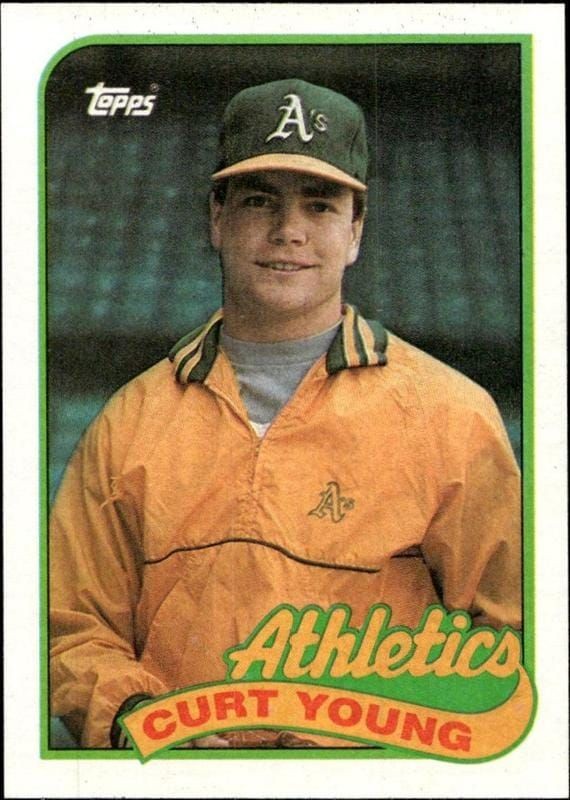


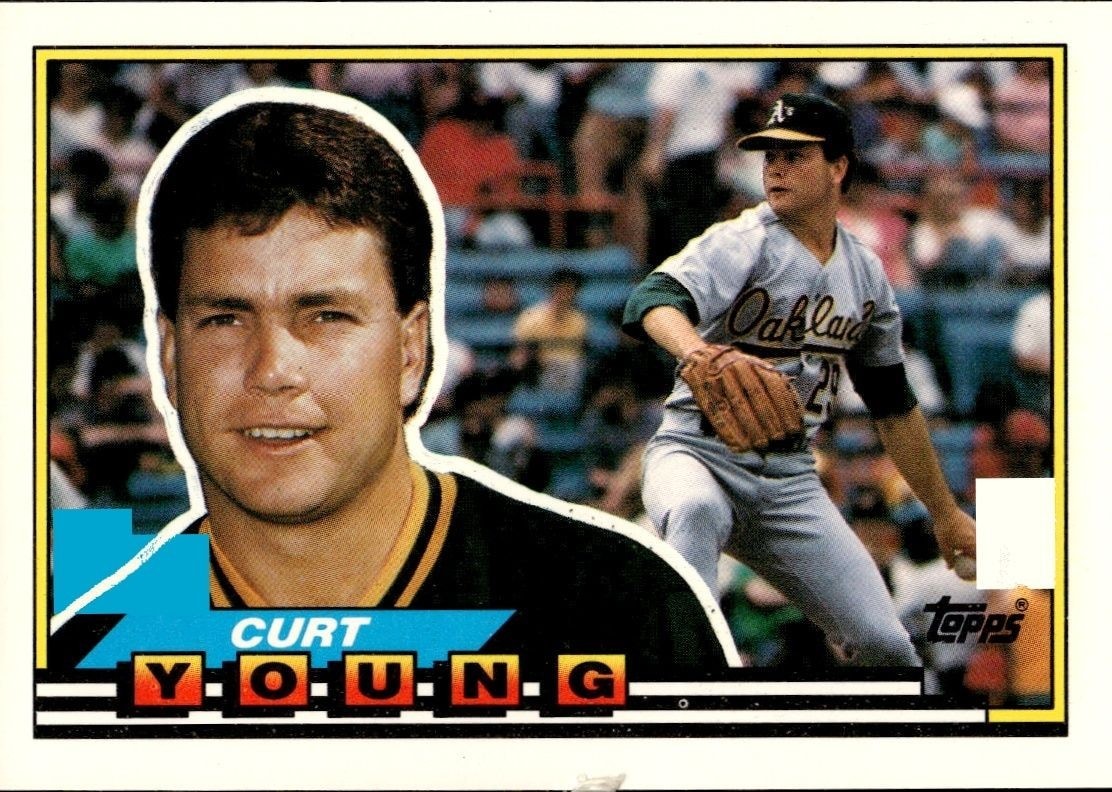

The 1991 Fleer #28 baseball card featuring Curt Young of the Oakland Athletics. A distinct entry in Fleer's 1991 release for collectors of vintage sports cards.
1991 • Fleer
Major League Baseball • Oakland Athletics
Excellent
28
New
Shipping Calculated at Checkout
This seller is away until 10/19/2026 — orders are still accepted and ship after they return.30-day Returns| Condition | Value | Source | Trend | Price Details |
|---|---|---|---|---|
$0.99As of 9/26/2026 | Guide Estimate | |||
Raw / Ungraded
PriceCharting Price Guide · Guide Estimate evidence · captured Sep 26, 2026
History is building. At least two days of matching observations are needed to show a trend.
Each point is the last stored observation that day for this printing, condition, grader, autograph status and source. Gaps mean no observation; guide estimates and asking prices are not completed sales.The 1991 Fleer #28 baseball card features Curt Young, who played for the Oakland Athletics. This card is part of the 1991 Fleer base set, a notable release in the history of sports trading cards. Collectors often seek out cards from this era to complete their base sets or to build collections focused on specific teams like the Athletics. Curt Young's appearance on card number 28 makes this a specific identifier for fans and researchers. The 1991 Fleer brand is recognized for its distinct design elements and production quality during the early 1990s. For those interested in the history of baseball cards, this card represents a tangible connection to the players and teams of that specific year. Whether you are looking to add to an existing collection or start a new one, understanding the context of the 1991 Fleer release is important. The card's value and appeal often stem from its place in the broader narrative of baseball card collecting. Collecting vintage cards requires attention to detail and an appreciation for the era. The 1991 Fleer set offers a wide array of players and teams, making it a diverse collection for hobbyists. Curt Young's inclusion in this set highlights the depth of the roster coverage provided by Fleer during this period. For investors and casual collectors alike, cards from this time period offer a glimpse into the past of the sport. When evaluating cards from the 1991 Fleer series, it is helpful to understand the set's structure. Each card number corresponds to a specific player, and #28 is uniquely identified with Curt Young. This specificity aids in organization and retrieval for collectors managing large inventories. The card serves as a historical artifact for those tracking the careers of athletes from the Oakland Athletics during the early 1990s.
1 day ago
We'll pre-fill the product details from this catalog entry, so your listing lands on this exact page. Just add photos of your copy, pick its condition, and set your price.
The catalog profile below summarizes the card identity, featured subject, and notable collectible traits.
The subject, team, league, and sport context tied to this card.
Production details and format-specific attributes.
Material
Card Stock
Language
English
Compare prices, grades, photos, and shipping from approved sellers.
New
Excellent
See how many public collections currently include this card.
0 collectors have this card
This 1991 Fleer Curt Young card sits at the lower end of the market value spectrum, reflecting its status as a common base card from a major production year. While it holds nostalgic value for collectors focused on the Oakland Athletics era, it does not command a significant premium over similar issues from that period. Its current pricing indicates a stable but low-tier demand profile typical of non-star players from mass-market sets.
The card lacks any special scarcity attributes such as serial numbering, short-print status, or parallel variations, identifying it strictly as a base issue. This unaltered production method means the supply is effectively unlimited relative to collector demand, with no mechanical constraints on availability. Consequently, the item remains entirely dependent on general set completion needs rather than exclusive rarity mechanics.
As a non-rookie base card from a high-volume 1991 release, this item offers minimal appreciation potential for investment purposes. Collector interest is likely limited to those completing specific team or player sets, providing only modest liquidity in the secondary market. Without unique attributes or rookie status to drive long-term demand, this card serves better as a fill-in piece than a standalone asset.