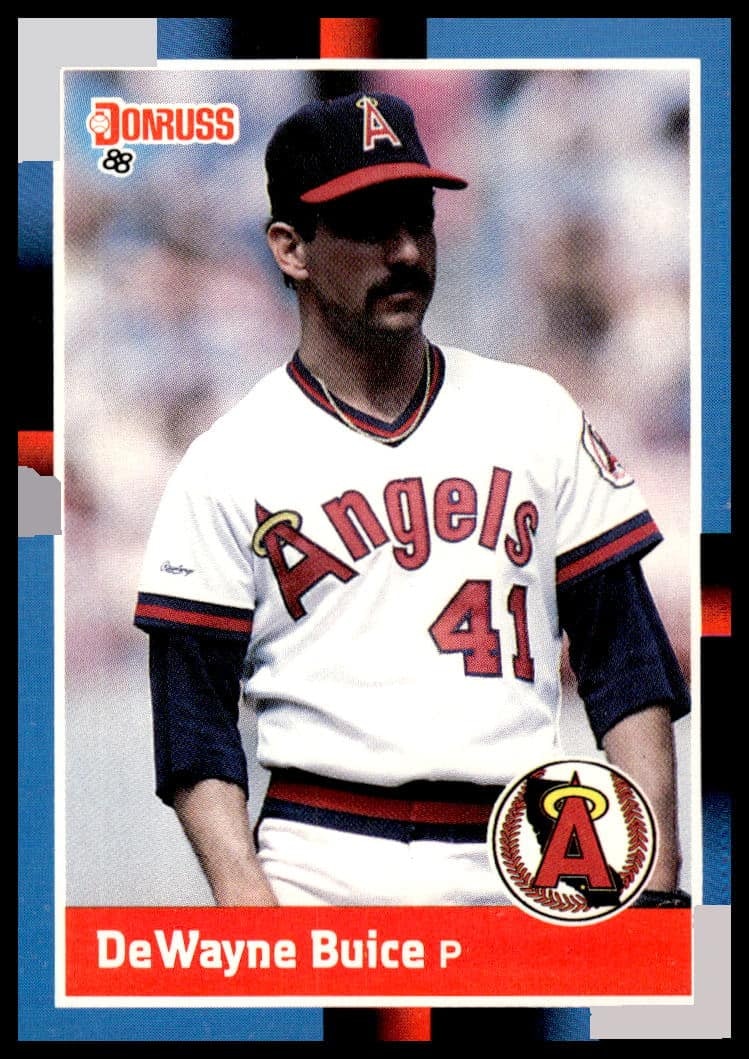

The 1989 Topps DeWayne Buice #147 is a classic baseball trading card featuring the Los Angeles Angels player. This catalog entry groups all available copies for collectors seeking this release.
1989 • Topps
Major League Baseball • Los Angeles Angels
Excellent
147
New
Shipping Calculated at Checkout
This seller is away until 10/19/2026 — orders are still accepted and ship after they return.30-day Returns| Condition | Value | Source | Trend | Price Details |
|---|---|---|---|---|
$0.50 | Guide Estimate | |||
$1.99 | Guide Estimate | |||
$2.00 | Guide Estimate | |||
$35.00 | Guide Estimate | |||
$16.00 | Guide Estimate | |||
$27.19 | Guide Estimate | |||
$16.00 | Guide Estimate | |||
Raw / Ungraded
PriceCharting Price Guide · Guide Estimate evidence · captured Oct 5, 2026
History is building. At least two days of matching observations are needed to show a trend.
Each point is the last stored observation that day for this printing, condition, grader, autograph status and source. Gaps mean no observation; guide estimates and asking prices are not completed sales.The 1989 Topps DeWayne Buice #147 stands as a distinct entry in the history of sports trading cards, representing a specific moment in the career of the Los Angeles Angels player. Issued by Topps during the late 1980s, this card is part of the iconic annual base set that defined the era of physical collecting. For enthusiasts of vintage baseball memorabilia, this release offers a tangible connection to the league's past, capturing the visual identity and design language typical of Topps products from that period. Collectors often seek out cards from the 1989 Topps set due to their nostalgic value and the straightforward, accessible design that characterizes the brand's output from that decade. DeWayne Buice, featured on card number 147, provides a focal point for those building collections around specific players or teams. The card’s primary appeal lies in its authenticity as a manufacturer-issued product, allowing hobbyists to trace their interest in the sport through official channels. Whether you are a dedicated fan of the Los Angeles Angels or a generalist builder of baseball sets, this card represents a fundamental piece of the hobby. The 1989 Topps brand continues to be recognized globally for its consistent quality and widespread distribution, making this release a staple for anyone interested in the evolution of trading card design. As the market for vintage sports items remains active, owning a copy of card #147 allows collectors to preserve a piece of baseball history. This product page aggregates listings to help you find the version that best fits your collection goals, ensuring you can acquire this Topps release with confidence.
5 hours ago
We'll pre-fill the product details from this catalog entry, so your listing lands on this exact page. Just add photos of your copy, pick its condition, and set your price.
The catalog profile below summarizes the card identity, featured subject, and notable collectible traits.
The subject, team, league, and sport context tied to this card.
Production details and format-specific attributes.
Material
Card Stock
Language
English
Compare prices, grades, photos, and shipping from approved sellers.
New
Excellent
See how many public collections currently include this card.
0 collectors have this card
This 1989 Topps DeWayne Buice card occupies the lowest tier of the secondary market, reflecting its status as a common base card from a high-print-run era. While the current pricing indicates minimal collector demand, it serves as an accessible entry point for those building specific team or league sets without significant financial risk. The lack of special attributes keeps it firmly in the bulk category, distinguishing it sharply from any graded or parallel variants of the same issue.
As a standard base card from the 1989 Topps set, this item carries no inherent scarcity mechanics such as serial numbering, short-printing, or limited edition status. The supply is effectively unbounded relative to demand, as these cards were produced in massive quantities for mass distribution. Consequently, the card relies entirely on its functional role as a checklist filler rather than any unique physical characteristics or restricted production runs to hold value.
With no rookie card designation, special parallels, or unique attributes, this item lacks the fundamental drivers required for significant appreciation or collector demand. It is best viewed as a consumable component for set completion rather than a store of value, given the overwhelming availability of identical copies in the marketplace. Investors should anticipate stable, negligible returns, as the card's utility is strictly limited to filling gaps in comprehensive collections.