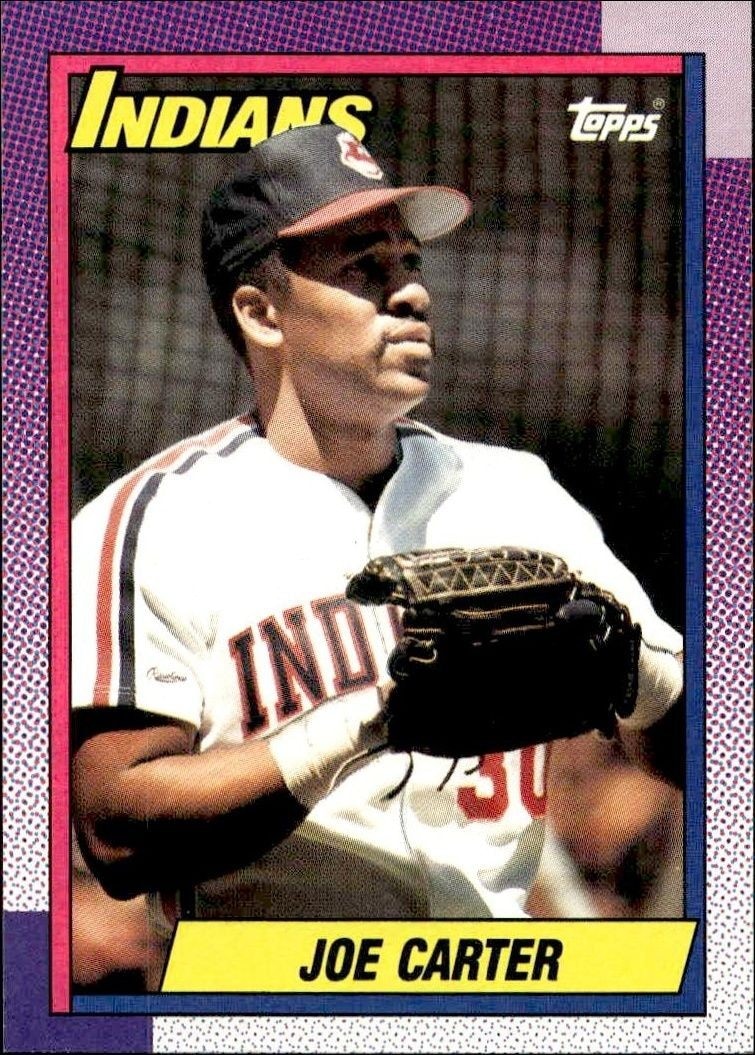








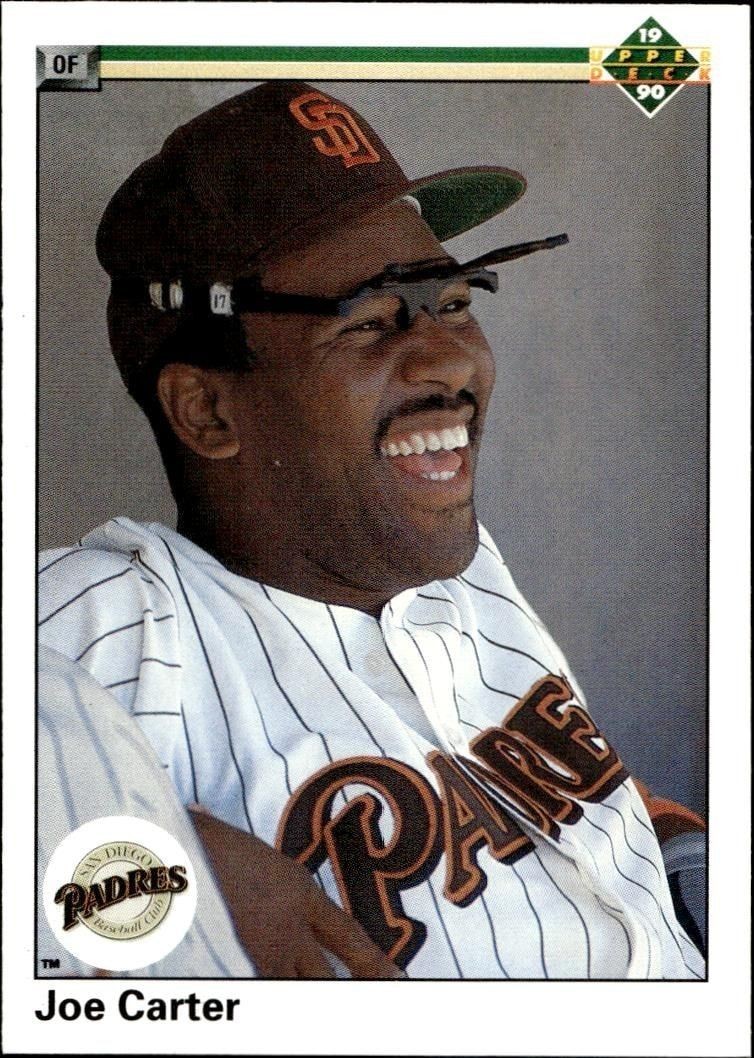
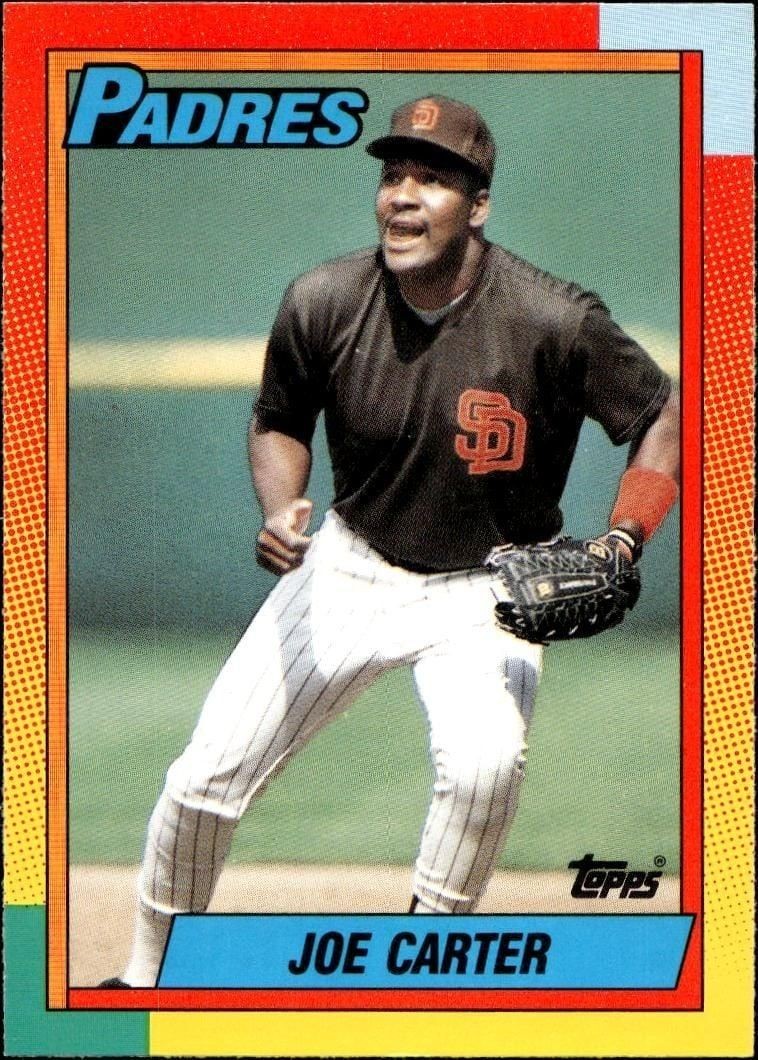


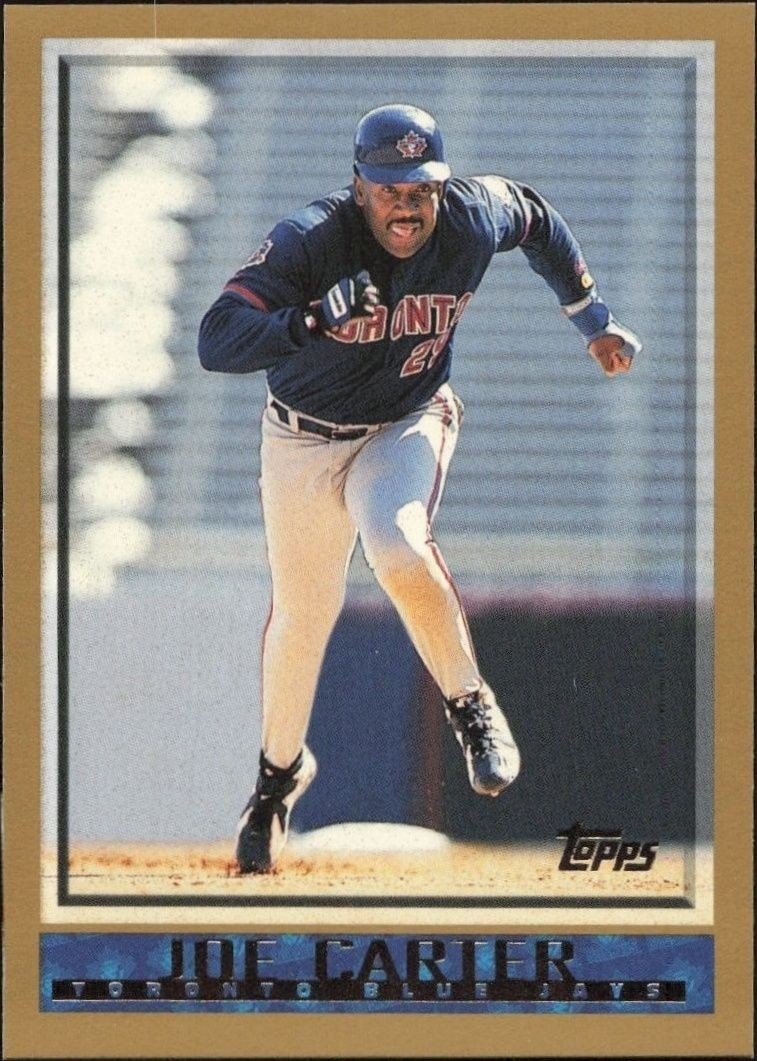


The 1989 Topps Joe Carter #420 baseball card features the Cleveland Indians player in a standard Topps release format.
1989 • Topps
Major League Baseball • Cleveland Indians
Excellent
420
New
Shipping Calculated at Checkout
Arrives in 4-6 daysEstimated delivery October 24, 2026 - October 26, 2026
30-day Returns| Condition | Value | Source | Trend | Price Details |
|---|---|---|---|---|
$1.00 | Guide Estimate | +1% | ||
$0.09As of 9/22/2026 | Completed Sales | |||
$4.25 | Guide Estimate | 0% | ||
$6.77 | Guide Estimate | 0% | ||
$32.84 | Guide Estimate | +11.6% | ||
$101.00 | Guide Estimate | +18.8% | ||
$47.00 | Guide Estimate | +20.5% | ||
$77.73 | Guide Estimate | +19.5% | ||
$47.00 | Guide Estimate | +20.5% | ||
Raw / Ungraded
PriceCharting Price Guide · Guide Estimate evidence · captured Oct 16, 2026
This 1989 Topps Joe Carter #420 baseball card represents a specific entry in one of the most widely recognized sets in sports card history. As a Cleveland Indians player during this era, Carter is captured in the standard design language that defined the 1989 Topps brand. The card number 420 places it within the broader sequence of the release, offering collectors a tangible piece of late-80s baseball memorabilia. Collecting this card allows enthusiasts to connect with a specific moment in the franchise's timeline. The 1989 Topps set remains a staple for many hobbyists who appreciate the straightforward, photo-centric approach that characterized the manufacturer's output during this period. For investors and set builders alike, the #420 card serves as a complete component of the full 792-card base set, ensuring that no part of the collection is left unfinished. Whether you are hunting to complete a personal archive or looking to add a reliable piece of Cleveland Indians history to your portfolio, this card offers a clear connection to the sport's past. The enduring popularity of the Topps brand ensures that cards like the 1989 Topps Joe Carter #420 remain relevant in secondary markets, providing consistent interest from both casual fans and serious numismatists. By focusing on the catalog facts of the year, team, and brand, collectors can trust in the authenticity and recognized identity of this product.
14 hours ago
We'll pre-fill the product details from this catalog entry, so your listing lands on this exact page. Just add photos of your copy, pick its condition, and set your price.
The catalog profile below summarizes the card identity, featured subject, and notable collectible traits.
The subject, team, league, and sport context tied to this card.
Production details and format-specific attributes.
Material
Card Stock
Language
English
Compare prices, grades, photos, and shipping from approved sellers.
New
Excellent
See how many public collections currently include this card.
0 collectors have this card
This base 1989 Topps Joe Carter card represents the entry-level tier for this player, commanding a modest premium relative to ungraded base issues but remaining accessible due to its mass-produced nature. While Carter’s career significance is established, the lack of special attributes keeps this specific slab in a low-price bracket compared to his higher-tier parallels or graded examples. It serves as a foundational piece for collectors focusing on the 1989 season rather than a high-value investment vehicle.
As a standard base card with no noted serial numbering, short-print status, or parallel variations, this item carries the highest possible supply within the 1989 Topps set. The absence of limited edition mechanics means scarcity is driven entirely by condition preservation rather than intentional production constraints. Consequently, it lacks the rarity premiums associated with exclusive inserts or low-numbered parallels.
The investment potential is limited by the card’s position as a common base issue, where high supply dampens upward price momentum regardless of the player's historical standing. Demand is likely sustained only by casual collectors seeking affordable roster pieces from the late 1980s rather than serious investors targeting rare variants. Long-term value appreciation is unlikely without significant shifts in the broader baseball card market or the emergence of a rare graded population for this specific base.