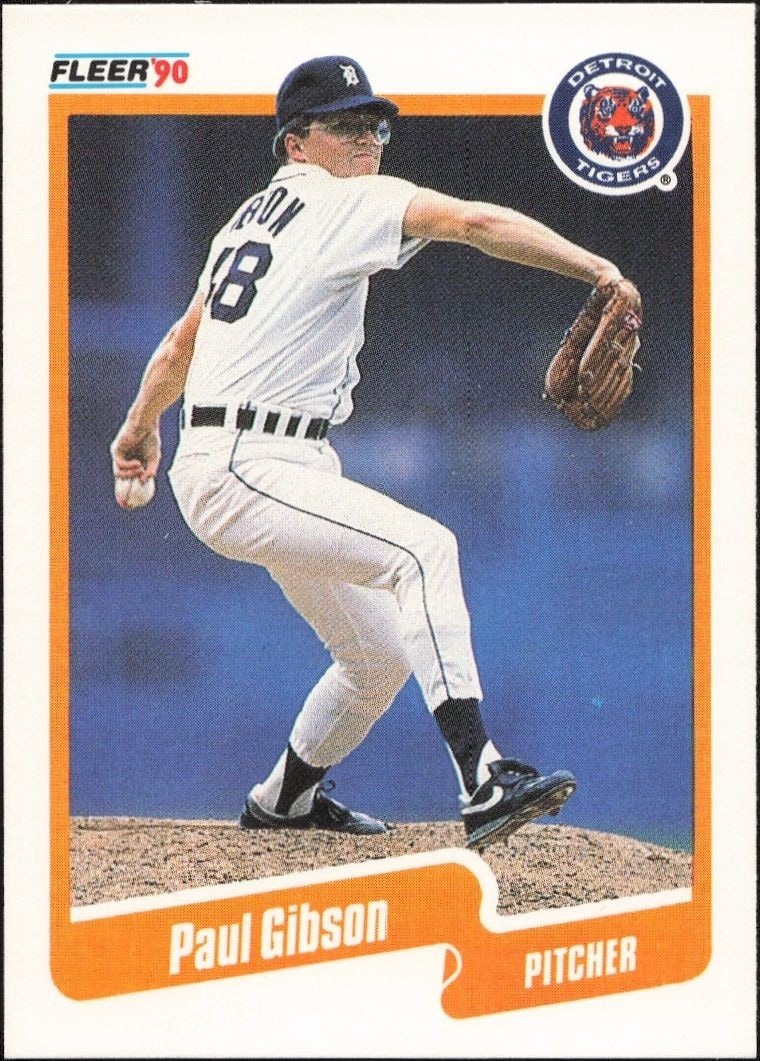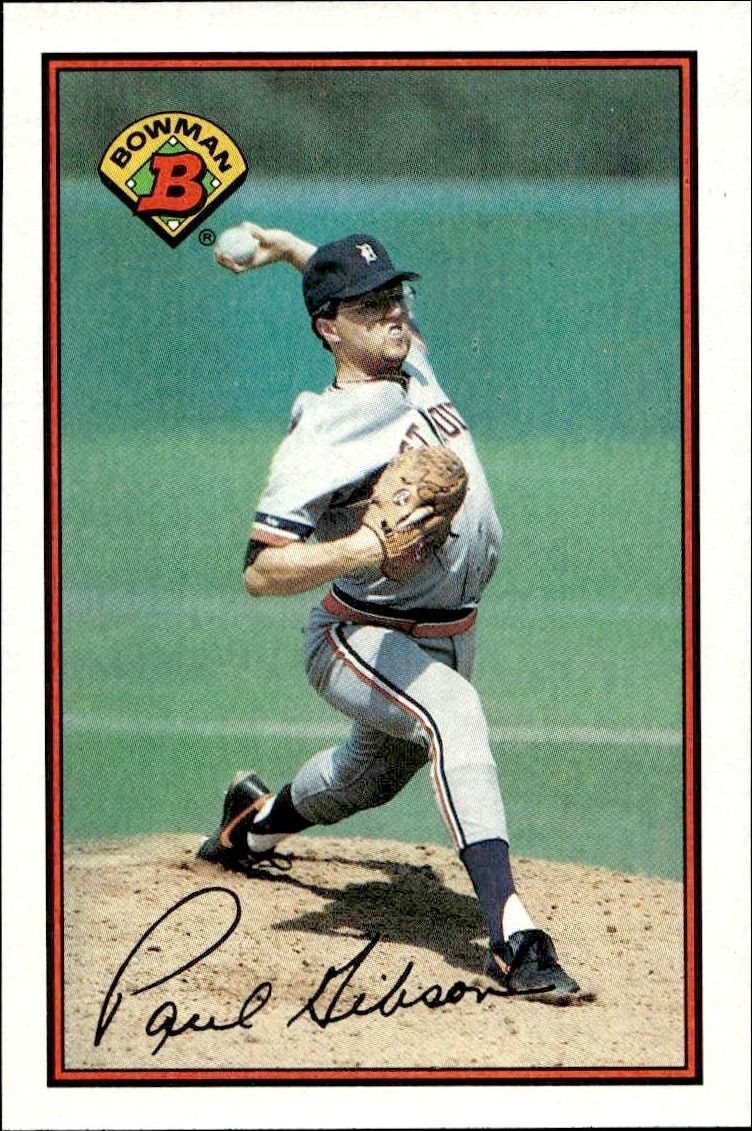

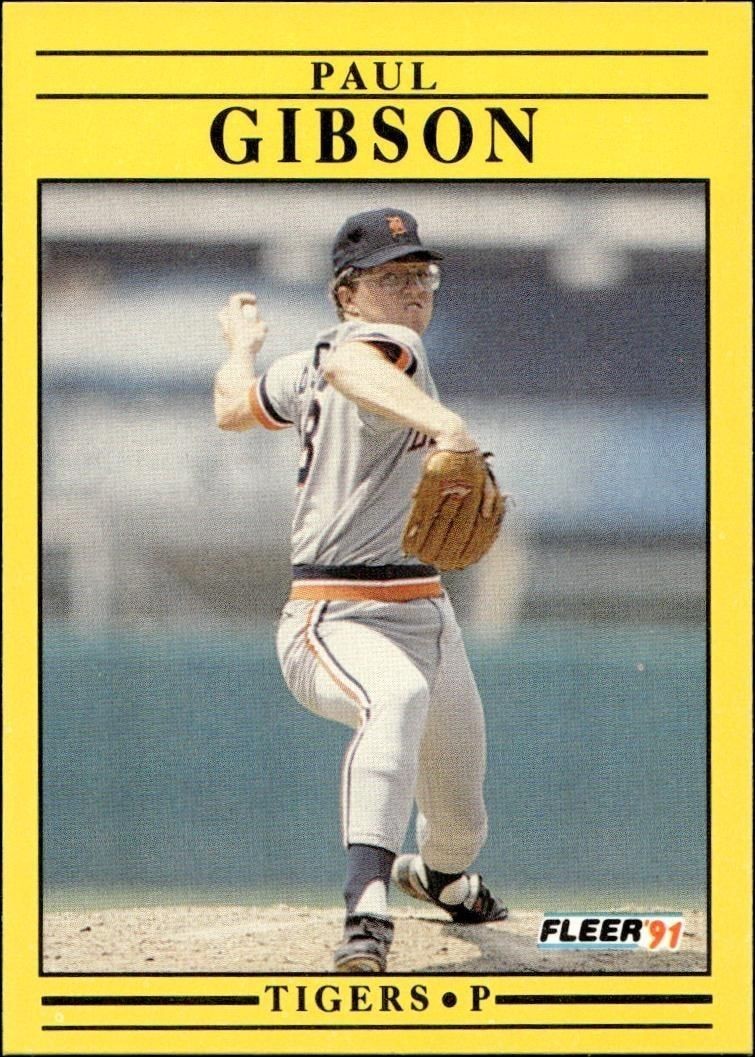



Explore the 1989 Topps Paul Gibson baseball card, numbered 583. This product represents the standard issue featuring the Detroit Tigers player from the classic 1989 Topps set.
1989 • Topps
Major League Baseball • Detroit Tigers
Excellent
583
New
Shipping Calculated at Checkout
This seller is away until 10/19/2026 — orders are still accepted and ship after they return.30-day Returns| Condition | Value | Source | Trend | Price Details |
|---|---|---|---|---|
$1.15 | Guide Estimate | +1.8% | ||
$17.79 | Guide Estimate | 0% | ||
$20.00 | Guide Estimate | 0% | ||
$68.00 | Guide Estimate | 0% | ||
$31.00 | Guide Estimate | 0% | ||
$52.15 | Guide Estimate | 0% | ||
$31.00 | Guide Estimate | 0% | ||
Raw / Ungraded
PriceCharting Price Guide · Guide Estimate evidence · captured Oct 16, 2026
The 1989 Topps Paul Gibson #583 card stands as a definitive piece of late-80s baseball history. Gibson, who spent significant portions of his career with the Detroit Tigers, is featured here in one of the most recognizable designs of the era. Topps consistently delivered high-quality imagery and consistent layouts during this period, making their annual releases essential for any serious collection. For collectors focusing on team-specific sets, this card serves as a key component for those assembling a complete 1989 Detroit Tigers roster. The numbered sequence places it in the lower portion of the base set, often highlighting role players and veterans who contributed to the team's lineup. This 1989 Topps Paul Gibson card remains a popular target for enthusiasts tracing the careers of players from this era. It offers a tangible connection to the visual style and marketing of 1980s sports memorabilia. Whether you are looking to complete a base set or focus on Tigers history, this card provides a straightforward and accurate representation of the product. The design reflects the standard Topps aesthetic of the time, prioritizing clear player identification and team branding. It is a staple for those who appreciate the tangible nostalgia of pre-digital trading card culture. The product itself is a standard non-parallel issue, making it accessible for collectors at various levels of the hobby. It represents the broader market of 1980s sports cards, where condition and centering play significant roles in long-term value. Collectors often seek these cards to fill gaps in their databases or to add depth to their team collections. The 1989 Topps Paul Gibson #583 card continues to be a relevant item for those who value the heritage of the sport and its visual documentation. It serves as a reminder of the players who shaped the game during that decade. For investors and hobbyists alike, understanding the context of this release helps in appreciating its place within the wider Topps catalog.
13 hours ago
We'll pre-fill the product details from this catalog entry, so your listing lands on this exact page. Just add photos of your copy, pick its condition, and set your price.
The catalog profile below summarizes the card identity, featured subject, and notable collectible traits.
The subject, team, league, and sport context tied to this card.
Production details and format-specific attributes.
Material
Card Stock
Language
English
Notable collectible traits associated with this card profile.
Compare prices, grades, photos, and shipping from approved sellers.
New
Excellent
See how many public collections currently include this card.
0 collectors have this card
This 1989 Topps Paul Gibson card represents a standard base-card entry for a Detroit Tigers player, trading at a modest value relative to high-demand star players from the same era. The pricing reflects its status as a common issue with no special attributes to drive a grading or rarity premium. It serves as an affordable entry point for collectors focusing on Tigers history or 1989 set completions rather than individual player speculation.
The card carries no special scarcity mechanics, as it is identified as a standard base card with no noted parallels, short prints, or serial numbering. Supply is effectively unlimited within the context of the primary market, as typical base cards from this era were produced in high volumes. Consequently, the card relies entirely on the general availability of the 1989 Topps set rather than any constrained production run.
As a non-rookie, base-card issue, this item lacks the rookie-card premium that typically drives significant appreciation in the hobby. Collector demand is likely limited to those seeking specific team representation or set completion, resulting in stable but low-growth potential. The presence of active listings indicates a liquid market for casual collectors, but the lack of unique attributes suggests it will not command a premium over similar base cards.