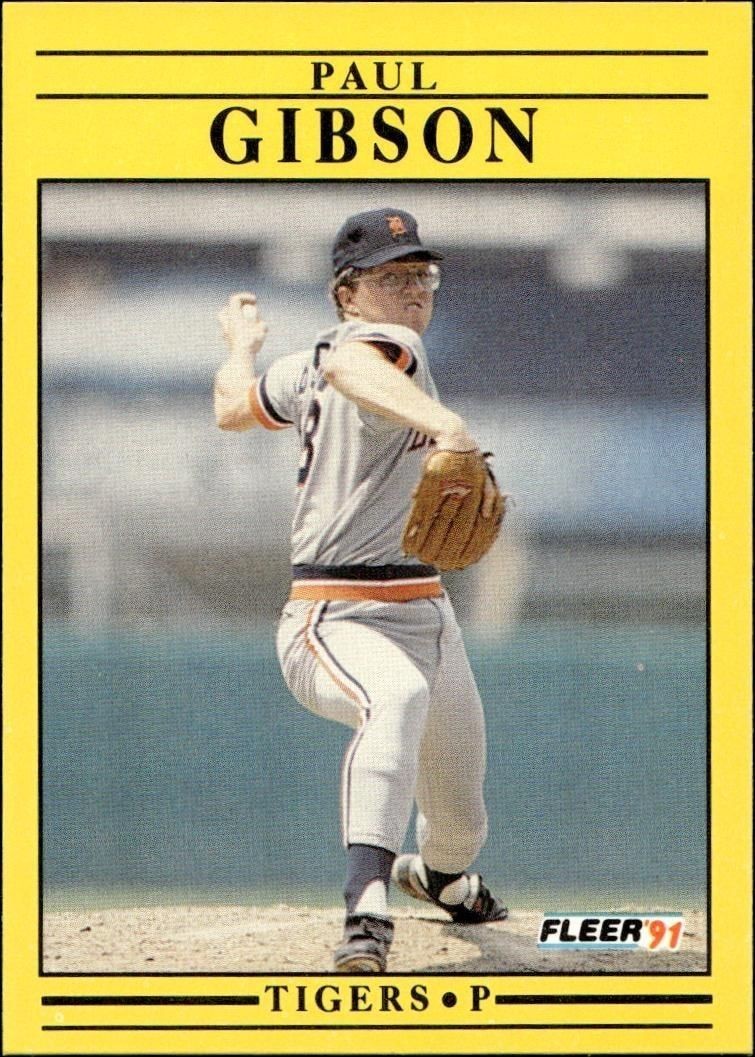



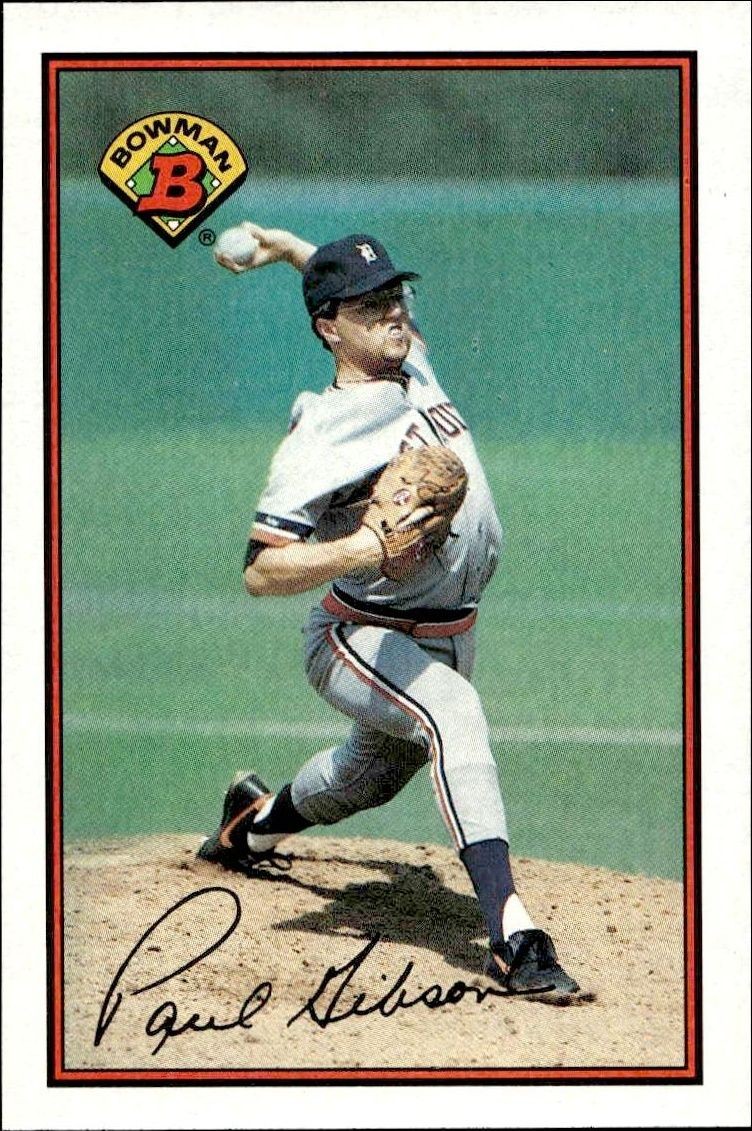

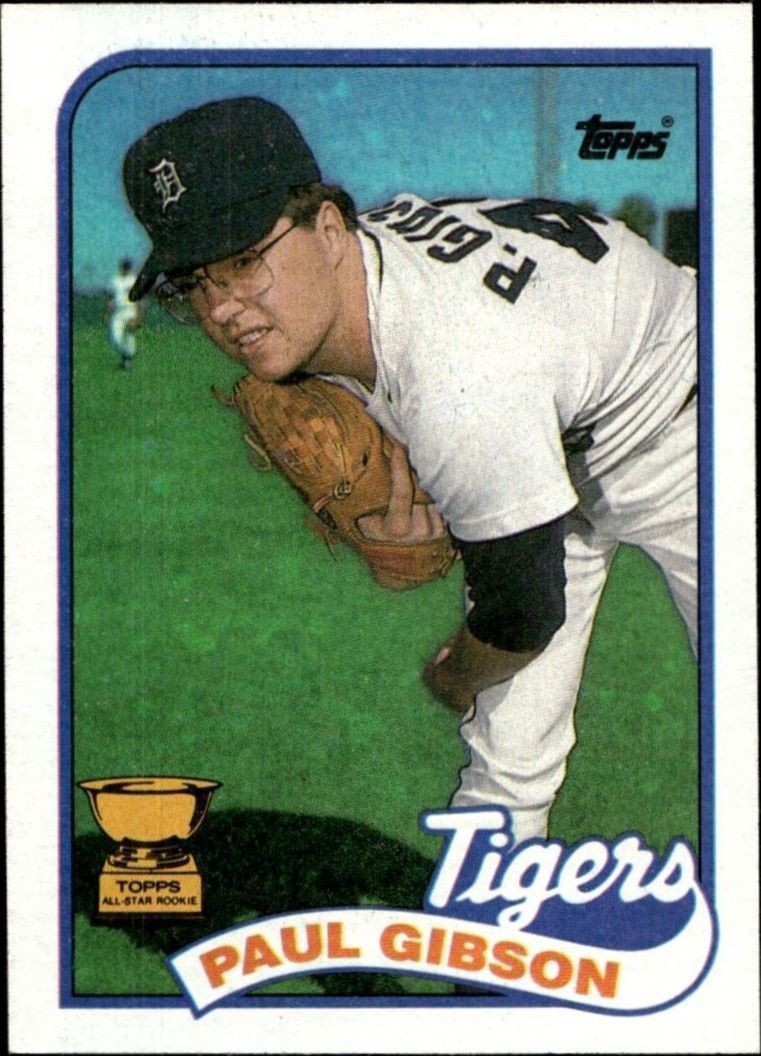
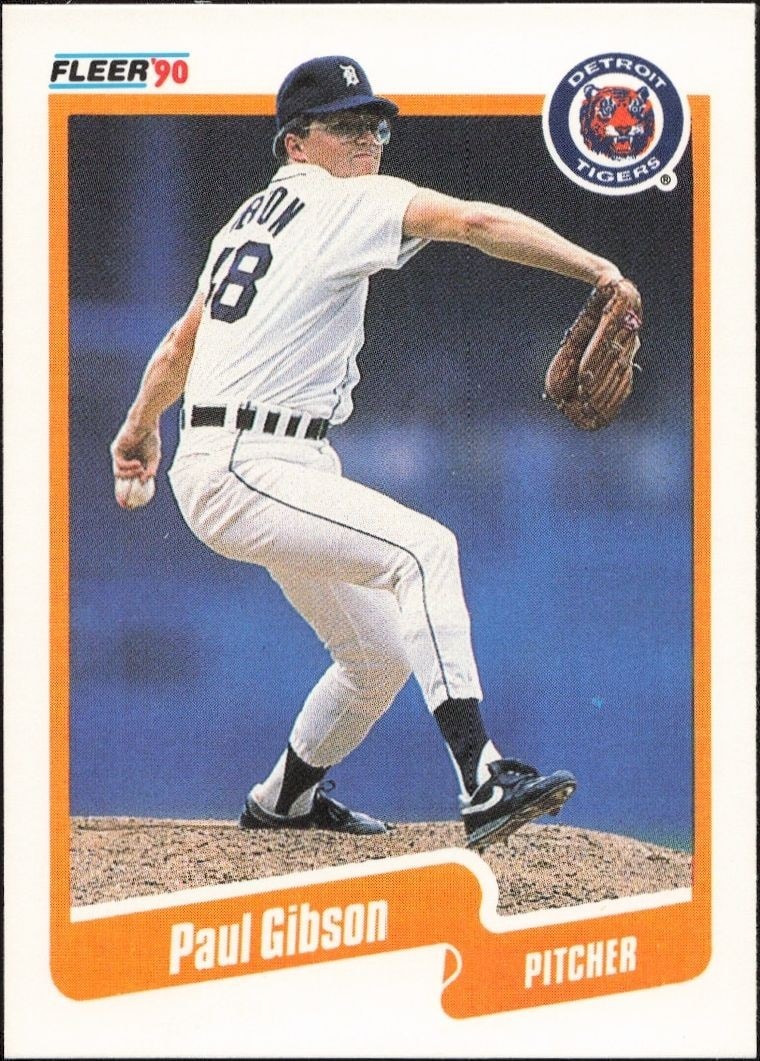

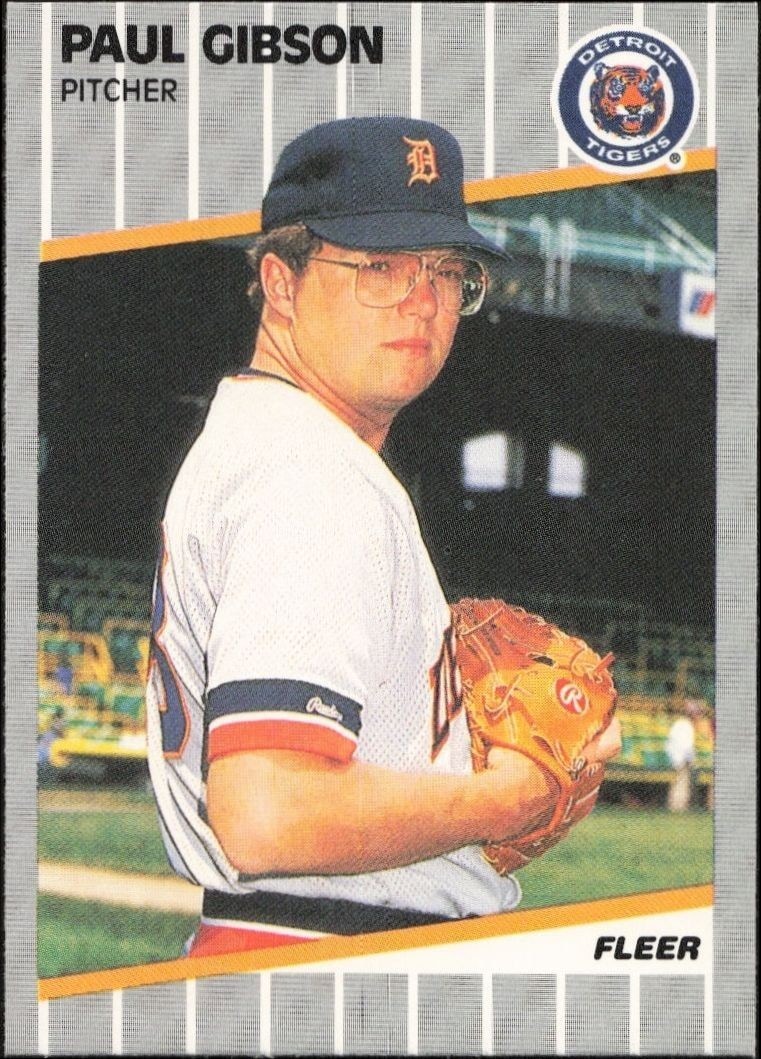
Paul Gibson's 1990 Topps baseball card (#11) captures his time with the Detroit Tigers. This card is a staple of the 1990 Topps set for baseball hobbyists.
1990 • Topps
Major League Baseball • Detroit Tigers
Excellent
11
New
Shipping Calculated at Checkout
Arrives in 5-7 daysEstimated delivery October 23, 2026 - October 25, 2026
Seller returns October 19, 2026.30-day Returns| Condition | Value | Source | Trend | Price Details |
|---|---|---|---|---|
$0.19As of 10/1/2026 | Guide Estimate | |||
$6.05As of 10/1/2026 | Guide Estimate | |||
$16.25As of 10/1/2026 | Guide Estimate | |||
$18.00As of 10/1/2026 | Guide Estimate | |||
Raw / Ungraded
PriceCharting Price Guide · Guide Estimate evidence · captured Oct 2, 2026
History is building. At least two days of matching observations are needed to show a trend.
Each point is the last stored observation that day for this printing, condition, grader, autograph status and source. Gaps mean no observation; guide estimates and asking prices are not completed sales.The 1990 Topps Paul Gibson #11 card is a defining piece of this baseball trading card series. Gibson appeared on the Detroit Tigers roster during this season, making this card a key reference point for fans and historians of the franchise. For collectors focusing on the Detroit Tigers, this card provides a direct link to the team's lineup in 1990. The 1990 Topps brand continues to be a favorite among hobbyists who appreciate the classic aesthetic of early 90s baseball cards. Completing a set of 1990 Topps cards offers a comprehensive look at the players who shaped that particular season. Paul Gibson's inclusion in this set allows collectors to build out their Detroit Tigers collections with authentic memorabilia from the era. Whether you are assembling a complete set or seeking specific team representatives, this card fits seamlessly into any baseball collection. The 1990 Topps release provides a nostalgic glimpse into the sport, preserving the visual identity of players like Gibson for future generations. Collectors often seek out 1990 Topps cards for their historical value and the distinct look of the cards from that year. This product represents a tangible piece of baseball history, connecting fans to the players and teams of the past. The durability and recognition of the 1990 Topps brand make it a reliable choice for both new and experienced collectors looking to expand their portfolios with verified sports card inventory. ## Why collect Detroit Tigers cards from 1990? Cards from this era capture the specific roster composition of the Tigers in 1990, offering historical context for fans of the franchise. ## Is this card suitable for beginners? Yes, 1990 Topps cards are widely available and affordable, making them an excellent entry point for new baseball card collectors.
20 hours ago
We'll pre-fill the product details from this catalog entry, so your listing lands on this exact page. Just add photos of your copy, pick its condition, and set your price.
The catalog profile below summarizes the card identity, featured subject, and notable collectible traits.
The subject, team, league, and sport context tied to this card.
Production details and format-specific attributes.
Material
Card Stock
Language
English
Compare prices, grades, photos, and shipping from approved sellers.
New
Excellent
See how many public collections currently include this card.
0 collectors have this card
This card trades at a baseline entry-level tier, reflecting its status as a standard base card from a major production run. While Paul Gibson holds a specific niche within Detroit Tigers history, the lack of special parallels or insert status keeps its value significantly below his premium issues. It serves as an affordable acquisition for collectors focusing on roster completeness rather than individual investment potential.
The item possesses no scarcity mechanics such as serial numbering, short-print designations, or limited edition markers. As a standard base card from the 1990 Topps set, it was produced in high volumes with no artificial supply constraints. Consequently, the available supply is abundant, eliminating any rarity-based premium that typically elevates market value.
Rookie-card premiums do not apply here, as this is a standard issue from later in the player's career rather than his debut season. Demand is driven primarily by the need for base set completion among vintage collectors rather than speculative growth. The card is unlikely to appreciate significantly given the high availability of similar base issues from this era.