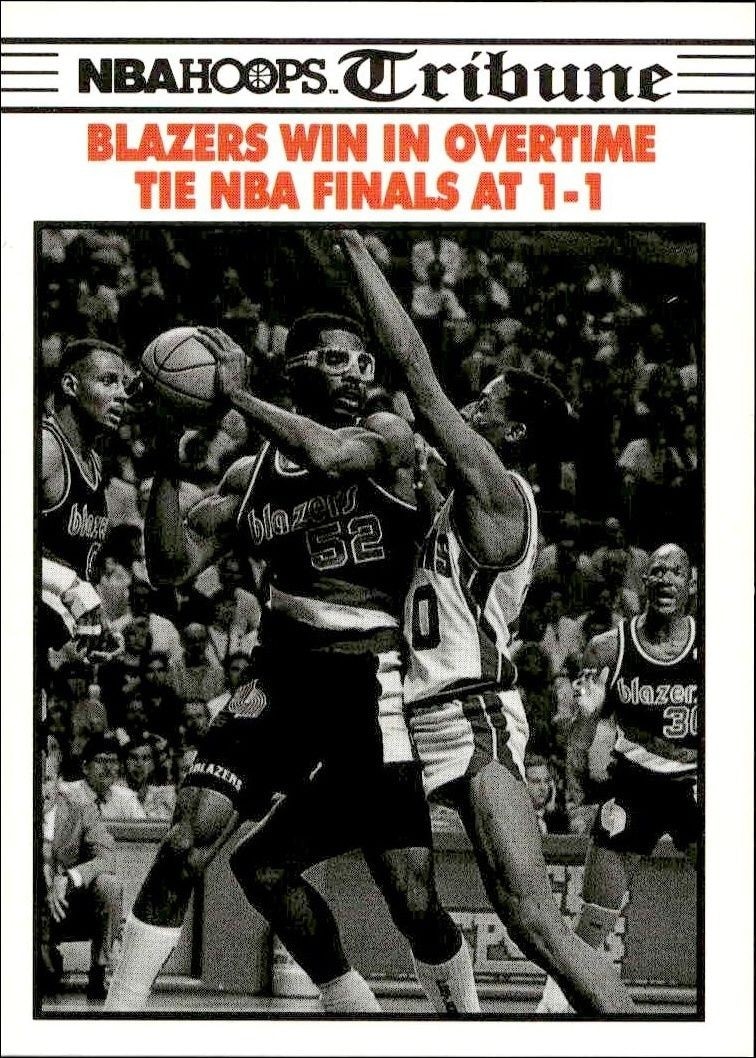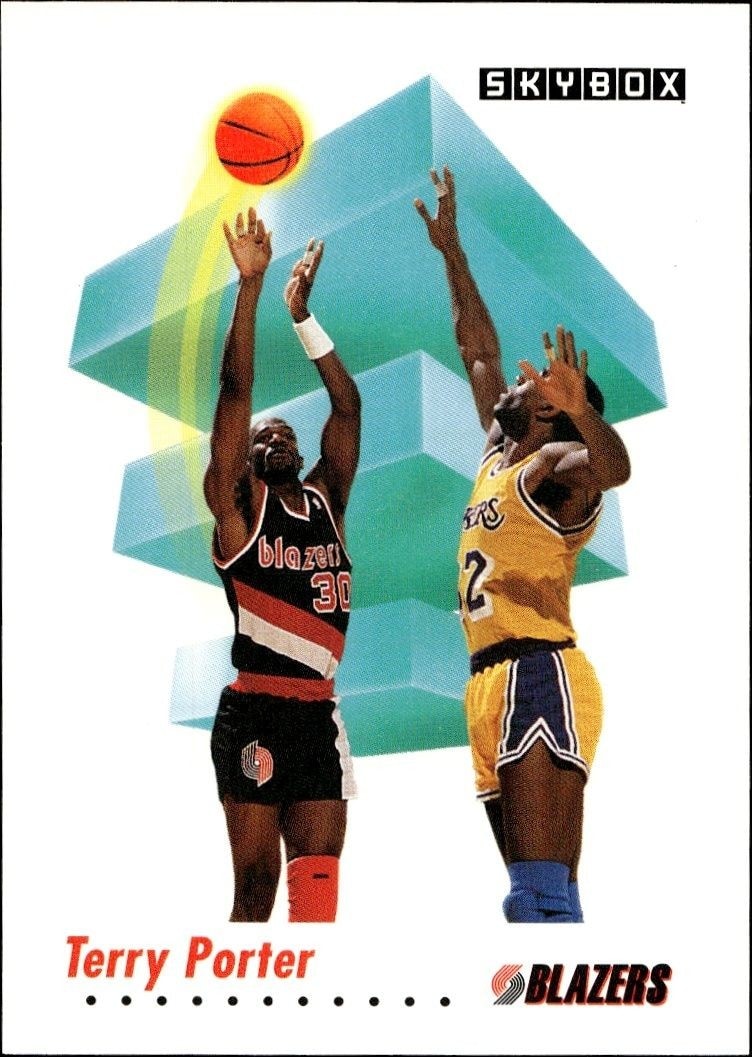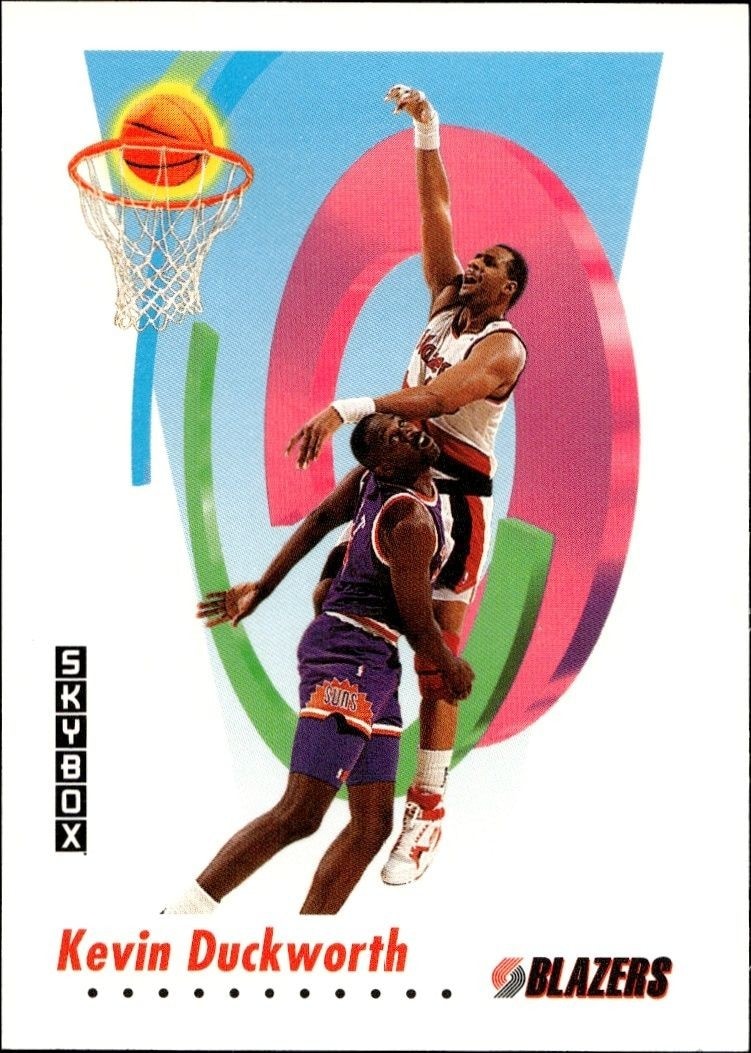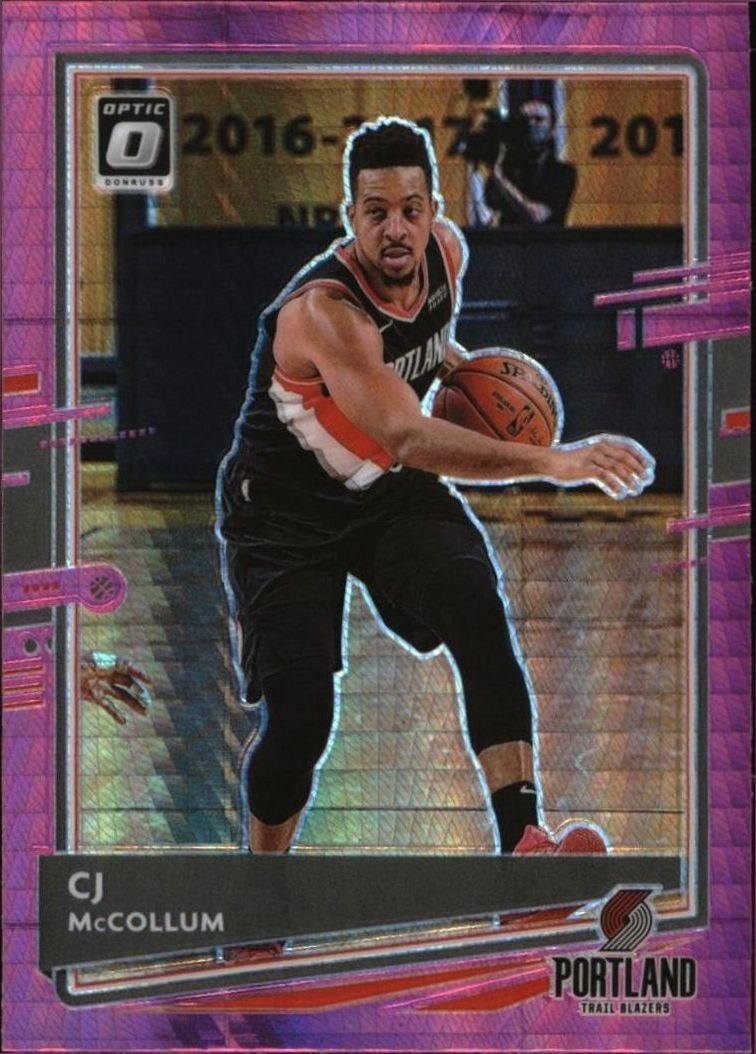



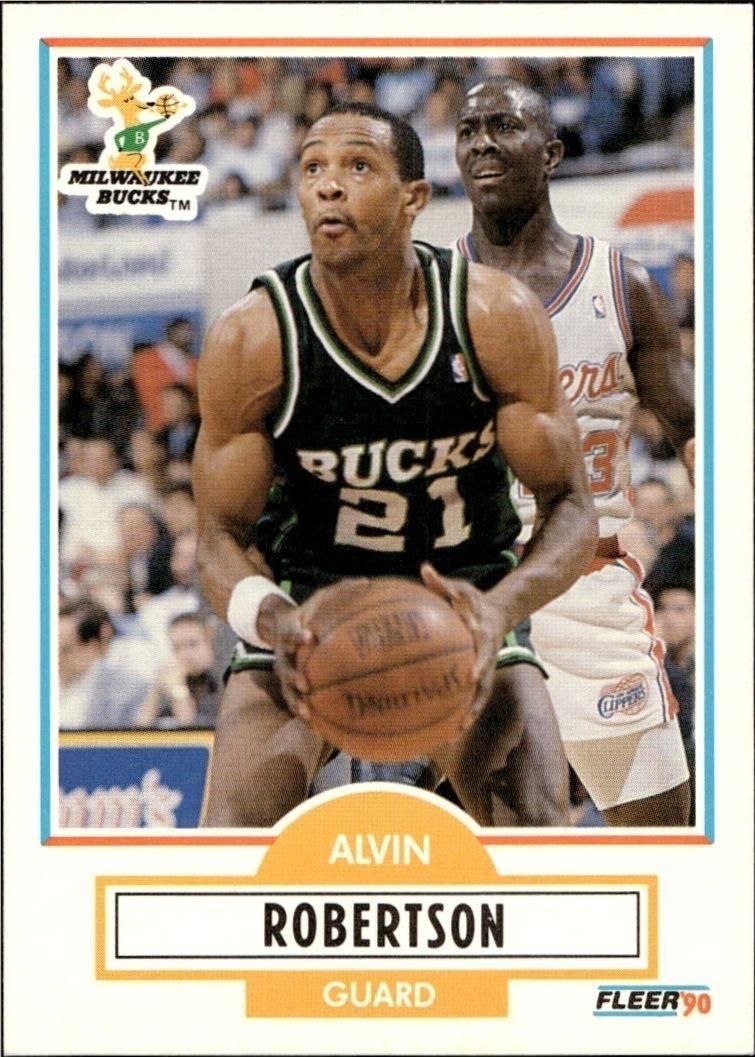

The 1990-91 Fleer Byron Irvin #156 basketball card captures the Portland Trail Blazers guard during his early NBA career.
1990-91 • Fleer
National Basketball Association • Portland Trail Blazers
Near Mint
156
New
Shipping Calculated at Checkout
Arrives in 4-6 daysEstimated delivery November 12, 2026 - November 14, 2026
30-day Returns| Condition | Value | Source | Trend | Price Details |
|---|---|---|---|---|
$0.71 | Guide Estimate | +1.4% | ||
$7.20 | Guide Estimate | +1.4% | ||
$14.99 | Guide Estimate | 0% | ||
$28.29 | Guide Estimate | +1.4% | ||
$41.00 | Guide Estimate | -4.7% | ||
$13.00 | Guide Estimate | -35% | ||
$31.69 | Guide Estimate | -4.3% | ||
$15.00 | Guide Estimate | 0% | ||
Raw / Ungraded
PriceCharting Price Guide · Guide Estimate evidence · captured Nov 5, 2026
The 1990-91 Fleer Byron Irvin #156 basketball card is a definitive piece of NBA history, featuring the Portland Trail Blazers guard during the early stages of his professional career. Issued by Fleer, this release marked a significant era for basketball collectibles, establishing the brand as a primary source for NBA trading cards during the 1990s. For collectors of vintage basketball memorabilia, this card represents a tangible connection to the Portland Trail Blazers' roster from that specific season. Byron Irvin, selected by the Trail Blazers in the 1990 NBA Draft, brought energy and versatility to the court. This card documents his tenure with the franchise, offering fans and historians a glimpse into the team's composition during a competitive period in the NBA. Collecting this card allows enthusiasts to complete a set of 1990-91 Fleer basketball cards or focus on players who contributed to the Portland Trail Blazers' legacy. As a numbered issue in the series, it holds a distinct place in the catalog of vintage sports cards. Whether you are building a comprehensive library of NBA history or seeking to add a piece of Trail Blazers memorabilia to your shelf, this card offers a reliable and recognizable addition to any collection. The enduring popularity of Fleer products ensures that this product remains a relevant and sought-after component for those interested in 1990s basketball culture.
6 days ago
We'll pre-fill the product details from this catalog entry, so your listing lands on this exact page. Just add photos of your copy, pick its condition, and set your price.
The catalog profile below summarizes the card identity, featured subject, and notable collectible traits.
The subject, team, league, and sport context tied to this card.
Production details and format-specific attributes.
Material
Card Stock
Language
English
Compare prices, grades, photos, and shipping from approved sellers.
New
Near Mint
See how many public collections currently include this card.
0 collectors have this card
FAQ
Byron Irvin is featured in this card as a member of the Portland Trail Blazers. The 1990-91 Fleer set captures the roster from that specific NBA season.
No, this is not Byron Irvin's rookie card. He was drafted in 1990, and this card is from his second season in the league, following his initial rookie year.
The 1990-91 Fleer set is highly regarded for being one of the first major mainstream basketball card releases of the 1990s. It established Fleer as a key manufacturer in the NBA trading card market.
This 1990-91 Fleer Byron Irvin card trades at a modest price point, reflecting its status as a non-premium base card from a standard set. While it lacks the significant market premiums associated with rookie cards or graded examples, it remains an affordable entry for collectors focusing on the Portland Trail Blazers or the 1990s NBA era. The current market positioning suggests steady, low-volume demand typical of ungraded base cards from this specific production year.
As a standard base card without noted special attributes, serial numbering, or parallel finishes, this item represents the highest volume tier of supply within the Fleer brand. The lack of short-print designations or unique numbering means the scarcity is determined primarily by condition and age rather than intentional production limits. Consequently, the supply pool is broad, keeping individual unit rarity low compared to parallel or insert counterparts in the same set.
The investment potential for this specific card is limited by its classification as a common base issue rather than a rookie or high-end parallel. While it holds nostalgic value for collectors of the Portland Trail Blazers or 1990s basketball memorabilia, it does not carry the scarcity mechanics that typically drive significant appreciation. Long-term value retention will likely track with general vintage sports card market trends rather than outperforming them.