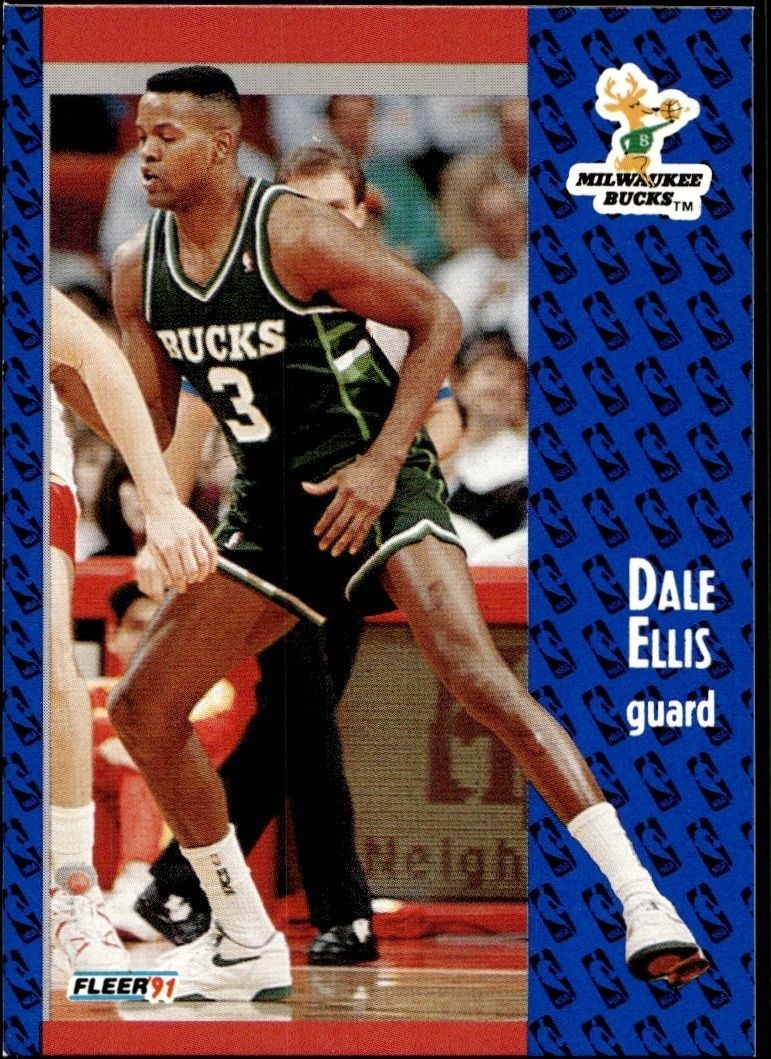




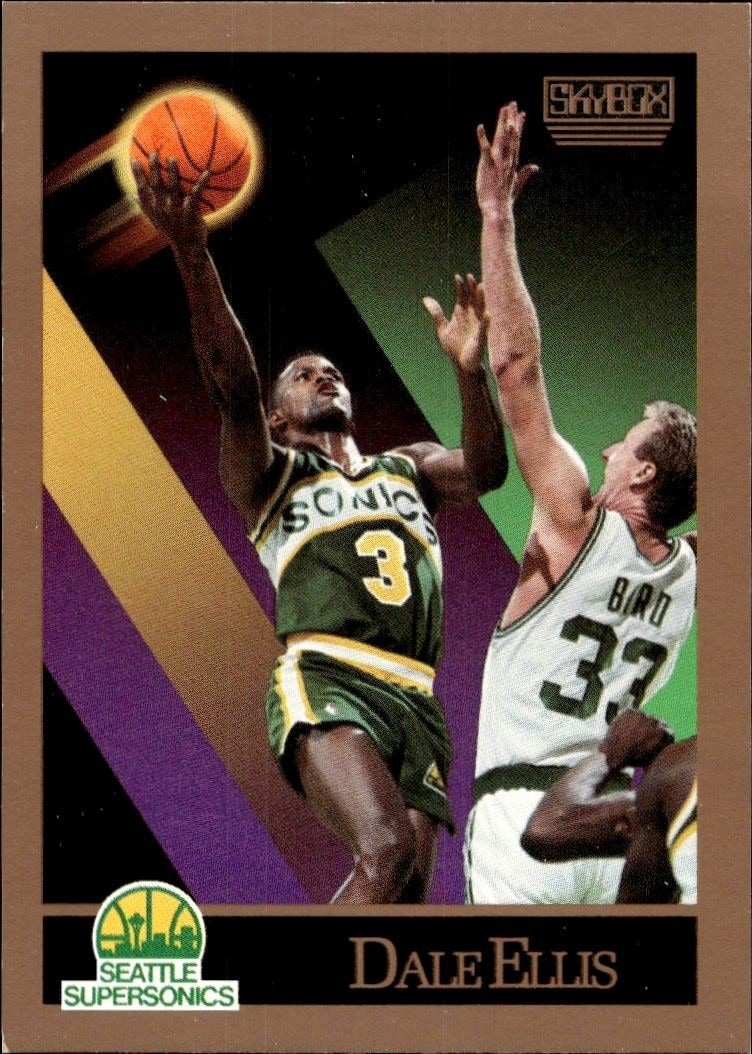
Explore listings for Dale Ellis #177 from the 1990-91 Fleer basketball set. Find this vintage Seattle SuperSonics card for your collection.
1990-91 • Fleer
National Basketball Association • Seattle SuperSonics
Near Mint
177
New
Shipping Calculated at Checkout
Arrives in 5-7 daysEstimated delivery October 23, 2026 - October 25, 2026
Seller returns October 19, 2026.30-day Returns| Condition | Value | Source | Trend | Price Details |
|---|---|---|---|---|
$0.99 | Guide Estimate | 0% | ||
$0.99 | Completed Sales | 0% | ||
$9.99 | Guide Estimate | 0% | ||
$11.00 | Guide Estimate | 0% | ||
$44.00 | Guide Estimate | 0% | ||
$20.00 | Guide Estimate | 0% | ||
$33.50 | Guide Estimate | 0% | ||
$20.00 | Guide Estimate | 0% | ||
Raw / Ungraded
PriceCharting Price Guide · Guide Estimate evidence · captured Oct 8, 2026
The 1990-91 Fleer basketball set remains a cornerstone for vintage NBA collectors, offering a distinct look at the league during the early 1990s. This era marked a significant transition in basketball aesthetics and player rosters, making cards from this release highly relevant for those building comprehensive collections. Dale Ellis, featured on card number 177, is included here as a key member of the Seattle SuperSonics, providing historical context for fans of the franchise. Collectors often seek out 1990-91 Fleer cards to fill specific gaps in their sets or to acquire pieces from a pivotal year in basketball history. The straightforward design of the Fleer brand from this period appeals to purists who appreciate the classic trading card format without excessive embellishment. For investors and hobbyists alike, the opportunity to own a piece of this era allows for a tangible connection to the sport's past. Whether you are looking to complete a base set or acquire a specific player card, the platform ensures that collectors can easily navigate through available options. The focus remains on the product's identity within the broader context of sports card collecting, highlighting the significance of the 1990-91 release. Dale Ellis #177 represents more than just a single card; it is a piece of NBA history. As you consider adding this to your collection, think about how it fits into your broader goals. Completing a set from this decade offers a unique perspective on the game's evolution.
15 hours ago
We'll pre-fill the product details from this catalog entry, so your listing lands on this exact page. Just add photos of your copy, pick its condition, and set your price.
The catalog profile below summarizes the card identity, featured subject, and notable collectible traits.
The subject, team, league, and sport context tied to this card.
Production details and format-specific attributes.
Material
Card Stock
Language
English
Compare prices, grades, photos, and shipping from approved sellers.
New
Near Mint
See how many public collections currently include this card.
0 collectors have this card
This 1990-91 Fleer card of Dale Ellis represents a baseline entry-level asset within the broader basketball collecting market, currently trading near the floor for mass-produced cards of this era. Its value is defined by its status as a standard, ungraded base card rather than a premium insert or parallel, placing it in a lower price tier compared to specialized variations or rookie issues. While Ellis holds a recognizable place in NBA history, this specific iteration lacks the condition premiums or scarcity drivers that typically elevate a player's market value significantly.
The card is identified as a standard base issue within the Fleer set, meaning it was produced in high volumes with no serial numbering or short-print restrictions to limit its supply. Without noted parallels, inserts, or special attributes, the item relies on its general availability within the hobby, resulting in a high supply relative to collector demand. This lack of unique scarcity mechanics keeps it distinct from limited-edition releases that command higher premiums due to constrained distribution.
As a non-rookie, standard base card, this item does not benefit from the rookie-card premium mechanics that typically drive long-term value appreciation for players. Collector demand is likely limited to those seeking specific team or set completionists rather than investors looking for significant growth potential. The outlook suggests steady but modest liquidity for casual collectors, with limited upside compared to scarce parallels or key rookie cards from the same era.