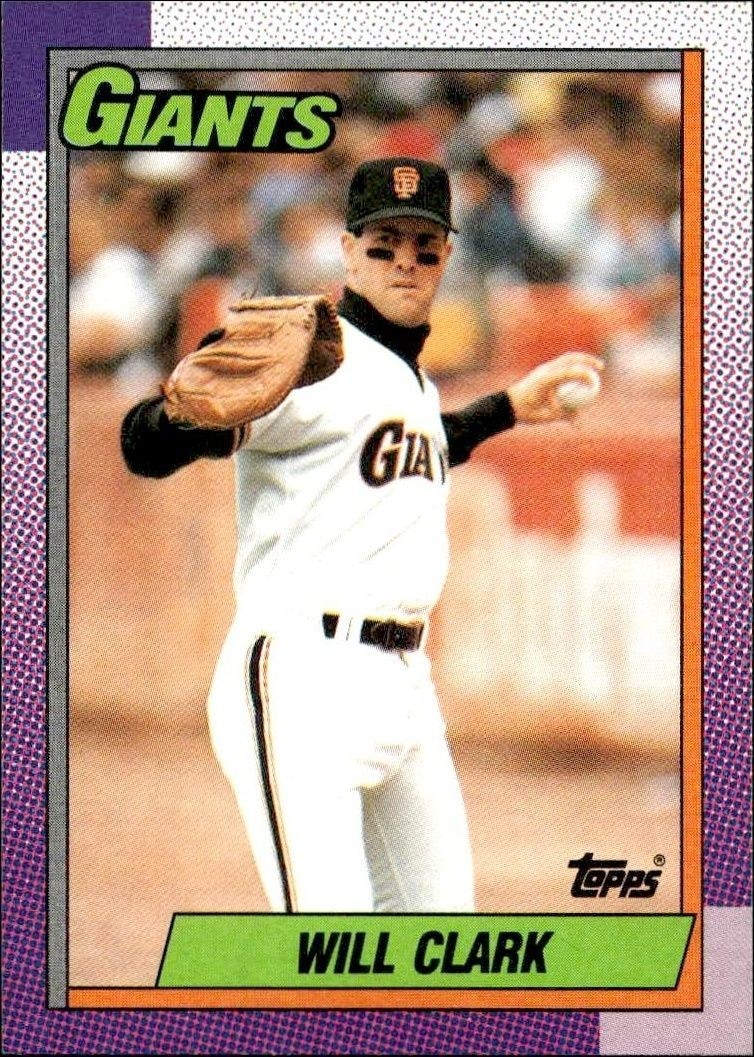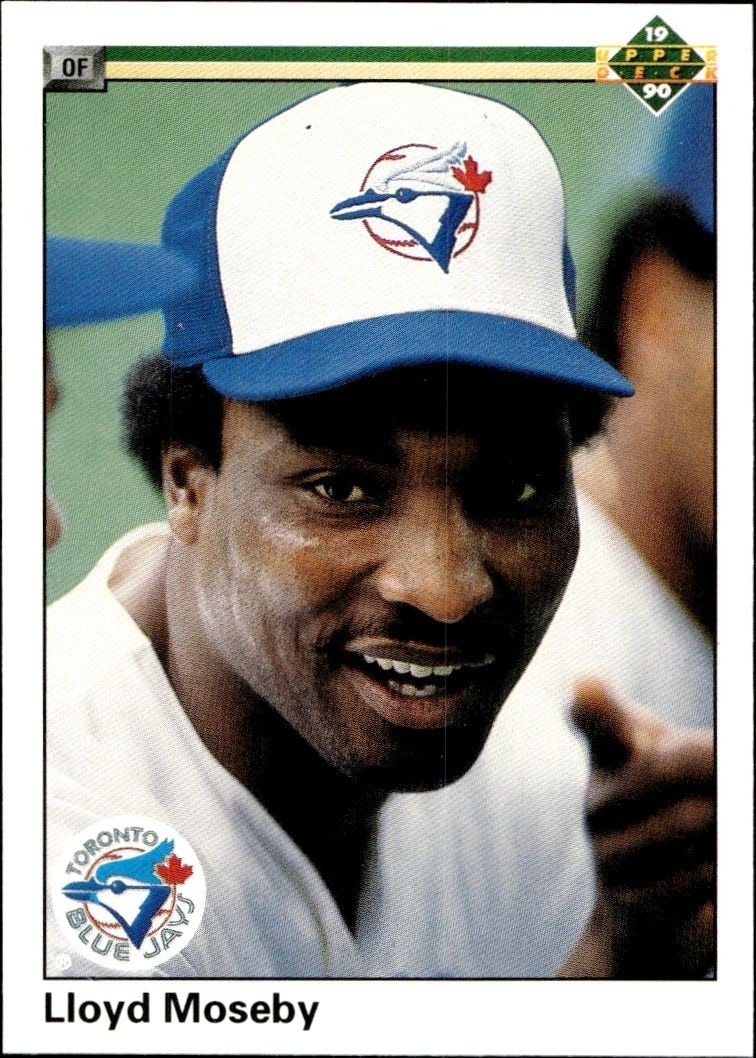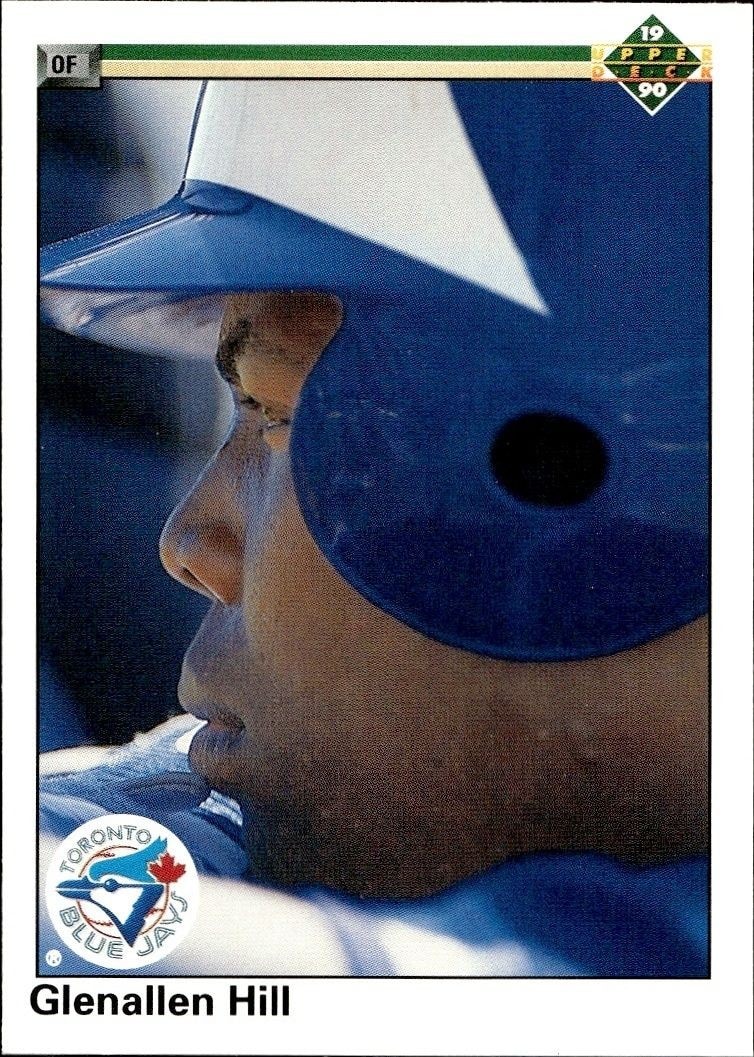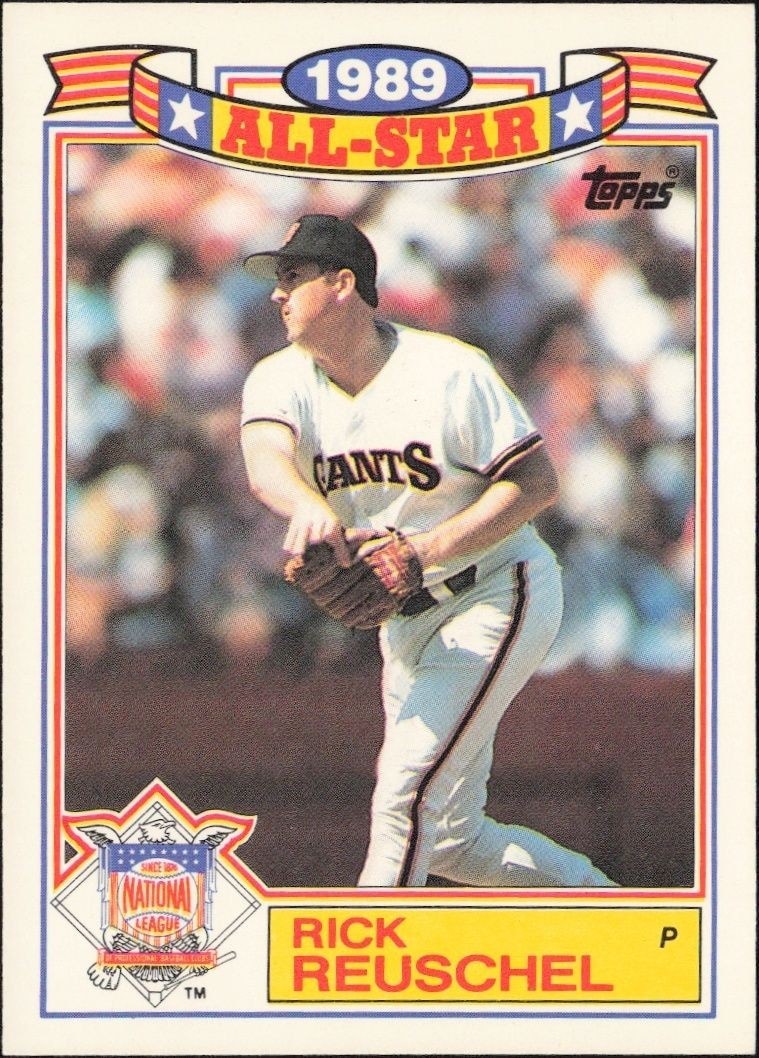




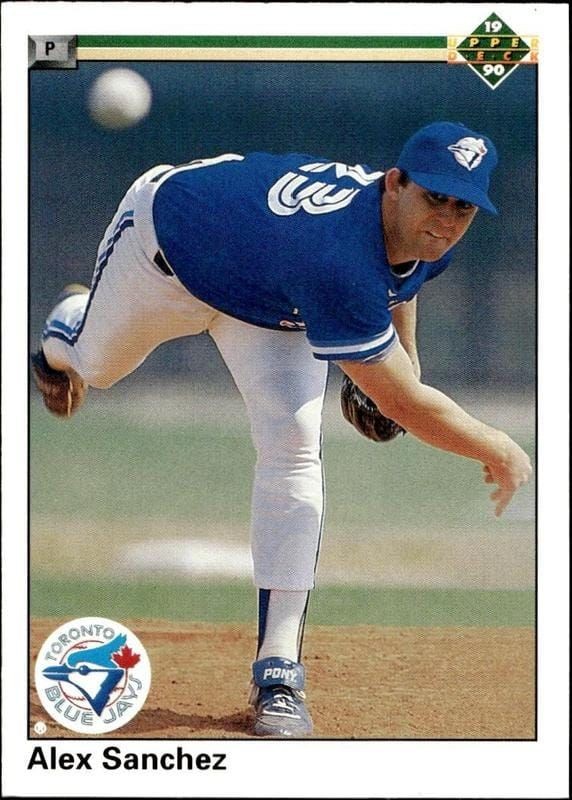

This 1990 Topps trading card features Alex Sanchez, a Toronto Blue Jays prospect, designated as card number 563 in the iconic base set.
1990 • Topps
Major League Baseball • Toronto Blue Jays
Excellent
563
New
Shipping Calculated at Checkout
Arrives in 4-6 daysEstimated delivery October 24, 2026 - October 26, 2026
30-day Returns| Condition | Value | Source | Trend | Price Details |
|---|---|---|---|---|
$1.30 | Guide Estimate | |||
$5.00 | Guide Estimate | |||
$27.99 | Guide Estimate | |||
$31.00 | Guide Estimate | |||
$65.00 | Guide Estimate | |||
$30.00 | Guide Estimate | |||
$50.00 | Guide Estimate | |||
$30.00 | Guide Estimate | |||
Raw / Ungraded
PriceCharting Price Guide · Guide Estimate evidence · captured Oct 18, 2026
History is building. At least two days of matching observations are needed to show a trend.
Each point is the last stored observation that day for this printing, condition, grader, autograph status and source. Gaps mean no observation; guide estimates and asking prices are not completed sales.The 1990 Topps baseball card set remains a cornerstone for collectors focusing on the early 1990s era of Major League Baseball. Within this expansive release, card number 563 highlights Alex Sanchez, who was listed as a prospect for the Toronto Blue Jays at the time of publication. For fans of the Blue Jays franchise, this card serves as a tangible link to the team's roster during a period of significant growth and national prominence. Collectors often seek out specific numbers within the 792-card base set to complete their portfolios or to track the career trajectories of players who debuted during this pivotal decade. The design of the 1990 Topps product is widely recognized for its clean layout and straightforward presentation, making it accessible for both novice and experienced hobbyists. As you explore the catalog, this entry offers a glimpse into the scouting and prospecting landscape of the early 90s. Whether you are building a set dedicated to Toronto Blue Jays history or focusing on the broader Topps brand, card 563 represents a standard entry point for understanding the era's player development. The card's straightforward categorization as a standard baseball trading card allows it to fit seamlessly into diverse collecting strategies, from chronological organization by year to team-specific accumulations.
12 hours ago
We'll pre-fill the product details from this catalog entry, so your listing lands on this exact page. Just add photos of your copy, pick its condition, and set your price.
The catalog profile below summarizes the card identity, featured subject, and notable collectible traits.
The subject, team, league, and sport context tied to this card.
Production details and format-specific attributes.
Material
Card Stock
Language
English
Compare prices, grades, photos, and shipping from approved sellers.
New
Excellent
See how many public collections currently include this card.
0 collectors have this card
This 1990 Topps Alex Sanchez card represents a baseline entry in the early-1990s baseball market, trading at a modest tier relative to high-profile stars of the era. As a non-premium base card, it lacks the condition premiums associated with graded subsets or special inserts. The current listing volume suggests a stable but low-volume niche for collectors focusing on specific team history or player completeness rather than speculative value.
The card carries no special scarcity attributes, existing as a standard base issue within the 1990 Topps product. Without serial numbering, short-print designations, or parallel variations, the supply is determined solely by the original print run, which was significant for this era. This lack of exclusive formatting means the card is widely available and does not benefit from artificial supply constraints.
As a standard base card from a rookie or early-career year, this item appeals primarily to completists seeking a full set of Topps releases or Blue Jays memorabilia. The investment potential is limited by the abundance of identical cards in the market, which suppresses price appreciation. Demand is driven by historical interest in the player's tenure rather than scarcity mechanics or premium collectibility factors.