











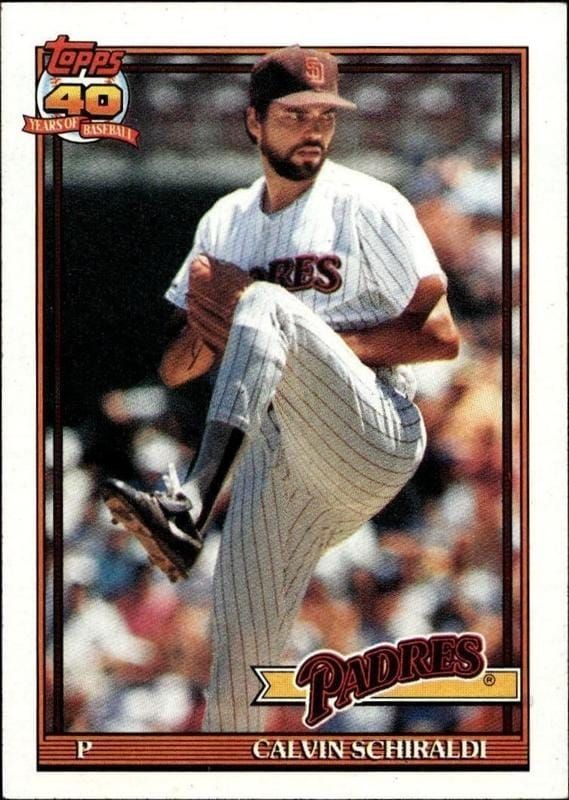
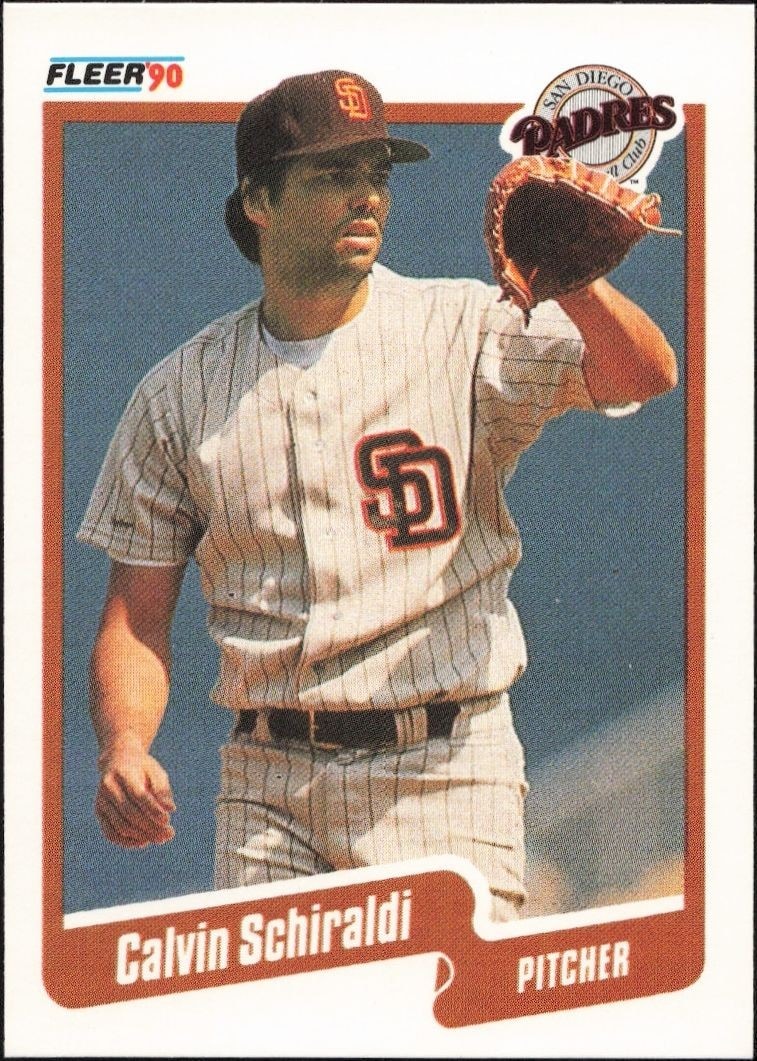


Explore the 1990 Topps Calvin Schiraldi #693 baseball card, featuring the San Diego Padres player in this vintage Topps release.
1990 • Topps
Major League Baseball • San Diego Padres
Near Mint
693
New
Shipping Calculated at Checkout
Arrives in 5-7 daysEstimated delivery October 23, 2026 - October 25, 2026
Seller returns October 19, 2026.30-day Returns| Condition | Value | Source | Trend | Price Details |
|---|---|---|---|---|
$0.06 | Guide Estimate | 0% | ||
$32.95 | Guide Estimate | 0% | ||
$36.00 | Guide Estimate | 0% | ||
Raw / Ungraded
PriceCharting Price Guide · Guide Estimate evidence · captured Oct 9, 2026
The 1990 Topps Calvin Schiraldi #693 baseball card represents a distinct piece of trading card history from one of the industry's most recognizable brands. As part of the 1990 Topps set, this card features Calvin Schiraldi during his tenure with the San Diego Padres, offering collectors a tangible connection to that specific season and roster. Collectors often seek out this card number to complete their 1990 Topps baseball card collections, whether they are building a full set or focusing on specific teams like the San Diego Padres. The card serves as a key identifier for fans of Calvin Schiraldi, documenting his career phase with the Padres in a format that has been standardized and valued for decades. For investors and hobbyists alike, the 1990 Topps brand carries significant weight, ensuring that cards like #693 remain relevant in the secondary market. Whether you are looking to add a Padres card to your shelf or acquire a piece of 1990s baseball memorabilia, this card offers a focused entry point into that era. The enduring popularity of the Topps brand means that issues from 1990 continue to attract new generations of collectors who appreciate the classic design and historical context of the sport during that time. By focusing on the core identity of the product—the year, the brand, the player, and the team—this product helps you understand the value of owning a piece of baseball history. The 1990 Topps Calvin Schiraldi #693 card is more than just a piece of cardboard; it is a cataloged artifact of a specific moment in professional baseball, preserved for those who value the legacy of the game and the cards that document it.
7 hours ago
We'll pre-fill the product details from this catalog entry, so your listing lands on this exact page. Just add photos of your copy, pick its condition, and set your price.
The catalog profile below summarizes the card identity, featured subject, and notable collectible traits.
The subject, team, league, and sport context tied to this card.
Production details and format-specific attributes.
Material
Card Stock
Language
English
Compare prices, grades, photos, and shipping from approved sellers.
New
Near Mint
See how many public collections currently include this card.
0 collectors have this card
This 1990 Topps base card represents a low-tier entry point within Calvin Schiraldi’s market, trading significantly below any premium parallels or insert variations due to its standard status. While the player’s specific tenure with the San Diego Padres adds niche interest, the lack of special attributes keeps this item in the volume-driven segment of the market. Current pricing reflects its position as a common commodity rather than a scarce collectible, with value driven primarily by bulk acquisition rather than individual scarcity.
As a standard base card from the 1990 Topps set, this item carries no serial numbering, short-print designations, or parallel coatings that would constrain its supply. It is part of the primary print run, meaning availability is high and competition among sellers is likely intense. Without unique identifiers or limited edition markers, the scarcity is effectively non-existent compared to the specialized subsets of the same product line.
The absence of rookie card status or special parallel finishes limits the card’s potential for appreciation beyond modest fluctuations in bulk market trends. Demand is likely restricted to collectors seeking specific team completions or low-cost filler items rather than serious investors targeting growth assets. Long-term value retention is uncertain given the high volume of identical items available, making it a speculative hold rather than a stable investment.
