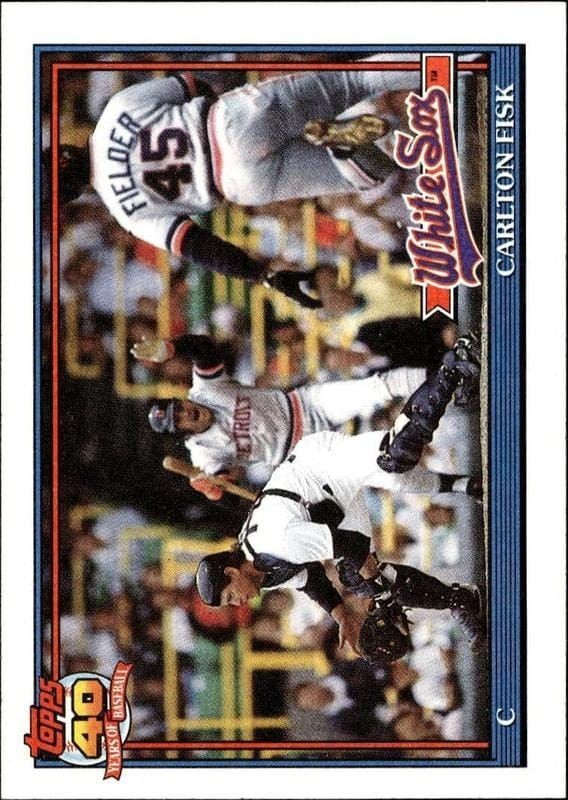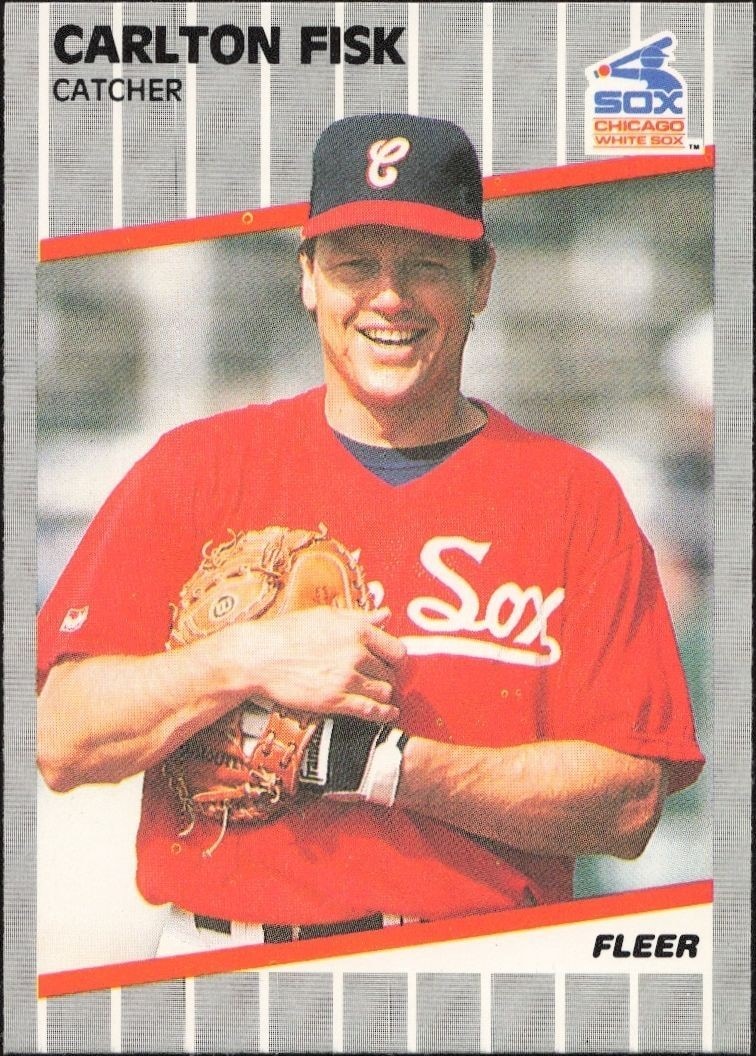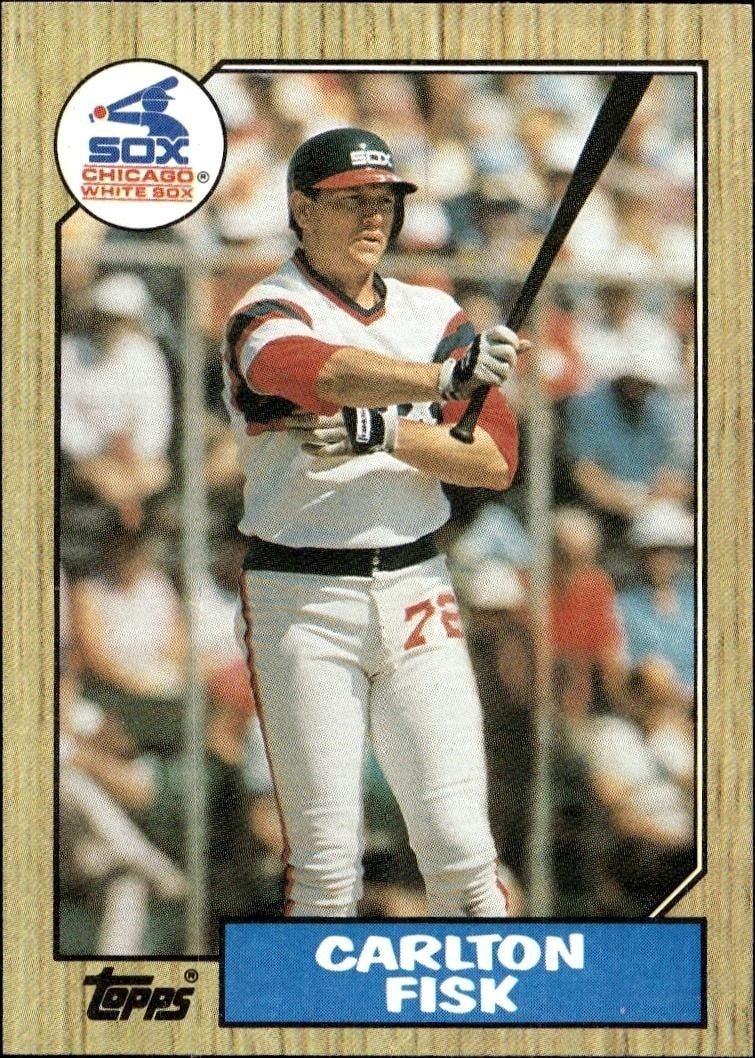




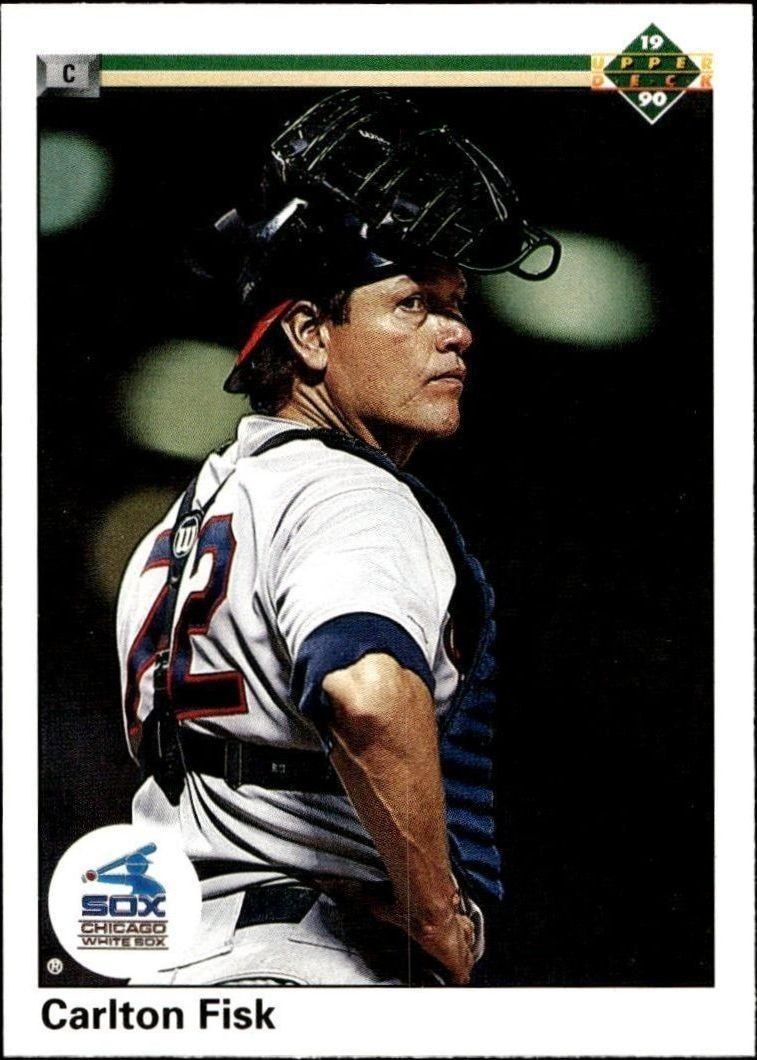
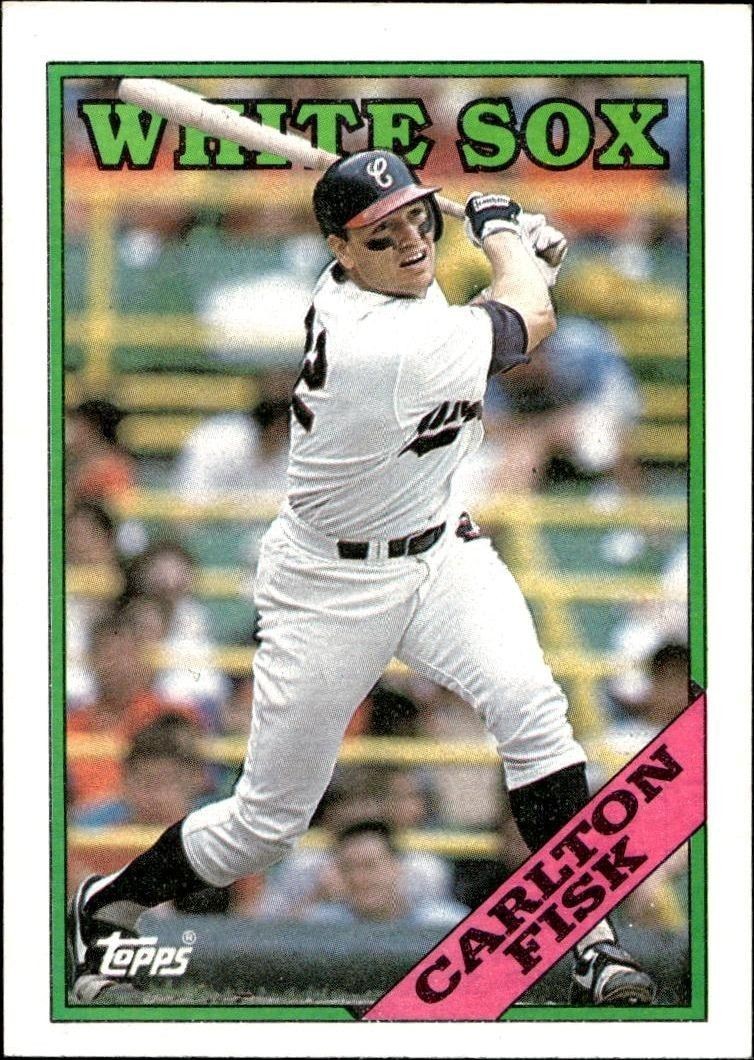
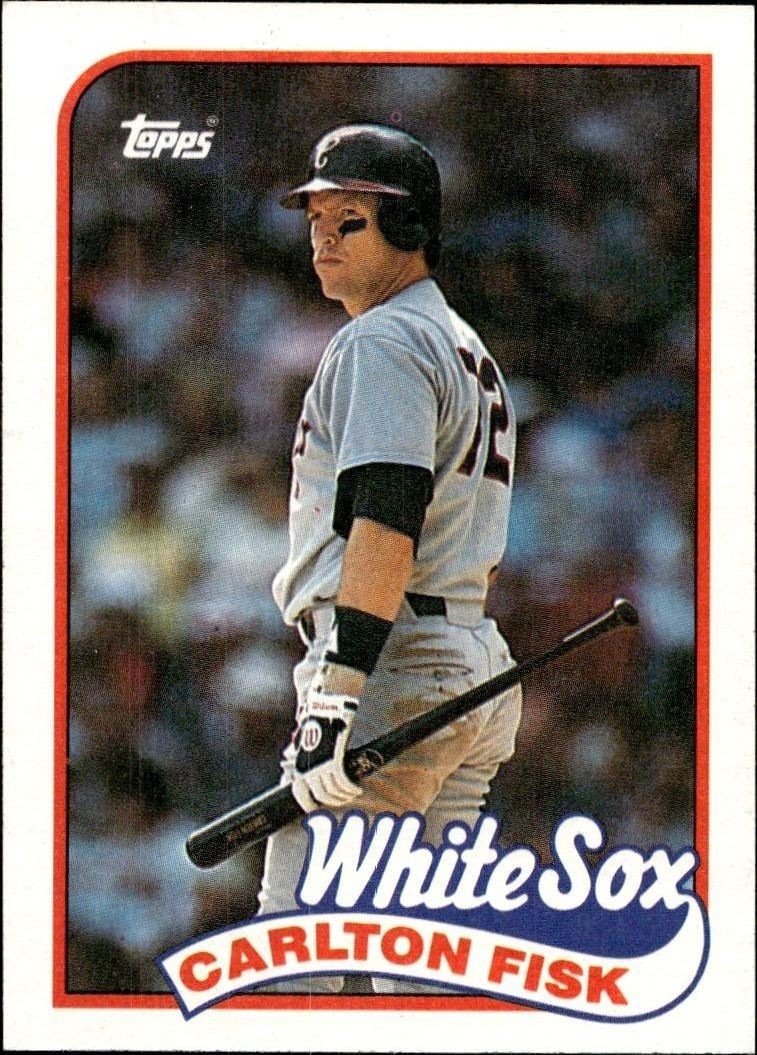
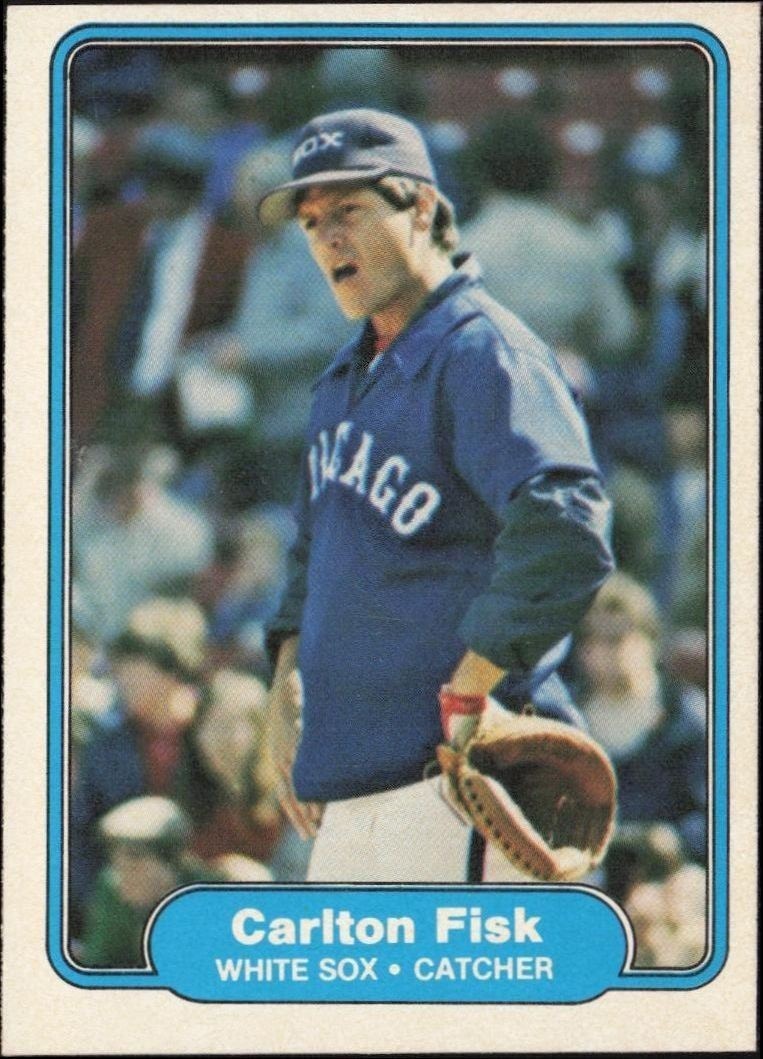
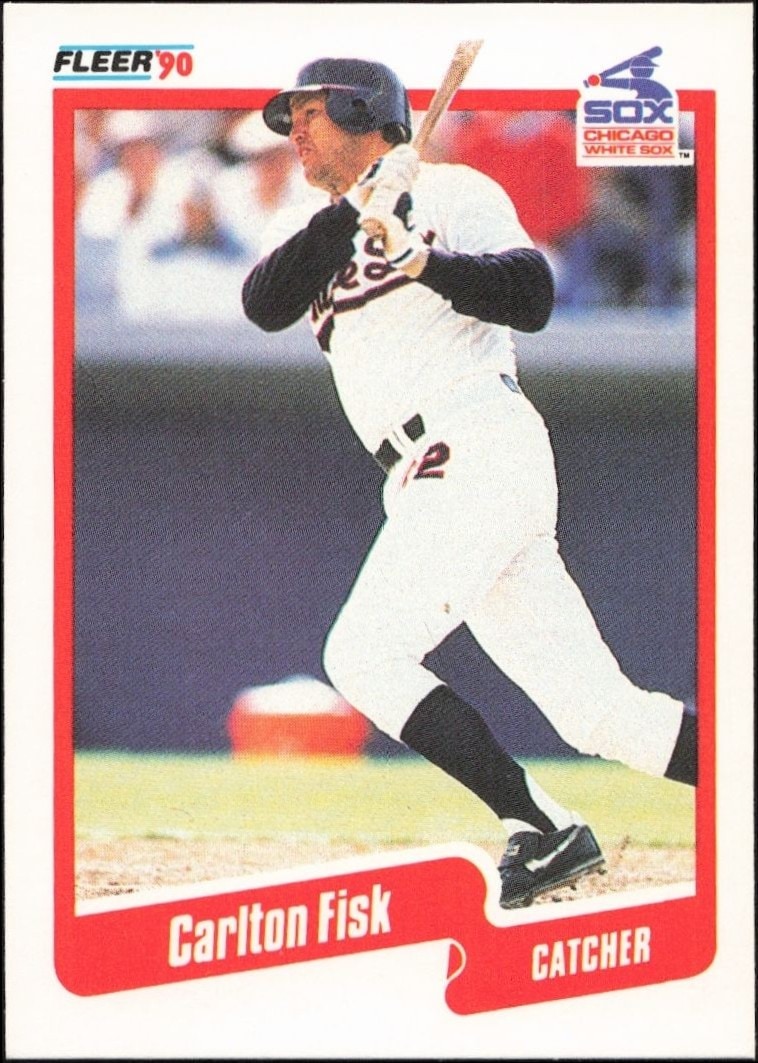
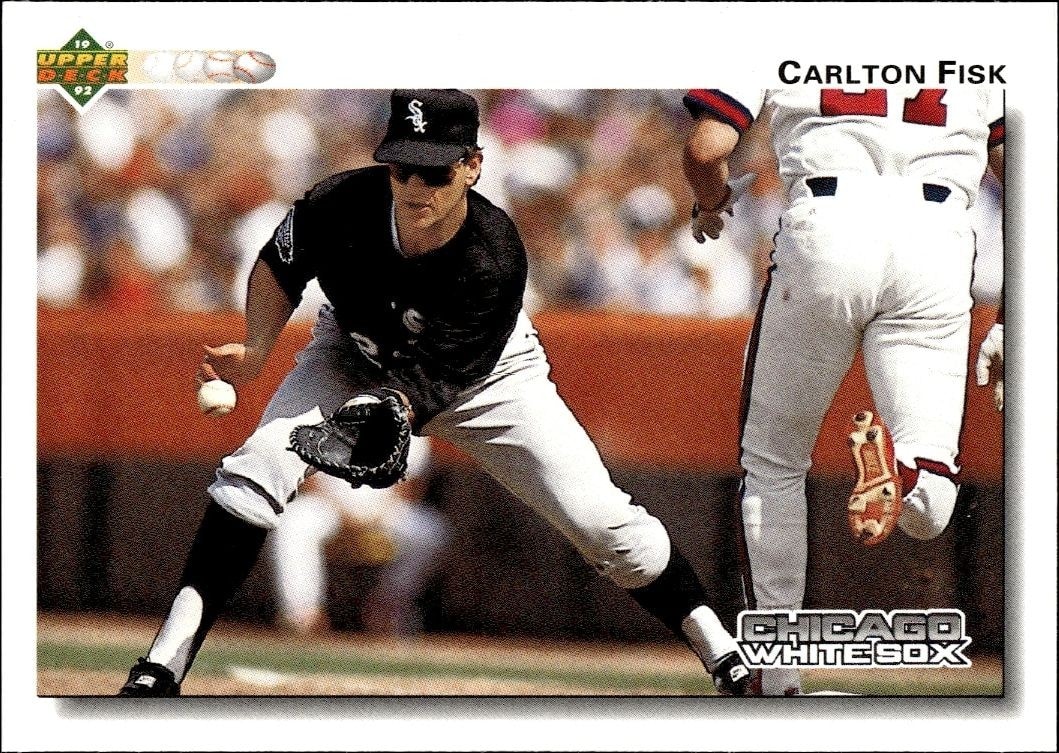
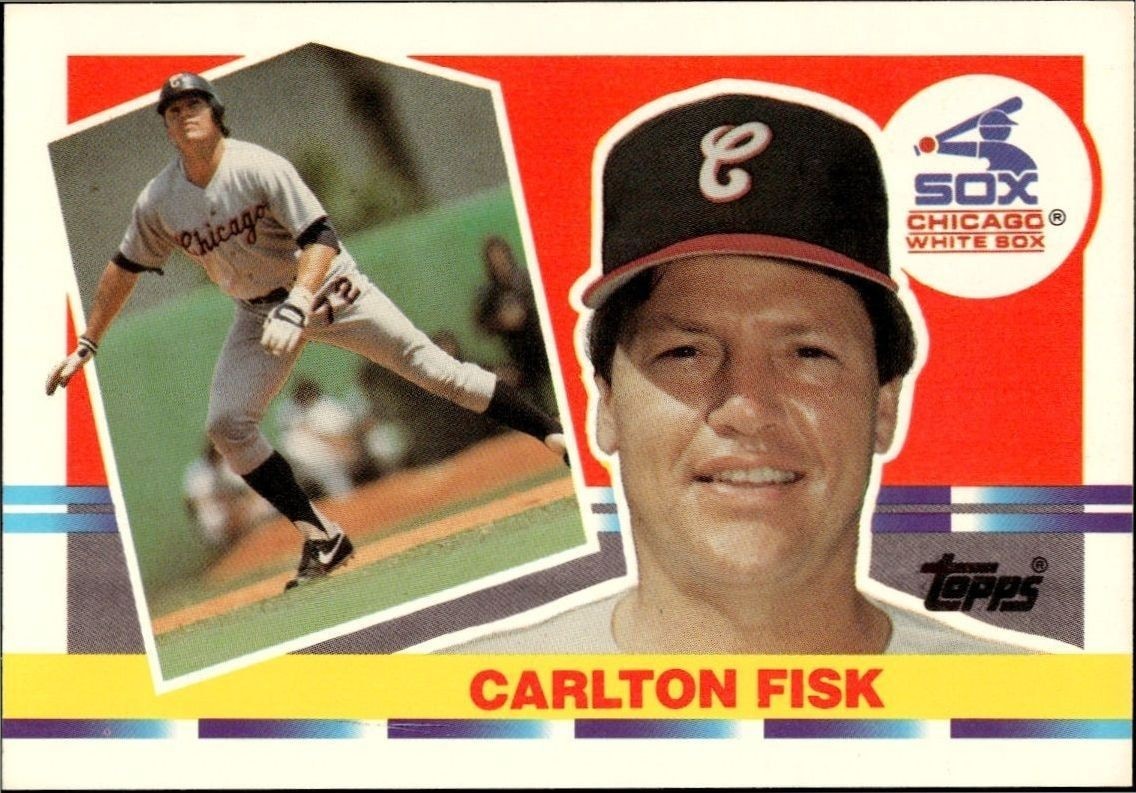
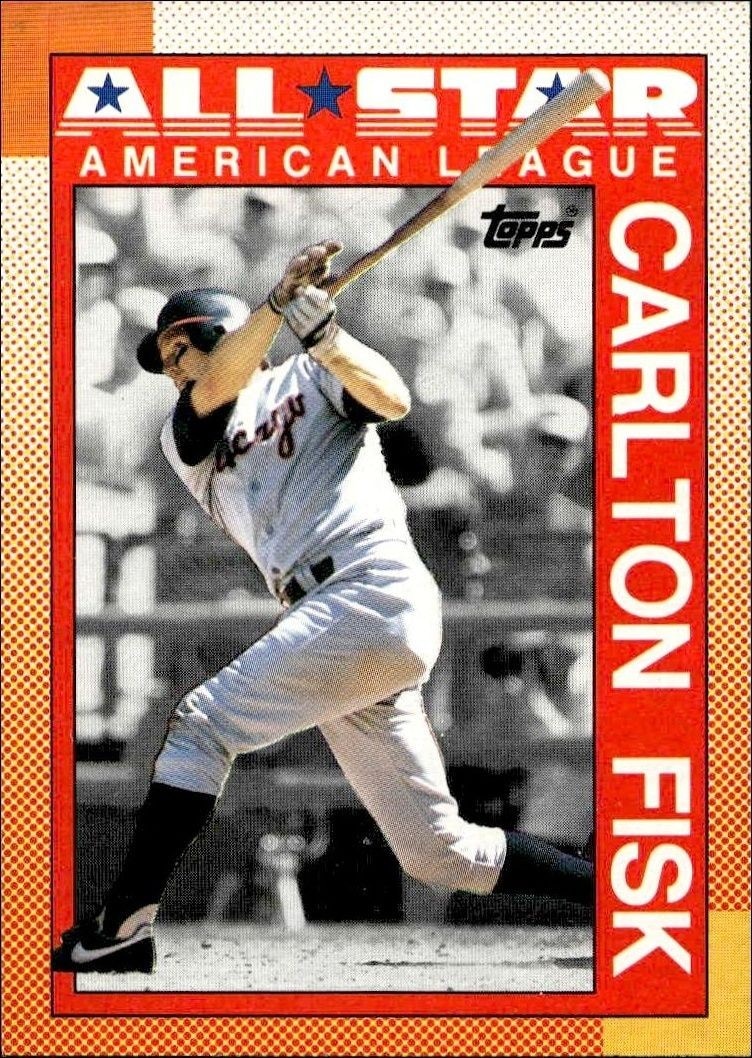
Explore the 1990 Topps Carlton Fisk #420 baseball card, a vintage collectible featuring the Chicago White Sox legend. This catalog entry covers all available listings for this card number.
1990 • Topps
Major League Baseball • Chicago White Sox
Excellent
420
New
Shipping Calculated at Checkout
Arrives in 5-7 daysEstimated delivery October 29, 2026 - October 31, 2026
30-day Returns| Condition | Value | Source | Trend | Price Details |
|---|---|---|---|---|
$1.16 | Guide Estimate | -18.9% | ||
$1.99As of 9/23/2026 | Completed Sales | |||
$17.50 | Guide Estimate | +67.8% | ||
$19.00 | Guide Estimate | +72.7% | ||
$36.00 | Guide Estimate | -6.1% | ||
$47.00 | Guide Estimate | -17.5% | ||
$15.00 | Guide Estimate | -42.3% | ||
$36.37 | Guide Estimate | -16.6% | ||
$22.00 | Guide Estimate | -15.4% | ||
Raw / Ungraded
PriceCharting Price Guide · Guide Estimate evidence · captured Oct 24, 2026
The 1990 Topps Carlton Fisk #420 baseball card stands as a significant piece of vintage sports memorabilia for enthusiasts of the Chicago White Sox and the broader MLB community. Released by Topps, this card is part of one of the most recognizable annual series in the hobby, capturing the era of professional baseball during the late 1980s and early 1990s. For collectors, the number 420 holds a specific place in the set's sequence, making it a target for those focused on completing base set runs or building specialized collections around Carlton Fisk's career. Carlton Fisk is a central figure in baseball history, and his presence on this card appeals to fans who value the legacy of long-tenured players. The 1990 Topps brand is known for its distinct design language, which has become a benchmark for vintage card collecting. Collectors often seek out this card number to add diversity to their portfolios, whether they are focusing on team sets, player subsets, or general vintage accumulation. Because this product exists in multiple conditions and grades, buyers can evaluate different copies to find the one that best fits their collecting goals. Whether you are looking for a high-grade slabbed example or a raw card for your binder, the market for this vintage issue remains active. The enduring appeal of Topps baseball cards ensures that this card continues to be a staple for hobbyists who appreciate the history and nostalgia of the sport. Focus on the subject's impact and the set's historical context to understand the value of adding this card to your collection.
3 days ago
We'll pre-fill the product details from this catalog entry, so your listing lands on this exact page. Just add photos of your copy, pick its condition, and set your price.
The catalog profile below summarizes the card identity, featured subject, and notable collectible traits.
The subject, team, league, and sport context tied to this card.
Production details and format-specific attributes.
Material
Card Stock
Language
English
Compare prices, grades, photos, and shipping from approved sellers.
New
Excellent
See how many public collections currently include this card.
0 collectors have this card
This 1990 Topps Carlton Fisk card represents a value-entry tier within the player's portfolio, sitting significantly below the premium commanded by his earlier rookie issues or high-grade vintage parallels. As a non-rare base card from a mass-produced era, it lacks the condition scarcity necessary to drive significant appreciation beyond its nominal price point. While Fisk's Hall of Fame career provides a baseline of interest, this specific iteration trades at the lower end of the market spectrum due to its abundance and generic nature.
The card possesses no special scarcity attributes, such as serial numbering, short prints, or unique parallels, placing it squarely in the common base set category. Its supply is effectively unlimited relative to collector demand, as it was produced in vast quantities without any artificial constraints on availability. This lack of distinguishing features means it does not benefit from the supply-side mechanics that typically elevate a card's value above its face value.
As a non-rookie card from the 1990s, this item lacks the rookie-card premium mechanics that often drive long-term value retention in baseball collecting. The broad availability of this base set limits its appeal to serious investors, restricting potential demand to casual collectors seeking affordable inventory. Consequently, the investment outlook suggests stable but minimal growth, with the card serving more as a low-cost acquisition for completists rather than a capital appreciation asset.