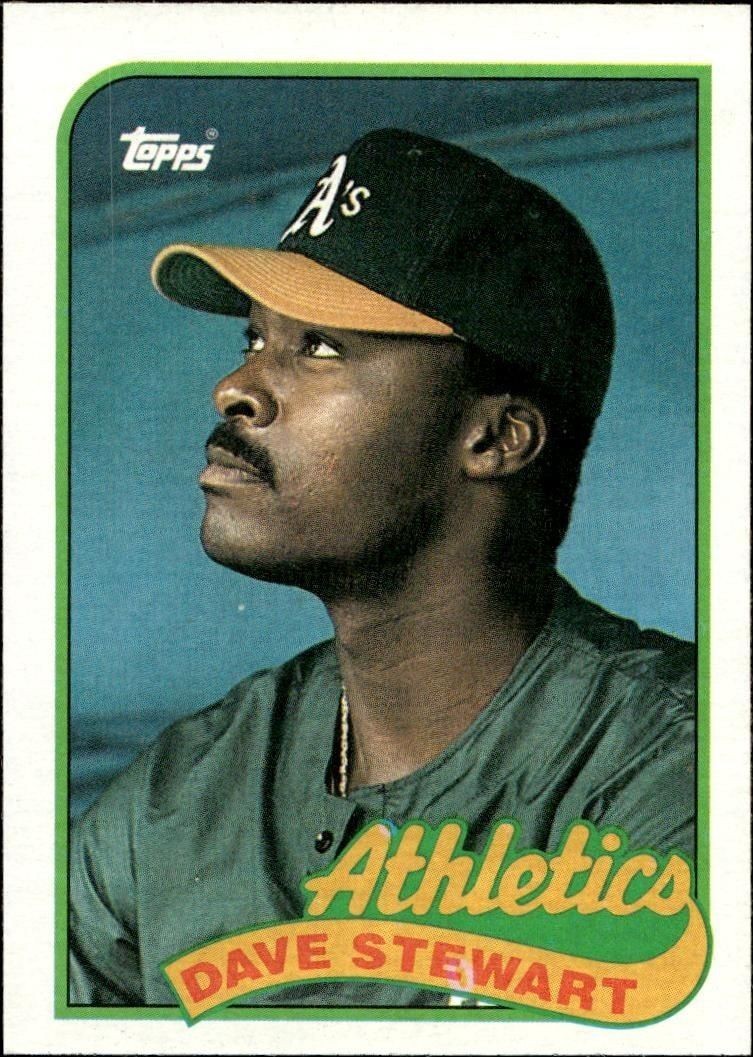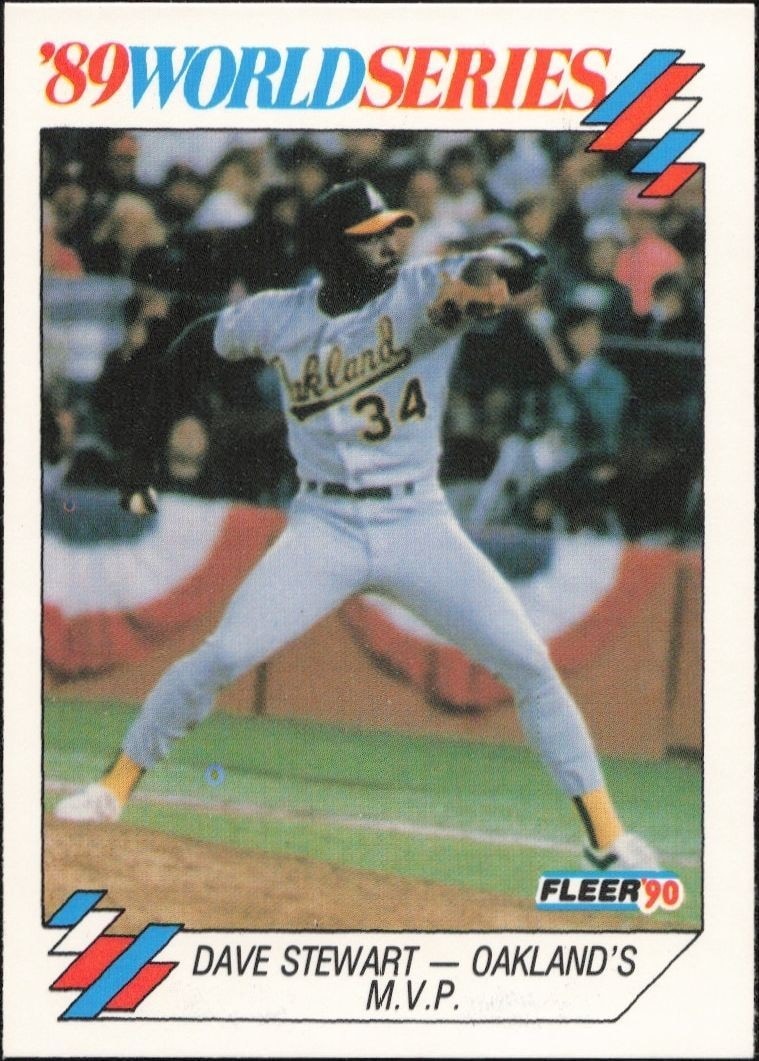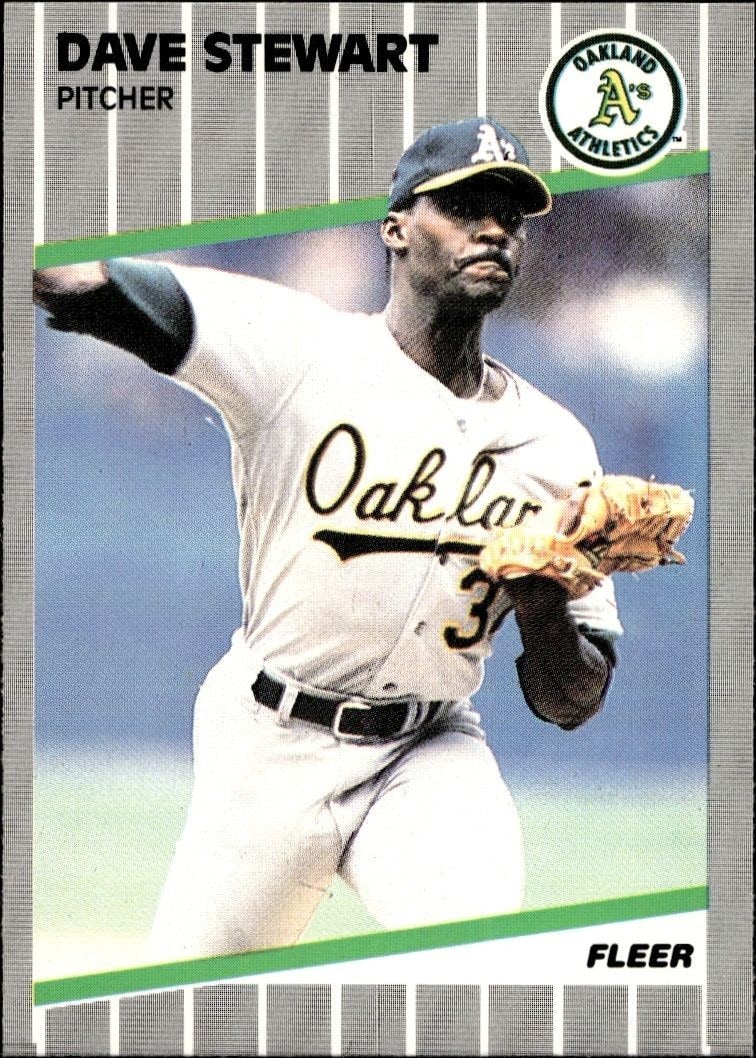
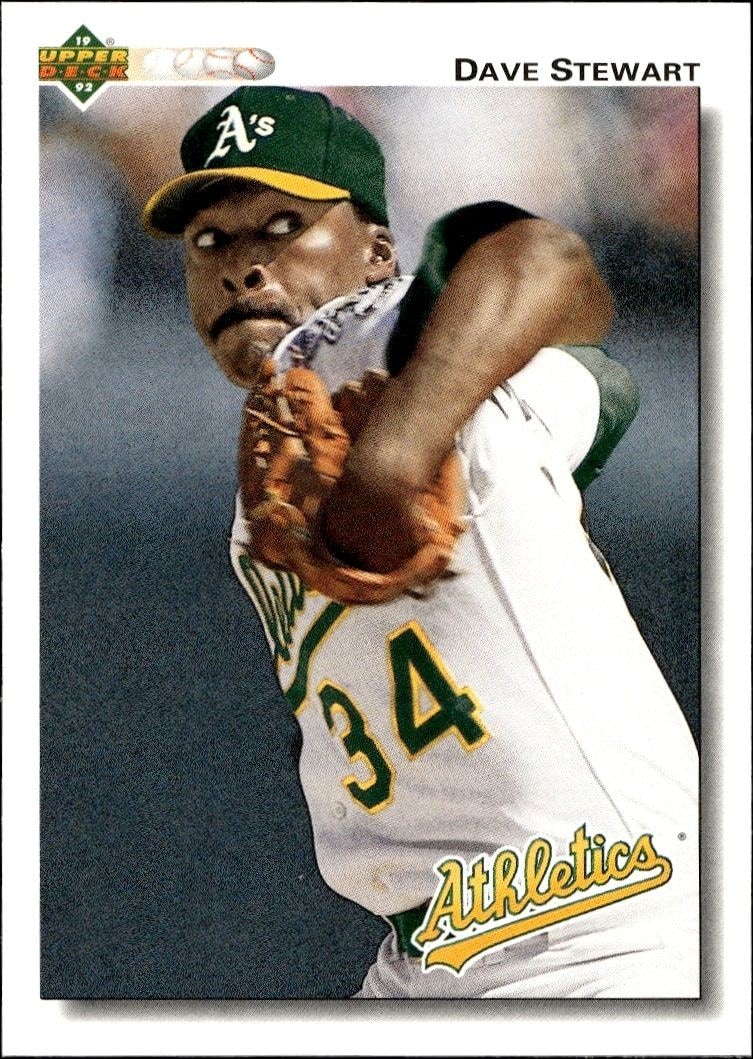
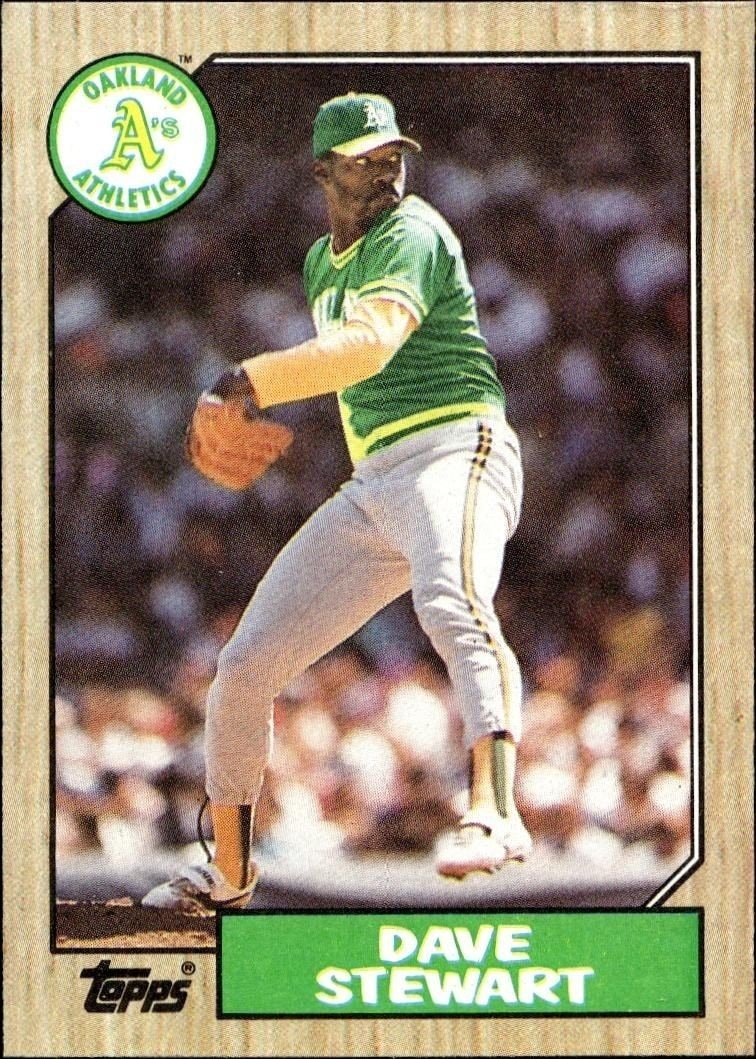
The 1990 Topps Dave Stewart #270 baseball card is a standard issue from the iconic 1990 Topps set, featuring the Oakland Athletics pitcher.
1990 • Topps
Major League Baseball • Oakland Athletics
Excellent
270
New
Shipping Calculated at Checkout
Arrives in 5-7 daysEstimated delivery October 23, 2026 - October 25, 2026
Seller returns October 19, 2026.30-day Returns| Condition | Value | Source | Trend | Price Details |
|---|---|---|---|---|
$1.55 | Guide Estimate | 0% | ||
$1.55 | Completed Sales | 0% | ||
$10.01 | Guide Estimate | +0.2% | ||
$11.07 | Guide Estimate | 0% | ||
$38.81 | Guide Estimate | +0.2% | ||
$130.00 | Guide Estimate | +0.8% | ||
$60.00 | Guide Estimate | 0% | ||
$99.88 | Guide Estimate | +0.3% | ||
$60.00 | Guide Estimate | 0% | ||
Raw / Ungraded
PriceCharting Price Guide · Guide Estimate evidence · captured Oct 16, 2026
The 1990 Topps Dave Stewart #270 baseball card represents a specific moment in the history of the 1990 Topps product, a cornerstone release for vintage sports card enthusiasts. As card number 270 in the base set, this product identifies the Oakland Athletics pitcher during a pivotal era of his career. For collectors focused on the 1990 Topps brand, this card serves as an essential component for completing a full base set. Dave Stewart was a dominant force for the Oakland Athletics, and his inclusion in the 1990 Topps lineup captures his status as a key player for the team during this period. Completing a set from this year requires tracking down every numbered card, and the Dave Stewart entry is a critical piece for those dedicated to preserving the integrity of the collection. Whether you are building a personal archive of Oakland Athletics history or focusing on the broader landscape of 1990s baseball memorabilia, the 1990 Topps Dave Stewart #270 card offers a tangible connection to that specific time in the sport. This card is not just a single item but a verified part of the 1990 Topps sequence, recognized by its card number and brand placement. Collectors who value the continuity of the 1990 Topps set will find this card to be a necessary addition to their inventory, bridging the gap between individual player appreciation and the holistic experience of collecting from the 1990 era.
17 hours ago
We'll pre-fill the product details from this catalog entry, so your listing lands on this exact page. Just add photos of your copy, pick its condition, and set your price.
The catalog profile below summarizes the card identity, featured subject, and notable collectible traits.
The subject, team, league, and sport context tied to this card.
Production details and format-specific attributes.
Material
Card Stock
Language
English
Compare prices, grades, photos, and shipping from approved sellers.
New
Excellent
See how many public collections currently include this card.
0 collectors have this card
This 1990 Topps Dave Stewart card represents a baseline entry point for Oakland Athletics collectors, trading well below the premium tier associated with rookie or signed memorabilia. While it lacks special parallel or serial numbering attributes that typically drive significant price appreciation, it remains accessible for those building specific team or player subsets. The current market positioning reflects its status as a common base card from a high-volume set, with value driven primarily by availability rather than scarcity.
The card is a standard base issue within the 1990 Topps set, meaning it carries no inherent supply constraints such as short-printing, serial numbering, or limited edition status. As a mass-produced item, its supply is effectively infinite relative to collector demand, with rarity determined solely by condition and preservation over time. Collectors seeking unique variants or low-numbered parallels will find this specific iteration to be the most common and least scarce option available.
Investment potential for this specific base card is limited due to its high print run and lack of distinctive scarcity mechanics that typically fuel secondary market growth. Demand is likely steady among casual collectors filling gaps in their 1990s baseball collections, but it does not exhibit the premium mechanics seen in rookie cards or highly sought-after parallels. Long-term value retention will depend on the overall health of the vintage baseball market rather than any unique attributes of this individual card.